Plot Explained Spoilers guaranteed!
Plot Explained

Browse by genre

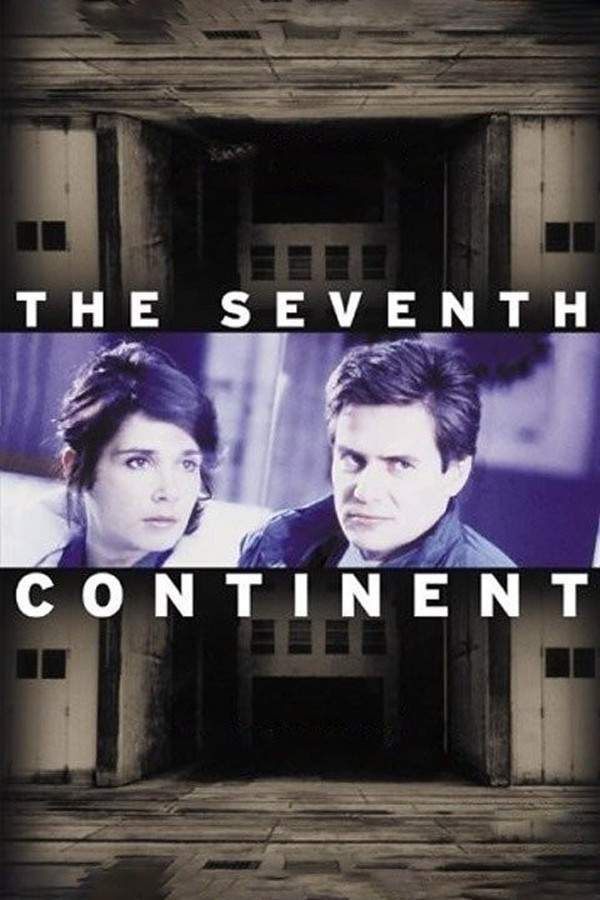
The Seventh Continent (1989) movie poster

Characters & Themes

The Seventh Continent (1989) Characters, Setting & Themes Explained

Release, runtime and language
1989 · 107 mins · German
Directed by
Michael Haneke
Starring
Georg Friedrich, Udo Samel, Birgit Doll, Dieter Berner, Leni Tanzer, Silvia Fenz

Over three years, the film follows a middle‑class family caught in the monotony of daily routines and occasional minor setbacks. Beneath their seemingly calm, repetitive existence, the members conceal a dark, coordinated plan that slowly emerges as the story unfolds.

On this page (7)
  1. 1 Characters explained (3)
  2. 2 Where & when it takes place
  3. 3 Themes & meaning (3)
  4. 4 Character & meaning questions
  5. 5 Movie threads
  6. 6 Movies like The Seventh Continent
  7. 7 Every angle

3 main characters · contains spoilers

The Seventh Continent Characters Explained: Who Is Who

The main characters of The Seventh Continent (1989), heroes and villains: what drives them, how they change over the course of the story and what each of them reveals about the film's bigger ideas.

  • Georg Schober (Dieter Berner)

    The husband, a quiet, rational presence who becomes disenchanted with the sterile rhythm of modern life. He masterminds the plan to quit, emigrate, and ultimately participates in a meticulously depersonalized act, revealing a cold, calculation-driven mindset.

    • 🧠 Rational
    • 🗝️ Determined
    • ⚖️ Detached
  • Anna Schober (Birgit Doll)

    The wife who shares the family’s discomfort with contemporary life. She moves through daily routines with restrained emotion and ultimately participates in the decision to leave, maintaining composure even as the family unravels.

    • 💬 Reserved
    • 🧭 Loyal
    • 🗝️ Complicit
  • Eva Schober (Leni Tanzer)

    The daughter who asserts she is not afraid of death and becomes part of the final escape. Her demeanor shifts from childlike dependence to a resolute, fragile presence in the family’s drastic plan.

    • 👧 Child
    • 🕊️ Courageous
    • 🧭 Impulsive

Last updated: October 04, 2025 at 14:00

Was this helpful?

Setting

Where and When Does The Seventh Continent Take Place?

The setting of The Seventh Continent (1989): the year and time period, the places and locations, and how they shape the characters, the mood and the tension of the story.

Time period

1987-1989

The film is structured around three consecutive years: 1987, 1988, and 1989. It follows a single family through days that reveal a growing dissatisfaction with contemporary life. The final part centers on their decision to emigrate to Australia and the drastic actions that follow in a short, compressed timeline.

Location

Austria

The story unfolds within an Austrian family home and its surrounding settings, rooted in late-1980s Austria. It portrays the domestic sphere as a microcosm of modern life, highlighting sterile routines and quiet alienation. Key locations include the family residence, the bank, and scenes hinting at an impending move abroad.

  • 🏠 Domestic life
  • 🗺️ European cinema
  • 🎭 Drama

Last updated: October 04, 2025 at 14:00

Was this helpful?

3 major themes

The Seventh Continent Meaning: Themes & Message Explained

What is The Seventh Continent (1989) really about? The emotional, social and philosophical themes the film keeps returning to, its symbolism and the message beneath the surface.

  • Destruction of possessions

    In the third act, the family destroys their home and belongings in a cold, ritualistic fashion. The act exposes the emptiness of material security and the breakdown of emotional bonds within the family. It presents a disturbing commentary on how objects can anchor people to a life they no longer want.

  • Escape from modern life

    The decision to emigrate to Australia signals a radical attempt to break free from the constraints of routine and social expectation. The film scrutinizes the allure of starting anew while highlighting the cost and uncertainty that accompany such a dramatic departure.

  • Mortality and isolation

    The culmination is a stark meditation on death and detachment. The family dies in a controlled sequence, with minimal outward emotion, while the father tracks times of death and the daughter bears witness to the tragedy, underscoring a pervasive sense of isolation.

Last updated: October 04, 2025 at 14:00

Was this helpful?

Character & theme questions

The Seventh Continent Characters & Meaning: Your Questions Answered

The questions people ask about The Seventh Continent (1989): who the characters really are, their relationships, what the symbols mean, where it takes place and what the movie is really about. Each answer contains spoilers.

Q1

Where is The Seventh Continent set?

The film takes place in Austria, centered around an Austrian family home and its surrounding settings. Key locations include the family residence, a bank, and scenes hinting at an impending move abroad. The domestic setting is portrayed as a microcosm of modern life, emphasizing sterile routines and quiet alienation.

  • austria
  • setting
  • family home
  • location
  • european cinema
Q2

What years does The Seventh Continent cover?

The film spans three consecutive years: 1987, 1988, and 1989. It follows a single family through days that reveal a growing dissatisfaction with contemporary life, with the final part centering on their decision to emigrate to Australia.

  • 1987
  • 1988
  • 1989
  • time period
  • austrian cinema
Q3

What does the destruction of possessions represent in the film?

The destruction of possessions in the third act represents the emptiness of material security and the breakdown of emotional bonds within the family. The cold, ritualistic destruction of their home and belongings serves as a disturbing commentary on how objects can anchor people to a life they no longer want.

  • destruction
  • possessions
  • symbolism
  • materialism
  • ritual
Q4

Why does the family want to move to Australia?

The decision to emigrate to Australia signals a radical attempt to break free from the constraints of routine and social expectation in Austria. The film scrutinizes the allure of starting anew in a distant land while highlighting the profound cost and uncertainty that accompany such a dramatic departure from modern life.

  • australia
  • emigration
  • escape
  • new beginning
  • freedom
Q5

What are the main themes of The Seventh Continent?

The film explores several interconnected themes: the destructive emptiness of material possessions, the desperate escape from modern life's sterile routines, and a stark meditation on mortality and isolation. These themes converge in the family's irreversible, nihilistic choice, presenting a bleak commentary on existential despair and alienation.

  • themes
  • existentialism
  • alienation
  • modern life
  • despair
Q6

Who are the main characters in The Seventh Continent?

The main characters are Georg Schober (the husband), Anna Schober (the wife), and Eva Schober (their daughter). Georg is a quiet, rational presence who masterminds the family's plan. Anna moves through daily routines with restrained emotion. Eva, the daughter, asserts she is not afraid of death and becomes part of the family's drastic plan.

  • georg schober
  • anna schober
  • eva schober
  • characters
  • family
Q7

What motivates Georg Schober in the story?

Georg Schober is motivated by a deep disenchantment with the sterile rhythm of modern life. He masterminds the family's plan to quit their routine, emigrate, and ultimately participates in a meticulously depersonalized act, revealing a cold, calculation-driven mindset driven by existential despair.

  • georg schober
  • motivation
  • disenchantment
  • modern life
  • rationality
Q8

What does the film say about modern life and routine?

The film presents a critique of modern life as a cycle of sterile routines and quiet alienation. Through the family's gradual unraveling, it explores how contemporary existence can feel meaningless and suffocating, ultimately portraying the family's desperate attempt to break free from these constraints.

  • modern life
  • routine
  • alienation
  • monotony
  • society
Q9

Why is The Seventh Continent considered so bleak?

The film is considered bleak due to its uncompromising portrayal of existential despair, alienation, and a family's irreversible, nihilistic choice. There is no humor or romance to provide relief. The slow, methodical build-up creates immense psychological pressure, leading to an overwhelmingly grim and emotionally devastating conclusion centered on mortality and detachment.

  • bleak tone
  • emotional impact
  • existentialism
  • disturbing
  • dark themes
Q10

What is Eva's role in The Seventh Continent?

Eva Schober represents the younger generation's perspective on the family's situation. She asserts she is not afraid of death and transitions from childlike dependence to a resolute, fragile presence in the family's drastic plan. Her role underscores the pervasive sense of isolation that affects all family members.

  • eva schober
  • daughter
  • youth
  • death
  • participation
Q11

How does the film portray isolation and mortality?

The film portrays isolation and mortality through the family's controlled sequence of death, where minimal outward emotion is displayed. The father tracks the times of death while the daughter bears witness to the tragedy, underscoring a pervasive sense of detachment and the stark finality of their choice.

  • isolation
  • mortality
  • death
  • detachment
  • family suicide
Q12

What kind of film is The Seventh Continent?

The Seventh Continent is a drama film from 1989, directed by Michael Haneke. It falls into the category of intense, challenging cinema known for its powerful exploration of heartbreak, suffering, and psychological darkness. The film is noted for its deliberately slow pacing and ritualistic depiction of daily life.

  • drama
  • michael haneke
  • 1989
  • austrian cinema
  • intense film

Movie threads

More Movies Like The Seventh Continent, by Mood & Story

Curated lists built around what makes The Seventh Continent tick: the same mood, the same kind of story or the same emotional payoff. Each list explains why these movies belong together.

Movies about clinical despair like The Seventh Continent

Films portraying methodical and detached unraveling toward existential despair. For viewers seeking movies like The Seventh Continent that depict a methodical and detached descent into nihilism. These films share a bleak tone, slow pacing, and heavy emotional weight, focusing on characters consumed by existential crisis and alienation in modern life.

  • clinical
  • detached
  • nihilistic
  • oppressive
  • despair
  • methodical
  • Tone: bleak, detached, nihilistic
  • Pacing: slow, deliberate, methodical
Why these movies?

The story pattern: The narrative pattern involves a gradual, almost procedural build-up of mundane details that mask a deep-seated despair. The story slowly peels back the facade of normalcy to reveal a chillingly deliberate plan for self-destruction, often framed as a logical response to an absurd or empty existence.

Why they belong together: These films are grouped by their shared clinical tone, oppressive atmosphere, and focus on existential themes. They prioritize a sense of methodical inevitability over dramatic outbursts, creating a uniquely unsettling and thought-provoking viewing experience centered on the breakdown of meaning.


Movies about the oppression of routine like The Seventh Continent

Stories where the crushing weight of daily repetition leads to explosive revolt. If you liked The Seventh Continent's depiction of monotonous life as a form of imprisonment, this list is for you. Discover similar movies where characters are suffocated by daily rituals, leading to profound crises and dramatic acts of rebellion against their mundane existence.

  • monotonous
  • alienation
  • oppressive
  • modern malaise
  • repetitive
  • quiet despair
  • Tone: bleak, monotonous, alienated
  • Pacing: slow, repetitive, observational
Why these movies?

The story pattern: The narrative unfolds by meticulously documenting the rituals of everyday life—work, meals, family interactions—to highlight their soul-crushing repetition. This monotonous surface slowly cracks under the pressure of unexpressed alienation, culminating in a violent or radical rejection of the entire system that defined the characters' lives.

Why they belong together: These movies share a central theme: modern life's routines are a subtle form of violence against the self. They connect through a slow, observational pacing that makes the monotony palpable, a bleak tone that questions the point of it all, and a climax that shatters the illusion of peaceful normalcy.

If you liked this

Movies Like The Seventh Continent

Similar movies to The Seventh Continent: the same genre, themes or kind of story. Each one comes with its own plot summary, timeline and ending explained.

Browse all movie summaries

Every angle

The Seventh Continent (1989) Explained: Plot, Timeline & Characters

Everything about The Seventh Continent in one place: what happens in the plot summary, the timeline in chronological order, the characters and meaning and a spoiler-free summary. What's After the Movie adds the cast, box office and post-credit scenes.

Coming soon on iOS and Android

The Plot Explained Movie Summary App

Plot summaries, endings explained and timelines on your phone. Catch up on any movie in minutes, save your favorites and never miss a twist again.

Be the first to know when we launch. Your email stays private, always.

Learn more about the app