Plot Explained Spoilers guaranteed!
Plot Explained

Browse by genre

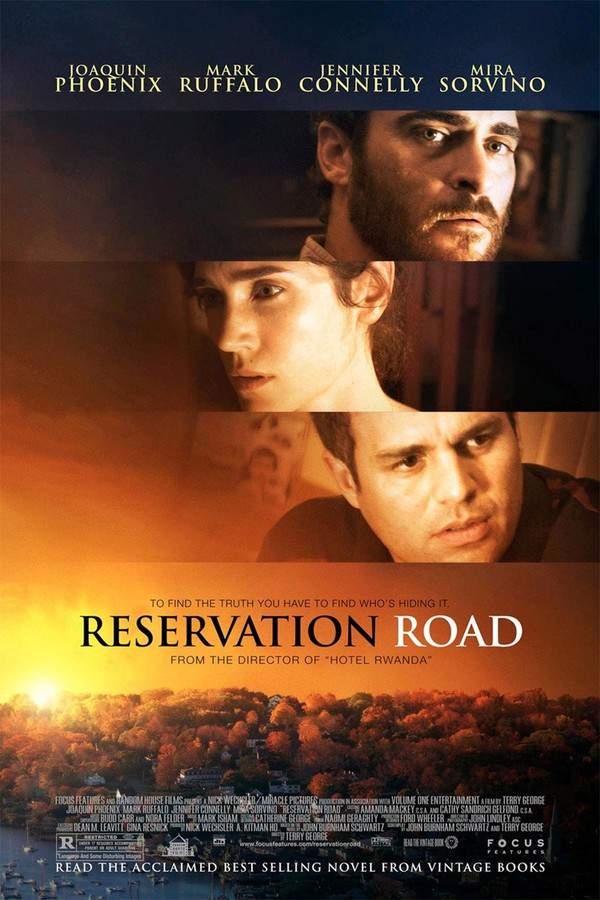
Revolutionary Road (2008) movie poster

Plot Summary

Revolutionary Road (2008) Plot Summary Explained

Release, runtime and language
2008 · 119 min · English
JustWatch #17,223 3
Directed by
Sam Mendes
Starring
Leonardo DiCaprio, Kate Winslet
Budget
$35M

In 1950s Connecticut, Frank and April Wheeler appear to have it all: a beautiful home and a promising future. However, their carefully constructed life begins to unravel as they question their choices and yearn for something more. Dissatisfied with the conformity of suburban life, they grapple with a desperate plan that tests the limits of their marriage and forces them to confront the stifling pressures of societal expectations. Their pursuit of a different life becomes a struggle against both external constraints and their own internal conflicts.

On this page (7)
  1. 1 Where to watch
  2. 2 What happens: full plot
  3. 3 Plot questions answered
  4. 4 The book behind the movie
  5. 5 Movie threads
  6. 6 Movies like Revolutionary Road
  7. 7 Every angle

Where to watch

Where to Watch Revolutionary Road (2008)

Where can you watch Revolutionary Road? Stream, rent or buy it in the US, including on fuboTV, Hoopla and Kanopy: current JustWatch availability with up-to-date prices.

Streaming availability powered by JustWatch

Full plot summary · contains spoilers

What Happens in Revolutionary Road: Full Plot Summary

The whole story of Revolutionary Road (2008) explained, from the opening scene to the final frame: every key event, every twist and what it all adds up to. Read it as a quick recap before the sequel, to check a scene you missed, or to finally understand what really happened.

In the late 1940s, Frank Wheeler (Leonardo DiCaprio) encounters April (Kate Winslet) at a lively party. Frank works as a longshoreman, aspiring to become a cashier, while April dreams of a career as an actress. As their lives intertwine, they marry after Frank secures a sales position at his father's former company. By 1955, the couple has moved into a suburban home located at 115 Revolutionary Road in Connecticut, gearing up for the arrival of their first child.

Settling into the rhythms of suburban life, Frank and April bring up their two children, Michael and Jennifer. They form friendships with their realtor, Helen Givings (Kathy Bates), her husband Howard (Richard Easton), and their neighbors Milly (Kathryn Hahn) and Shep (David Harbour). Despite their portrayal as the ideal couple to friends, beneath the surface, their relationship shows signs of strain. April's aspirations of making it as an actress flounder, while Frank becomes increasingly dissatisfied with the monotony of his career.

As April yearns for a change and longs to support the family, she remembers Frank's nostalgic tales of Paris. Convinced that a move to Paris could reignite their passion and solve their problems, she proposes the idea to Frank. At first, he laughs it off, but soon begins to entertain the thought. The only person who truly understands their dilemma is John (Michael Shannon), the troubled son of Helen, who is grappling with his own mental health issues. April reacts with empathy when Helen shares about John's struggles and subsequently agrees to meet him, which allows John to enter the Wheelers' lives. In a moment of candidness, Frank confides to John their escape from the "hopeless emptiness" of their routine existence.

As preparations for the move intensify, Frank finds himself reevaluating his choices. Inspired by thoughts of Paris, he submits a sarcastic piece of work to his boss, only to discover that it is received as brilliant by company executives, leading to a promotion offer. Meanwhile, April’s unexpected pregnancy complicates their plans, and tension escalates when Frank learns that she is contemplating abortion. Enraged, he confronts April, igniting a fierce argument between them. April, determined to escape their current reality, feels that Paris represents their only hope for a fresh beginning, while Frank's disdain for abortion deepens his reluctance to abandon their established life.

Following a night out at a jazz bar, where a series of events leads April and Shep to dance passionately and share an intimate moment, Frank confesses to having an affair in a desperate attempt to mend their fractured relationship. Instead of offering solace, April reveals that she has emotionally detached from him, leaving Frank in disbelief. Tensions peak during a dinner with the Givings, where John confronts Frank about his choices, accusing him of undermining April's aspirations and manipulating circumstances to maintain control over her dreams.

After a tumultuous evening, Frank's drunken stupor turns to shock the next morning when he finds April in the kitchen, seemingly returning to normalcy. They share a seemingly pleasant breakfast, yet after Frank leaves, April privately succumbs to despair, preparing for her own abortion, which tragically leads to her death at the hospital. Frank, in a state of disbelief, tells Shep that "she did it to herself," haunted by the loss of the women he once loved.

In the aftermath, a new couple moves into their home, with Milly recounting the bittersweet tale of the Wheelers to the new residents. She reveals that Frank has retreated to the city to devote his life to his children, suffocated by the weight of his decisions. In a moment of reflection, when Helen praises the new couple as suited for the home, Howard questions why she doesn't acknowledge the Wheelers. Helen dismisses their memory, labeling them as too whimsical, while Howard turns off his hearing aid, signifying his desire to forget.

Last updated: November 03, 2024 at 22:59

Was this helpful?

Plot questions answered

Revolutionary Road Plot Explained: Your Questions Answered

The questions people ask most about Revolutionary Road (2008): what happens in the confusing scenes, why the characters do what they do, the twists, hidden details and what the ending means. Each answer contains spoilers.

Q1

Why did April want to move to Paris?

April's desire to move to Paris stemmed from her failed acting career and deep dissatisfaction with suburban life. She believed Paris represented their only escape from what Frank described as the "hopeless emptiness" of their daily routine. The move was meant to rekindle their passion and give April a chance to pursue her acting dreams again while freeing Frank from a job he despised.

Foreshadowing: Earlier in the film, April recalls Frank's nostalgic stories about Paris, planting the seed for the idea.

  • april wheeler
  • paris plan
  • acting career
  • suburban dissatisfaction
  • escape
Q2

Why did Frank accept the promotion when he planned to move to Paris?

Frank's acceptance of the promotion revealed his fundamental cowardice. While he initially agreed to the Paris plan, the sudden opportunity for advancement at the company - which his father had also worked at - proved too tempting. It demonstrated that despite his complaints about the job, he was unwilling to give up the security and status it provided. His sarcastic piece of work was unexpectedly praised, making the promotion even more enticing.

Foreshadowing: Frank's complaints about his job were always hollow; he never took real action to change his situation.

  • frank wheeler
  • promotion
  • job
  • paris plan
  • cowardice
  • security
Q3

Why did April want an abortion despite being against it before?

April wanted the abortion because the pregnancy threatened her only escape route. She saw the baby as another commitment that would trap them in their current life, preventing the move to Paris. Her change of heart wasn't about being pro-abortion - it was about doing whatever was necessary to preserve their chance at a different life, even if it meant making an extreme sacrifice.

Foreshadowing: April's desperation to escape suburban life was established early; she viewed the pregnancy as another obstacle.

  • april pregnancy
  • abortion
  • paris plan
  • sacrifice
  • desperation
Q4

What caused April's death?

April died from complications of a self-induced abortion. After Frank left for work on the morning she was supposed to return to normalcy, she performed the abortion herself at home. The procedure caused severe bleeding, and she was rushed to the hospital where she ultimately died. This act was her final desperate attempt to free herself and her family from what she saw as an inescapable life.

Foreshadowing: The tension over the pregnancy had been building, with April refusing to let it derail the Paris plan.

  • april death
  • abortion
  • hospital
  • tragedy
  • self-induced
Q5

Why did John confront Frank at dinner?

John, who struggled with mental health issues himself, confronted Frank because he saw through his manipulation of April. John understood that Frank was using the pregnancy as an excuse to abandon the Paris plan and maintain control over April's life. He accused Frank of undermining April's dreams and using the situation to keep her trapped in their suburban existence, something no one else had the courage to say directly.

Foreshadowing: John's connection with April was built on mutual understanding of feeling trapped and misunderstood.

  • john givings
  • confrontation
  • mental health
  • april dreams
  • manipulation
Q6

Why did April dance with Shep at the jazz bar?

April's passionate dance with Shep was an emotional release from years of frustration and resentment toward Frank. Their moment represented her seeking the intimacy and connection that was missing in her marriage. It wasn't purely romantic - it was a physical manifestation of her desperate need to feel alive and desired, something Frank had long failed to provide. The dance escalated the emotional tension between the couple.

Foreshadowing: The marriage had been fracturing for years, with both characters seeking validation elsewhere.

  • april shep
  • jazz bar
  • dance
  • emotional affair
  • disconnection
Q7

Why did Frank admit to having an affair?

Frank confessed to his affair as a desperate attempt to save their marriage after witnessing April's emotional detachment. He believed that by admitting his infidelity, he would appear more human and relatable, somehow bridging the growing divide between them. However, his confession backfired - April revealed she had already emotionally checked out of the relationship, leaving Frank in disbelief.

Foreshadowing: Frank's pattern of making things about himself was consistent throughout the film.

  • frank affair
  • confession
  • marriage
  • desperate attempt
  • failure
Q8

Why did Helen dismiss the Wheelers as whimsical?

Helen Givings dismissed Frank and April as "too whimsical" because their tragic story represented a terrifying possibility - that following conventional paths could lead to disaster. By labeling them as impractical dreamers, Helen could psychologically distance herself from any responsibility in supporting or understanding them. This dismissal also served as a cautionary tale about the dangers of questioning societal expectations.

Foreshadowing: Helen had always been concerned with appearances and fitting into suburban norms.

  • helen givings
  • neighbors
  • dismissal
  • suburban expectations
  • tragic memory
Q9

Why did Frank move to the city after April's death?

Frank moved to the city to raise his children, but his retreat represented profound emotional defeat. Rather than processing his grief or accepting responsibility, he buried himself in paternal duties as a form of punishment and escape. Living in the city where he once dreamed of adventure, he was now trapped in a different way - consumed by guilt and the consequences of his choices.

Foreshadowing: Frank consistently chose paths of least resistance, even when they led to emotional isolation.

  • frank new york
  • children
  • guilt
  • emotional detachment
  • defeat
Q10

Why couldn't Frank and April escape their situation?

Frank and April couldn't escape because their dreams were never truly aligned, and neither had the courage to make real sacrifices. Frank wanted the appearance of wanting change without actually committing to it, while April's desperation made her irrational. They were also trapped by societal expectations, financial constraints, and their own psychological limitations. Their tragedy was that they criticized the system they were too afraid to truly leave.

Foreshadowing: Their entire relationship was built on nostalgia and romanticized notions rather than realistic planning.

  • escape
  • dreams
  • societal pressure
  • cowardice
  • marriage breakdown
Q11

Why did April pretend to return to normalcy before her death?

April's return to normalcy on that final morning was a calculated act to ensure Frank would leave for work without suspicion. She needed him gone to perform the abortion without interference. This deceptive calmness demonstrated how completely disconnected she had become from Frank - she could now hide her most extreme decisions from him while maintaining a facade of normalcy.

Foreshadowing: April had been growing more secretive and resolute as the Paris plan crumbled.

  • april deception
  • normalcy
  • morning
  • abortion
  • emotional detachment

Movie threads

More Movies Like Revolutionary Road, by Mood & Story

Curated lists built around what makes Revolutionary Road tick: the same mood, the same kind of story or the same emotional payoff. Each list explains why these movies belong together.

Intense Marriage Dramas Like Revolutionary Road

Intimate portraits of relationships disintegrating under relentless pressure. Explore movies like Revolutionary Road that feature couples whose relationships are pushed to the breaking point. If you were captivated by the raw, emotional unraveling of a marriage, these films offer similar deep dives into partnership conflicts, infidelity, and the painful gap between desire and reality.

  • tense
  • unsettling
  • melancholic
  • despairing
  • claustrophobic
  • emotional
  • Tone: tense, bleak, melancholic
  • Pacing: steady, character-driven
Why these movies?

The story pattern: Stories in this thread often center on a central couple, using their domestic space as a pressure cooker. The narrative unfolds through escalating arguments, revealing flashbacks, and quiet moments of profound disconnect, building towards an inevitable breakdown that leaves little room for reconciliation.

Why they belong together: These films are grouped by their unflinching focus on the dynamics of a failing relationship. They share a high emotional intensity, a steady or slow-burn pacing that allows tension to build, and a tone that ranges from melancholic to outright bleak, creating a consistently heavy viewing experience.

Movies About Suburban Disillusionment Like Revolutionary Road

Stories where the dream of suburban perfection becomes a trap. Find films similar to Revolutionary Road that explore the dark side of the suburban American dream. If you were drawn to the theme of societal conformity crushing individual spirit, these movies depict characters grappling with existential dread and the stifling norms of their picturesque communities.

  • oppressive
  • claustrophobic
  • unsettling
  • melancholic
  • despairing
  • tense
  • Tone: bleak, oppressive, unsettling
  • Pacing: steady, deliberate
Why these movies?

The story pattern: The narrative pattern follows characters who initially buy into the suburban ideal, only to find themselves spiritually starved and trapped. Their rebellion or attempts to escape are often met with failure, highlighting the powerful, often invisible, forces of societal expectation that enforce a status quo of quiet desperation.

Why they belong together: These films are united by their critical view of suburban life as a source of existential angst. They share an oppressive, claustrophobic mood, a steady pacing that mirrors the slow grind of conformity, and a focus on themes of disillusionment, societal pressure, and the death of personal ambition.

If you liked this

Movies Like Revolutionary Road

Similar movies to Revolutionary Road: the same genre, themes or kind of story. Each one comes with its own plot summary, timeline and ending explained.

Browse all movie summaries

Every angle

Revolutionary Road (2008) Explained: Plot, Timeline & Characters

Everything about Revolutionary Road in one place: what happens in the plot summary, the timeline in chronological order, the characters and meaning and a spoiler-free summary. What's After the Movie adds the cast, box office and post-credit scenes.

Coming soon on iOS and Android

The Plot Explained Movie Summary App

Plot summaries, endings explained and timelines on your phone. Catch up on any movie in minutes, save your favorites and never miss a twist again.

Be the first to know when we launch. Your email stays private, always.

Learn more about the app