Plot Explained Spoilers guaranteed!
Plot Explained

Browse by genre

The Other Side (2016) movie poster

Ending Explained

The Other Side (2016) Ending Explained – Final Scene & Meaning

Release, runtime and language
2016 · 92 min · English
Loading streaming availability…
Directed by
Roberto Minervini

Within a marginalized community, individuals face systemic neglect and diminishing civil rights. The narrative explores the lives of diverse characters including traumatized veterans, defiant young people, those battling addiction and seeking connection, hardened mercenaries, women navigating difficult circumstances, and elderly individuals holding onto hope. Their stories intertwine, revealing the struggles and resilience of those living on the fringes of society.

On this page (7)
  1. 1 Where to watch
  2. 2 What happens at the end
  3. 3 Final events in order
  4. 4 Ending questions answered
  5. 5 Movie threads
  6. 6 Movies like The Other Side
  7. 7 Every angle
Loading streaming availability…

Ending explained · contains spoilers

What Happens at the End of The Other Side?

How The Other Side (2016) ends, what the final scene means, which earlier moments set it up and how to read the ending if the film leaves it open. The full ending explained, with every spoiler.

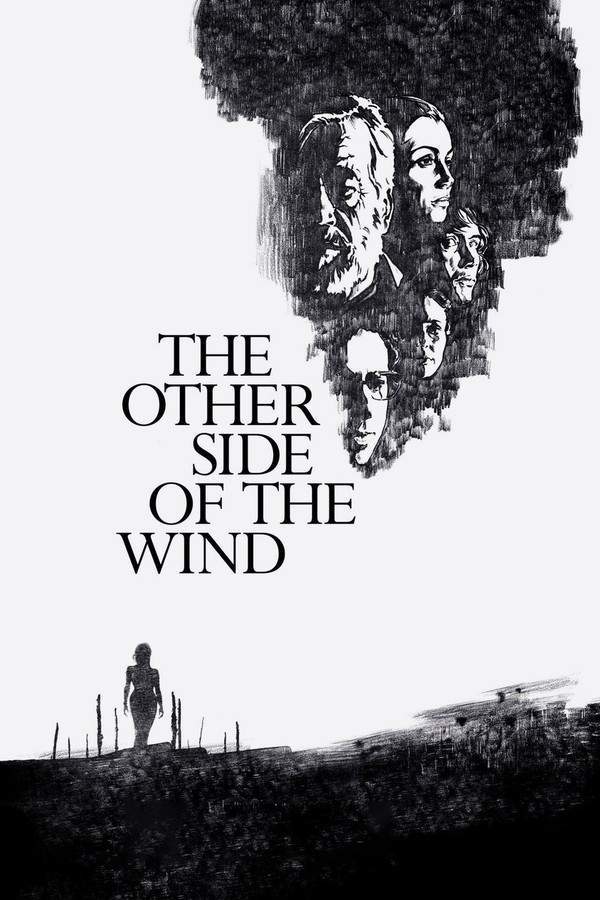
The ending of The Other Side of the Wind is deliberately ambiguous and reflective of its overall themes of fading brilliance and artistic decline. Throughout the film, we follow the final day of movie director Jake Hannaford, whose birthday party is filled with friends, critics, and industry insiders. The climax takes place at a drive-in theater, where Hannaford, heavily intoxicated and desperate, confronts the reality of his stalled career and financial insolvency. As tensions rise, he lashes out at a reporter and faces the imminent loss of his reputation and influence.

In the final moments, Hannaford drives off alone into the night, after a tense encounter with Jack Dale, his absent star—who only appears at the very end—and Jack refuses to get into the car. Hannaford’s fate after this seems to be a tragic one, and the film explicitly reveals through its opening sequence that he dies in a car crash. However, the film never shows his death directly. Instead, it leaves it as a question: did he die intentionally by suicide, or was it an accident? This uncertainty emphasizes the film’s larger commentary on the nature of artistic failure and the elusive end of creative life.

The movie’s title, The Other Side of the Wind, can be seen as a metaphor for exploring the hidden or unseen aspects of Hollywood and artistic expression. It hints at the idea of revealing truths that lie beyond the glamour and success, delving into the complexities and contradictions lurking beneath the surface. The film-within-a-film serves as a reflection of Welles’ own struggles—his attempts to reinvent himself, his fights with Hollywood, and his artistic pursuits—symbolizing the “other side” of fame and creative endeavor.

Ultimately, the ending underscores the tragic but poetic layers of Welles’ commentary on aging, obsolescence, and the ephemeral nature of artistic achievement. Hannaford’s lonely drive into the night symbolizes a descent into the unknown—possibly a final act of self-destruction or an unavoidable accident—leaving viewers to ponder the true nature of his demise. The film’s fragmented structure and unresolved questions mirror the messy, uncertain process of artistic legacy and personal mortality, making the ending a fitting meditation on the elusive boundary between life and death.

Last updated: June 25, 2025 at 09:01

Was this helpful?

The last 4 events

How The Other Side Ends: The Final Events in Order

The last events of The Other Side (2016) in chronological order, the run-up to the ending explained above. The complete timeline has all 15 events, scene by scene.

Open the full timeline
  1. The Accidental Sacrifice

    As the spirits take control, Oliver, now possessing Lucy, fatally stabs Michael in a tragic twist of fate, revealing the full extent of the curse Maria unwittingly unleashed.

    When
    N/A
    Where
    Family Home
  2. Maria's Last Stand

    In a desperate act to save her daughter, Maria confronts the shamans to release Oliver's spirit while offering herself as the ultimate sacrifice. Her determination symbolizes a mother’s love against the supernatural.

    When
    N/A
    Where
    Family Home
  3. The Final Sacrifice

    As Maria dies, she believes she has saved her family but realizes too late that her actions have led to a greater evil, causing a cycle of darkness to begin anew as Michael attempts the same ritual.

    When
    N/A
    Where
    Abandoned Temple
  4. The Cycle Begins Again

    In the closing scene, Maria's spirit is left to witness Michael's desperate attempt to reopen the door, visualizing a new cycle of tragedy yet to unfold, reinforcing the horrific consequences of their actions.

    When
    N/A
    Where
    Temple

Ending questions answered

The Other Side Ending: Your Questions Answered

The questions people ask most about the ending of The Other Side (2016): what the final scene means, how the twist works, what happens to each character and how to read the ending. Each answer contains spoilers.

Q1

What happens to Jake Hannaford at the end of the film?

Jake Hannaford drives off alone into the night after a confrontation with Jack Dale, his absent star who refuses to get into the car. The film explicitly reveals through its opening sequence that he dies in a car crash, though the actual death is never shown on screen. The film leaves his fate ambiguous, was it suicide or an accident?, while making clear that he dies.

  • jake hannaford
  • car crash
  • death
  • fate
Q2

Did Jake Hannaford commit suicide or was it an accident?

The film never definitively answers this question. Hannaford was heavily intoxicated and desperate, facing both a stalled career and financial insolvency. The ambiguity is intentional, the film uses this uncertainty to explore themes of artistic failure and the elusive end of creative life. Viewers are left to decide whether his death was a final act of self-destruction or simply an unavoidable tragedy.

  • suicide
  • accident
  • ambiguous ending
  • death interpretation
Q3

Why does Jack Dale refuse to get in the car with Hannaford?

Jack Dale, Hannaford's absent star who only appears at the very end, refuses to get into the car during the climactic confrontation at the drive-in theater. This refusal symbolizes the final abandonment of Hannaford, his core collaborator and representative of his artistic legacy abandoning him in his darkest moment. The encounter underscores Hannaford's complete isolation and the collapse of his professional relationships.

  • jack dale
  • refusal
  • confrontation
  • abandonment
Q4

What happens at the drive-in theater in the final act?

The climax takes place at a drive-in theater during Hannaford's birthday party, which is filled with friends, critics, and industry insiders. Tensions rise as Hannaford, heavily intoxicated and desperate, confronts the reality of his stalled career and financial insolvency. He lashes out at a reporter and faces the imminent loss of his reputation and influence before driving off alone.

  • drive-in theater
  • birthday party
  • climax
  • final day
Q5

What does the title "The Other Side of the Wind" mean?

The title serves as a metaphor for exploring the hidden or unseen aspects of Hollywood and artistic expression. It hints at revealing truths that lie beyond the glamour and success, delving into the complexities and contradictions lurking beneath the surface. The film-within-a-film within the movie serves as a reflection of Welles' own struggles, symbolizing the "other side" of fame and creative endeavor.

  • title meaning
  • metaphor
  • hollywood
  • artistic expression
Q6

What is the film's commentary on artistic failure?

The ending underscores a tragic but poetic commentary on aging, obsolescence, and the ephemeral nature of artistic achievement. Hannaford's lonely drive into the night symbolizes a descent into the unknown, his final act either self-destructive or tragically accidental. The film's fragmented structure and unresolved questions mirror the messy, uncertain process of artistic legacy and personal mortality.

  • artistic failure
  • aging
  • obsolescence
  • legacy
  • creative life
Q7

How does the film-within-a-film relate to the ending?

The film-within-a-film serves as a reflection of Orson Welles' own struggles, his attempts to reinvent himself, his fights with Hollywood, and his artistic pursuits. It symbolizes the "other side" of fame and creative endeavor, making the ending a meditation on the elusive boundary between life and death. The meta-narrative reinforces themes of artistic decline and the difficulty of concluding a creative life's work.

  • film within film
  • orson welles
  • meta narrative
  • artistic struggles
Q8

Why does the film show Hannaford's death in the opening if the ending is ambiguous?

The film opens by revealing Hannaford's death in a car crash, yet the ending leaves the circumstances ambiguous. This deliberate contradiction is central to the film's purpose, it transforms the viewing experience from wondering "if" he dies to grappling with "how" and "why." The audience watches Hannaford's final day knowing his fate, making every choice and confrontation more poignant as they lead toward an already-determined end.

  • opening sequence
  • death revealed
  • narrative structure
  • dramatic irony

Movie threads

More Movies Like The Other Side, by Mood & Story

Curated lists built around what makes The Other Side tick: the same mood, the same kind of story or the same emotional payoff. Each list explains why these movies belong together.

Documentaries of marginalization like The Other Side

Interwoven narratives revealing the human cost of living on society's margins. Explore movies like The Other Side that depict the harsh realities of marginalized communities. These powerful documentaries and dramas use interwoven narratives to show the resilience and despair of individuals facing systemic failures, perfect for viewers who appreciate socially conscious and emotionally heavy storytelling.

  • oppressive
  • grief-stricken
  • haunting
  • tense
  • melancholic
  • social realism
  • Tone: dark, bleak, melancholic
  • Pacing: variable, character-driven
Why these movies?

The story pattern: Films in this thread typically employ an ensemble cast or multiple interwoven storylines to paint a broad portrait of a community in crisis. The narrative structure often avoids a single protagonist, instead building a collective sense of struggle against a backdrop of social and economic decay, leading to a profound exploration of human resilience.

Why they belong together: These movies are grouped by their shared focus on societal malaise and the collective experience of people on the fringes. They create a similar immersive, often oppressive mood through their documentary-like realism, heavy emotional weight, and unflinching look at difficult themes.

Movies about shared trauma like The Other Side

Stories where characters are bound together by profound loss and psychological anguish. If you were moved by the collective grief in The Other Side, discover other films that explore groups of characters bound by shared trauma. These emotionally heavy dramas and horror-tinged stories examine how profound loss and psychological anguish connect people, often leading to bleak but deeply resonant conclusions.

  • grief-stricken
  • psychological trauma
  • suspenseful
  • haunting
  • nightmarish
  • mental anguish
  • Tone: dark, tense, melancholic
  • Pacing: variable, with emotional peaks
Why these movies?

The story pattern: The narrative pattern often begins with a defining tragic event that impacts multiple characters. The story then follows the divergent but interconnected ways each person processes their grief, guilt, or fear. The plot is less about solving a mystery and more about the emotional fallout and the strained bonds between those who suffered together.

Why they belong together: This thread connects films through their intense focus on the psychology of shared suffering. They share a dark tone, high emotional weight, and a mood that is consistently tense, melancholic, and suspenseful, as characters navigate a world colored by a common, unshakeable pain.

If you liked this

Movies Like The Other Side

Similar movies to The Other Side: the same genre, themes or kind of story. Each one comes with its own plot summary, timeline and ending explained.

Browse all movie summaries

Every angle

The Other Side (2016) Explained: Plot, Ending, Timeline & Characters

Everything about The Other Side in one place: what happens in the plot summary, the timeline in chronological order, the characters and meaning, the ending explained and a spoiler-free summary. What's After the Movie adds the cast, box office and post-credit scenes.

Coming soon on iOS and Android

The Plot Explained Movie Summary App

Plot summaries, endings explained and timelines on your phone. Catch up on any movie in minutes, save your favorites and never miss a twist again.

Be the first to know when we launch. Your email stays private, always.

Learn more about the app