Plot Explained Spoilers guaranteed!
Plot Explained

Browse by genre

The Long Day’s Dying (1968) movie poster

Characters & Themes

The Long Day’s Dying (1968) Characters, Setting & Themes Explained

Release, runtime and language
1968 · 95 mins · English
Directed by
Peter Collinson
Starring
Tony Beckley, David Hemmings, Tom Bell, Alan Dobie

The picture too rough for the American people Three British soldiers and their German captive trek through the European countryside.

On this page (7)
  1. 1 Characters explained (4)
  2. 2 Where & when it takes place
  3. 3 Themes & meaning (3)
  4. 4 Character & meaning questions
  5. 5 Movie threads
  6. 6 Movies like The Long Day’s Dying
  7. 7 Every angle

4 main characters · contains spoilers

The Long Day’s Dying Characters Explained: Who Is Who

The main characters of The Long Day’s Dying (1968), heroes and villains: what drives them, how they change over the course of the story and what each of them reveals about the film's bigger ideas.

  • Cliff (Tony Beckley)

    An eager, duty-bound soldier who loves his work and takes pride in professional, precise combat. He remains loyal to his unit and tries to steady the group under pressure, even as the war's brutality gnaws at him.

    • 🎖️ Duty
    • 🗡️ Combat skill
    • 🧭 Loyalty
  • John (David Hemmings)

    A middle-class, educated thinker who despises war and wrestles with moral questions while carrying out orders. He is introspective and articulate, frequently challenging the others’ assumptions, and ultimately faces the consequences of his pacifist stance.

    • 🧠 Intellect
    • 🕊️ Pacifism
    • 💭 Moral conflict
  • Tom Cooper (Tom Bell)

    World-weary and cynical, he remains a highly capable professional who accepts the harsh realities of combat. His experience makes him practical and composed, yet the war wears on him and clouds his judgment at times.

    • 🗡️ Veteran
    • 🧭 Pragmatism
    • 🛡️ Duty
  • Helmut (Alan Dobie)

    A German paratrooper who uses cunning and English-spoken manipulation to survive. He remains calm under pressure, influencing his captors and turning the situation into a tense stalemate.

    • 🪖 German paratrooper
    • 🗝️ Manipulation
    • 🌀 Survivor

Last updated: October 04, 2025 at 18:37

Was this helpful?

Setting

Where and When Does The Long Day’s Dying Take Place?

The setting of The Long Day’s Dying (1968): the year and time period, the places and locations, and how they shape the characters, the mood and the tension of the story.

Time period

World War II, 1940s

The events unfold during the Second World War, centered on airborne troops behind enemy lines. The era is defined by rapid, brutal combat and the constant tension of survival, where small spaces and long marches become battlegrounds in themselves. The timeframe informs the film's stark depiction of violence, fear, and moral strain.

Location

Deserted farmhouse, European countryside

A secluded, abandoned farmhouse serves as a temporary shelter for the three paratroopers behind enemy lines, turning from quiet refuge to tense outpost. The surrounding countryside bears the constant threat of discovery by German patrols as the group struggles to find their way back to Allied lines. The setting swings between the claustrophobic interior of the farmhouse and the open, perilous outdoors of the frontline.

  • 🏚️ Deserted farmhouse
  • ⚔️ War-torn countryside
  • 🗺️ Frontline setting

Last updated: October 04, 2025 at 18:37

Was this helpful?

3 major themes

The Long Day’s Dying Meaning: Themes & Message Explained

What is The Long Day’s Dying (1968) really about? The emotional, social and philosophical themes the film keeps returning to, its symbolism and the message beneath the surface.

  • War Brutality

    The narrative foregrounds war as intimate and relentless, where killing becomes a grim necessity rather than a moral choice. The soldiers’ encounters — with enemy combatants and with each other — reveal how easily brutality can become routine under pressure. Moments of mercy are scarce, underscoring the dehumanizing effects of combat.

  • Pacifism vs Duty

    John embodies a counterpoint to soldierly obligation, despising war even as he must act within the chain of command. His reflections create a moral tension that questions whether personal ethics can survive the demands of duty. The film probes the fragile boundary between belief and action in wartime.

  • Trauma & Morality

    Exhaustion, fear, and guilt accumulate as violence erupts and subsides, leaving psychological scars. Delirium and moral conflict surface as the characters confront what they have become. The story tracks how trauma reshapes identity and choices under extreme stress.

Last updated: October 04, 2025 at 18:37

Was this helpful?

Character & theme questions

The Long Day’s Dying Characters & Meaning: Your Questions Answered

The questions people ask about The Long Day’s Dying (1968): who the characters really are, their relationships, what the symbols mean, where it takes place and what the movie is really about. Each answer contains spoilers.

Q1

Where is this film set?

The story takes place in a secluded, abandoned farmhouse in the European countryside during World War II. The setting swings between the claustrophobic interior of the farmhouse and the open, perilous outdoors of the frontline, with constant threat from German patrols.

  • setting
  • abandoned farmhouse
  • european countryside
  • ww2 location
Q2

What time period is depicted?

The events unfold during World War II in the 1940s, centered on airborne troops behind enemy lines. This era is defined by rapid, brutal combat and the constant tension of survival.

  • ww2
  • 1940s
  • world war 2
  • time period
  • 1940s era
Q3

What are the main themes in this movie?

The film explores three major themes: war brutality, where killing becomes a grim necessity rather than a moral choice; pacifism versus duty, following a soldier who despises war even as he must act within the chain of command; and trauma and morality, showing how exhaustion, fear, and guilt accumulate and reshape identity under extreme stress.

  • war brutality
  • pacifism
  • duty
  • trauma
  • moral conflict
  • themes
Q4

What does the film say about war?

The movie depicts war as intimate and relentless, showing how easily brutality can become routine under pressure. Moments of mercy are scarce, underscoring the dehumanizing effects of combat and the grim necessity of killing rather than moral choice.

  • war message
  • brutality
  • dehumanizing
  • duty
  • moral strain
Q5

Who is John in the story?

John is a middle-class, educated soldier who despises war and wrestles with moral questions while carrying out orders. He is introspective and articulate, frequently challenging the others' assumptions, representing the theme of pacifism versus military duty.

  • john
  • middle class soldier
  • pacifist
  • educated
  • moral conflict
Q6

Who is Cliff in the film?

Cliff is an eager, duty-bound soldier who loves his work and takes pride in professional, precise combat. He remains loyal to his unit and tries to steady the group under pressure, even as the war's brutality gnaws at him.

  • cliff
  • duty bound
  • professional soldier
  • loyal
  • paratrooper
Q7

Who is Tom Cooper?

Tom Cooper is a world-weary, cynical but highly capable professional soldier who accepts the harsh realities of combat. His experience makes him practical and composed, yet the war wears on him and clouds his judgment at times.

  • tom cooper
  • cynical
  • professional soldier
  • experienced
  • world weary
Q8

Who is Helmut in the movie?

Helmut is a German paratrooper taken captive by the British soldiers. He uses cunning and English-spoken manipulation to survive, remaining calm under pressure and influencing his captors throughout the tense situation.

  • helmut
  • german paratrooper
  • captive
  • cunning
  • manipulation
Q9

What kind of environment do the characters operate in?

The characters operate in a war-torn European countryside behind enemy lines, constantly under threat of discovery by German patrols. The environment alternates between the confined shelter of the abandoned farmhouse and the dangerous open terrain of the frontline.

  • war torn countryside
  • frontline
  • danger
  • enemy lines
  • patrols
Q10

How does the film handle moral conflict?

The film tracks how trauma reshapes identity and choices under extreme stress. John, the pacifist character, ultimately faces the consequences of his moral stance as he is forced to kill, showing the fragile boundary between belief and action in wartime.

  • moral conflict
  • trauma
  • ethics
  • pacifism
  • psychological strain

Movie threads

More Movies Like The Long Day’s Dying, by Mood & Story

Curated lists built around what makes The Long Day’s Dying tick: the same mood, the same kind of story or the same emotional payoff. Each list explains why these movies belong together.

War stories of psychological decay like The Long Day’s Dying

Stories where the battlefield's true enemy is the mind's unraveling. If you liked the psychological toll and bleak despair in The Long Day’s Dying, discover other movies that explore war's internal battles. These similar films focus on the mental and emotional decay of soldiers, depicting the grim futility and trauma behind enemy lines.

  • grim
  • desolate
  • fatalistic
  • psychological
  • exhausting
  • traumatic
  • Tone: bleak, fatalistic
  • Pacing: steady, linear
Why these movies?

The story pattern: Stories in this thread follow characters, often soldiers, as their professional competence and personal morals are systematically destroyed by the horrors they witness and commit. The narrative arc is typically a downward spiral, where the initial goal of survival becomes secondary to the struggle with inner demons, leading to a sense of inevitable tragic collapse.

Why they belong together: These movies are grouped by their shared focus on the dehumanizing psychological effects of conflict. They share a bleak tone, high emotional intensity, and a direct, steady pacing that relentlessly builds towards a feeling of futility and despair, making the internal state of the characters the central drama.
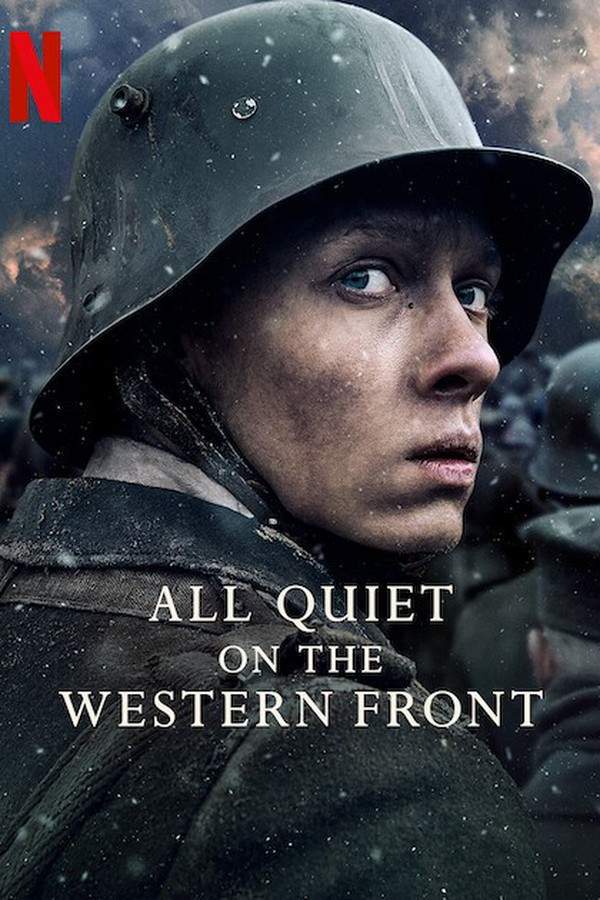
Movies about grim survival like The Long Day’s Dying

Bleak journeys where the environment is as deadly as any foe. For viewers who appreciated the desperate survival and desolate setting of The Long Day’s Dying, this list features similar films. Explore other stark stories of characters enduring a hostile landscape, facing psychological tolls and the grim reality of mere existence.

  • desolate
  • anxious
  • claustrophobic
  • exhausting
  • grim
  • fatalistic
  • Tone: desolate, tense
  • Pacing: steady, draining
Why these movies?

The story pattern: Narratives in this thread are often straightforward pursuits of survival through a dangerous landscape. The plot is driven by a series of escalating hardships that strip away comfort and idealism, focusing on the primal bond between characters and the grim choices required to persist in a world offering no refuge.

Why they belong together: These films share a potent mix of a desolate, claustrophobic mood, high-tension stakes, and a steady pacing that creates a sense of relentless, exhausting pressure. The grouping is defined by the shared experience of watching characters be worn down by their environment and circumstances.

If you liked this

Movies Like The Long Day’s Dying

Similar movies to The Long Day’s Dying: the same genre, themes or kind of story. Each one comes with its own plot summary, timeline and ending explained.

Browse all movie summaries

Every angle

The Long Day’s Dying (1968) Explained: Plot, Timeline & Characters

Everything about The Long Day’s Dying in one place: what happens in the plot summary, the timeline in chronological order, the characters and meaning and a spoiler-free summary. What's After the Movie adds the cast, box office and post-credit scenes.

Coming soon on iOS and Android

The Plot Explained Movie Summary App

Plot summaries, endings explained and timelines on your phone. Catch up on any movie in minutes, save your favorites and never miss a twist again.

Be the first to know when we launch. Your email stays private, always.

Learn more about the app