Year: 1961
Runtime: 110 mins
Language: English
Director: Leslie Norman
Based on Willis Hall’s play, a British patrol in the jungle is tasked with recording ambient sounds to mislead the enemy. As they move toward what they believe is the base, radio contact fades and they hear only a Japanese broadcast, realizing they are near an enemy camp. The cynical Private Bamforth clashes with Corporal Johnstone, and when they capture a Japanese soldier, each man’s true character is revealed.
Warning: spoilers below!
Haven’t seen The Long and the Short and the Tall yet? This summary contains major spoilers. Bookmark the page, watch the movie, and come back for the full breakdown. If you're ready, scroll on and relive the story!
Read the complete plot breakdown of The Long and the Short and the Tall (1961), including all key story events, major twists, and the ending explained in detail. Discover what really happened, and what it all means.
During the Japanese invasion of Burma in 1942, a seven-strong British sonic deception unit on a short jungle exercise takes shelter from the rain in a hut set inside an abandoned tin mine. The mood is tense and the atmosphere crowded with squabbles, as the men constantly bicker under the pressure of danger and fatigue. The bullying Corporal Johnstone Richard Harris frequently needles the others, while the ever-watchful Bamforth Laurence Harvey spends much of his time mocking the teased and teased-back, creating a fragile undercurrent of hostility that hissed under their breath like static.
When Sergeant Mitchem and the stern Corporal Johnstone separate to reconnoiter, the mood hardens further. Lance-Corporal Macleish, known as “Mac” and played by Ronald Fraser, is provoked to the limit and lashes out at Bamforth, a blow that echoes the growing strain among the group. The soldiers fail to establish radio contact with their base, and a stray Japanese broadcast crackles into their ears, hinting that a hostile presence is nearby. A Japanese scout is captured during the confusion: Johnstone grabs him and orders Taff to stab, but Taff cannot bring himself to kill in cold blood. It is Mitchem who returns from the reconnaissance and decrees that the scout must be brought back for interrogation, a decision that reshapes the entire mission.
Mitchem places Bamforth in charge of the prisoner, whom Bamforth names Tojo Kenji Takaki. The revelation that Tojo is merely a fellow soldier rather than a celebrated enemy gradually softens Bamforth’s initial resolve, and the men find a kind of uneasy bonding in sharing glimpses of Tojo’s family through pictures. Johnstone, furious at this unexpected companionship, furies at the sight and tries to tear the pictures apart. Bamforth’s temper finally snaps, and he pounds Johnstone, risking a court-martial as the group looks on in stunned silence. Mitchem halts the escalation, but the tension remains, gnawing at everyone's nerves.
Meanwhile Mac and Smudge depart to reconnoiter again and glimpse a small patrol that is dispatching two soldiers to locate Tojo. Mac executes one of the soldiers to protect the prisoner, while the other escapes, and both return to warn the rest. The patrol’s radio contact becomes a perilous risk, and despite the danger of exposing their position, they decide to issue a warning to their base. A taunting Japanese broadcast escalates the urgency of their flight as the men press onward toward their own lines.
As they press for home, Mitchem comes to a grim realization: the prisoner has become more liability than asset, and Johnstone’s eagerness to kill Tojo grows more menacing by the hour. The group pauses in the canyons carved by a flood, the canyon walls echoing their anxious heartbeat. Bamforth keeps watch, and the tension culminates when Johnstone spots Mac and Tojo sharing a cigarette. He points out—cruelly—that the cigarettes are British, implying that Tojo must have looted them from a fallen comrade. This accusation forces the others to confront their own complicity with looting and the lines between right and wrong in such a war-torn landscape. The group rummages through Tojo’s possessions and tries to restore some semblance of dignity by gathering his belongings. Johnstone sneers that Tojo’s cigarette case bears a Birmingham mark, a detail that stings deeply. Bamforth counters that Tojo could have traded for it, which forces the youngest member, Whittaker, to admit a troubling truth about survival on the march.
As the flood recedes, Mitchem orders one last attempt to contact their base before they depart. The plan shifts toward abandoning the mules, blowing up the special equipment, and killing the prisoner Tojo if necessary. Bamforth, staunchly opposed to execution, pleads for support from the others but finds none. The radio finally crackles to life, but only with a Japanese message that cannot be understood. Tojo steps forward, trying in Japanese to explain the message, and Whittaker—racked by shame over his earlier looting—mistakes Tojo’s movement and fires, killing him with a machine gun. The radio later returns with a Japanese-accented English proclamation that the patrol is surrounded and demands their surrender. Whittaker’s volley will have alerted the enemy even further.
Mitchem joins Bamforth to form a stubborn rear guard that buys time for the others to escape. The main Japanese force closes in, and the fighting intensity rises as a sniper destroys Taff and Mac. Whittaker is cut off from the group, and Johnstone orders Smudge to return to Mitchem, a command that ends in tragedy as Smudge is killed in the fighting. Mitchem’s shock when he finally sees Johnstone, superficially injured and returning alone, ends in a brutal twist as the sniper finishes him off. With the Japanese closing in, Johnstone urges Bamforth to surrender, but Bamforth refuses and instead triggers the explosives. The blast destroys several attackers, yet a rockfall that follows seals Bamforth’s fate in a final, fatal moment. Johnstone advances, salvages a white scarf from a dead Japanese soldier, and surrenders, while Whittaker is found cowering and captured by the pursuing forces, subjected to mockery just as the British had treated Tojo earlier.
In this harrowing sequence of courage, cowardice, and the brutal calculus of war, the bonds and betrayals among the seven men culminate in a devastating conclusion. The jungle, the rain, and the relentless threat of capture hang over every decision, reminding us that even in the chaos of wartime deception, the line between heroism and wrongdoing can be impossibly thin.
Last updated: October 09, 2025 at 14:08
Explore frequently asked questions about The Long and the Short and the Tall (1961) with spoiler-rich answers covering the full plot summary, major story beats, character motivations, hidden details, and ending meaning. This movie summary FAQ helps explain confusing scenes, plot twists, and narrative decisions in clear, searchable detail.
Bamforth attacks Johnstone after Johnstone attempts to tear up the family photographs of the Japanese prisoner. Throughout the mission, Johnstone has been bullying the men and treating the prisoner harshly. When Johnstone destroys the one connection Tojo has to his family, Bamforth's frustration finally breaks and he physically assaults Johnstone, risking a court-martial.
Earlier scenes show Bamforth's growing resentment toward Johnstone's cruelty and his gradual empathy for the prisoner.
Whittaker shoots Tojo in a panic when the radio receives a Japanese message that cannot be understood. Tojo steps forward to try and translate the message, but Whittaker, already riddled with shame over his earlier looting confession, mistakes the movement as hostile and opens fire with the machine gun, killing the prisoner instantly.
Whittaker's earlier admission about stealing cigarettes foreshadows his nervous, trigger-happy state.
Mitchem overrides Johnstone's order to kill the scout and insists they bring the prisoner back because intelligence from interrogating a captured soldier could prove valuable to British forces. This decision fundamentally changes their mission from a simple sound-recording exercise to a dangerous escort operation with a liability.
The earlier radio failure and Japanese broadcast hint that enemy positions are nearby, making intelligence valuable.
Mac encounters two Japanese soldiers sent to locate the captured scout. He kills one to prevent the soldier from reporting back about their position, but the second soldier escapes despite Mac's attempt to stop him. This escape ultimately allows the Japanese to track the patrol, leading to the eventual ambush.
The earlier capture of the scout already signals that the Japanese are searching for them.
Bamforth acts as a rear guard with Mitchem to allow the others to escape. When the Japanese close in and Johnstone suggests surrender, Bamforth refuses and instead detonates the explosives. The blast kills several attackers but triggers a rockfall that seals his fate, killing him.
Bamforth's consistent opposition to killing the prisoner throughout the film shows his defiance and moral conviction.
After Bamforth detonates the explosives and dies in the rockfall, Johnstone sees the chaos and decides to surrender. He takes a white scarf from a dead Japanese soldier as a symbol of surrender and walks toward the Japanese lines, abandoning any further fight.
Johnstone's earlier eagerness to kill the prisoner and his complaints about the mission show his willingness to save himself.
Once Bamforth names the prisoner Tojo and discovers he is just an ordinary soldier with a family, the men begin sharing cigarettes and looking at photographs of his loved ones. This humanizes the enemy, creating an uneasy bond that conflicts with their military objective and deepens the moral tension of keeping him alive.
The contrast between Tojo's gentle nature and Johnstone's cruelty sets up the eventual conflict over the photographs.
Johnstone points out that the cigarettes Mac and Tojo share are British-made, implying Tojo looted them from a dead British soldier. This forces the group to confront their own looting, and Whittaker admits to taking items during the march. The accusation exposes the moral hypocrisy of condemning the enemy while committing the same acts.
The earlier looting is hinted at when the group examines Tojo's possessions.
As the Japanese close in and escape becomes impossible, Mitchem concludes the prisoner has become more liability than asset. The plan includes abandoning mules, blowing up their special equipment, and killing Tojo to prevent him from falling into enemy hands or revealing their position. Only Bamforth objects.
Johnstone's persistent calls for the prisoner's death create pressure throughout the mission.
Whittaker is found cowering under a bush by Japanese soldiers and is captured. He is shouted at and humiliated, mirroring exactly how the British had treated Tojo earlier in the film. The parallel underscores the cyclical nature of dehumanization in war.
The film's emphasis on how the British treat Tojo foreshadows this reversal.
When Johnstone orders Taff to stab the captured Japanese scout, Taff cannot bring himself to kill an unarmed man in cold blood. This act of mercy contrasts sharply with the brutality of war and sets up the film's exploration of moral decay under pressure.
Taff's refusal establishes the moral tension that runs throughout the film about killing versus humanity.
The patrol's radio fails to reach their base, and they only pick up Japanese broadcasts, including a mocking message and later a demand for surrender. This communication failure heightens their isolation and signals they are dangerously close to enemy territory.
The initial description mentions they are on a mission to create misleading sounds for the enemy, placing them deep in hostile territory.
While Sergeant Mitchem and Corporal Johnstone are away reconnoitering, Lance-Corporal Macleish is provoked by Bamforth's constant mocking and loses his temper, physically attacking Bamforth. This outburst illustrates the mounting tension and frayed nerves among the men under the pressure of danger and fatigue.
Bamforth's relentless teasing of the others throughout the film creates this breaking point.
Discover curated groups of movies connected by mood, themes, and story style. Browse collections built around emotion, atmosphere, and narrative focus to easily find films that match what you feel like watching right now.
Stories where a remote jungle setting forces a group to face brutal moral choices.If you liked the moral tension and jungle isolation of The Long and the Short and the Tall, you'll find similar stories here. These movies explore survival, group dynamics, and ethical collapse in remote, dangerous settings, often with bleak outcomes.
These narratives typically strand a group in a hostile wilderness, where the external threat is matched by the internal conflict. The plot revolves around a central moral dilemma—often involving a prisoner or an outsider—that acts as a litmus test for each character's values, leading to a breakdown of order and a tragic resolution.
Movies are grouped here for their shared use of a claustrophobic jungle setting to explore profound moral questions. They feature high tension, intense group dynamics, and a focus on how extreme circumstances reveal the best and worst in people.
Films where confined groups unravel under life-or-death stress, revealing true natures.Find movies like The Long and the Short and the Tall where a team's cohesion shatters under extreme pressure. These tense dramas focus on character revelation, moral debates, and the devastating consequences of internal conflict in high-stakes situations.
The narrative pattern involves a contained group in a high-stakes scenario where a catalyst event—like capturing a prisoner or discovering a threat—exposes deep-seated conflicts. Cynical characters challenge authority, debates over morality escalate, and the group's failure to unite leads to a collective downfall.
These films share a core focus on the psychological unraveling of a team trapped together. They are united by a steady, tense pacing, heavy emotional weight, and a bleak ending that highlights the fragility of camaraderie under duress.
Don't stop at just watching - explore The Long and the Short and the Tall in full detail. From the complete plot summary and scene-by-scene timeline to character breakdowns, thematic analysis, and a deep dive into the ending - every page helps you truly understand what The Long and the Short and the Tall is all about. Plus, discover what's next after the movie.
Track the full timeline of The Long and the Short and the Tall with every major event arranged chronologically. Perfect for decoding non-linear storytelling, flashbacks, or parallel narratives with a clear scene-by-scene breakdown.
Discover the characters, locations, and core themes that shape The Long and the Short and the Tall. Get insights into symbolic elements, setting significance, and deeper narrative meaning - ideal for thematic analysis and movie breakdowns.
Discover movies like The Long and the Short and the Tall that share similar genres, themes, and storytelling elements. Whether you’re drawn to the atmosphere, character arcs, or plot structure, these curated recommendations will help you explore more films you’ll love.
The Long and the Short and the Tall (1961) Scene-by-Scene Movie Timeline
The Long and the Short and the Tall (1961) Movie Characters, Themes & Settings
The Long and the Short and the Tall (1961) Spoiler-Free Summary & Key Flow
Movies Like The Long and the Short and the Tall – Similar Titles You’ll Enjoy
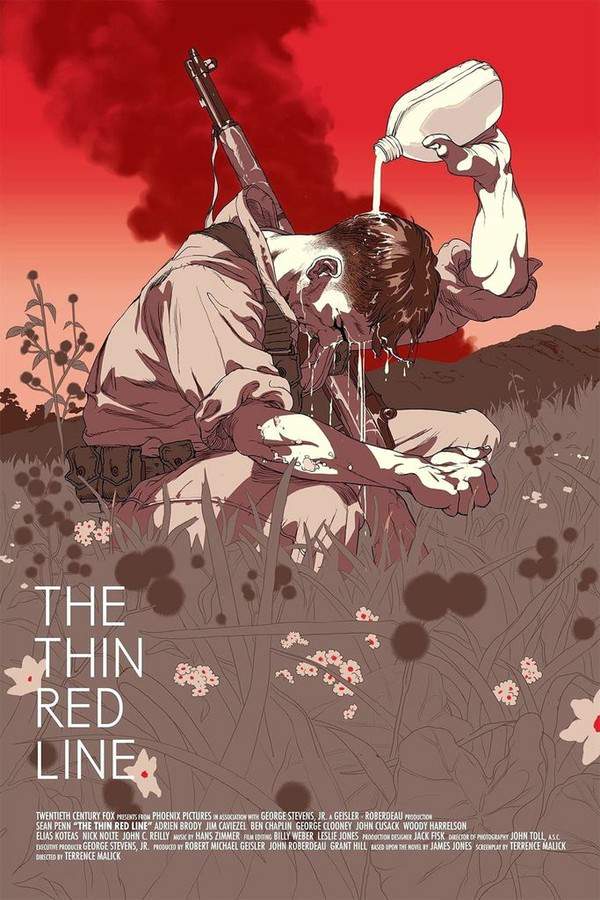
The Thin Red Line (1999) Film Overview & Timeline
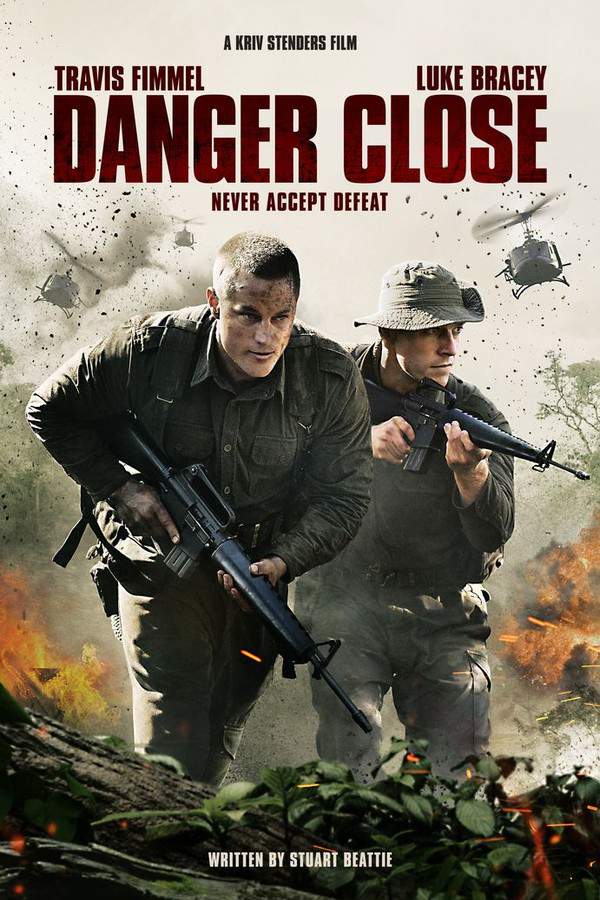
Danger Close (2019) Story Summary & Characters
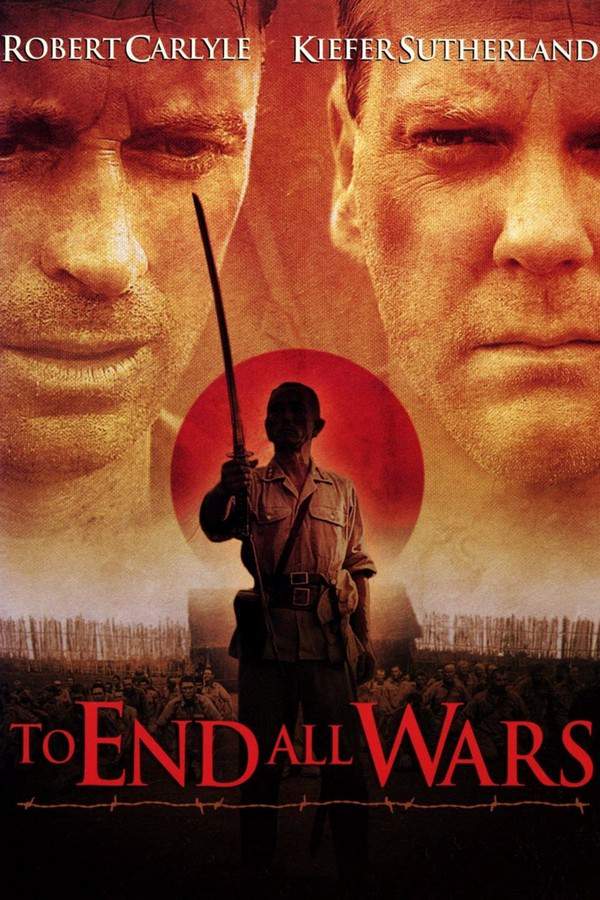
To End All Wars (2002) Full Movie Breakdown
Danger Close: The Battle of Long Tan (2019) Spoiler-Packed Plot Recap
Back to Bataan (1945) Spoiler-Packed Plot Recap
Bataan (1943) Detailed Story Recap
The 317th Platoon (1965) Movie Recap & Themes
The Long Duel (1967) Story Summary & Characters
Home of the Brave (1949) Full Movie Breakdown
Yesterday’s Enemy (1959) Full Summary & Key Details
Too Late the Hero (1970) Story Summary & Characters
The Naked and the Dead (1958) Ending Explained & Film Insights
Fires on the Plain (1959) Ending Explained & Film Insights
The Long Day’s Dying (1968) Full Movie Breakdown
The Lost Patrol (1934) Full Summary & Key Details