Plot Explained Spoilers guaranteed!
Plot Explained

Browse by genre

The King and the Clown (2005) movie poster

Characters & Themes

The King and the Clown (2005) Characters, Setting & Themes Explained

Release, runtime and language
2005 · 121 mins · Korean
Directed by
Lee Joon-ik
Starring
Woo Hyeon, Seo Seung-won, Yoo Hai-jin, Choi Il-hwa, Jung Jin-young, Shin Jung-keun

A forbidden love and opulent tragedy unfold when two court jesters in the Joseon era are jailed for presenting a satire of the monarch. Brought before the king, they face execution unless they can coax a smile from him. Their lives hinge on a daring performance that tests loyalty, humor and the perilous politics of the palace.

On this page (7)
  1. 1 Characters explained (6)
  2. 2 Where & when it takes place
  3. 3 Themes & meaning (4)
  4. 4 Character & meaning questions
  5. 5 Movie threads
  6. 6 Movies like The King and the Clown
  7. 7 Every angle

6 main characters · contains spoilers

The King and the Clown Characters Explained: Who Is Who

The main characters of The King and the Clown (2005), heroes and villains: what drives them, how they change over the course of the story and what each of them reveals about the film's bigger ideas.

  • Jangsaeng (Kam Woo-sung)

    A street entertainer who leads the troupe and protects Gong-gil. He is quick-witted, principled, and willing to take personal risks for his friends. His steadfast loyalty and leadership drive the troupe’s decisions amid palace danger.

    • 🎭 Protagonist
    • 🏹 Leader
    • 🤝 Loyal
  • Gong-gil (Lee Joon-gi)

    The troupe’s talented clown who performs in female roles. He is perceptive and emotionally nuanced, drawing the king’s fascination while courting danger. His bond with Jangsaeng and his precarious status inside the court shape much of the drama.

    • 🎭 Performer
    • 💃 Dancer
    • 💗 Complex
  • King Yeonsan (Jung Jin-young)

    The volatile ruler whose whims drive the plot. His obsession with Gong-gil and appetite for control push the court toward corruption and cruelty. He embodies the risk and unpredictability of absolute power.

    • 👑 King
    • 💼 Autocrat
    • 🔥 Tyrant
  • Jang Nok-su (Kang Sung-yeon)

    The king’s powerful mistress whose jealousy and ambition intensify palace politics. Her maneuvering and romantic influence affect the performers’ fate and the power balance at court.

    • 💋 Concubine
    • 🔥 Jealous
    • 🗡️ Influencer
  • Queen In-soo (Yun So-jeong)

    A royal figure whose position is tested by shifting loyalties and public perception. She becomes entangled in the palace’s intrigue and the performers’ risky ascent within the court.

    • 👑 Queen
    • 🧭 Court politics
    • 💼 Palace power
  • Sung Jun (Choi Il-hwa)

    A palace official whose scheming contributes to the political chessboard around the king. He navigates alliances and threats as the troupe’s fate unfolds.

    • 🏛️ Official
    • 🗺️ Strategist
    • 🗡️ Contender

Last updated: October 03, 2025 at 14:21

Was this helpful?

Setting

Where and When Does The King and the Clown Take Place?

The setting of The King and the Clown (2005): the year and time period, the places and locations, and how they shape the characters, the mood and the tension of the story.

Time period

Late 15th century

The events occur in the late 1400s under King Yeonsan’s reign, a period marked by court intrigue and authoritarian control. Political factionalism and harsh punishments define daily life at the palace. The era frames the tension between artistic freedom and royal decree.

Location

Seoul, Royal Court (Joseon Dynasty)

Set in Seoul during the Joseon Dynasty, the story unfolds across the royal palace and the surrounding city. The royal court and its politics provide the backdrop for performances, punishments, and shifting loyalties. The city atmosphere mixes public spectacle with hidden danger, shaping how art can challenge power.

  • 🗺️ Seoul
  • 🏛️ Palace
  • 🎭 Court life

Last updated: October 03, 2025 at 14:21

Was this helpful?

4 major themes

The King and the Clown Meaning: Themes & Message Explained

What is The King and the Clown (2005) really about? The emotional, social and philosophical themes the film keeps returning to, its symbolism and the message beneath the surface.

  • Theatre as Weapon

    The clowns use satire to lampoon the king and ministers, turning performance into political commentary. Their sketches expose corruption and hypocrisy within the palace. As the troupe pushes boundaries, art becomes a dangerous tool for influence and survival. The final daring acts illustrate how theater can alter the balance of power.

  • Power and Corruption

    Court life hinges on fickle favors and ruthless competition, where rewards and punishments are used to bend behavior. The king’s caprice and jealous rivals reveal a system that rewards deceit and punishes dissent. Officials exploit schemes and gifts to cement influence, showing how authority can corrupt all who touch it. The film portrays how power can both elevate and destroy lives.

  • Loyalty and Sacrifice

    Jangsaeng and Gong-gil share a bond forged in danger, protecting one another as the palace grows more hostile. Their loyalty drives risky decisions that blur personal love with duty to the troupe. Sacrifice becomes necessary to preserve friendship, art, and a chance at a freer life. Their relationship anchors the emotional core of the story.

  • Danger of Dissent

    Mocking the court can be treated as treason, leading to execution or worse, as the regime clamps down on dissent. The climactic upheaval underscores how fragile artistic freedom is under tyranny. The narrative frames rebellion through performance as both courage and peril, shaping the fate of the performers.

Last updated: October 03, 2025 at 14:21

Was this helpful?

Character & theme questions

The King and the Clown Characters & Meaning: Your Questions Answered

The questions people ask about The King and the Clown (2005): who the characters really are, their relationships, what the symbols mean, where it takes place and what the movie is really about. Each answer contains spoilers.

Q1

Where is The King and the Clown set?

The film is set in Seoul during the Joseon Dynasty, primarily within the royal palace and surrounding city. The royal court serves as the main backdrop where the jesters perform, face punishment, and navigate dangerous palace politics. The setting contrasts public spectacle with hidden danger, creating a world where art and power constantly collide.

  • seoul
  • joseon dynasty
  • royal palace
  • court setting
  • historical korea
Q2

What time period does the movie take place in?

The story unfolds in the late 15th century during King Yeonsan's reign. This was a period characterized by intense court intrigue, authoritarian rule, and harsh punishments. The era's political factionalism and royal caprice directly shape the tension between artistic freedom and royal decree that drives the film.

  • 15th century
  • king yeonsan
  • joseon era
  • historical period
  • yeongsan gun
Q3

What does the film say about theater as a political tool?

The movie explores how the clowns use satire to expose corruption and hypocrisy within the palace, turning performance into dangerous political commentary. As the troupe pushes boundaries with increasingly daring sketches, their art becomes a tool for influence and survival. The narrative illustrates how theater under tyranny can shift the balance of power, for better or worse.

  • satire
  • political theater
  • performance
  • art as weapon
  • court performance
Q4

How does The King and the Clown portray power and corruption?

The film depicts court life as a ruthless environment where favors shift quickly and competition is deadly. King Yeonsan's unpredictable whims and jealous rivals create a system that rewards deceit and punishes dissent. The portrayal shows how absolute power corrupts both those who wield it and those who must survive beneath it, elevating and destroying lives in equal measure.

  • power corruption
  • royal abuse
  • court intrigue
  • absolute monarchy
  • political corruption
Q5

What is the relationship between Jangsaeng and Gong-gil?

Jangsaeng and Gong-gil share a deep bond forged in danger within the palace. Jangsaeng, as the troupe leader, acts as a protective figure willing to risk everything for his friend. Gong-gil, the talented clown who performs female roles, is perceptive and emotionally nuanced. Their loyalty to each other drives risky decisions that blur personal love with duty, forming the emotional core of the film.

  • janssaeng
  • gong-gil
  • loyalty
  • friendship
  • troupe bond
Q6

Who is King Yeonsan in the film?

King Yeonsan is portrayed as a volatile and unpredictable ruler whose sudden whims drive much of the plot. His obsessive fascination with Gong-gil and his hunger for control push the court toward corruption and cruelty. The character embodies both the risk and unpredictability of absolute power, making him a central force of tension throughout the story.

  • king yeonsan
  • monarch
  • tyrant
  • royal character
  • joseon king
Q7

What does the film say about artistic freedom under tyranny?

The movie frames dissent through performance as both courage and peril. Mocking the court can be treated as treason, leading to execution or worse as the regime clamps down on any form of rebellion. The climactic events underscore how fragile artistic freedom is under authoritarian rule, showing the high stakes faced by performers who dare to challenge those in power.

  • artistic freedom
  • censorship
  • dissent
  • tyranny
  • creative expression
Q8

What role does Jang Nok-su play in the story?

Jang Nok-su is the king's powerful mistress whose jealousy and ambition intensify palace politics. Her maneuvering and romantic influence over the king affect the performers' fate and shift the power balance at court. She represents the dangerous intersection of personal relationships and political intrigue that surrounds the troupe.

  • jang nok-su
  • mistress
  • palace politics
  • queen consort
  • royal court dynamics
Q9

What is the emotional tone of The King and the Clown?

The film carries a predominantly dark tone driven by themes of tyranny, exploitation, and tragic outcomes. However, it is punctuated by moments of defiant art and deep loyalty that create a bittersweet atmosphere. The ending blends the tragedy of loss with the hopeful image of artistic endurance, leaving viewers with a sense of both sorrow and resilience.

  • emotional tone
  • bittersweet ending
  • tragic story
  • korean historical drama
  • dark themes
Q10

Why does Gong-gil perform female roles?

Gong-gil is the troupe's talented clown who specializes in female roles, a common practice in traditional Korean theater. His nuanced and perceptive nature, combined with his feminine stage presence, draws the king's fascination. This performance choice places him at the center of both artistic danger and the monarch's unpredictable attention.

  • female roles
  • traditional theater
  • gong-gil
  • korean clowns
  • gender performance

Movie threads

More Movies Like The King and the Clown, by Mood & Story

Curated lists built around what makes The King and the Clown tick: the same mood, the same kind of story or the same emotional payoff. Each list explains why these movies belong together.

Dangerous Court Intrigue Movies like The King and the Clown

Stories where characters navigate the lethal power games of a royal court. If you enjoyed the high-stakes palace politics of The King and the Clown, explore these movies about characters surviving in treacherous royal courts. These similar historical dramas feature tense power struggles, defiant artists, and the tragic beauty of life under a tyrant.

  • oppressive
  • tense
  • tragic
  • defiant
  • captivating
  • melancholic
  • Tone: dark, tense, tragic
  • Pacing: variable, building tension
Why these movies?

The story pattern: Narratives in this thread typically follow intelligent but vulnerable characters thrust into the heart of a corrupt power structure. Their journey involves a delicate dance of survival, using satire, loyalty, or cleverness as weapons against overwhelming force. The climax often involves a daring confrontation or performance that tests their spirit, leading to bittersweet or tragic consequences that underscore the high cost of defiance.

Why they belong together: Movies are grouped here because they share a specific atmosphere of claustrophobic opulence and life-or-death tension within a royal setting. They focus on the intimate clash between individual expression (like art or love) and the crushing weight of absolute power, resulting in a captivating, melancholic, and emotionally heavy experience.
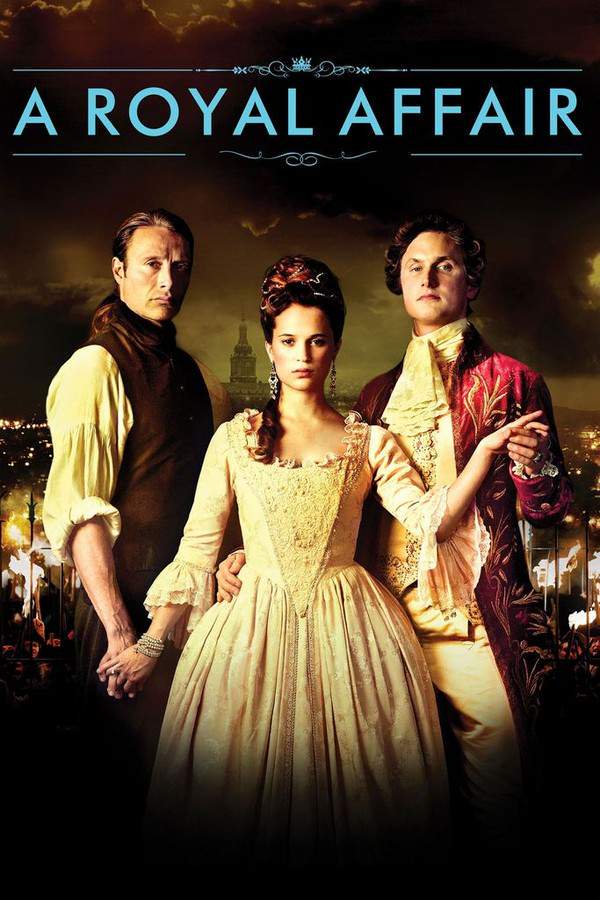
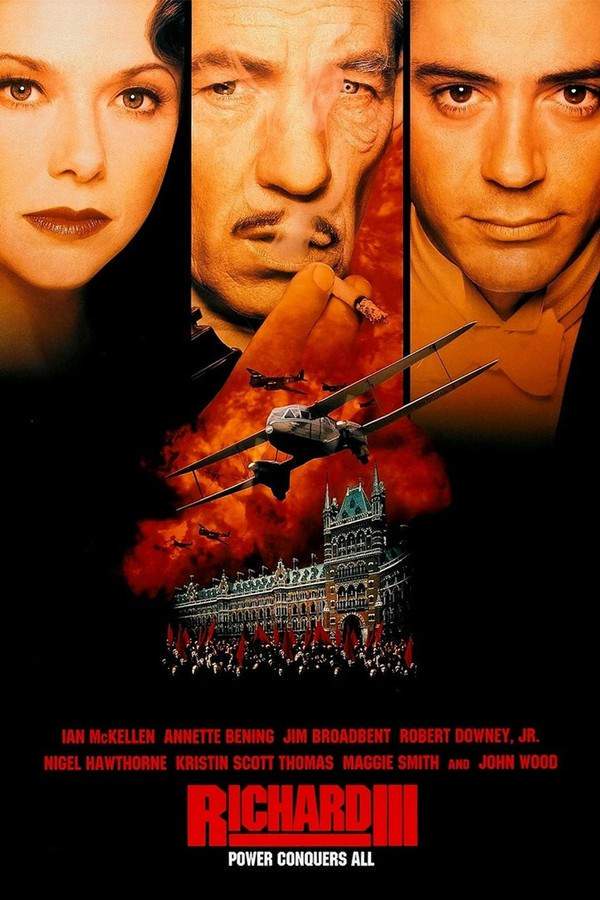
Movies about Defiant Art and Tyranny like The King and the Clown

Where humor, performance, or creativity become acts of rebellion against power. Fans of The King and the Clown will appreciate these films about artists using their craft as a weapon against oppression. Discover similar moving stories where satire, performance, and loyalty clash with corrupt power, leading to bittersweet and emotionally powerful conclusions.

  • defiant
  • tragic
  • tense
  • intimate
  • captivating
  • melancholic
  • Tone: dark, bittersweet, defiant
  • Pacing: variable, character-driven
Why these movies?

The story pattern: The narrative pattern revolves around artists whose work inadvertently or intentionally challenges authority. This sets them on a collision course with power, forcing them to use their talent not just for expression, but as a shield and a spear. The story explores the tension between the liberating, humanizing force of art and the oppressive force it defies, often culminating in a test where their art must literally save their lives, leaving a lasting impact of both loss and enduring spirit.

Why they belong together: These films are united by the powerful theme of art as resistance. They blend a dark, tense tone with moments of defiant beauty and humor born from creativity. The shared experience is the emotional weight of watching individuals risk everything for their artistic expression and the bonds it creates or destroys.

If you liked this

Movies Like The King and the Clown

Similar movies to The King and the Clown: the same genre, themes or kind of story. Each one comes with its own plot summary, timeline and ending explained.

Browse all movie summaries

Every angle

The King and the Clown (2005) Explained: Plot, Timeline & Characters

Everything about The King and the Clown in one place: what happens in the plot summary, the timeline in chronological order, the characters and meaning and a spoiler-free summary. What's After the Movie adds the cast, box office and post-credit scenes.

Coming soon on iOS and Android

The Plot Explained Movie Summary App

Plot summaries, endings explained and timelines on your phone. Catch up on any movie in minutes, save your favorites and never miss a twist again.

Be the first to know when we launch. Your email stays private, always.

Learn more about the app