Amidst the civil war between the York and Lancaster houses in 1930s England, Richard III’s ambition fuels a ruthless power struggle. Driven by an insatiable desire for the throne, he orchestrates a plot to seize control. His ascent is challenged by rivals, including his own brother, nephews, and their mother. As betrayals mount, Richard’s calculated schemes spiral into a descent into chaos, threatening his carefully laid plans.
Find where to stream, rent, or buy Richard III (1956) in the US with current JustWatch availability, up-to-date pricing, and platform listings for subscription, rental, and digital purchase options.
Warning: spoilers below!
Haven’t seen Richard III yet? This summary contains major spoilers. Bookmark the page, watch the movie, and come back for the full breakdown. If you're ready, scroll on and relive the story!
Read the complete plot breakdown of Richard III (1956), including all key story events, major twists, and the ending explained in detail. Discover what really happened, and what it all means.
The film opens with the iconic London Films logo, as the famous Big Ben tolls the hour, setting a dramatic tone. As the credits roll on a parchment, we are presented with a thought-provoking quote that reminds us of the significance of legends:
> "The history of the world, like letters without poetry, flowers without perfume, or thought without imagination, would be a dry matter indeed without its legends, and many of these, though scorned by proof a hundred times, seem worth preserving for their own familiar sakes."
The narrative transports us back to the 15th Century in England, specifically to a time marked by the strife between rival factions competing for the English crown, a saga known as the Wars of the Roses. The House of Lancaster is represented by the Red Rose, while the House of York is symbolized by the White Rose. As the story unfolds, the White Rose of York is nearing its zenith, which serves as the backdrop to inspire the great playwright William Shakespeare.
The scene transitions to the solemn moment of Edward IV's (portrayed by Cedric Hardwicke) coronation, where he is surrounded by a court filled with his siblings and noblemen. Among them is Richard, Duke of Gloucester (played by Laurence Olivier), who shares a subtle exchange of glances with the Duke of Buckingham (portrayed by Ralph Richardson). Richard, feeling the weight of his family dynamics, follows his newly crowned brother into the throne room. There, both he and his other brother, George, Duke of Clarence (played by John Gielgud), express their affections towards Edward's children, depicted by Paul Huson and Andy Shine. The Queen (played by Mary Kerridge) observes this familial display.
However, Richard's sentiments diverge from the celebratory atmosphere. As the rest of the court, except for him, departs the throne room to join Edward on a parade for the common people, Richard remains behind. In this moment of solitude, he introspectively shares his thoughts directly with the audience, hinting at the inner turmoil and ambitions that will shape the conflict to come. As the intrigue begins to unfold, we are left anticipating the events that will arise from the shadows of power and ambition in the royal court.
Last updated: May 28, 2025 at 19:07
Explore frequently asked questions about Richard III (1956) with spoiler-rich answers covering the full plot summary, major story beats, character motivations, hidden details, and ending meaning. This movie summary FAQ helps explain confusing scenes, plot twists, and narrative decisions in clear, searchable detail.
Richard remains in the throne room because he feels alienated from the celebration and his family. While the rest of the court joins Edward in the streets to celebrate with the common people, Richard's internal turmoil and resentment keep him isolated. This moment establishes his role as an outsider within his own family and foreshadows his future machinations against his brother.
This isolation at the coronation sets the stage for Richard's later manipulation of the court and his progressive separation from his family.
In his opening soliloquy, Richard directly addresses the audience to reveal his innermost thoughts about power and family. He speaks of his ambition, his envy of his brother's position, and his desire for the throne. This monologue establishes Richard as a cunning, ambitious character who is willing to manipulate and scheme to achieve his goals, while also presenting himself as an outsider who perceives himself as overlooked despite his noble status.
The themes of ambition and resentment introduced here drive Richard's entire arc throughout the film.
The meaningful glances exchanged between Richard and Buckingham during the coronation signal the beginning of their political alliance. Buckingham, a powerful nobleman, is already aligned with Richard's interests despite Edward being the newly crowned king. This subtle communication suggests they share secret intentions and that Richard has already begun cultivating important relationships to further his schemes.
This initial connection between Richard and Buckingham foreshadows their partnership in the political maneuvers and murders that will follow.
The Wars of the Roses was a series of civil wars in 15th century England fought between two rival houses: the House of Lancaster, symbolized by the Red Rose, and the House of York, symbolized by the White Rose. The film takes place as the White Rose of York is reaching its peak power with Edward IV's coronation. This historical context establishes the volatile political environment where power constantly shifts through murder, betrayal, and marriage alliances, providing the backdrop for Richard's ruthless ascent.
Richard's feelings about Edward's coronation are complex and deeply resentful. While he appears at the coronation and participates in the formal court proceedings, his internal monologue reveals jealousy and ambition. He resents that Edward, not himself, sits on the throne, and he clearly believes he is more deserving of power. This resentment fuels his willingness to scheme against his own family to seize the crown.
Richard's envy of Edward's position is the driving force behind his future actions against his brother and nephews.
Richard's isolation stems from both his physical appearance, which he references as having been mocked or seen as unkingly, and his psychological separation from his family. While his brothers Edward and George are celebrated and surrounded by courtly favor, Richard stands apart. His introspective nature and his willingness to think beyond the surface celebrations create a divide between him and the rest of the court. This isolation also reflects his own choice to remove himself from the festivities, deepening his role as an outsider.
Richard's relationship with George, Duke of Clarence, appears complex. During the coronation, Richard watches George affectionately interacting with Edward's children, which may indicate both genuine familial bonds and strategic observation. While Richard and George both share discontent, they are not outright allies at this point. Richard will later manipulate circumstances to have Clarence imprisoned and eventually murdered, showing how quickly familial bonds can dissolve in pursuit of power.
The tension between Richard and Clarence foreshadows the betrayal and murder of Clarence that occurs later in the film.
Queen Elizabeth (played by Mary Kerridge) observes the familial display during the coronation, particularly the interactions between the royal brothers and Edward's children. As Edward's wife and future mother to his heirs, she occupies a position of significant influence. Her presence and observations hint at the political vulnerabilities that Richard will later exploit, as the Queen represents both the current royal lineage and potential competition for power.
Richard's direct address to the audience is a Shakespearean convention that serves multiple purposes. It immediately establishes him as the protagonist of the story despite being its villain. It allows the audience into his psychological world, revealing his ambitions, resentments, and schemes before other characters become aware of them. This narrative technique creates dramatic irony, as the audience knows Richard's true intentions while the other characters remain oblivious.
The soliloquy sets up the audience's awareness of Richard's scheming, creating tension for what unfolds.
Richard's desire for the throne appears driven by a combination of legitimate grievance and twisted logic. He believes himself overlooked despite his abilities, and he views his physical differences from his handsome brothers as having cost him the crown. His monologue suggests he sees taking the throne not merely as ambition but as a form of justice for perceived wrongs against him. This psychological justification makes him more dangerous, as he views his schemes as righteous rather than merely corrupt.
Discover curated groups of movies connected by mood, themes, and story style. Browse collections built around emotion, atmosphere, and narrative focus to easily find films that match what you feel like watching right now.
Stories chronicling a character's ruthless and methodical climb to power.Explore movies like Richard III that delve into the dark psychology of a character's ruthless ascent to power. If you enjoyed the calculated schemes and moral collapse in Richard III, you'll find similar stories of ambition, betrayal, and tyranny here.
The narrative follows an anti-hero's single-minded pursuit of a goal, often a throne or position of absolute authority. Their journey is marked by a series of cold, calculated moves against friends and family, leading to a climax where their newfound power is threatened by the very chaos they created.
Movies are grouped here for their shared focus on a character-driven narrative of ambition and moral corruption. They share a dark tone, steady pacing that builds tension, and a heavy emotional weight stemming from the protagonist's destructive actions.
High-stakes stories of power struggles ending in devastating collapse.Find movies similar to Richard III that capture the grim atmosphere of political decay and tragic endings. If you liked the high-stakes betrayal and somber mood of Richard III, this collection features other heavy historical and political tragedies.
These narratives unfold in politically charged settings, often royal courts or governments, where the quest for dominance leads to a chain of betrayals and murders. The story builds steadily towards an inevitable downfall, leaving a trail of destruction and a somber, sad conclusion.
These films are united by their dark, heavy tone and focus on the tragic mechanics of power. They share a high intensity driven by life-or-death stakes, a steady pacing that allows schemes to unfold, and a ultimately sad or bleak ending feel.
Don't stop at just watching - explore Richard III in full detail. From the complete plot summary and scene-by-scene timeline to character breakdowns, thematic analysis, and a deep dive into the ending - every page helps you truly understand what Richard III is all about. Plus, discover what's next after the movie.
Track the full timeline of Richard III with every major event arranged chronologically. Perfect for decoding non-linear storytelling, flashbacks, or parallel narratives with a clear scene-by-scene breakdown.
Discover the characters, locations, and core themes that shape Richard III. Get insights into symbolic elements, setting significance, and deeper narrative meaning - ideal for thematic analysis and movie breakdowns.
Discover movies like Richard III that share similar genres, themes, and storytelling elements. Whether you’re drawn to the atmosphere, character arcs, or plot structure, these curated recommendations will help you explore more films you’ll love.
Richard III (1956) Scene-by-Scene Movie Timeline
Richard III (1956) Movie Characters, Themes & Settings
Richard III (1956) Spoiler-Free Summary & Key Flow
Movies Like Richard III – Similar Titles You’ll Enjoy
The King (2019) Movie Recap & Themes
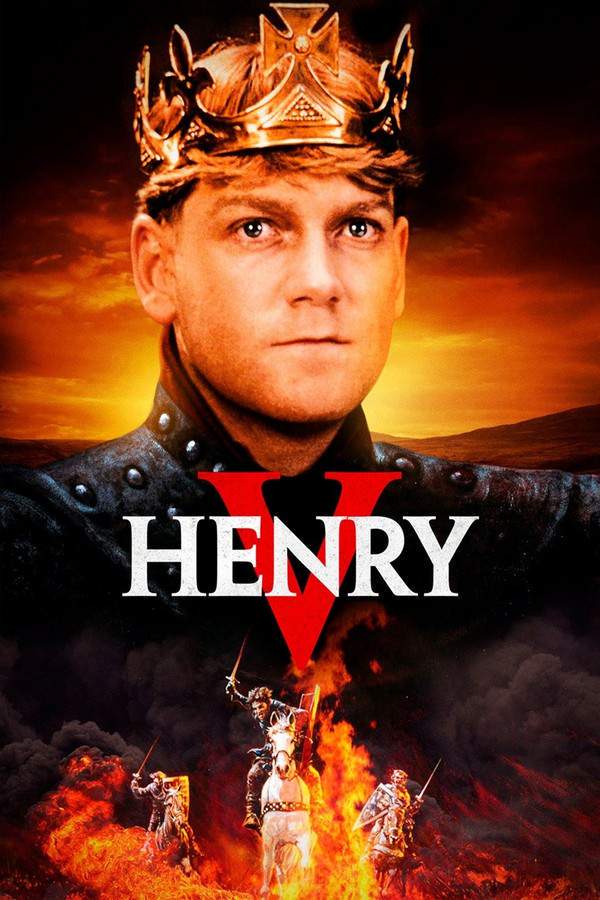
Henry V (1989) Film Overview & Timeline
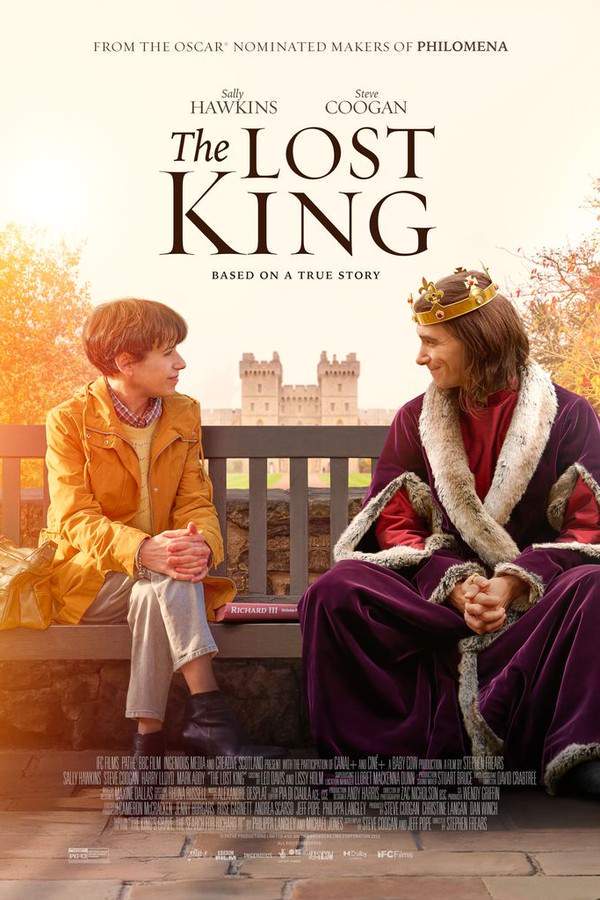
The Lost King (2023) Plot Summary & Ending Explained
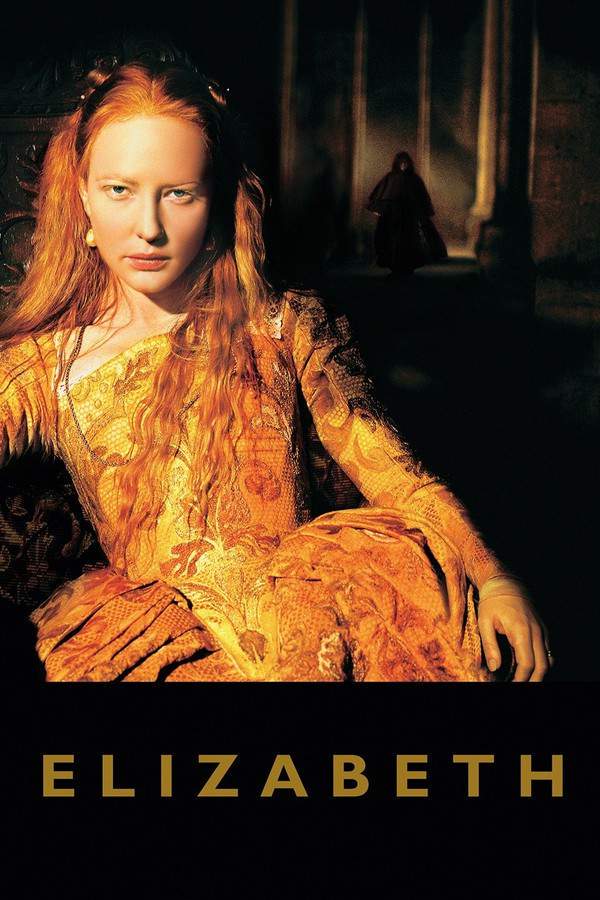
Elizabeth (1998) Film Overview & Timeline
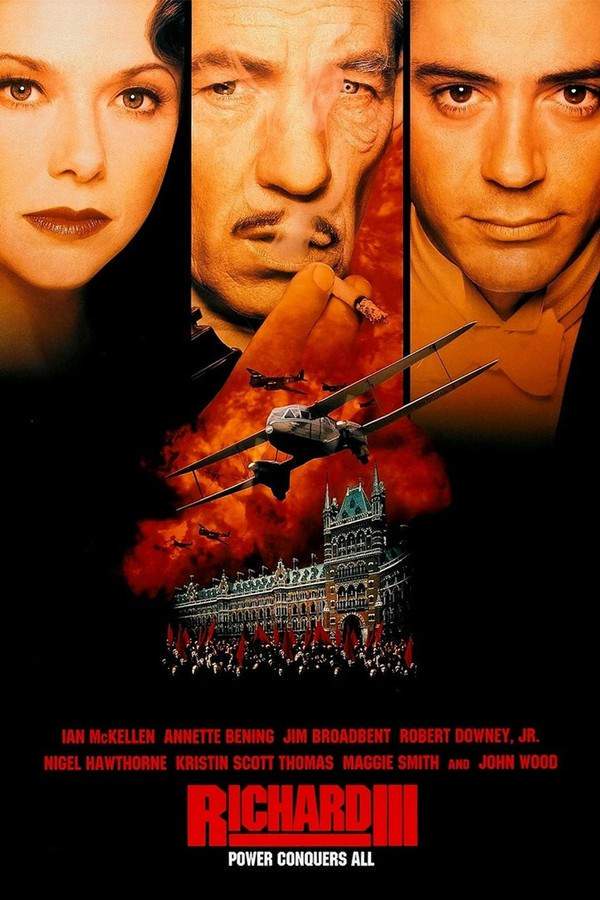
Richard III (1995) Full Movie Breakdown
The Tragedy of Richard III (1983) Detailed Story Recap
The Life and Death of King Richard III (1912) Plot Summary & Ending Explained
Richard III (1911) Detailed Story Recap
Richard III (1911) Complete Plot Breakdown
Henry V (1944) Full Summary & Key Details
Richard II (1978) Plot Summary & Ending Explained
King Richard and the Crusaders (1954) Complete Plot Breakdown
The Tragedy of King Richard II (1970) Detailed Story Recap
The Wars of the Roses (1965) Spoiler-Packed Plot Recap
Tower of London (1939) Full Summary & Key Details