Year: 1978
Runtime: 72 mins
Language: Italian
Director: Federico Fellini
The orchestra gathers for a rehearsal in an ancient chapel, performing the work titled “The Decline of the West in C# Major,” while a TV documentary crew records the proceedings. Amid the solemn session, an unexpected uprising erupts, throwing the rehearsal and filming into chaos.
Warning: spoilers below!
Haven’t seen Orchestra Rehearsal yet? This summary contains major spoilers. Bookmark the page, watch the movie, and come back for the full breakdown. If you're ready, scroll on and relive the story!
Read the complete plot breakdown of Orchestra Rehearsal (1978), including all key story events, major twists, and the ending explained in detail. Discover what really happened—and what it all means.
An off-screen Italian television camera crew (voice enacted by Fellini) conducts documentarian-style roving interviews with musicians preparing for a low-budget rehearsal in a run-down auditorium, a space once a 13th-century church and now slated for demolition. The film unfolds as a mosaic of candid, often caustic conversations, where each musician defends their own instrument as the indispensable heartbeat of the group, and where personal memories and spiritual attitudes toward music shape every comment. The atmosphere is intimate, wry, and stubbornly human, even as the surroundings—dusty pews, peeling paint, and a sense of decayed grandeur—underline the stakes of their craft.
The conductor arrives, Balduin Baas, speaking Italian with an affected German accent, and immediately asserts theatrical control over the rehearsal. He is theatrically critical of the planned performance and quarrels with on-site trade union representatives, pushing the players toward a level of precision that verges on absurd abstraction. Under his exacting gaze, several musicians strain so hard that they shed layers of clothing in a visible show of weariness and resolve, a stark image of the toll exacted by his regime of discipline.
As tensions rise, the union reps intervene, loudly protesting the conductor’s approach and announcing a 20-minute double break to calm the fevered energy in the room. The film’s roving perspective follows the players as they drift to a nearby tavern, where their conversations drift from technique to ideology, revealing how deeply music is woven into their identities and worldviews. Back in the wings, a backstage interview gives voice to the defeated conductor, who speaks of the paradoxes and contradictions of leadership and the subjective power of music, just as a sudden power outage plunges the building into darkness and forces a hurried return to the hall.
What follows is a lurid, almost cinematic reversal of the rehearsal’s purpose: the once-pristine space has been thoroughly defaced with spray-painted revolutionary slogans, while rubbish and debris are flung about as the musicians chant a discordant chorus of protest—first against their oppressive taskmaster, then against music itself. The chant is jaw-dropping in its audacity and sincerity, and the mood thickens around a single recurring line that sears into the scene: > The music in power, not the power of music!
The chaos escalates into violence, and the film builds to a violent crescendo of gunshots and in-fighting. An enormous wrecking ball—an almost mythical, god-like instrument of demolition—crashes through the wall at the altar of the former church, and the catastrophe claims the harpist, Clara Colosimo, beneath a crushing avalanche of rubble. The others pause in a haze of dust and silence, gazing at the ruin and the sudden, brutal cost of their rebellion.
As the dust settles, the remaining musicians confront the tragedy with a sober resolve, their breath echoing in the hall’s bones. The conductor steps forward to deliver a speech that reframes music as a means to endure life’s pain, to discover strength, identity, and guidance within its fated notes. Against all odds, the ensemble nevertheless takes up their instruments and delivers a tour de force performance, a moment of redemptive power born from catastrophe.
Yet even as the music surges, the film circle tightens around its broader implication: the conductor’s earlier rhetoric of praise softens into a renewed, almost clinical demand for perfection, his tone returning to sharp, dictatorial German cadences as he presides over the final moments of the scene. The on-screen events lean into a pointed political allegory, suggesting that the battle over art contains a subtler struggle over power itself, a tension that lingers as the screen fades to black and the score swells into its closing cadence.
Last Updated: October 09, 2025 at 11:25
Discover curated groups of movies connected by mood, themes, and story style. Browse collections built around emotion, atmosphere, and narrative focus to easily find films that match what you feel like watching right now.
Stories where a small, confined group becomes a pressure cooker for wider societal breakdown.If you liked the way Orchestra Rehearsal used a chaotic rehearsal to mirror societal collapse, you'll appreciate these movies. This list features films where a small, confined group or setting becomes a powerful allegory for larger societal power struggles, disillusionment, and decay, creating intense, thought-provoking dramas.
The narrative typically follows a group of people in an isolated or confined setting (a room, a ship, an institution) whose orderly existence is disrupted by internal tensions and power struggles. This conflict escalates, mirroring a larger societal breakdown, and culminates in a chaotic climax that questions authority and the nature of collective action, often leaving a bittersweet or bleak aftermath.
These movies are grouped together because they share a specific narrative structure: using a small-scale scenario as a dense, allegorical lens for broader themes. They combine intellectual critique with high emotional intensity, a dark tone, and a claustrophobic mood, resulting in a powerful and anxiety-inducing viewing experience.
Cynical explorations of the messy, often destructive relationship between creative expression and authority.Fans of Orchestra Rehearsal's cynical take on artistic creation and power will find similar themes here. These movies are dark satires that explore the chaos, pretension, and power struggles within creative worlds, combining intellectual humor with a heavy, often melancholic mood and complex character dynamics.
Stories in this thread often revolve around an artistic process—a rehearsal, a production, a creation—that is fundamentally disrupted by egos, ideological clashes, or authoritarian control. The narrative uses this disruption for satirical effect, exposing the fragility of artistic collaboration and the often-tyrannical nature of creative control, leading to outcomes that are as intellectually stimulating as they are emotionally resonant.
These films are united by their darkly comedic and critical perspective on artistic endeavors. They share a specific tone blend of sardonic humor and heavy drama, a focus on power dynamics within creative settings, and a thematic interest in disillusionment and the cost of artistic expression, making the viewing experience both thought-provoking and emotionally charged.
Don't stop at just watching — explore Orchestra Rehearsal in full detail. From the complete plot summary and scene-by-scene timeline to character breakdowns, thematic analysis, and a deep dive into the ending — every page helps you truly understand what Orchestra Rehearsal is all about. Plus, discover what's next after the movie.
Track the full timeline of Orchestra Rehearsal with every major event arranged chronologically. Perfect for decoding non-linear storytelling, flashbacks, or parallel narratives with a clear scene-by-scene breakdown.
Discover the characters, locations, and core themes that shape Orchestra Rehearsal. Get insights into symbolic elements, setting significance, and deeper narrative meaning — ideal for thematic analysis and movie breakdowns.
Get a quick, spoiler-free overview of Orchestra Rehearsal that covers the main plot points and key details without revealing any major twists or spoilers. Perfect for those who want to know what to expect before diving in.
Visit What's After the Movie to explore more about Orchestra Rehearsal: box office results, cast and crew info, production details, post-credit scenes, and external links — all in one place for movie fans and researchers.
Discover movies like Orchestra Rehearsal that share similar genres, themes, and storytelling elements. Whether you’re drawn to the atmosphere, character arcs, or plot structure, these curated recommendations will help you explore more films you’ll love.
Orchestra Rehearsal (1978) Scene-by-Scene Movie Timeline
Orchestra Rehearsal (1978) Movie Characters, Themes & Settings
Orchestra Rehearsal (1978) Spoiler-Free Summary & Key Flow
Movies Like Orchestra Rehearsal – Similar Titles You’ll Enjoy
The Concert (2010) Film Overview & Timeline
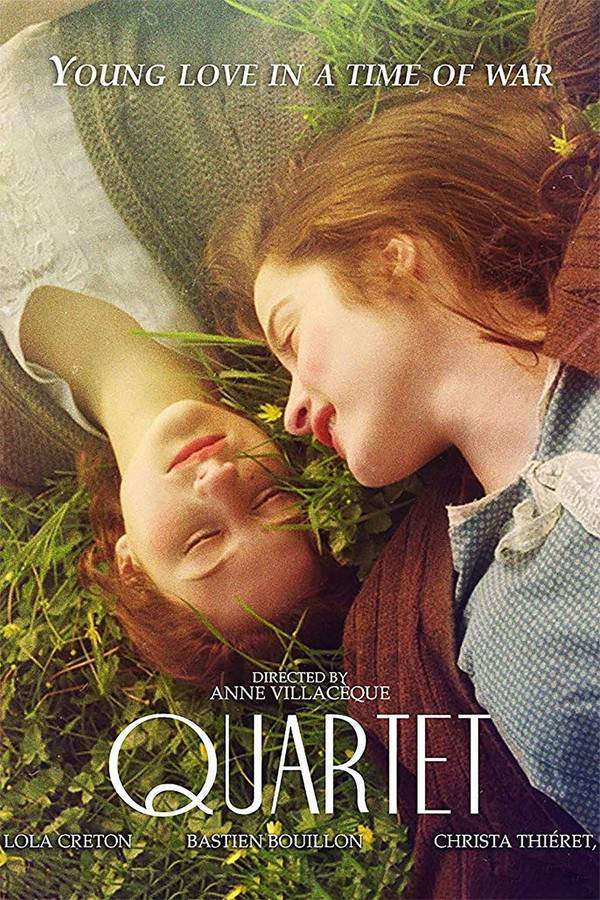
Quartet (2012) Movie Recap & Themes
The Audition (2019) Complete Plot Breakdown
Concerto Campestre (2005) Film Overview & Timeline
The Orchestra (1990) Full Summary & Key Details
The Conductor (1980) Spoiler-Packed Plot Recap
The Mozart Brothers (1986) Movie Recap & Themes
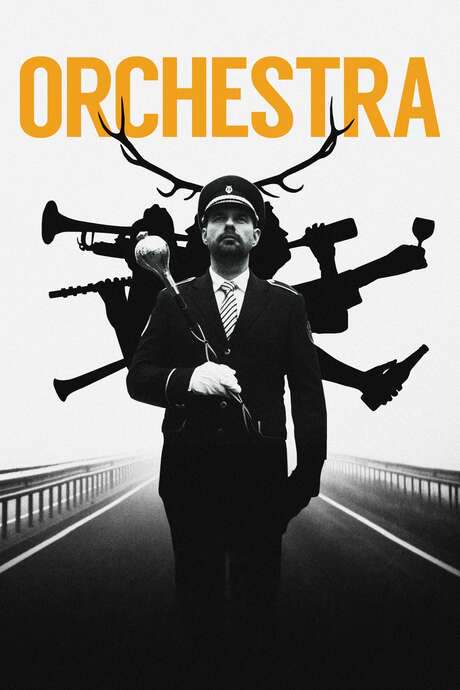
Orchestra (2021) Spoiler-Packed Plot Recap
Grand Finale (2024) Film Overview & Timeline
The Organ (1965) Full Summary & Key Details
Rehearsals for War (1998) Complete Plot Breakdown
Orchestra Wives (1942) Full Movie Breakdown
Audition (1964) Detailed Story Recap
The Drummer of Ravel’s Boléro (1992) Full Movie Breakdown
Pastorale (1975) Complete Plot Breakdown