Plot Explained Spoilers guaranteed!
Plot Explained

Browse by genre

The King and the Clown (2005) movie poster

Timeline

The King and the Clown (2005) Timeline Explained – Every Event in Order

Release, runtime and language
2005 · 121 mins · Korean
Directed by
Lee Joon-ik
Starring
Woo Hyeon, Seo Seung-won, Yoo Hai-jin, Choi Il-hwa, Jung Jin-young, Shin Jung-keun

A forbidden love and opulent tragedy unfold when two court jesters in the Joseon era are jailed for presenting a satire of the monarch. Brought before the king, they face execution unless they can coax a smile from him. Their lives hinge on a daring performance that tests loyalty, humor and the perilous politics of the palace.

On this page (5)
  1. 1 Events in order (14)
  2. 2 Timeline questions answered
  3. 3 Movie threads
  4. 4 Movies like The King and the Clown
  5. 5 Every angle

14 events in order · contains spoilers

The King and the Clown Timeline: Events in Chronological Order

Every key event of The King and the Clown (2005) in order, scene by scene, with when and where it takes place. Use it to untangle flashbacks, time jumps and parallel storylines, to refresh your memory before the sequel or to find the exact scene you are thinking of.

  1. Formation of a new troupe after the manager's death

    Two male street clowns, Jangsaeng and Gong-gil, escape to Seoul after their manager is killed during a confrontation over Gong-gil's exploitation. They flee with their fellow performers and form a new troupe with three other street artists. Their aim is to find a safer stage for their art and preserve the bond they share.

    When
    late 15th century
    Where
    Seoul
  2. First bold skit lampoons the royal court

    The troupe crafts a daring performance that mocks members of the royal court, including King Yeonsan and his favorite Jang Nok-su. The act provokes a treason charge and severe flogging for the performers. This defiant choice forces them to confront the dangers of court politics.

    When
    late 15th century
    Where
    Hanseong royal court
  3. Deal with Choseon to entertain the king or die

    Facing execution after the treason accusation, Jangsaeng strikes a tense bargain with the king's consultant, Choseon, to entertain the monarch in exchange for clemency. The troupe travels to perform at court, enduring pressure as they prepare. Their fate hinges on whether their art can win the king's favor.

    When
    early in their court engagement
    Where
    Palace, Hanseong
  4. The king's initial amusement and invitation to join the court

    They perform for the king, and although the three minor performers crack under pressure, the act finally pleases the monarch. The king laughs and invites Jangsaeng and Gong-gil to join his court, setting their path toward power and danger. This invitation seals their trajectory with the royal household.

    When
    early in court engagement
    Where
    King's audience chamber, palace
  5. Growth of the troupe and recruitment

    Emboldened by the court's laughter, the two clowns recruit more performers and distribute flyers seeking new members. They build a larger group that travels the city, spreading their art and widening the social reach of street performance. The troupe's audacity grows as their fame spreads.

    When
    after joining the court
    Where
    Seoul streets and royal court
  6. Discovery of shared handwriting

    The troupe notices Jangsaeng and Gong-gil share identical handwriting, an accidental skill learned by watching Gong-gil write. This becomes a subtle clue to their deep bond and shared history. Their close connection heightens tension among rivals within the troupe and at court.

    When
    during early performances
    Where
    Backstage/workspace
  7. A new skit exposes court corruption

    A new performance mocks council members for taking costly gifts in exchange for favors, exposing court corruption. The king delights in the satire, but the council members are enraged, and a corrupt minister is publicly punished—his fingers severed and displayed as a warning. The incident unsettles the court's fragile balance.

    When
    after the troupe's rise
    Where
    Royal court theater
  8. Gong-gil's proximity to the king unsettles the troupe

    The king's obsession with Gong-gil deepens as he is summoned to the private chambers for finger puppet shows. Jangsaeng grows anxious over the king's fluctuating favor and the danger it poses to Gong-gil and the troupe. The relationship at court becomes a source of tension and risk.

    When
    during their court years
    Where
    Palace private chambers
  9. Brutal performance about the former king's mother

    A brutal production directed by Choseon depicts the former king's mother being poisoned after a palace conspiracy; the Queen Mother dies from the shock. The troupe's work escalates the danger surrounding the royal family. Jangsaeng pleads for Gong-gil to leave, but Gong-gil wavers amid the court's peril.

    When
    during the productions under Choseon
    Where
    Palace stage
  10. Nok-su's manipulation leads to Gong-gil's arrest

    Nok-su orchestrates Gong-gil's arrest by releasing flyers bearing Gong-gil's handwriting. To protect his friend, Jangsaeng takes the fall and faces a death sentence himself. Choseon privately assists Jangsaeng's escape, urging him to forget Gong-gil and flee the palace.

    When
    climax of their first wave of danger
    Where
    Royal court
  11. Jangsaeng's rooftop defiance and arrest

    Choseon helps Jangsaeng escape temporarily, but he returns to the rooftop to mock the king in a bold, defiant act. The king shoots arrows at him, and Jangsaeng is captured again and imprisoned, his eyes burned as punishment. The episode deepens the tragedy and tests their bond.

    When
    immediately following escape
    Where
    Rooftop and palace dungeons
  12. Gong-gil's suicide attempt and Choseon's fate

    Gong-gil attempts suicide but is saved by palace doctors; the king's interest in him wanes, and he returns to Nok-su. Choseon has already taken his own life, refusing to join a coup against the king. The palace's political intrigue continues behind the scenes.

    When
    after the arrest
    Where
    Palace infirmary; palace corridors
  13. Climactic Jungjong coup and the tightrope ascent

    With Jangsaeng blindfolded on the rope, the two performers recount their trials as Gong-gil joins him mid-air. In the climactic Jungjong coup, their artistry momentarily dizzying the king. They leap from the rope as the palace erupts around them, facing the end of an era and the fragile dawn of another.

    When
    during Jungjong coup
    Where
    Palace rooftops during coup
  14. Final reunion and renewed bond

    In the aftermath, the troupe reunites with surviving friends. They joke, sing, and dance as they walk away into the distance, renewed by their shared history. They believe their clowning can endure in a world of court intrigue and peril.

    When
    after coup
    Where
    Outskirts of the city

Last updated: October 09, 2025 at 16:46

Was this helpful?

Timeline questions answered

The King and the Clown Timeline Explained: Your Questions Answered

When does it happen, and why in that order? The questions people ask about the chronology of The King and the Clown (2005): time jumps, flashbacks, cause and effect between scenes and the correct order of events, each answered with spoilers.

Q1

Why does Jangsaeng kill the manager?

Jangsaeng kills the manager after discovering he has been prostituting Gong-gil for profit. When Jangsaeng intervenes to protect his friend from this exploitation, a confrontation ensues and the manager is killed. This violent act forces Jangsaeng and Gong-gil to flee their hometown and seek refuge in Seoul, setting the entire narrative in motion.

Foreshadowing: The manager's exploitation of Gong-gil establishes the pattern of powerful figures using the clowns for their own purposes, a theme that repeats throughout the story.

  • jansaeng
  • manager
  • death
  • gong-gil
  • prostitution
  • protection
  • flee
Q2

Why does the king become obsessed with Gong-gil?

King Yeonsan becomes fascinated with Gong-gil after their successful court performance. Gong-gil's ability to captivate audiences in female roles, combined with his delicate appearance and exceptional artistry, draws the king's attention. The king begins summoning Gong-gil to his private chambers for finger puppet shows, indicating a personal fascination that goes beyond mere artistic appreciation.

Foreshadowing: Earlier scenes establishing Gong-gil's skill in female roles and his striking appearance foreshadow his appeal to the king.

  • king yeonsan
  • gong-gil
  • obsession
  • finger puppet
  • royal favor
Q3

Why does Jangsaeng take the blame for Gong-gil's crime?

Jangsaeng confesses to the crime (distributing the incriminating flyers) to protect Gong-gil when Nok-su orchestrates Gong-gil's arrest using flyers written in his handwriting. Despite being innocent of that specific act, Jangsaeng voluntarily accepts the death sentence to shield his friend, demonstrating the depth of his loyalty and love for Gong-gil.

Foreshadowing: The earlier discovery of their identical handwriting-planted as a subtle clue to their bond-becomes the very tool used to frame Gong-gil.

  • jansaeng
  • gong-gil
  • confession
  • death sentence
  • nok-su
  • handwriting
  • loyalty
Q4

Why does the Queen Mother die during the performance about the former king?

The Queen Mother dies from shock when Choseon forces the troupe to perform a brutal skit depicting the former king's mother being poisoned in a palace conspiracy. Since Gong-gil plays the role of the former king's mother, the graphic and emotionally charged performance triggers a fatal shock in the Queen Mother, who witnesses the dramatization of her own potential fate.

Foreshadowing: This brutal performance marks a turning point where the clowns' art becomes a weapon of court politics rather than entertainment.

  • queen mother
  • death
  • performance
  • poison
  • choseon
  • gong-gil
  • shock
Q5

Why does Choseon help Jangsaeng escape and then commit suicide?

Choseon helps Jangsaeng escape because he has grown sympathetic to the clowns despite using them as political tools. He urges Jangsaeng to forget Gong-gil and flee the palace to survive. Later, Choseon commits suicide when asked to join a coup against the king, choosing death over participating in regicide. His actions reflect a man torn between survival, moral compromise, and ultimately unable to support violence against the monarch.

Foreshadowing: Choseon's refusal to join the coup foreshadows the violent political instability that characterizes King Yeonsan's reign.

  • choseon
  • escape
  • suicide
  • coup
  • jensaeng
  • loyalty
Q6

Why does Gong-gil attempt suicide after Jangsaeng's arrest?

Gong-gil attempts suicide because he is devastated by Jangsaeng's sacrifice and subsequent imprisonment. Knowing that Jangsaeng took the death sentence to protect him, and believing he has brought ruin to his friend, Gong-gil sees no way out of his despair. The suicide attempt also reflects his trapped position in the palace where he has lost both his freedom and his primary emotional anchor.

Foreshadowing: This event occurs immediately after Jangsaeng's arrest, showing how deeply their fates are intertwined.

  • gong-gil
  • suicide
  • attempt
  • jensaeng
  • arrest
  • despair
  • palace
Q7

What happens during the Jungjong coup and how do the clowns survive?

During the Jungjong coup, the king is distracted by Jangsaeng and Gong-gil's daring tightrope performance. With Jangsaeng blindfolded, the two clowns recount their shared trials while performing together mid-air. Their artistry momentarily mesmerizes the king as the palace erupts in chaos around them. In the climactic moment, they leap from the rope together, disappearing into the upheaval. Their survival and the troupe's later reunion suggest they escape during the confusion of the coup, which overthrows the tyrant king.

Foreshadowing: The earlier rooftop scene where Jangsaeng walks the tightrope while mocking the king establishes their skill and daring.

  • jungjong
  • coup
  • tightrope
  • performance
  • king
  • chaos
  • escape
Q8

Why does Jangsaeng return to the palace after escaping?

After Choseon helps him escape, Jansaeng returns to the palace rooftops to openly mock the king in a final act of defiance. This suicidal gesture serves multiple purposes: it redirects attention away from Gong-gil by drawing the king's wrath onto himself, it allows Jansaeng to perform his art one last time on his own terms, and it represents his refusal to abandon Gong-gil despite the opportunity to flee to safety.

Foreshadowing: This act of defiance mirrors their earlier rebellious performances and completes Jansaeng's arc as someone who prioritizes loyalty and artistic expression over personal survival.

  • jansaeng
  • escape
  • rooftop
  • mock
  • king
  • defiance
  • return
Q9

What is the nature of Jangsaeng and Gong-gil's relationship?

Jansaeng and Gong-gil share a deep, devoted bond that goes beyond friendship. They learned tightrope walking together, and their identical handwriting (developed because Jansaeng learned to write by watching Gong-gil) becomes a narrative clue to their intimacy. Jansaeng repeatedly risks his life to protect Gong-gil, ultimately taking a death sentence to save him. Their final act of leaping from the tightrope together symbolizes their unbreakable connection, with the film suggesting a romantic or at minimum a profoundly devoted partnership.

Foreshadowing: The detail about their shared handwriting hints at their constant proximity and Jansaeng's admiration for Gong-gil.

  • jansaeng
  • gong-gil
  • relationship
  • love
  • loyalty
  • handwriting
  • bond
Q10

Why does the king shoot arrows at Jangsaeng during his rooftop performance?

The king shoots arrows at Jansaeng because Jansaeng openly mocks him from the palace rooftop after escaping imprisonment. This act of defiance in full view of the court is an unforgivable insult to the monarch's authority. The king's use of arrows rather than simply having Jansaeng arrested demonstrates his personal rage and desire for violent retribution against someone who has humiliated him.

Foreshadowing: This violent reaction contrasts with earlier scenes where the king laughed at their performances, showing how far the relationship has deteriorated.

  • king
  • arrows
  • jansaeng
  • shoot
  • rooftop
  • mock
  • punishment
Q11

Why does the king's favor shift between Gong-gil and Jang Nok-su?

King Yeonsan's favor fluctuates between Gong-gil and Jang Nok-su throughout the story, reflecting his volatile and fickle nature. When the king becomes obsessed with Gong-gil, summoning him for private performances, Nok-su feels supplanted and orchestrates Gong-gil's downfall. After Gong-gil's suicide attempt saves his life but ends the king's interest, the king returns to Nok-su, who mocks his fickleness. This pattern demonstrates how the king's attention is driven by whim and entertainment rather than genuine connection.

Foreshadowing: Nok-su's jealousy and manipulation are established early when the clowns' first satire targets her as the king's favorite.

  • king
  • gong-gil
  • nok-su
  • favor
  • shift
  • jealousy
  • palace
Q12

What happens to the troupe at the end of the movie?

At the end, the surviving members of the troupe reunite after the Jungjong coup overthrows King Yeonsan. They walk away together into the distance, joking, singing, and dancing. While they have suffered losses, the final scene conveys hope and renewal-their bond endures despite everything, and they believe their clowning can survive even in a world filled with court intrigue and danger. The image is bittersweet but ultimately uplifting.

Foreshadowing: Earlier scenes showing the troupe's camaraderie and shared history foreshadow this reunion and their resilient spirit.

  • troupe
  • reunion
  • survive
  • ending
  • walk away
  • hope

Movie threads

More Movies Like The King and the Clown, by Mood & Story

Curated lists built around what makes The King and the Clown tick: the same mood, the same kind of story or the same emotional payoff. Each list explains why these movies belong together.

Dangerous Court Intrigue Movies like The King and the Clown

Stories where characters navigate the lethal power games of a royal court. If you enjoyed the high-stakes palace politics of The King and the Clown, explore these movies about characters surviving in treacherous royal courts. These similar historical dramas feature tense power struggles, defiant artists, and the tragic beauty of life under a tyrant.

  • oppressive
  • tense
  • tragic
  • defiant
  • captivating
  • melancholic
  • Tone: dark, tense, tragic
  • Pacing: variable, building tension
Why these movies?

The story pattern: Narratives in this thread typically follow intelligent but vulnerable characters thrust into the heart of a corrupt power structure. Their journey involves a delicate dance of survival, using satire, loyalty, or cleverness as weapons against overwhelming force. The climax often involves a daring confrontation or performance that tests their spirit, leading to bittersweet or tragic consequences that underscore the high cost of defiance.

Why they belong together: Movies are grouped here because they share a specific atmosphere of claustrophobic opulence and life-or-death tension within a royal setting. They focus on the intimate clash between individual expression (like art or love) and the crushing weight of absolute power, resulting in a captivating, melancholic, and emotionally heavy experience.
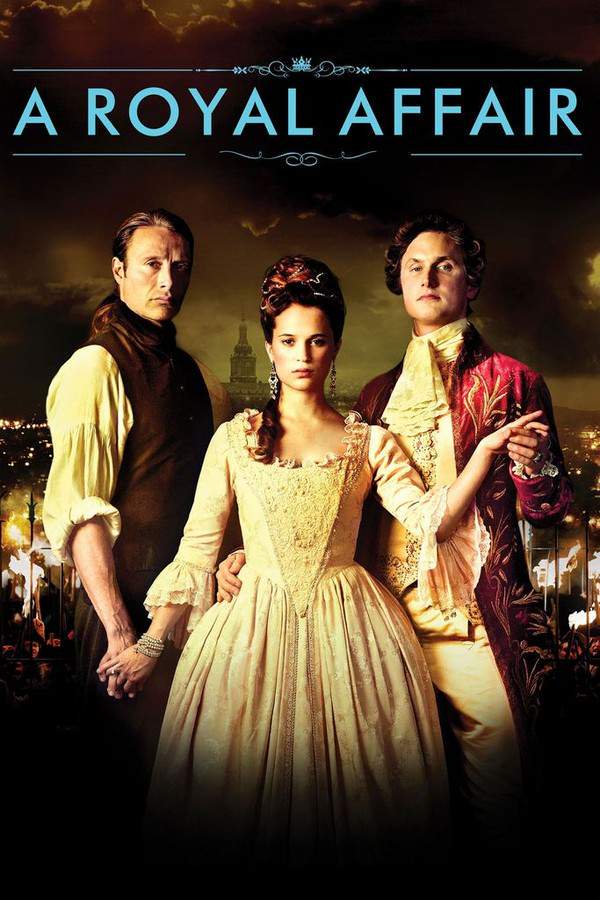
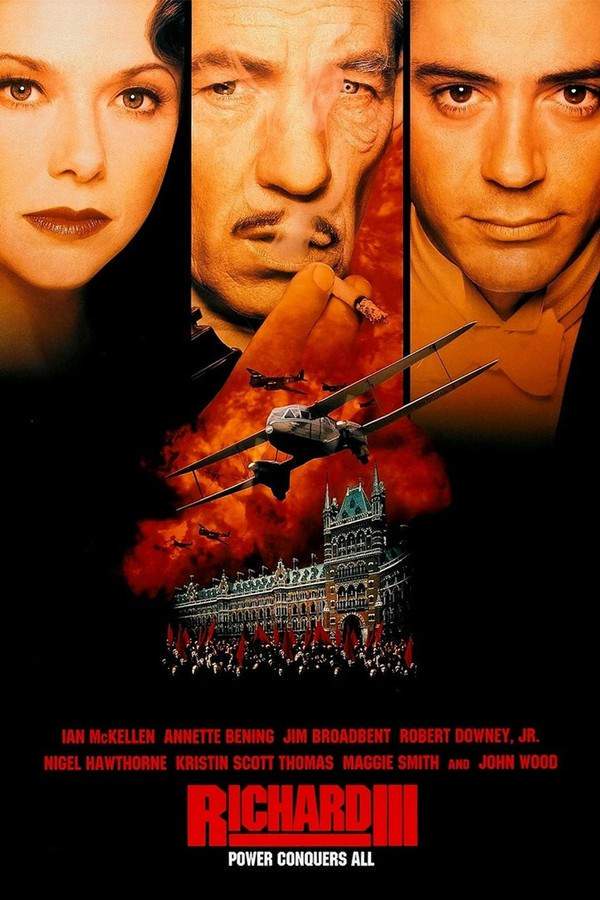
Movies about Defiant Art and Tyranny like The King and the Clown

Where humor, performance, or creativity become acts of rebellion against power. Fans of The King and the Clown will appreciate these films about artists using their craft as a weapon against oppression. Discover similar moving stories where satire, performance, and loyalty clash with corrupt power, leading to bittersweet and emotionally powerful conclusions.

  • defiant
  • tragic
  • tense
  • intimate
  • captivating
  • melancholic
  • Tone: dark, bittersweet, defiant
  • Pacing: variable, character-driven
Why these movies?

The story pattern: The narrative pattern revolves around artists whose work inadvertently or intentionally challenges authority. This sets them on a collision course with power, forcing them to use their talent not just for expression, but as a shield and a spear. The story explores the tension between the liberating, humanizing force of art and the oppressive force it defies, often culminating in a test where their art must literally save their lives, leaving a lasting impact of both loss and enduring spirit.

Why they belong together: These films are united by the powerful theme of art as resistance. They blend a dark, tense tone with moments of defiant beauty and humor born from creativity. The shared experience is the emotional weight of watching individuals risk everything for their artistic expression and the bonds it creates or destroys.

If you liked this

Movies Like The King and the Clown

Similar movies to The King and the Clown: the same genre, themes or kind of story. Each one comes with its own plot summary, timeline and ending explained.

Browse all movie summaries

Every angle

The King and the Clown (2005) Explained: Plot, Timeline & Characters

Everything about The King and the Clown in one place: what happens in the plot summary, the timeline in chronological order, the characters and meaning and a spoiler-free summary. What's After the Movie adds the cast, box office and post-credit scenes.

Coming soon on iOS and Android

The Plot Explained Movie Summary App

Plot summaries, endings explained and timelines on your phone. Catch up on any movie in minutes, save your favorites and never miss a twist again.

Be the first to know when we launch. Your email stays private, always.

Learn more about the app