
The Art of Self Defense
Year: 1941
Runtime: 8 mins
Language: English
Director: Jack Kinney
Goofy takes a lighthearted look at self defense through the ages: cavemen, knights, the age of chivalry, and finally boxing.
Warning: spoilers below!
Haven’t seen The Art of Self Defense yet? This summary contains major spoilers. Bookmark the page, watch the movie, and come back for the full breakdown. If you're ready, scroll on and relive the story!
The Art of Self Defense (1941) – Full Plot Summary & Ending Explained
Read the complete plot breakdown of The Art of Self Defense (1941), including all key story events, major twists, and the ending explained in detail. Discover what really happened—and what it all means.
Sure! Here’s a rephrased, detailed synopsis of your provided movie summary, formatted in markdown for easy reading and visual appeal:
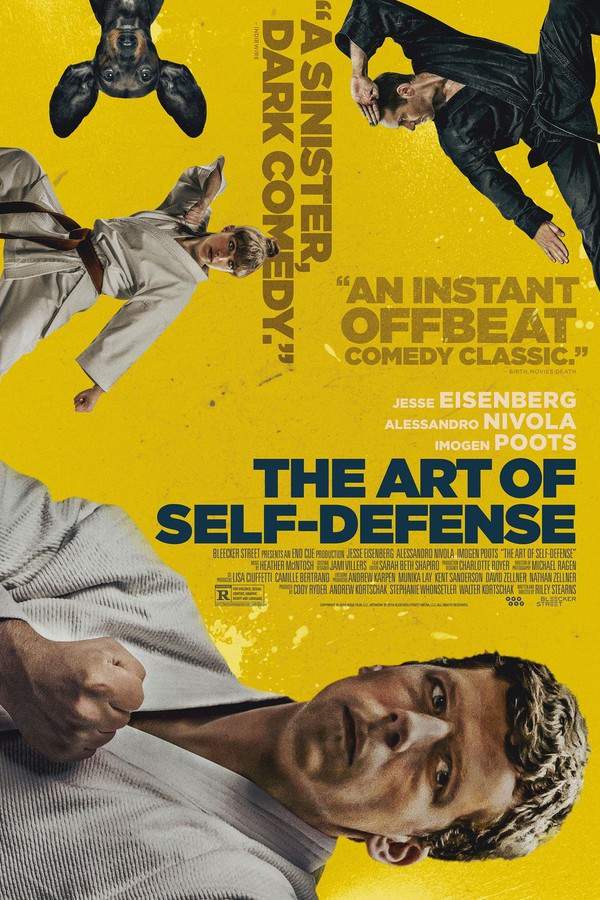
In the opening scenes, the film introduces us to Casey Davies (/actor/jesse-eisenberg), a timid and somewhat socially awkward accountant who often finds himself feeling out of place. He’s shown dining alone at a local diner, where a French couple sitting nearby engage in a curious game—they imagine what kind of person he might be, speaking in their native language, which subtly hints at the film’s themes of perception and identity. Afterward, Casey attempts to learn French on a cassette tape, learning a phrase that pleads in French not to be hurt because he’s just a tourist, foreshadowing his vulnerability throughout the story.
Casey’s mundane life revolves around work, where he struggles to connect with his coworkers. When he tries to engage them in conversation, they dismiss him, especially after learning he audits their expenses. Living in solitude with only his loyal dachshund, he notices his pet is out of food and heads to the pet store. On his way, he’s approached by two men on motorcycles; one asks him if he has a gun, which adds an unsettling tension. Later, as Casey walks home with the groceries, he is ambushed by the same men and a group of assailants. The attack leaves him beaten and unconscious, setting the tone for his sense of growing insecurity and fear.
After waking up in the hospital, his boss, Grant (/actor/hauke-bahr), encourages him to take time off, but Casey’s fears intensify. He becomes haunted by the mugging and begins to feel desperate to defend himself. Watching a gangster movie sparks an urge to acquire a firearm; however, he learns about the waiting period and background checks at a local gun store, which frustrates him but fails to quell his anxiety.
Seeking discipline and a sense of control, Casey visits a karate dojo where Sensei (/actor/alessandro-nivola) teaches martial arts with a strict, disciplined approach. The Sensei appears to incorporate karate into every aspect of life, emphasizing strength and mental toughness. He welcomes Casey to join a trial class and introduces him to Anna (/actor/imogen-poots), the only female student who is dedicated and skilled, also giving lessons to children. Anna, wearing a brown belt and demonstrating techniques like sleeper holds, quicklyAssertS her confidence and discipline.
Throughout his training, Casey progresses from a white belt to a yellow belt, his efforts recognized by Sensei, who speaks of their late grandmaster—a martial arts legend killed in a shooting—highlighting that reliance on guns is a sign of weakness. The sensei shares stories about powerful moves known only to the grandmaster, planting seeds of reverence for martial strength. Meanwhile, Casey’s social interactions at work remain strained; a confrontation with his coworker leads to him being dismissed, yet Sensei offers him a position as an accountant for the dojo, which Casey accepts eagerly, eager to find purpose.
As Casey immerses himself in karate, he gains respect within the dojo community, helping others earn their belts. His friend Henry (/actor/david-zellner), also training, believes Casey is close to earning a black belt. During the dojo’s promotion ceremony, Casey is awarded a yellow belt, with Sensei hinting that another member, Thomas (/actor/steve-terada), will be promoted to black belt instead. As time passes, however, Casey’s anxiety and fear of violence deepen. After a session where Sensei brutally injures Henry in a demonstration, and Anna responds fiercely to her own mistreatment by a jealous rival, Casey begins to question the true nature of the dojo and its violent undercurrents.
Following a series of disturbing revelations—including Sensei’s violent discipline, Anna’s hardened attitude, and the death of Casey’s beloved dog—he starts digging into the dojo’s darker secrets. He uncovers a crematorium and finds Henry’s body hanged by his own belt, along with tapes exposing Sensei, Anna, and Thomas in vicious attacks, including the mugging. The recordings reveal that the violent acts were orchestrated as a twisted form of reform, convincing Casey that Sensei’s teachings are fundamentally corrupt and deadly.
Fueled by a desire for justice, Casey confronts Sensei, who is revealed to have a hidden identity and dark motives. Provoking him by calling him by his real name and confronting his dishonesty, Casey challenges Sensei to a deadly duel. The confrontation escalates as Casey pulls a gun from his gi, shooting and killing Sensei (/actor/alessandro-nivola). Before dying, Sensei’s confidence is shattered by Casey’s defiance, as he publicly exposes his crimes and the true nature of his brutality.
In the aftermath, Casey takes control of the dojo, leaving Sensei’s body as a grim warning. He declares that his martial technique, supposedly taught by the grandmaster, was used to kill Sensei—highlighting its deadly precision. With Anna and Thomas present, evidence confirms Thomas’s involvement in the dog’s murder, which Casey punishes, training his German shepherd to execute justice in a brutal display. He appoints Anna as the new head of the dojo, promising she will lead with compassion, while Casey dedicates himself to teaching martial arts to children and ensuring the dojo becomes a place of real strength, not violence.
Throughout the film, themes of power, fear, and retribution are explored through Casey’s transformation from a timid individual to someone capable of violence and justice. The story delves into the corrupting influence of violence, the allure of strength, and the dark secrets hidden beneath the surface of seemingly disciplined communities.
Last Updated: August 19, 2025 at 05:13

Explore Movie Threads
Discover curated groups of movies connected by mood, themes, and story style. Browse collections built around emotion, atmosphere, and narrative focus to easily find films that match what you feel like watching right now.
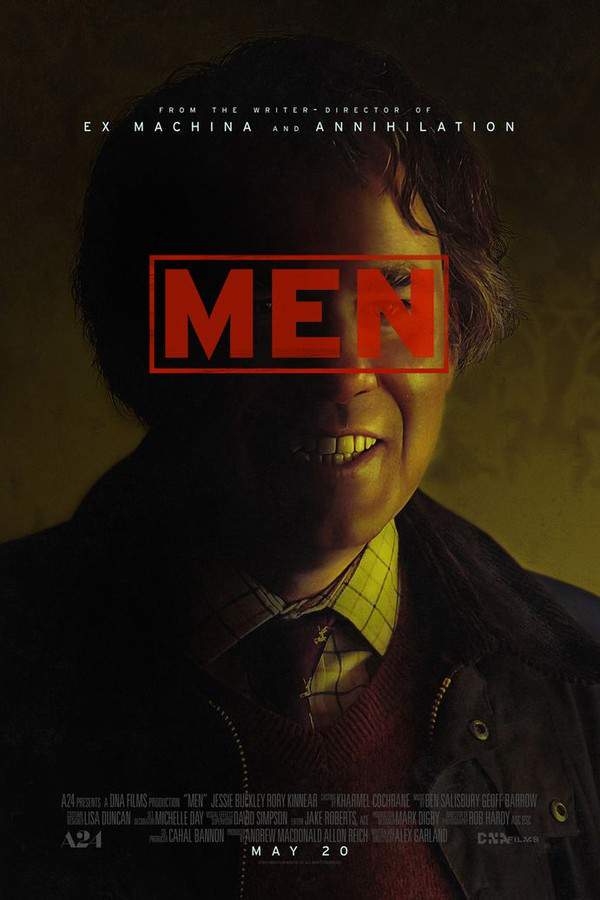
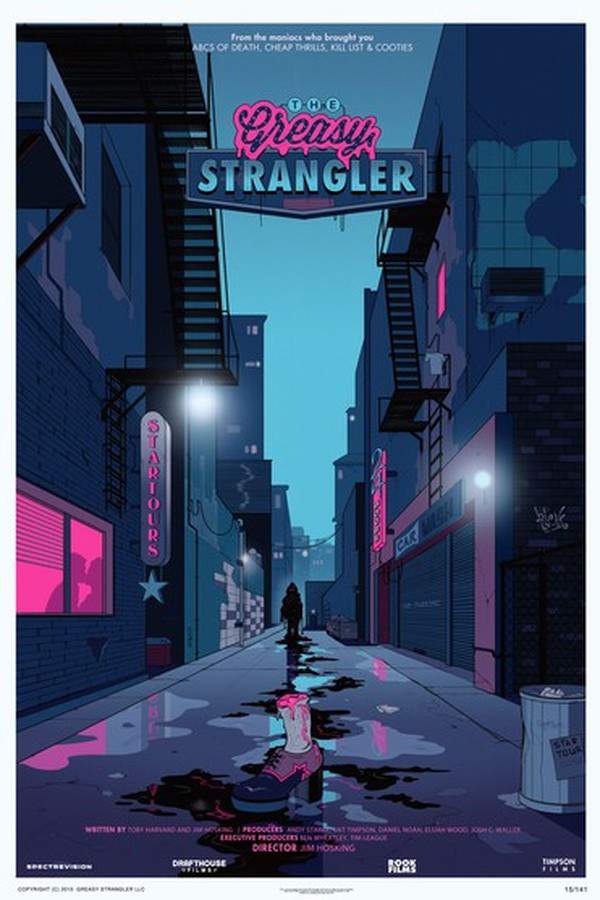
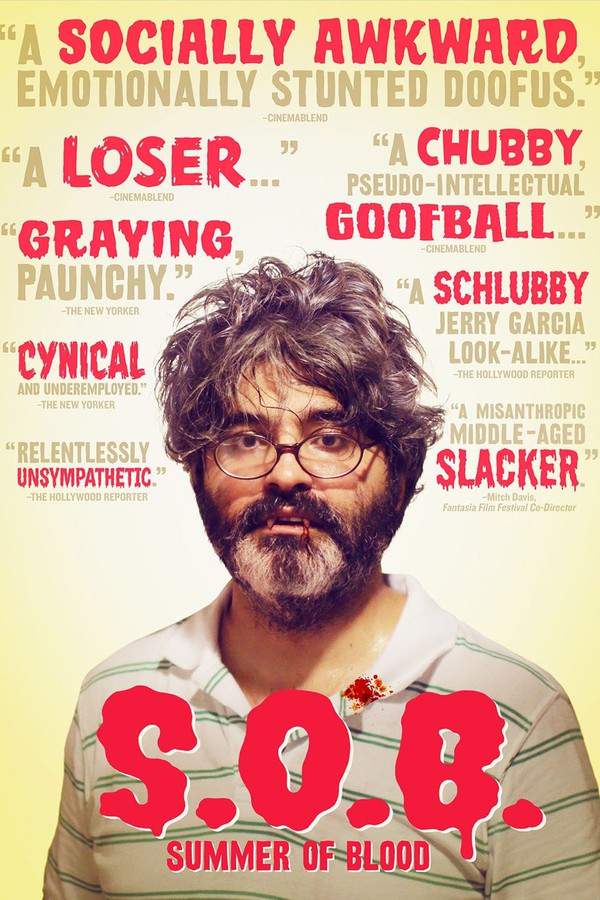
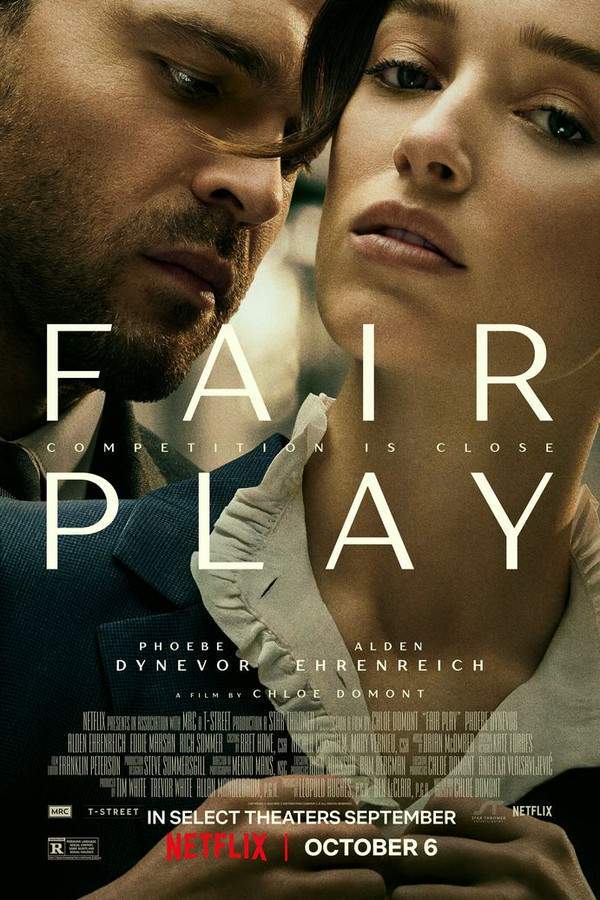
Darkly Humorous Satires of Masculinity like The Art of Self Defense
Stories that use biting humor to expose the absurdity and danger of rigid masculine codes.Discover movies like The Art of Self Defense that use sharp, dark humor to dissect themes of toxic masculinity. These similar stories often follow characters navigating violent, hyper-masculine worlds, blending comedy with a critique of societal expectations for a uniquely unsettling yet insightful viewing experience.




Narrative Summary
Narratives in this thread typically follow an outsider or vulnerable individual who is seduced by a group or ideology promising power and belonging. The story unfolds as the protagonist uncovers the toxic, manipulative core of this world, often leading to a violent confrontation or a cynical resolution that underscores the hollow nature of the promised masculinity.
Why These Movies?
These films are grouped by their shared tone—a specific blend of bleak thematic material and deadpan or absurdist humor. They share a common focus on deconstructing masculine archetypes, often featuring steady pacing that allows the satire to simmer and a high intensity born from psychological tension and violence.
Stories of Violent Personal Transformation like The Art of Self Defense
Character journeys where trauma and brutality forge a new, often darker, identity.If you liked The Art of Self Defense, explore more movies about characters undergoing a drastic metamorphosis through violence. These similar films depict heavy journeys from victim to aggressor, focusing on the psychological toll and moral compromises of adopting brutality for survival or power.

A Vigilante
2019
Altered States
1980
Vulgar
2002

Ticked-Off Trannies with Knives
2010
The Passenger
2023
Extremities
1986
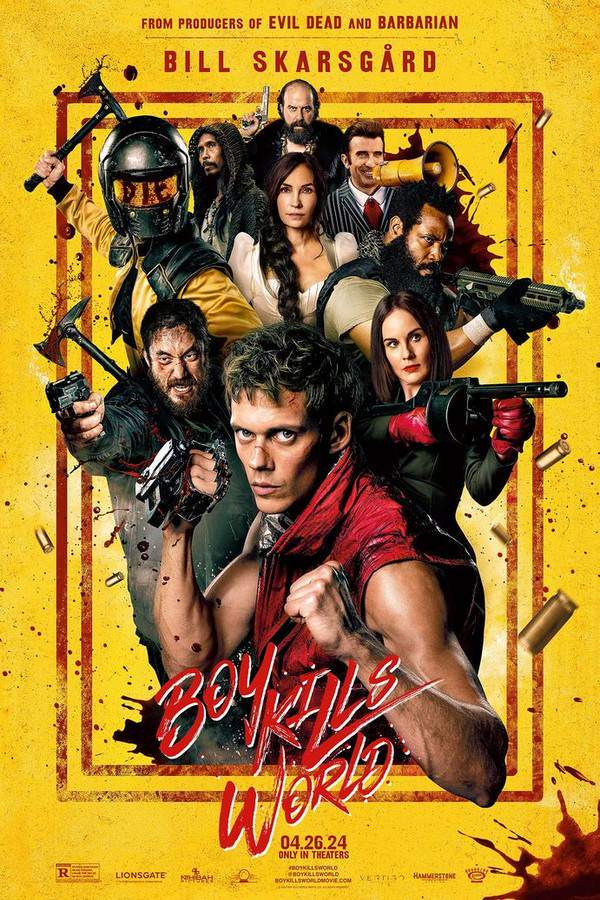
Boy Kills World
2024
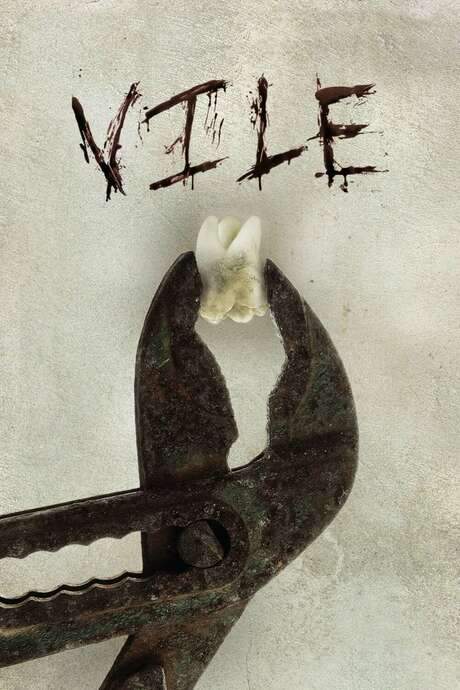
Vile
2011

Acts of Violence
2006

The Victim
1980

Savage Vengeance
2023

Savage Vengeance
1993

Mutant Action
1993
The Art of Self Defense
1941

Thriller: A Cruel Picture
1973
Narrative Summary
The narrative pattern involves a catalyst of extreme violence that shatters the protagonist's worldview. This sends them on a path of training or immersion into a violent system, leading to a mastery that comes at the expense of their original innocence. The arc is typically linear but steep, culminating in a confrontation that solidifies their new, hardened identity, often with a bittersweet or bleak resolution.
Why These Movies?
Movies in this thread share a heavy emotional weight and a high intensity driven by violent acts and psychological turmoil. They are connected by a central, gripping character arc of metamorphosis, a steady pacing that methodically builds the transformation, and a dark tone that refuses to glamorize the violent journey.
Unlock the Full Story of The Art of Self Defense
Don't stop at just watching — explore The Art of Self Defense in full detail. From the complete plot summary and scene-by-scene timeline to character breakdowns, thematic analysis, and a deep dive into the ending — every page helps you truly understand what The Art of Self Defense is all about. Plus, discover what's next after the movie.
The Art of Self Defense Timeline
Track the full timeline of The Art of Self Defense with every major event arranged chronologically. Perfect for decoding non-linear storytelling, flashbacks, or parallel narratives with a clear scene-by-scene breakdown.

Characters, Settings & Themes in The Art of Self Defense
Discover the characters, locations, and core themes that shape The Art of Self Defense. Get insights into symbolic elements, setting significance, and deeper narrative meaning — ideal for thematic analysis and movie breakdowns.

Similar Movies to The Art of Self Defense
Discover movies like The Art of Self Defense that share similar genres, themes, and storytelling elements. Whether you’re drawn to the atmosphere, character arcs, or plot structure, these curated recommendations will help you explore more films you’ll love.
The Art of Self-Defense
2019

How to Hook Up Your Home Theater
2007

Self Defense… for Cowards
1962

How to Swim
1942

The Goofy Gophers
1947

Ko-Ko’s Conquest
1929

Goofy Gymnastics
1949

A Knight for a Day
1946

Self Control
1938

Goofy’s Glider
1940

How to Play Golf
1944

How to Dance
1953

Foul Hunting
1947

How to Be a Detective
1952

The Art of Skiing
1941
Explore More About Movie The Art of Self Defense
The Art of Self Defense (1941) Scene-by-Scene Movie Timeline
The Art of Self Defense (1941) Movie Characters, Themes & Settings
The Art of Self Defense (1941) Spoiler-Free Summary & Key Flow
Movies Like The Art of Self Defense – Similar Titles You’ll Enjoy
The Art of Self-Defense (2019) Ending Explained & Film Insights
How to Hook Up Your Home Theater (2007) Film Overview & Timeline
Self Defense… for Cowards (1962) Film Overview & Timeline
How to Swim (1942) Full Summary & Key Details
The Goofy Gophers (1947) Ending Explained & Film Insights
Ko-Ko’s Conquest (1929) Story Summary & Characters
Goofy Gymnastics (1949) Movie Recap & Themes
A Knight for a Day (1946) Full Movie Breakdown
Self Control (1938) Complete Plot Breakdown
Goofy’s Glider (1940) Film Overview & Timeline
How to Play Golf (1944) Film Overview & Timeline
How to Dance (1953) Full Summary & Key Details
Foul Hunting (1947) Spoiler-Packed Plot Recap
How to Be a Detective (1952) Film Overview & Timeline
The Art of Skiing (1941) Film Overview & Timeline