Plot Explained Spoilers guaranteed!
Plot Explained

Browse by genre

The King (2006) movie poster

Plot Summary

The King (2006) Plot Summary Explained

Release, runtime and language
2006 · 105 min · French
Loading streaming availability…
Directed by
James Marsh
Starring
William Hurt, Gael García Bernal, Laura Harring

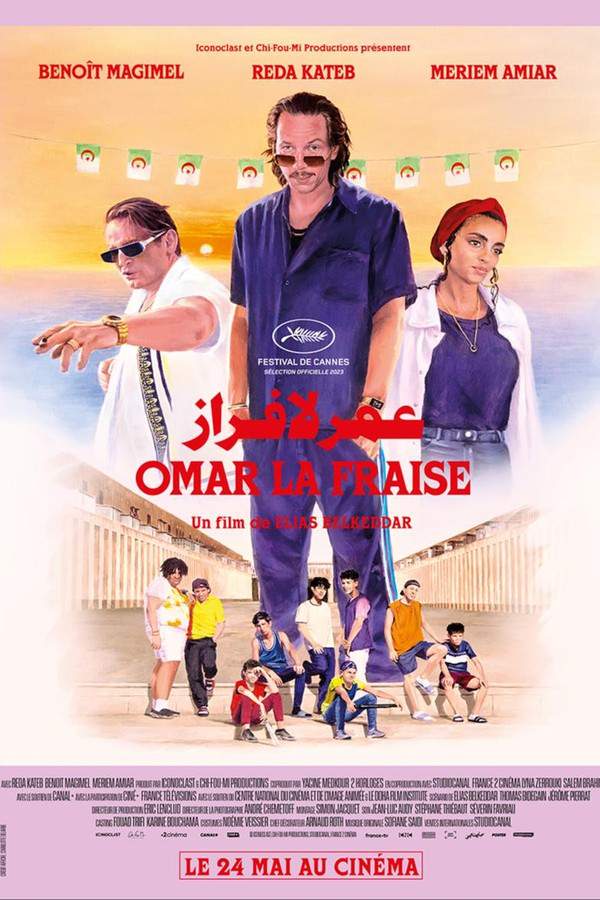
In 1950s Algiers, a notorious gangster named Omar is forced to flee his criminal empire and partner, Roger. He unexpectedly finds himself working with pastry dough, attempting to build a new life alongside the spirited Samia. Despite his best efforts to leave his past behind, old habits resurface, leading to reckless escapades within the city’s vibrant criminal underworld. When danger arises, Omar must confront his past and fight to protect the people he cares about, seeking a chance at redemption.

On this page (5)
  1. 1 Where to watch
  2. 2 What happens: full plot
  3. 3 Plot questions answered
  4. 4 Movie threads
  5. 5 Every angle
Loading streaming availability…

Full plot summary · contains spoilers

What Happens in The King: Full Plot Summary

The whole story of The King (2006) explained, from the opening scene to the final frame: every key event, every twist and what it all adds up to. Read it as a quick recap before the sequel, to check a scene you missed, or to finally understand what really happened.

As the 15th century approached in England, Prince of Wales Henry V (Timothee Chalamet) indulged in a life filled with revelry alongside his close companion, John Falstaff (Joel Edgerton). This lifestyle drew the ire of his ailing father, King Henry IV (Ben Mendelsohn), whose health was rapidly deteriorating. In a desperate move, the king decreed that his younger son, Thomas (Dean-Charles Chapman), rather than Henry himself, would inherit the throne upon his death, much to Henry's dismay.

The unexpected uprising led by Percy (Tom Glynn-Carney) caught the court completely off guard. With Thomas still just a teenager and not ready for battle, Henry V passionately asked for the opportunity to confront Percy in a duel, aiming to minimize further conflict. Despite his initial hesitance, Thomas ultimately consented, and Henry V emerged triumphant, successfully quelling the rebellion but leaving his brother feeling eclipsed.

Tragedy struck when news of Thomas's sudden death reached King Henry IV, who then passed away, bequeathing the substantial burden of kingship to Henry V. At his coronation, gifts from far-off lands flooded in, including a controversial ball from France that would ignite tensions and set the stage for conflict.

Henry's sister, Phillipa (Thomasin McKenzie), warned him to be cautious of those around him, while William Gascoigne (Sean Harris), his trusted adviser, kept him informed of his brother's passing. The French gift was perceived as an insult, heightening the already growing whispers of impending war, a prospect that Henry V was reluctant to embrace.

Amidst the rising turmoil, William introduced Henry to a French assassin purportedly sent by King Louis himself to eliminate the English king. Meanwhile, a conspiratorial group comprising Cambridge (Edward Ashley) approached William, expressing their dissatisfaction with Henry's leadership. Their dissent was brutally silenced as Henry ordered their execution and declared war on France.

With diminishing faith in his advisors, Henry V turned to Falstaff, a seasoned veteran, to serve on his council. Together, they journeyed to France, capturing critical strongholds in the early skirmishes. A summit with the Dauphin (Robert Pattinson), Prince of France, deteriorated into a heated exchange of insults. In a horrifying act against British children, the Dauphin retaliated harshly.

Outraged, Henry contemplated a ruthless execution of all French captives, but Falstaff's wisdom urged him to practice restraint as tensions flared. As the British forces faced the formidable French army, Henry’s advisors recommended retreat in light of the daunting odds stacked against them. Yet, Falstaff remained steadfast, insisting they could triumph, citing an impending rainstorm that would impede the French army's charge.

Determined, Henry declared that should the skies open up, he would lead his men into battle. The skies obliged with a torrential downpour just as Falstaff, driven by his unwavering spirit, initiated the first assault.

Before the battle commenced, Henry met the Dauphin one last time, suggesting a duel to save their men from bloodshed. However, the French monarch demanded unconditional surrender instead. The clash erupted, with Henry delivering an impassioned speech that roused his troops. In the thick of battle, the Dauphin ultimately accepted Henry's duel, only to find himself bogged down in the mud, unable to move. Seizing the moment, Henry called on his men to act decisively.

After achieving victory, Henry faced a somber revelation: Falstaff lay dead on the battlefield. In the wake of their conflict, he met with the King of France to negotiate peace. As a token of goodwill, Henry was offered the hand of Catherine (Lily-Rose Depp), the king's daughter. However, their impending union was marred by Catherine’s probing questions regarding the violence that led them to this point.

Henry shared his belief that he had been driven to these actions by a supposed assassination plot originating from his father, a claim Catherine staunchly refuted. Upon confronting William, he unraveled the harsh truth: the supposed attempt on his life had been orchestrated to press him into action against France, ultimately consolidating his leadership of England.

In a fit of betrayal, Henry stabbed William, and upon returning to Catherine, he implored her to pledge one promise: always be honest with him, which she dutifully agreed to, solidifying their union with a vow of truthfulness.

Last updated: November 17, 2024 at 13:17

Was this helpful?

Plot questions answered

The King Plot Explained: Your Questions Answered

The questions people ask most about The King (2006): what happens in the confusing scenes, why the characters do what they do, the twists, hidden details and what the ending means. Each answer contains spoilers.

Q1

Why did King Henry IV decide to name Thomas instead of Henry as his successor?

King Henry IV believed Henry was unfit to rule due to his indulgent lifestyle of revelry and excess. His health was deteriorating rapidly, and he feared Henry would be a weak or irresponsible monarch. By naming his younger son Thomas as heir, Henry IV hoped to ensure a more stable succession.

Foreshadowing: Early scenes show Henry V completely absorbed in hedonistic pursuits, clearly neglecting any preparation for leadership.

  • heir
  • succession
  • king henry iv
  • thomas
  • crown
Q2

Why did Henry V ask to duel Percy instead of sending his brother Thomas?

Henry V wanted to minimize further conflict and bloodshed. With Thomas being a teenager and inexperienced in battle, Henry believed his own intervention would prevent the uprising from escalating into a larger war. His father granted permission, and Henry successfully defeated and killed Percy, ending the rebellion.

Foreshadowing: The timeline establishes Thomas as too young and unprepared for leadership roles.

  • percy
  • duel
  • rebellion
  • thomas
  • army
Q3

How did Prince Thomas die in the film?

The film does not explicitly show Thomas's death or reveal its cause. News of his sudden death simply reaches King Henry IV, who then passes away from the shock and grief. This leaves Henry V to inherit the throne.

Foreshadowing: The build-up to Thomas's death is minimal, making the event feel sudden and unexpected.

  • thomas
  • death
  • prince
  • king henry iv
Q4

Why was the French gift (ball) seen as an insult to Henry V?

The ball from France was perceived as a deliberate affront, likely intended as a condescending gesture or mockery toward the new English king. This gift escalated tensions between England and France and contributed to Henry's decision to go to war.

Foreshadowing: The controversial gift arrives alongside warnings from Henry's sister Phillipa about being cautious of those around him.

  • france
  • gift
  • ball
  • insult
  • diplomacy
Q5

Why did Henry V order the execution of the conspirators led by Cambridge?

Henry V discovered that Cambridge and others had approached his advisor William Gascoigne expressing dissatisfaction with his leadership. In a swift and ruthless move, Henry ordered their execution to eliminate dissent and consolidate his power. He also used this as justification to declare war on France.

Foreshadowing: William Gascoigne's role as a trusted advisor who keeps Henry informed about unfolding events.

  • cambridge
  • conspiracy
  • execution
  • war
  • william gascoigne
Q6

Why did Falstaff convince Henry not to retreat against the French army?

Despite the overwhelming odds facing the British forces, Falstaff believed they could win. He pointed out that a major rainstorm was approaching, which would hinder the French army's cavalry charge and level the playing field. This strategic insight gave Henry the confidence to stand and fight.

Foreshadowing: Earlier scenes establish Falstaff as a seasoned veteran with military wisdom.

  • falstaff
  • retreat
  • rain
  • battle
  • french army
Q7

How did the rain help Henry V win the battle in France?

The heavy rainfall turned the battlefield into muddy terrain, severely disadvantaging the French cavalry. Their powerful charge became impossible as their horses bogged down. Henry interpreted this as a divine sign, led his men into battle, and achieved victory.

Foreshadowing: Falstaff had specifically predicted the rain would impede the French army's charge.

  • rain
  • battle
  • mud
  • victory
  • french cavalry
Q8

How did Falstaff die in The King?

Falstaff was killed on the battlefield during the fighting against the French army. After the English victory, Henry discovered his beloved friend and mentor lying dead among the fallen soldiers.

Foreshadowing: Falstaff initiates the first assault despite the dangerous odds.

  • falstaff
  • death
  • battle
  • friend
  • mentor
Q9

Why did Henry V kill William Gascoigne?

After learning from Catherine that the French assassination plot was fabricated by his own advisors to manipulate him into waging war, Henry confronted William. Realizing he had been deceived and used to trigger a war that was built on a lie, Henry stabbed William to death in a fit of betrayal and rage.

Foreshadowing: William Gascoigne was the one who revealed the assassination plot to Henry and kept him informed about various events.

  • william gascoigne
  • kill
  • betrayal
  • assassination plot
  • lie
Q10

Was the French assassination plot against Henry V real?

No. Catherine revealed to Henry that the assassination plot was entirely fabricated. William Gascoigne and possibly other English advisors orchestrated it to pressure Henry into taking action against France, thereby consolidating his power and unifying England under his leadership.

Foreshadowing: WilliamGascoigne was the sole source of information about the assassination plot throughout the film.

  • assassination plot
  • king louis
  • france
  • lie
  • deception
Q11

Why did Catherine question Henry about the violence that led to their union?

Catherine directly asked Henry about the brutal path that brought them to marriage, specifically questioning whether the war and killing were truly necessary or justified. This probe upset Henry, leading to his revelation about the assassination plot, which Catherine refuted.

Foreshadowing: The film's ending emphasizes their union being overshadowed by the violence and lies that preceded it.

  • catherine
  • war
  • marriage
  • questions
  • henery
Q12

Why did Henry ask Catherine to always be honest with him?

After discovering that his own advisor had lied to him about the assassination plot, Henry was betrayed and emotionally devastated. He asked Catherine this promise as a way to ensure he would never again be deceived by those closest to him, seeking truth in his new relationship.

Foreshadowing: Henry's final scene shows him grappling with the isolation that comes with power and the loss of trusted companions.

  • catherine
  • honesty
  • promise
  • trust
  • isolation

Movie threads

More Movies Like The King, by Mood & Story

Curated lists built around what makes The King tick: the same mood, the same kind of story or the same emotional payoff. Each list explains why these movies belong together.

Criminal Redemption Stories like The King

Hardened outlaws attempt to escape their past for a chance at a new life. If you liked The King's story of a gangster trying to go straight, explore these movies about criminals seeking redemption. Discover similar drama films where characters must confront their past in a treacherous underworld to protect a fragile new future.

  • somber
  • gripping
  • tense
  • melancholic
  • treacherous
  • redemptive
  • Tone: dark, somber
  • Pacing: steady, character-driven
Why these movies?

The story pattern: The narrative typically centers on a protagonist attempting to leave their criminal identity behind, often spurred by a newfound relationship or responsibility. However, their past inevitably catches up, forcing a final confrontation where they must use their old skills not for personal gain, but for protection and atonement.

Why they belong together: These films share a somber, gripping mood and a dark tone, focusing on the internal moral conflict of a character torn between two worlds. The pacing is steady, building towards a climactic reckoning, and the endings are often bittersweet, reflecting the high cost of change.

Gritty Period Crime Films like The King

Atmospheric stories of power, betrayal, and survival in a specific historical underworld. Find movies with a similar feel to The King's 1950s Algiers setting. These historical crime dramas feature intense power struggles, betrayal, and a gripping, oppressive atmosphere that defines the characters' lives and choices.

  • oppressive
  • ambitious
  • gripping
  • tense
  • somber
  • historical
  • Tone: dark, oppressive
  • Pacing: steady, forceful
Why these movies?

The story pattern: Stories in this thread are defined by their evocative world-building, where the political and social tensions of a specific era fuel the criminal conflicts. The plot often revolves around the rise and fall of figures within a tightly-knit underworld, emphasizing the high stakes of loyalty and ambition.

Why they belong together: They are connected by a shared oppressive and ambitious mood, a dark tone, and a high-intensity narrative focused on inherited power and moral conflict. The historical setting provides a tangible framework for the complex, character-driven drama.

Every angle

The King (2006) Explained: Plot, Timeline & Characters

Everything about The King in one place: what happens in the plot summary, the timeline in chronological order, the characters and meaning and a spoiler-free summary. What's After the Movie adds the cast, box office and post-credit scenes.

Coming soon on iOS and Android

The Plot Explained Movie Summary App

Plot summaries, endings explained and timelines on your phone. Catch up on any movie in minutes, save your favorites and never miss a twist again.

Be the first to know when we launch. Your email stays private, always.

Learn more about the app