#3,067120 Year: 2017
Runtime: 121 min
Language: English
Director: Giorgos Lanthimos
Echo Score: 70Budget: $3M
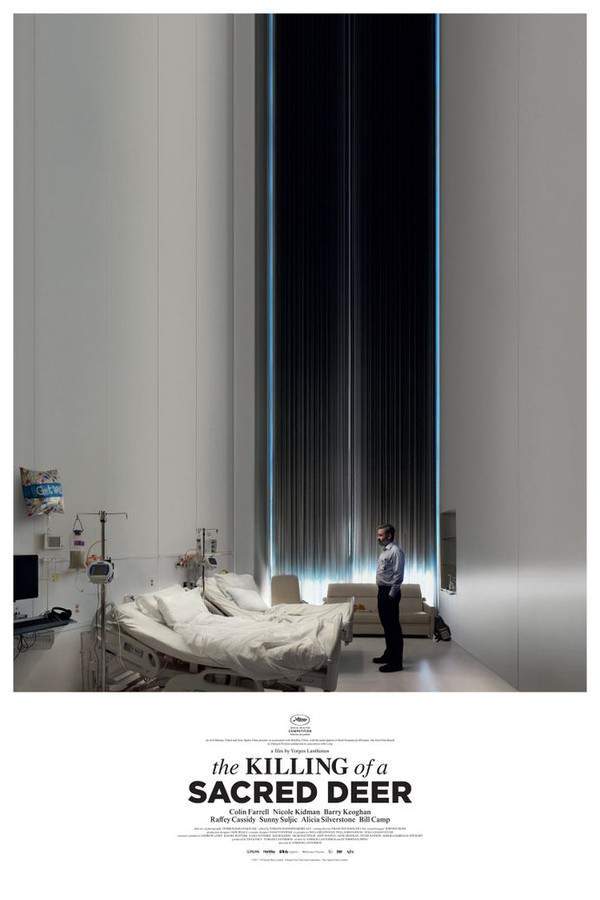
A brilliant surgeon's carefully constructed life is thrown into turmoil when a strange young man named Martin inserts himself into his family. As Martin’s presence intensifies, unsettling events begin to occur, and the doctor is confronted with a disturbing request that forces him to confront a dark secret from his past. The consequences threaten to unravel his family and expose a profound sense of dread.
Find where to stream, rent, or buy The Killing of a Sacred Deer (2017) in the US with current JustWatch availability, up-to-date pricing, and platform listings for subscription, rental, and digital purchase options.
Warning: spoilers below!
Haven’t seen The Killing of a Sacred Deer yet? This summary contains major spoilers. Bookmark the page, watch the movie, and come back for the full breakdown. If you're ready, scroll on and relive the story!
Trace every key event in The Killing of a Sacred Deer (2017) with our detailed, chronological timeline. Perfect for unpacking nonlinear stories, spotting hidden connections, and understanding how each scene builds toward the film’s climax. Whether you're revisiting or decoding for the first time, this timeline gives you the full picture.
Last updated: November 04, 2024 at 01:36
Find frequently asked questions about the The Killing of a Sacred Deer (2017) timeline, including chronological order, nonlinear jumps, cause-and-effect links, and scene sequence clarifications. This timeline FAQ helps explain when key events happen, how moments connect, and why the story unfolds in that specific order.
Martin targets Steven's family because Steven's surgical error caused the death of Martin's father. Martin inserts himself into Steven's life to force him to confront his past actions and demand retribution, framing it as a balancing of scales - Steven must sacrifice someone from his own family to atone for killing Martin.
The opening diner scene where Steven mentors Martin establishes their connection, while later Martin reveals the true nature of their relationship.
Martin's father died during an open-heart surgery performed by Steven. The film implies it was a surgical error or negligence, though the exact details are never fully explained. Steven's conversation about watches with the anesthesiologist hints at his distraction during procedures, suggesting his drinking problem may have compromised his surgical judgment.
Steven's conversation about watches after surgery establishes his character flaw early on.
Bob becomes paralyzed after Martin hints to Steven that he must sacrifice a family member to pay for his past mistake. The paralysis strikes suddenly and without medical explanation, functioning as a supernatural consequence of Martin's presence and threats. This aligns with the film's Greek tragedy structure where guilt demands payment.
Martin's ominous statement about Steven needing to pay a price directly precedes Bob's paralysis.
Martin demands that Steven kill one of his family members - his wife Anna, son Bob, or daughter Kim - to balance the scales for causing his father's death. Martin frames this as cosmic justice: one life taken by Steven's hand must be repaid with another life. The demand creates the film's central moral crisis.
Martin cornering Steven during dinner and hinting at the price Steven must pay foreshadows this demand.
Kim falls ill during choir rehearsal shortly after Bob becomes paralyzed, experiencing similar symptoms. Her illness reinforces the supernatural nature of the family's punishment - it's not just Bob who is targeted but the entire family unit. This escalates the family's terror and suggests Martin's curse affects all who are connected to Steven.
Kim's illness mirrors Bob's, both occurring after Martin's direct manipulation of the family.
Steven attacks Martin in a desperate attempt to stop the supernatural torment threatening his family. As Bob's paralysis and Kim's illness worsen, and facing the impossible choice Martin presents, Steven resorts to violence believing he can eliminate the source of his family's suffering. This act represents Steven's complete breakdown under pressure.
The mounting family crises and Martin's unwavering demands build to this breaking point.
Steven confronts his family with a rifle at the climax because he believes he must fulfill Martin's demand to prevent further suffering. Faced with the impossible choice of sacrificing one family member or losing them all to the ongoing supernatural punishment, Steven attempts to make the choice himself. The scene represents the ultimate toll of his past guilt.
The buildup of family illnesses and Martin's persistent demands create this inevitable confrontation.
Steven's dark secret is that he was a functioning alcoholic who caused a patient's death during surgery - Martin's father. He has maintained sobriety since, which he reveals publicly at the gala, but his past drinking compromised his medical judgment and led to the fatal surgical error. This guilt is what makes him vulnerable to Martin's manipulation.
Steven's gala speech about sobriety and the watch conversation hint at his character flaws.
The family dines at a diner in the final scene, echoing Steven and Martin's first meeting place. This circular structure suggests the trauma cannot be escaped - the diner represents where Steven's guilt began. The ambiguous ending leaves unclear whether Martin has truly left their lives or if the cycle continues, maintaining the film's haunting quality.
The opening diner scene establishes this location as symbolically significant.
The ending remains deliberately ambiguous about whether Steven actually killed one of his family members. The family sits together at the diner appearing traumatized but physically unharmed, yet their hollow expressions and Martin's lingering presence suggest something irreversible has occurred. The film leaves viewers uncertain about the specific outcome while confirming the family's permanent psychological damage.
The tense rifle confrontation scene sets up this unresolved ending.
Steven and Anna's strange intimacy after their argument about Bob's hair represents the troubled, codependent nature of their marriage. The scene shows their relationship is fractured but they remain emotionally entangled. This odd sexual encounter after conflict suggests their bond is twisted by stress and guilt, reflecting the overall dysfunction that Martin exploits.
The family dinner conflict establishes the marital tension that manifests in their intimacy.
Martin manipulates Kim and Bob through private meetings where he plants ideas and emotional seeds. He approaches them individually, twisting their emotions and making them complicit in his psychological warfare against Steven. His manipulation creates division within the family and intensifies the children's vulnerability, making them unwilling participants in the escalating terror.
Martin's initial friendly approach to the family masks his true manipulative intentions.
Discover curated groups of movies connected by mood, themes, and story style. Browse collections built around emotion, atmosphere, and narrative focus to easily find films that match what you feel like watching right now.
Stories where sterile environments hide encroaching, inexplicable horror.If you liked the cold, unsettling horror of The Killing of a Sacred Deer, this list features similar movies where sterile settings and clinical aesthetics are disrupted by supernatural forces or psychological torment. Discover films that master a tone of slow-burning, intellectual dread.
Narratives in this thread often follow characters with a false sense of control—doctors, scientists, professionals—whose rational worlds are systematically invaded by an unnatural force or consequence. The story unfolds like a moral or scientific experiment, with the characters becoming subjects in a cruel, impersonal process.
These films are grouped by their shared aesthetic of clinical sterility paired with deep psychological unease. They favor a detached, observant camera style and a soundscape that amplifies silence and mundane noises into sources of tension, creating a uniquely cold and intellectual form of horror.
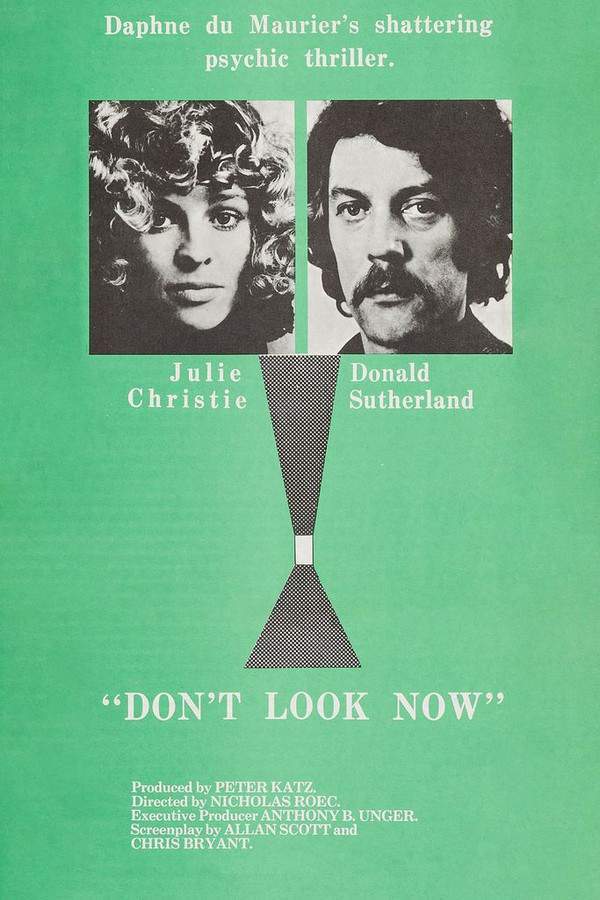
Contemporary stories bound by the cruel, inescapable logic of fate.Fans of The Killing of a Sacred Deer will appreciate these films that follow the structure of a Greek tragedy. Explore stories of moral consequence, where a character's past mistake triggers a chain of inevitable, devastating events in a contemporary world.
The narrative pattern is one of cause and effect set in motion by a hidden sin. A seemingly upright protagonist is confronted by an agent of fate, who demands a terrible price or imposes an impossible choice. The story moves with an inexorable rhythm towards a bleak or ambiguous conclusion, emphasizing the futility of resisting one's fate.
These movies are united by their fatalistic worldview and narrative structure. They share a high emotional weight, focusing on themes of guilt, punishment, and sacrifice. The tone is consistently heavy and tense, with a pacing that feels deliberate and inevitable, much like the tragedies they mirror.
Don't stop at just watching - explore The Killing of a Sacred Deer in full detail. From the complete plot summary and scene-by-scene timeline to character breakdowns, thematic analysis, and a deep dive into the ending - every page helps you truly understand what The Killing of a Sacred Deer is all about. Plus, discover what's next after the movie.
Read a complete plot summary of The Killing of a Sacred Deer, including all key story points, character arcs, and turning points. This in-depth recap is ideal for understanding the narrative structure or reviewing what happened in the movie.
Discover the characters, locations, and core themes that shape The Killing of a Sacred Deer. Get insights into symbolic elements, setting significance, and deeper narrative meaning - ideal for thematic analysis and movie breakdowns.
What really happened at the end of The Killing of a Sacred Deer? This detailed ending explained page breaks down final scenes, hidden clues, and alternate interpretations with expert analysis and viewer theories.
Discover movies like The Killing of a Sacred Deer that share similar genres, themes, and storytelling elements. Whether you’re drawn to the atmosphere, character arcs, or plot structure, these curated recommendations will help you explore more films you’ll love.
The Killing of a Sacred Deer (2017) Plot Summary & Movie Recap
The Killing of a Sacred Deer (2017) Scene-by-Scene Movie Timeline
The Killing of a Sacred Deer (2017) Ending Explained & Theories
The Killing of a Sacred Deer (2017) Spoiler-Free Summary & Key Flow
Movies Like The Killing of a Sacred Deer – Similar Titles You’ll Enjoy
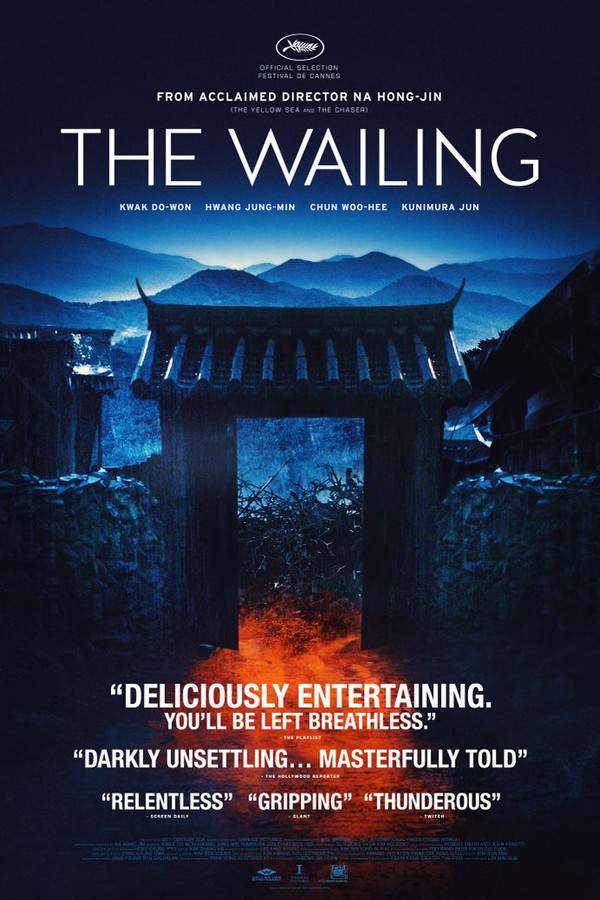
The Wailing (2016) Film Overview & Timeline
Dogtooth (2010) Story Summary & Characters
The Ritual Killer (2023) Ending Explained & Film Insights
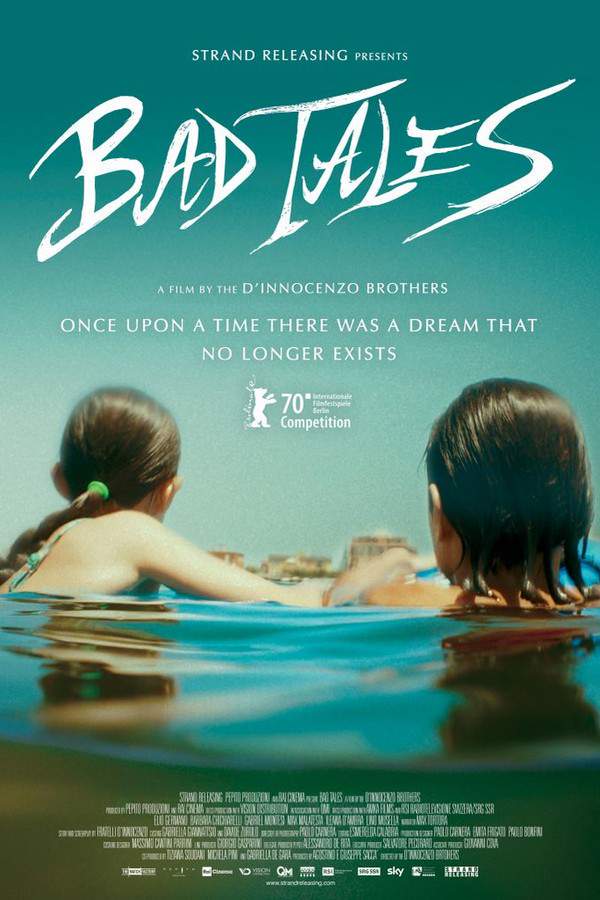
Bad Tales (2021) Movie Recap & Themes
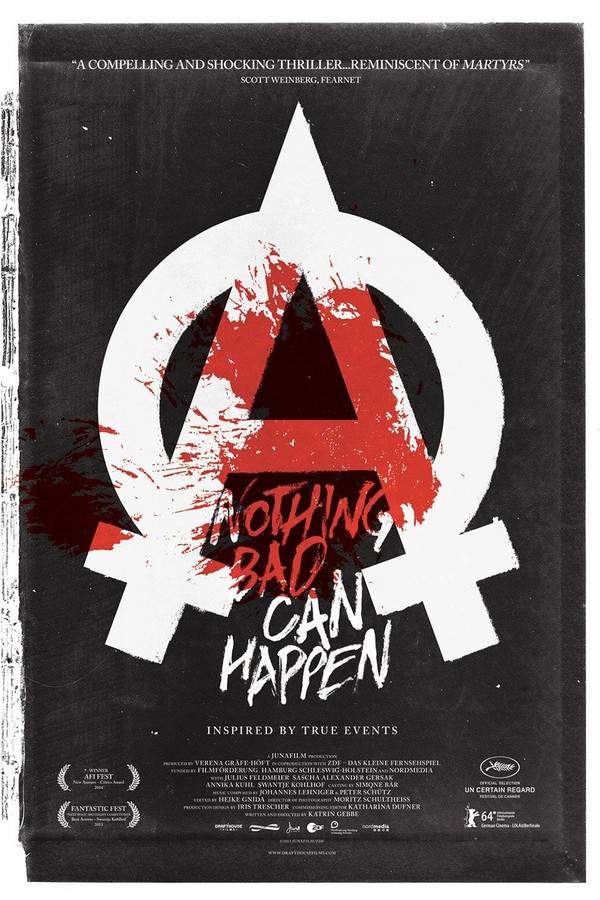
Nothing Bad Can Happen (2014) Ending Explained & Film Insights
mother! (2017) Spoiler-Packed Plot Recap
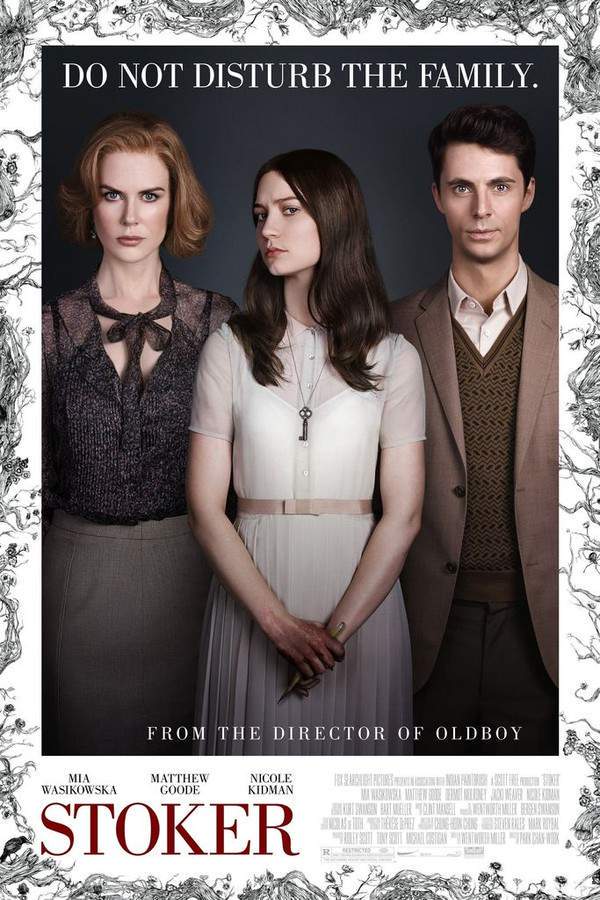
Stoker (2013) Movie Recap & Themes
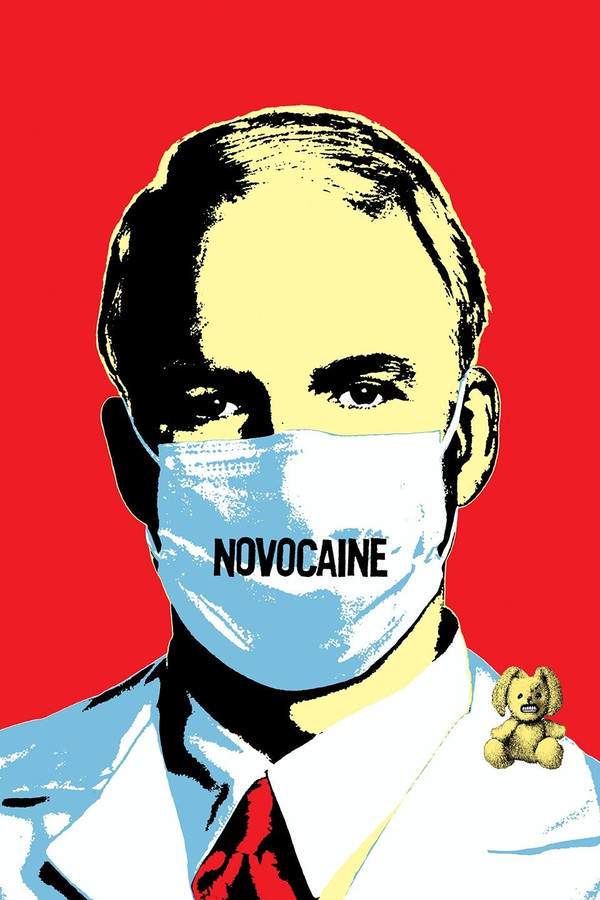
Novocaine (2001) Ending Explained & Film Insights
Clinical (2017) Plot Summary & Ending Explained
My Son, My Son, What Have Ye Done (2009) Story Summary & Characters
The Art of Dying (1991) Film Overview & Timeline
Clean, Shaven (1993) Complete Plot Breakdown
The Killer Is One of Thirteen (1973) Spoiler-Packed Plot Recap
The Killing Jar (1997) Full Summary & Key Details
The Things You Kill (2025) Detailed Story Recap