Plot Explained Spoilers guaranteed!
Plot Explained

Browse by genre

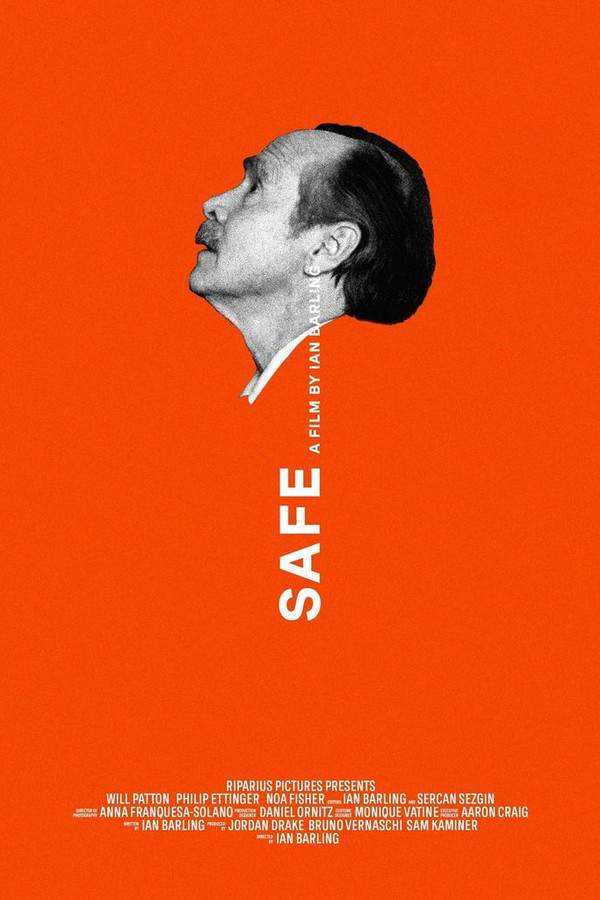
Safe (1995) movie poster

Plot Summary

Safe (1995) Plot Summary Explained

Release, runtime and language
1995 · 119 min · English
Directed by
Todd Haynes
Starring
Julianne Moore, Xander Berkeley

When a series of unsettling symptoms—including coughing fits, exhaustion, and nosebleeds—begin to plague Carol White, her seemingly perfect suburban life unravels. Dismissed by doctors, she desperately searches for answers and finds herself drawn to a new-age retreat led by a charismatic guru. There, she hopes to find a cure for her mysterious illness, which he claims is a "20th century disease" that can be healed through introspection, self-love, and unusual therapies.

On this page (6)
  1. 1 Where to watch
  2. 2 What happens: full plot
  3. 3 Plot questions answered
  4. 4 Movie threads
  5. 5 Movies like Safe
  6. 6 Every angle

Where to watch

Where to Watch Safe (1995)

Where can you watch Safe? Stream, rent or buy it in the US, including on Amazon Video, Apple TV Store and Fandango At Home: current JustWatch availability with up-to-date prices.

Streaming availability powered by JustWatch

Full plot summary · contains spoilers

What Happens in Safe: Full Plot Summary

The whole story of Safe (1995) explained, from the opening scene to the final frame: every key event, every twist and what it all adds up to. Read it as a quick recap before the sequel, to check a scene you missed, or to finally understand what really happened.

Carol White, portrayed by Julianne Moore, lives with her husband Greg, played by Xander Berkeley, and their son in the picturesque San Fernando Valley. On the surface, Carol appears to lead an idyllic life; however, she soon begins to suffer from a series of unexplained ailments that leave her feeling increasingly ill at ease with her surroundings. Her initial attempts to rectify her condition include changing her diet and lifestyle, but no matter what she tries, her physician cannot identify any medical issues.

When her condition takes a turn for the worse, resulting in a collapse while driving home, Carol consults a doctor who uncovers a mild allergy. As her situation grows more desperate, Carol seeks to uncover the real cause behind her mysterious illness, but both doctors and psychologists are baffled—further tests suggest she has no actual allergies. Struggling with this uncertainty, she adopts an extreme diet recommended by her friend Nell, but ultimately begins to point fingers at a myriad of environmental factors including chemicals found in food, cleaning supplies, and pollutants.

The pivotal moment occurs during a party held in honor of a close friend who is heavily pregnant, where Carol experiences a significant emotional outburst. Driven by her need for answers, she discovers a retreat named Wrenwood, a sanctuary where others suffering from various illnesses come to heal. This retreat is governed by a charismatic doctor encouraging the patients to introspect as a pathway to recovery. Carol quickly learns that the rules there are stringent: all clothing must be made of cotton, only organic food and drink are allowed, and cars are strictly banned—much to her chagrin upon her first arrival.

In Wrenwood, she encounters a couple who have also retreated for health reasons. They have created a secluded bunker, or igloo, meant to regulate their environment, but tragedy looms as one of them, despite their efforts, faces impending death. As Carol adjusts to her new surroundings, she discovers a highway not far from the compound, prompting her request for relocation within Wrenwood. The interactions with Greg and their child grow increasingly strained and cold, very much devoid of any physical affection, illustrating the burden her illness has placed on her family.

Eventually, Carol makes the decision to cut ties with her family completely, seeking solace in the solitude of her isolated igloo. Here, she can finally face her inner turmoil and unresolved feelings. The film culminates with a poignant scene of Carol gazing into a mirror and softly uttering the words, > "I love you," as her reflection reveals a profound sadness and a sense of desolation.

Last updated: November 08, 2024 at 01:16

Was this helpful?

Plot questions answered

Safe Plot Explained: Your Questions Answered

The questions people ask most about Safe (1995): what happens in the confusing scenes, why the characters do what they do, the twists, hidden details and what the ending means. Each answer contains spoilers.

Q1

What is wrong with Carol White in the movie

Carol White suffers from a mysterious set of symptoms including coughing fits, exhaustion, and nosebleeds that doctors cannot diagnose. Despite numerous tests, no medical cause is ever found, leading her to believe she has a sensitivity to modern environmental factors. The film intentionally keeps the nature of her illness ambiguous, suggesting it may be psychosomatic, environmentally induced, or both.

Foreshadowing: Her symptoms first appear shortly after she begins feeling increasingly ill at ease in her seemingly perfect suburban life.

  • carol white illness
  • symptoms
  • unexplained illness
  • doctors can't diagnose
Q2

Why does Carol abandon her family at Wrenwood

Carol decides to cut ties with her husband Greg and their son because her mysterious illness has created an insurmountable emotional distance between them. The constant dismissal of her suffering by medical professionals and her own family has left her feeling utterly alone. In the isolated igloo, she believes she can finally confront her inner turmoil without the burden of relationships that have become cold and strained.

Foreshadowing: The timeline shows her interactions with Greg growing increasingly strained and devoid of physical affection as her condition worsens.

  • carol leaves family
  • abandon husband son
  • isolation
  • emotional breakdown
Q3

What does Carol's mirror scene mean at the end

When Carol looks in the mirror and says "I love you" to herself, it represents a hollow attempt at self-acceptance rather than genuine healing. After abandoning her family and isolating herself in the igloo, this moment shows her reaching for some form of peace. However, the overall context is bleak, she has lost everything that gave her identity, and this whispered affirmation underscores her profound loneliness and the failure to find real connection or cure.

Foreshadowing: Carol's journey has been marked by increasing isolation and the failure of external solutions to help her.

  • mirror scene ending
  • i love you reflection
  • carol self acceptance
  • bleak ending meaning
Q4

Why can't any doctors diagnose Carol's illness

The doctors cannot find anything wrong because the film suggests Carol's symptoms may be psychosomatic or related to modern life's toxic environment in a way that existing medical science cannot measure. Her desperation for answers leads her to seek increasingly radical explanations, and when modern medicine fails her, she turns to alternative healing at Wrenwood. This reflects the film's commentary on the limitations of conventional medicine in addressing illnesses that may be partly psychological or environmentally induced.

Foreshadowing: Even after multiple consultations with doctors and psychologists, no clear diagnosis emerges despite her worsening symptoms.

  • doctors can't diagnose
  • no medical cause
  • psychosomatic illness
  • modern medicine failure
Q5

Why does Carol go to the Wrenwood retreat

Carol goes to Wrenwood after experiencing a significant emotional outburst at a friend's party while the friend is pregnant. Desperate for answers about her mysterious illness and feeling dismissed by conventional medicine, she discovers Wrenwood as a sanctuary for people suffering from various ailments. The retreat offers a charismatic doctor-led program that encourages introspection as a pathway to healing, which appeals to Carol's need for someone to acknowledge her suffering.

Foreshadowing: The emotional outburst at the party marks a turning point that drives her to seek more extreme measures for recovery.

  • wrenwood retreat
  • new age healing
  • alternative medicine
  • charismatic guru
Q6

What happens to the couple at Wrenwood with the bunker

At Wrenwood, Carol encounters a couple who have built a sealed bunker, or igloo, to completely control their environment and heal from their illnesses. Despite their extreme precautions, tragedy strikes when one of them faces impending death. This illustrates the futile nature of trying to escape illness through environmental isolation and foreshadows Carol's own similar decision to retreat to an igloo.

Foreshadowing: The couple's fate demonstrates that physical isolation alone cannot cure mysterious illnesses.

  • couple bunker igloo
  • wrenwood patients
  • tragic fate
  • environmental control
Q7

Why does Carol blame environmental factors for her illness

Carol fixates on environmental factors like food chemicals, cleaning supplies, and pollutants because conventional medicine offers no explanation for her suffering. Her friend Nell suggests an extreme diet, and Carol then begins pointing fingers at various external causes. This shift represents her desperate attempt to have her illness validated as real rather than being told it's all in her head, and reflects her growing belief that modern society itself is toxic to her wellbeing.

Foreshadowing: Her initial attempts to improve her condition through diet and lifestyle changes yielded no results, leading her to look for external culprits.

  • environmental illness
  • chemical sensitivity
  • toxic environment
  • food allergies blame
Q8

What is the significance of Carol's igloo at Wrenwood

The igloo represents Carol's ultimate retreat from a world that has failed to understand or heal her. By isolating herself in this sealed structure, she attempts to escape both her family responsibilities and the confusing external environment she blames for her illness. The igloo becomes her space for pure introspection, but ultimately it symbolizes her complete withdrawal from life rather than a path to recovery.

Foreshadowing: She requests relocation within Wrenwood when she discovers a highway near her original compound, showing her need for greater isolation.

  • igloo isolation
  • secluded bunker
  • withdrawal from life
  • escape society
Q9

Why does Carol collapse while driving home

Carol collapses while driving home due to a severe episode of her unexplained illness, which serves as a pivotal moment that escalates her desperation for answers. This frightening incident prompts her to consult another doctor, who discovers she has a mild allergy. However, even this discovery provides no real relief, as her condition continues to worsen and remains largely unexplained despite medical intervention.

Foreshadowing: This collapse marks a turning point where her symptoms become severe enough to interrupt her normal daily life.

  • car collapse driving
  • symptom severity
  • medical crisis
  • health deterioration
Q10

Why does Greg seem so distant toward Carol's illness

Greg appears distant and unsupportive because he cannot understand or relate to Carol's mysterious suffering. Throughout the film, her condition creates an increasing emotional gap between them, and their interactions grow cold and devoid of physical affection. While the film doesn't portray Greg as cruel, his inability to comprehend her illness contributes to Carol's sense of isolation and eventual decision to leave him and their son.

Foreshadowing: The timeline notes that Carol's interactions with Greg grow increasingly strained as she becomes more entrenched in her illness.

  • husband greg distant
  • marriage strain
  • lack of support
  • family breakdown
Q11

What does the guru mean by calling it a 20th century disease

The charismatic doctor at Wrenwood claims Carol's illness is a "20th century disease" that can only be healed through introspection and self-love. This represents the film's critique of modern society's relationship with illness and wellness. The phrase suggests that mysterious ailments affecting otherwise healthy people are a product of contemporary life, whether environmental, psychological, or societal, and cannot be cured by traditional medicine alone.

Foreshadowing: This diagnosis appeals to Carol precisely because conventional doctors have offered her no explanation or solution.

  • 20th century disease
  • guru diagnosis
  • modern illness
  • self love healing
Q12

Is Carol's illness real or psychosomatic

The film deliberately leaves ambiguous whether Carol's illness is physically real, psychosomatic, or some combination of both. Medical tests find no conclusive evidence, yet her symptoms are clearly distressing and real to her. The film suggests that her illness may stem from a combination of environmental factors and psychological distress about her life in suburban America, making the question of what's "real" less important than understanding her desperate need for answers and validation.

Foreshadowing: Her symptoms first manifest as she begins feeling increasingly uneasy in her seemingly perfect life.

  • psychosomatic illness
  • real vs imagined
  • ambiguous diagnosis
  • physical vs psychological

Movie threads

More Movies Like Safe, by Mood & Story

Curated lists built around what makes Safe tick: the same mood, the same kind of story or the same emotional payoff. Each list explains why these movies belong together.

Slow burn psychological thrillers like Safe

Stories where a character's reality and sanity begin to slowly fracture. If you liked the paranoid unraveling in Safe, discover more movies like it. This section features tense, slow-burning dramas and psychological thrillers where characters grapple with invisible illnesses, psychological distress, or realities that are slowly crumbling around them.

  • slow burn
  • anxious
  • paranoid
  • unsettling
  • clinical
  • dread
  • Tone: tense, unsettling, melancholic
  • Pacing: slow, deliberate, atmospheric
Why these movies?

The story pattern: These narratives typically follow a linear but unsettling path, where a protagonist's perception of reality becomes increasingly unreliable. The central conflict is often internal or ambiguously external, pitting the character against a skeptical world. The journey is one of progressive alienation rather than dramatic confrontation, often leading to a state of bleak acceptance or complete collapse.

Why they belong together: Movies in this thread are grouped by their shared focus on a slow-burning, subjective descent into anxiety. They prioritize mood and psychological tension over plot twists, creating a deeply immersive and often claustrophobic experience defined by a consistent tone of dread and a methodical pace.

Movies about suburban alienation and bleak endings like Safe

Character studies of individuals crushed by the emptiness of contemporary life. For viewers who appreciated the themes of suburban alienation and bleak endings in Safe. Explore similar movies about identity crises, environmental illness, and characters searching for meaning in a disorienting modern world, often with melancholic and heavy emotional tones.

  • melancholic
  • isolated
  • clinical
  • dread
  • quiet
  • existential
  • Tone: melancholic, bleak, clinical
  • Pacing: slow, contemplative
Why these movies?

The story pattern: The narrative pattern involves a protagonist whose seemingly stable life is revealed to be a facade. An external catalyst—often a mysterious illness or existential dread—triggers a collapse, forcing them on a quest for answers. This journey typically leads to further isolation and a bleak realization that there is no easy return to normalcy, ending on a note of hollow acceptance.

Why they belong together: These films are united by their heavy thematic focus on alienation, the failure of traditional systems (like medicine or family), and a generally bleak outlook. They share a melancholic mood, a slow pace that allows for introspection, and an ending that offers little to no hope, leaving a lasting emotional impact.

If you liked this

Movies Like Safe

Similar movies to Safe: the same genre, themes or kind of story. Each one comes with its own plot summary, timeline and ending explained.

Browse all movie summaries

Every angle

Safe (1995) Explained: Plot, Timeline & Characters

Everything about Safe in one place: what happens in the plot summary, the timeline in chronological order, the characters and meaning and a spoiler-free summary. What's After the Movie adds the cast, box office and post-credit scenes.

Coming soon on iOS and Android

The Plot Explained Movie Summary App

Plot summaries, endings explained and timelines on your phone. Catch up on any movie in minutes, save your favorites and never miss a twist again.

Be the first to know when we launch. Your email stays private, always.

Learn more about the app