In July 2017, a seasoned outdoorsman disappeared in Northern Nevada during a recreational trip. Despite an exhaustive search, he was never found. This account recounts the events leading up to his vanishing, shared by friends and family. For the first time, they discuss the chilling details and the horrifying truth behind his ultimate fate, marking the three-year anniversary of his disappearance.
Find where to stream, rent, or buy Horror in the High Desert (2021) in the US with current JustWatch availability, up-to-date pricing, and platform listings for subscription, rental, and digital purchase options.
Warning: spoilers below!
Haven’t seen Horror in the High Desert yet? This summary contains major spoilers. Bookmark the page, watch the movie, and come back for the full breakdown. If you're ready, scroll on and relive the story!
Read the complete plot breakdown of Horror in the High Desert (2021), including all key story events, major twists, and the ending explained in detail. Discover what really happened, and what it all means.
The film reconstructs the events surrounding the disappearance of Gary Hinge in July 2017, set against the vast, arid Great Basin Desert of Nevada. Gary, who planned a route from Ruth to a cabin he had visited on a previous expedition, failed to return within the expected window. When days turned into a week with no word, his housemate, Simon Rodgers, alerted his sister, Beverly Hinge, who promptly contacted local authorities. As the search extended into a second week, the case faced the daunting realities of the desert and the practical limits of rescue work.
Initial search efforts centered on the last GPS location from Gary’s cell phone, with local and state police, park rangers, and volunteers combing the rugged terrain. A turning point came when Gary’s truck was found 55 miles from Ruth, at the end of a dirt road at the base of a small hill. This discovery redirected the operation toward a broader sweep, employing on-foot teams, helicopters, and drones, yet the landscape yielded no concrete signs of Gary. The combination of extreme heat, challenging terrain, and dangerous features like abandoned mining pits tempered expectations, and officials gradually framed the chances of a live rescue as increasingly slim. As the official search waned and media attention faded, Beverly Hinge chose to take matters into her own hands by hiring a private investigator, William “Bill” Salerno. At the same time, a local television reporter, Gal Roberts, pressed to keep the story alive, wary that the case might otherwise slip into a forgotten cold file.
The investigation then shifted focus to Gary’s abandoned truck, treated as a crime scene. Forensic analysis revealed a troubling mix of clues: unidentified fingerprints—especially on the steering wheel—and a trail of barefoot footprints that did not match Gary’s own prints. With this mismatch and lack of a clear suspect, investigators faced a stagnation that slowed progress and narrowed the field of viable leads.
Salerno’s inquiry broadened the scope beyond physical evidence to Gary’s digital footprint. He uncovered that Gary had cultivated a substantial online following under the moniker “Scorpion Sam,” running a video blog about hiking and survival that attracted roughly 50,000 followers. One of his later uploads, posted just before his disappearance, described a three-day hike in unfamiliar terrain where he noticed the smell of smoke and spotted what seemed to be an abandoned cabin with an active chimney. Disturbingly, he spoke of camping at a safe distance and later recounted that someone might be following him—a claim that drew skepticism, debate, and spirited challenges from his online audience.
Weeks after the truck’s discovery, hikers in White Pine County found a backpack at their campsite, which investigators later identified as Gary’s. Inside, they recovered his severed hand gripping his video camera. Forensic analysis suggested the hand had been severed while Gary was still alive, within an estimated window of five weeks. The memory card from the camera contained footage of Gary’s final night at the mysterious cabin, a recording that has since sparked a surge of theories and speculation. Discussions have linked the disappearance to a wide range of possibilities—from secret government projects and atomic testing to Indigenous rituals, satanic cults, and even encounters with extraterrestrial phenomena.
The case remains a focal point for those who seek answers beyond conventional explanations, inviting viewers to weigh the delicate balance between imagination and evidence as they follow Beverly Hinge’s determination, Salerno’s dogged scrutiny, and Roberts’s journalistic resolve to keep the story alive. The film presents a carefully constructed narrative that honors the complexity of Gary Hinge’s disappearance while avoiding simple conclusions, inviting audiences to reflect on the fragility of outdoor safety, the bite of isolation, and the enduring pull of unanswered questions in a remote landscape.
Last updated: October 09, 2025 at 16:26
Explore frequently asked questions about Horror in the High Desert (2021) with spoiler-rich answers covering the full plot summary, major story beats, character motivations, hidden details, and ending meaning. This movie summary FAQ helps explain confusing scenes, plot twists, and narrative decisions in clear, searchable detail.
Gary had previously visited the cabin on an earlier expedition and wanted to return. In his final video, he explained that he wouldn't disclose the exact location because he feared inexperienced hikers would wander into danger. He planned to bring extra equipment, including a video camera and a firearm for protection, indicating he sensed potential threat but still felt compelled to revisit the location.
Forensic analysis of Gary's abandoned truck revealed a trail of barefoot footprints leading away from the vehicle that did not match Gary's prints. This detail became a key piece of evidence suggesting the involvement of another person. The fingerprints on the steering wheel were also unidentified and could not be matched to anyone in law enforcement databases, pointing to an unidentified individual being present at the truck.
The memory card from Gary's camera contained footage of his final night at the mysterious cabin. This recording has sparked numerous theories and speculation about what happened to him. The footage was interpreted by some as evidence of dangerous encounters, though the film deliberately leaves the true explanation ambiguous.
Forensic analysis determined that Gary's hand had been severed while he was still alive, within an estimated window of five weeks before the discovery. The gruesome nature of this finding became a central horror element of the documentary. The exact reason for the severing remains unknown, with investigators unable to determine whether it was done by Gary himself, by another person, or through some other circumstance.
In one of his later video uploads posted before his disappearance, Gary recounted a three-day hike where he noticed the smell of smoke and spotted what seemed to be an abandoned cabin with an active chimney. He spoke of camping at a safe distance and later mentioned that someone might be following him. This claim drew skepticism and debate from his online audience, with some dismissing it as exaggeration and others taking it seriously.
The search faced numerous obstacles including extreme summer heat, challenging desert terrain, and dangerous features like abandoned mining pits. Despite employing on-foot teams, helicopters, and drones, no concrete signs of Gary were found beyond his truck. Officials gradually framed the chances of a live rescue as increasingly slim, and the search was eventually scaled back. The vastness of the Great Basin Desert and the limited resources dedicated to the case contributed to the failure to locate him.
After the official search waned and media attention faded, Beverly Hinge chose to take matters into her own hands by hiring private investigator Bill Salerno. This marked a turning point in the case, shifting it beyond the limited resources of the official inquiry. At the same time, local reporter Gal Roberts pressed to keep the story alive, wary that the case might otherwise slip into a forgotten cold file.
Private investigator Bill Salerno uncovered that Gary had cultivated a substantial online following under the moniker "Scorpion Sam," running a video blog about hiking and survival that attracted roughly 50,000 followers. This online persona revealed Gary as an experienced outdoorsman and vanlifer who regularly documented his adventures, providing investigators with additional context about his lifestyle and last known activities.
The cabin became central because Gary's final video was recorded there, and it was the last known location before his disappearance. He had mentioned detecting smoke and an active chimney from what appeared to be an abandoned cabin. The discovery of his severed hand and camera weeks later, combined with the footage from his final night at the cabin, made this location the focal point for understanding what happened to him.
The case has attracted numerous theories beyond conventional explanations, including secret government projects and atomic testing in the Nevada desert, Indigenous rituals, satanic cults, and even encounters with extraterrestrial phenomena. The film presents these possibilities without confirming any, maintaining the ambiguity of whether the threat was human, supernatural, or something else entirely.
Discover curated groups of movies connected by mood, themes, and story style. Browse collections built around emotion, atmosphere, and narrative focus to easily find films that match what you feel like watching right now.
Documentary-style films where the search for truth reveals unspeakable horrors.For viewers who enjoyed the investigative realism of Horror in the High Desert, this list features movies that use a found-footage or documentary style to explore unsettling mysteries. If you like films where the search for truth leads to psychological horror and ambiguous endings, you'll find similar tension here.
Stories in this thread typically follow an investigative structure, often beginning with a known tragic outcome and working backwards. Through interviews, recovered footage, and expert analysis, a narrative is pieced together that suggests a far more sinister force at play than anyone anticipated, leaving the true nature of the threat deliberately vague.
These films are grouped together because they share a specific narrative framework that blends realism with horror. The shared experience is one of participating in an investigation that becomes increasingly unsettling, prioritizing atmosphere and psychological tension over clear-cut explanations or jump scares.
Stories where ancient terrors surface in vast, isolating landscapes.If you liked the desolate atmosphere and slow-building folk horror elements in Horror in the High Desert, this collection features similar stories. These movies explore ancient terrors in isolated settings, focusing on psychological unease and a deep-seated fear of the unknown within vast, natural landscapes.
The narrative pattern involves characters, often outsiders or enthusiasts, entering a remote location only to discover that the local environment or folklore hides a dark secret. The conflict is less about direct confrontation and more about the slow, inevitable realization of a terrifying truth that has existed long before them.
These movies are united by their shared focus on atmosphere, setting, and a specific type of horror rooted in folklore or the unknown history of a place. They prioritize a slow-building sense of unease and fear of the natural world over fast-paced action, creating a deeply unsettling and contemplative experience.
Don't stop at just watching - explore Horror in the High Desert in full detail. From the complete plot summary and scene-by-scene timeline to character breakdowns, thematic analysis, and a deep dive into the ending - every page helps you truly understand what Horror in the High Desert is all about. Plus, discover what's next after the movie.
Track the full timeline of Horror in the High Desert with every major event arranged chronologically. Perfect for decoding non-linear storytelling, flashbacks, or parallel narratives with a clear scene-by-scene breakdown.
Discover the characters, locations, and core themes that shape Horror in the High Desert. Get insights into symbolic elements, setting significance, and deeper narrative meaning - ideal for thematic analysis and movie breakdowns.
Discover movies like Horror in the High Desert that share similar genres, themes, and storytelling elements. Whether you’re drawn to the atmosphere, character arcs, or plot structure, these curated recommendations will help you explore more films you’ll love.
Horror in the High Desert (2021) Scene-by-Scene Movie Timeline
Horror in the High Desert (2021) Movie Characters, Themes & Settings
Horror in the High Desert (2021) Spoiler-Free Summary & Key Flow
Movies Like Horror in the High Desert – Similar Titles You’ll Enjoy
Desolation (2017) Detailed Story Recap
8 Found Dead (2023) Full Movie Breakdown
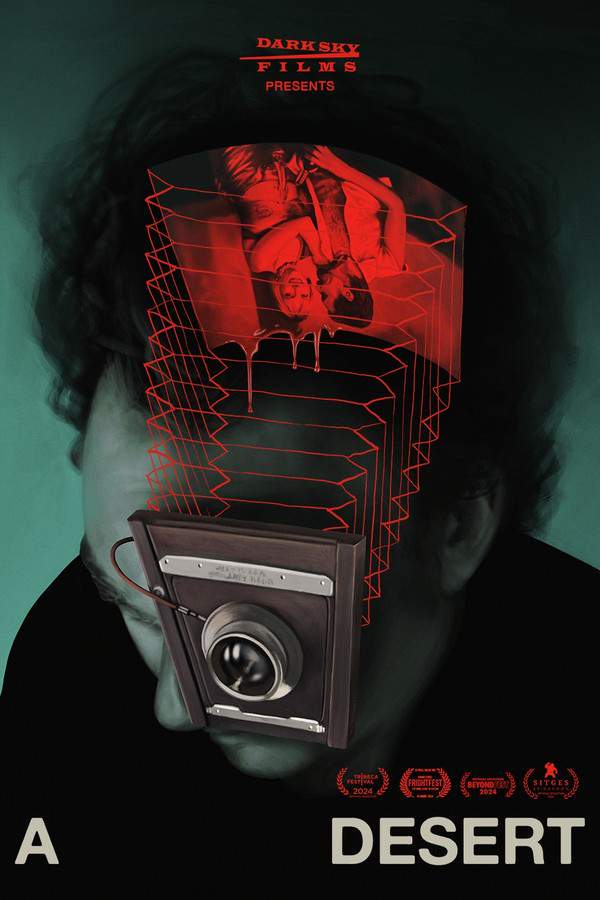
A Desert (2025) Full Summary & Key Details
Death Valley (1982) Film Overview & Timeline
High Desert Kill (1989) Spoiler-Packed Plot Recap
The Dunes (2021) Story Summary & Characters
The Canyonlands (2021) Full Movie Breakdown
Desert Shadows (2022) Detailed Story Recap
Malibu Horror Story (2023) Spoiler-Packed Plot Recap
High Desert (1993) Story Summary & Characters
Evil Things (2009) Full Summary & Key Details
Horror in the High Desert 3: Firewatch (2024) Movie Recap & Themes
#MissingCouple (2024) Plot Summary & Ending Explained
The Expedition (2008) Full Movie Breakdown
Desert Fiends (2024) Story Summary & Characters