Year: 2007
Runtime: 109 min
Language: English
Director: Geoffrey Wright
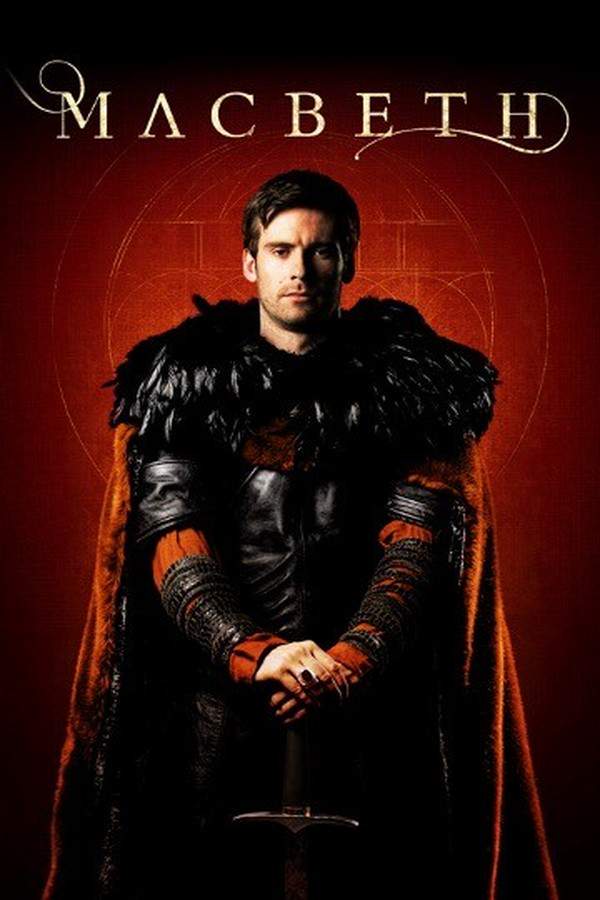
Driven by the prophecies of three witches, a valiant Scottish general murders his king and seizes the throne. Consumed by guilt and paranoia, he embarks on a ruthless campaign to secure his reign, leading to escalating violence and betrayal. As his actions unleash a cycle of revenge, Macbeth’s ambition ultimately leads to his tragic downfall and the restoration of order.
Warning: spoilers below!
Haven’t seen Macbeth yet? This summary contains major spoilers. Bookmark the page, watch the movie, and come back for the full breakdown. If you're ready, scroll on and relive the story!
Read the complete plot breakdown of Macbeth (2007), including all key story events, major twists, and the ending explained in detail. Discover what really happened, and what it all means.
In a quiet cemetery, the Weird Sisters—three schoolgirl witches—mark the day with mischief, tearing at headstones and statues while nearby Lady Macbeth mourns beside a stone labeled “beloved son,” with Macbeth standing close by. The trio of spectral visions hints at a meeting with Macbeth later, and after setting their plan in motion, they drift away into the shadows.
Back in Inverness, Macbeth accompanies Duncan and his entourage on a dangerous pursuit: a tense drug-fueled deal with Macdonwald and his gang. A fierce gunfight erupts, and Macdonwald’s men are all wiped out. In the chaos, Banquo and Macbeth pursue the fleeing gunmen to the Cawdor Club, where they seize the club and kill its owner in a swift, decisive moment.
Duncan grants the club to Macbeth, who celebrates with Banquo by drinking the club’s alcohol and taking pills found on a table. During this hallucinatory drug trip, Macbeth encounters the three witches again, who prophesize that he will soon rise to a position of power within Duncan’s circle and command the gang. He shares this eerie forecast with his wife, who questions whether he truly has the ruthlessness needed to seize the throne. When she learns that Duncan will be their guest at Inverness, she hatches a plan with Macbeth to kill him.
Lady Macbeth engineers a chilling betrayal by drugging Duncan’s bodyguards, and while they sleep, Macbeth steals their knives and murders Duncan, framing the guards for the crime. Macduff arrives at Inverness to discover Duncan murdered in his bed, and the guards are promptly slain by Macbeth to erase any alibi. Duncan’s son Malcolm flees, instantly suspecting Macbeth’s hand in his father’s death.
With Duncan dead, Macbeth is proclaimed leader by much of Duncan’s faction. Yet the shadow of guilt lingers as Macbeth sends assassins to eliminate Banquo and his son Fleance. The plan secures Banquo’s death, but Fleance escapes, leaving Macbeth with a growing sense of unease as the night’s celebrations continue. At a formal banquet, Macbeth is startled by Banquo’s ghost appearing at the table, and his behavior unsettles everyone else. The atmosphere tightens as Lennox, Ross, and others begin to suspect that Macbeth’s rise has been tainted by murder.
Seeking answers, Macbeth confronts the witches again at his own home. After a brutal, feverish encounter with them and a foul potion, he asks for glimpses of the future. The witches warn him to fear Macduff and reveal a chilling set of prophecies: no man “of woman born shall kill you,” but also that Macbeth will not reign forever. They show him a vision of Fleance being hailed as the next gang leader, and their sudden disappearance leaves Macbeth inflamed with both fear and arrogance. In a fit of rage, he orders the murderers to strike Macduff’s home, brutally killing Lady Macduff and her young son.
Lennox and Ross inform Macduff of the mounting treachery, and Malcolm urges him to recognize that Macbeth has gone far beyond mere ambition. Lady Macbeth’s grip on sanity continues to fade as she relives the night of Duncan’s murder, repeatedly washing imagined blood from her hands until a doctor must tranquilize her. Macbeth, now hardened and paranoid, steels himself for the coming assault from Macduff, Lennox, and Ross. Lady Macbeth’s despair culminates in suicide, leaving Macbeth to confront an imminent siege with only Seyton and a small remnant of guards.
The clash intensifies as the army approaches Burnham Wood. Macbeth’s forces are met and driven back toward Dunsinane, where a final confrontation unfolds. Malcolm’s troops encircle the fortress, and in a brutal chase, Macbeth is cornered in the cellar, where he confronts Macduff in mortal combat and is wounded. He staggers to his bedroom, where Lady Macbeth’s body remains, and dies there at her side, marking the end of a ruthless ascent.
As the fighting subsides, Macduff carries Fleance away, now heir to the former gang leadership, and the familiar lament of tomorrow’s endless cycle echoes in the air: “tomorrow, and tomorrow, and tomorrow.” The aftermath settles over the battlefield as Malcolm asserts control and the brutal tumult of power finally gives way to a fragile, uneasy peace.
Last updated: November 22, 2025 at 15:58
Explore frequently asked questions about Macbeth (2007) with spoiler-rich answers covering the full plot summary, major story beats, character motivations, hidden details, and ending meaning. This movie summary FAQ helps explain confusing scenes, plot twists, and narrative decisions in clear, searchable detail.
The Weird Sisters are reimagined as schoolgirl witches who begin the film desecrating a cemetery beside Lady Macbeth's vigil. This modern take uses their youthful appearance to emphasize the corruption of innocence and foreshadows the descent into moral decay that will consume Macbeth and his wife throughout the story.
The opening scene shows the witches planning to meet Macbeth later, setting up their prophetic encounter during his drug trip.
Macbeth is persuaded by Lady Macbeth after the witches prophesy he will rise to Duncan's position. Initially hesitant, he succumbs to his wife's relentless manipulation and the prophetic promise of power. Lady Macbeth drugs Duncan's guards first, then frames them for the murder, giving Macbeth the opportunity to steal their knives and kill Duncan in his chamber.
Before the murder, Lady Macbeth questions whether Macbeth has the ruthlessness needed, showing her intent to push him toward the deed.
Lady Macbeth drugs Duncan's bodyguards, rendering them unconscious. While they sleep, Macbeth steals their knives and uses them to murder Duncan. After the crime, the guards are found with blood on their weapons, and Macbeth kills them to prevent them from proving their innocence, effectively erasing his own alibi.
The plan is hatched when Lady Macbeth learns Duncan will be their guest at Inverness.
Banquo's ghost appears at Macbeth's celebratory dinner because Macbeth ordered his murder, ridden with guilt over his betrayal of his closest companion. The ghost represents Macbeth's fractured psyche and mounting paranoia, manifesting at the very moment he tries to celebrate his stolen throne. His visible terror unnerves the guests and deepens their suspicions about how he obtained his power.
Macbeth previously sent two killers to eliminate Banquo and Fleance, succeeding only in killing Banquo.
The witches tell Macbeth that no man born of woman can kill him, giving him false confidence. However, Macduff was born via cesarean section, technically making him 'not of woman born' in the traditional sense. This loophole allows Macduff to fulfill the prophecy and kill Macbeth during the final battle at Dunsinane.
The witches also warn Macbeth to fear Macduff specifically, narrowing the threat.
After learning from the witches that his reign will never be secure and seeing a vision of Fleance as the future leader, Macbeth flies into a rage and dispatches murderers to Macduff's home. Seeking to eliminate potential threats and revenge against Macduff who has fled to join the rebellion, the assassins kill Lady Macduff and her young son in a brutal attack.
The witches' prophecy enrages Macbeth, and Macduff has already fled to join Siward and Malcolm's forces.
Lady Macbeth's sanity crumbles under the weight of her guilt over orchestrating Duncan's murder. She becomes obsessed with repeatedly washing her hands, convinced she can remove imagined bloodstains. The trauma overwhelms her completely, requiring a doctor to tranquilize her, and she ultimately commits suicide before Macbeth's final battle.
Her guilt was foreshadowed from the moment she pushed Macbeth toward the murder, and it consumes her progressively.
Macbeth is killed by Macduff during the final assault on Dunsinane. Malcolm's forces surround the fortress, driving Macbeth's army back. Macbeth is cornered in the cellar and wounded in combat with Macduff. He staggers to his bedroom, where Lady Macbeth's body lies, and dies there beside her.
The witches' prophecy about 'no man of woman born' killing him proved misleading, and Macduff's unusual birth provided the loophole.
After Macbeth is killed, Fleance, Banquo's son who escaped Macbeth's assassination attempt, emerges as the heir to the former gang leadership. Macduff carries Fleance away from the battlefield to ensure his safety, and he is hailed as the next leader, suggesting the cyclical nature of violence and power continues despite Macbeth's downfall.
The witches previously showed Macbeth a vision of Fleance being hailed as the future gang leader, which had enraged him.
After seizing the Cawdor Club, Macbeth and Banquo celebrate by drinking alcohol and taking pills found on the table. During this hallucinatory state, the three witches appear and prophesy that Macbeth will soon hold Duncan's position and command the gang. This vision propels Macbeth toward his ambitions for the throne.
The witches' prophecy directly triggers Macbeth's ambition to murder Duncan and seize power.
Discover curated groups of movies connected by mood, themes, and story style. Browse collections built around emotion, atmosphere, and narrative focus to easily find films that match what you feel like watching right now.
Stories where ambition fuels a violent spiral of guilt and paranoia.Explore movies like Macbeth where ambition leads to a feverish spiral of violence and psychological torment. These stories feature protagonists consumed by guilt and paranoia, offering a dark and intense cinematic experience with bleak endings.
These narratives typically follow a linear but escalating path: a character is given a tempting opportunity or prophecy, commits a pivotal act of betrayal or violence to seize power, and then descends into a state of corrosive paranoia and guilt, resulting in a complete moral and physical downfall.
Movies are grouped here for their shared focus on the psychological corrosion of ambition. They blend high-intensity drama with a dark, oppressive tone, fast pacing that mirrors the protagonist's frantic grip on power, and a heavy emotional weight centered on guilt and despair.
Gritty, tragic crime stories where violence begets more violence.If you liked the gritty criminal underworld and tragic arc of Macbeth, discover more brutal crime tragedies. These films merge fast-paced thriller elements with heavy emotional drama, showcasing characters doomed by their own ambitions in a violent world.
The narrative pattern is one of cyclical violence. A crime, often a murder for power, sets off an unstoppable chain reaction of betrayal and revenge. The protagonist, while initially powerful, is trapped by their actions, leading to a conclusion that restores a harsh order through their destruction.
These films share a specific mix of genre (crime/drama/thriller), a fast and relentless pacing, a high level of brutal violence, and a fundamentally tragic structure. The experience is defined by its grim atmosphere, heavy emotional impact, and ultimately bleak worldview.
Don't stop at just watching - explore Macbeth in full detail. From the complete plot summary and scene-by-scene timeline to character breakdowns, thematic analysis, and a deep dive into the ending - every page helps you truly understand what Macbeth is all about. Plus, discover what's next after the movie.
Track the full timeline of Macbeth with every major event arranged chronologically. Perfect for decoding non-linear storytelling, flashbacks, or parallel narratives with a clear scene-by-scene breakdown.
Discover the characters, locations, and core themes that shape Macbeth. Get insights into symbolic elements, setting significance, and deeper narrative meaning - ideal for thematic analysis and movie breakdowns.