








Plot Explained Spoilers guaranteed!
Plot Explained

Browse by genre

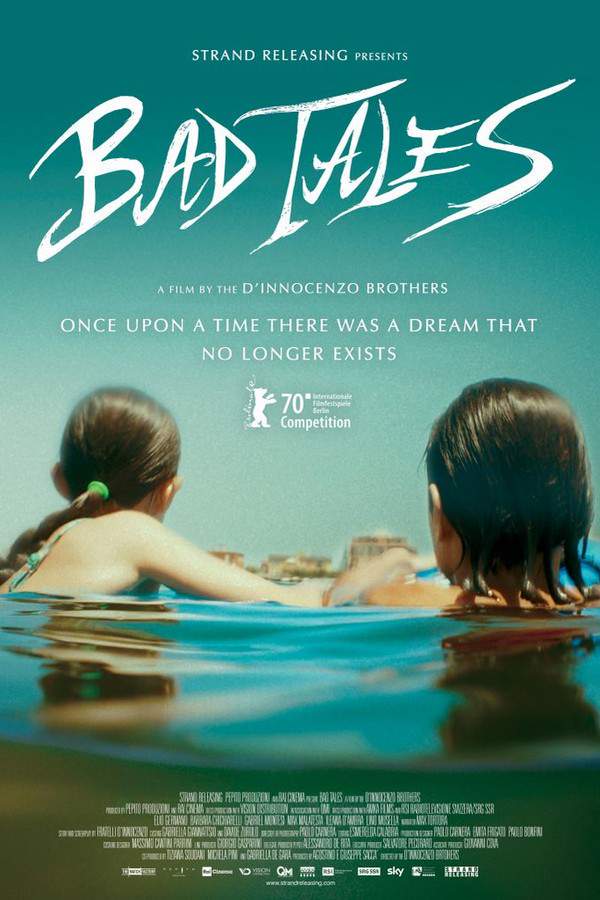
Bad Tales (2021) movie poster

Plot Summary

Bad Tales (2021) Plot Summary Explained

Release, runtime and language
2021 · 98 min · Italian
Echo score 66
JustWatch #15,365 5
Directed by
Damiano D'Innocenzo, Fabio D'Innocenzo
Starring
Justin Korovkin, Elio Germano, Max Malatesta, Lino Musella, Aldo Ottobrino, Barbara Chichiarelli

During a summer in a Rome suburb, a seemingly peaceful community masks deeper issues. Behind closed doors, families struggle with domineering parents, emotional distance, and a general lack of connection. The children, feeling ignored and misunderstood, harbor resentment that eventually erupts, exposing the fragility of the families and leading to dramatic and far-reaching consequences for everyone involved.

On this page (6)
  1. 1 Where to watch
  2. 2 What happens: full plot
  3. 3 Plot questions answered
  4. 4 Movie threads
  5. 5 Movies like Bad Tales
  6. 6 Every angle

Where to watch

Where to Watch Bad Tales (2021)

Where can you watch Bad Tales? Stream, rent or buy it in the US, including on Kanopy, Tubi TV and Amazon Video: current JustWatch availability with up-to-date prices.

Streaming availability powered by JustWatch

Full plot summary · contains spoilers

What Happens in Bad Tales: Full Plot Summary

The whole story of Bad Tales (2021) explained, from the opening scene to the final frame: every key event, every twist and what it all adds up to. Read it as a quick recap before the sequel, to check a scene you missed, or to finally understand what really happened.

This film presents a dark and surreal narrative, allegedly inspired by entries found in a young girl’s discarded diary. The authenticity of these diary entries remains questionable, creating an air of mystery. The story unfolds through a series of brief, two-minute vignettes that collectively dive into the unsettling lives of families living in a seemingly modern suburb.

Within this suburb, families are raising pubescent children, ranging from the ages of 8 to 13. These kids are unnervingly aware of the adult world, largely due to the crude behavior and deplorable antics of their parents, who openly indulge in foul language and unfiltered conversations in front of their impressionable offspring. One especially irresponsible father teaches his 12-year-old son, portrayed by Justin Korovkin, to drive their dilapidated car, offers him condoms, and even allows him to drink beer.

The film delves into the lives of a small group of children who recognize the despair surrounding their parents. Under the influence of a deranged school teacher, played by Lino Musella, they learn to create two crude yet dangerous homemade bombs. They also acquire knowledge on where to obtain inexpensive insecticides, which contain a toxic poison that affects the nervous system.

Though the bombs are discovered before they can be detonated, the film's dark themes persist. Ultimately, the story culminates in the father and son escaping their humdrum existence, while some of the other children left behind in the suburb tragically turn to suicide. The narrative acknowledges its roots, reminding us that the harrowing events that conclude this somber tale are drawn from the pages of a young girl’s diary, leaving us to ponder the truth behind her words.

Last updated: November 04, 2024 at 00:40

Was this helpful?

Plot questions answered

Bad Tales Plot Explained: Your Questions Answered

The questions people ask most about Bad Tales (2021): what happens in the confusing scenes, why the characters do what they do, the twists, hidden details and what the ending means. Each answer contains spoilers.

Q1

Why is the film presented as being from a girl's diary?

The diary framing serves as a narrative device that questions the authenticity of the story. Throughout the film, the authenticity of these diary entries remains questionable, creating an unsettling atmosphere that blurs the lines between reality and fiction. This approach adds to the film's surreal and disturbing tone, leaving viewers to ponder whether these events actually happened or were imagined by a troubled child.

Foreshadowing: The film opens by acknowledging its roots in a young girl's diary, immediately establishing the unreliable narration.

  • diary
  • framing
  • narrative device
  • 真实性
  • 可疑
Q2

Why does the father teach his 12-year-old son to drive and give him condoms?

The father represents a extreme example of negligent parenting that pervades the suburb. His actions showcase a disturbing form of mentorship where he treats his son as an adult rather than a child. By allowing the boy to drive a dilapidated car, providing condoms, and letting him drink beer, the father fails to protect his child from the adult world, essentially abandoning his parental responsibilities.

Foreshadowing: This irresponsible behavior is introduced early in the film as part of the broader pattern of parents exhibiting crude behavior in front of their children.

  • father
  • son
  • irresponsible parenting
  • condoms
  • driving
Q3

What motivates the deranged teacher to teach children about bombs?

The deranged school teacher exploits the children's vulnerability and curiosity, using his position of authority to influence a small group of kids. His twisted guidance teaches them how to create dangerous homemade bombs and where to obtain toxic insecticides. This represents how adult corruption directly pollutes the children's lives, turning their youthful curiosity into deadly knowledge.

Foreshadowing: The teacher appears at the school after the children have already been exposed to their parents' irresponsible behavior, suggesting a cycle of corrupted guidance.

  • teacher
  • school
  • bombs
  • influence
  • corruption
Q4

Why do the children decide to make bombs in Bad Tales?

The children, feeling ignored and misunderstood by their neglectful parents, harbor deep resentment. Under the deranged teacher's influence, they learn to create two crude yet dangerous homemade bombs. The film suggests their plan stems from desperation and the twisted mentorship they receive, combining youthful anger with dangerous knowledge.

Foreshadowing: The children's resentment builds as they witness their parents' crude behavior and emotional distance throughout the film.

  • children
  • bombs
  • resentment
  • teacher
  • plan
Q5

What happens to the bombs the children made?

The homemade bombs are discovered before they can be detonated. This moment captures the tension between youthful innocence and the consequences of adult recklessness. The discovery prevents a potential massacre but doesn't resolve the underlying issues that drove the children to create weapons in the first place.

Foreshadowing: Earlier scenes show the children acquiring materials and planning under the teacher's guidance, building toward this moment of near-catastrophe.

  • bombs
  • discovery
  • children
  • hiding spot
Q6

Why do some children commit suicide at the end of Bad Tales?

The children left behind in the suburb face overwhelming despair without any escape or intervention. With no adults providing proper guidance or protection, some tragically resort to suicide. This devastating outcome underscores the film's dark themes about the psychological damage inflicted upon children by neglectful parents and a toxic environment.

Foreshadowing: The film builds toward this climax throughout, with the children's dreams fading into nightmares as they struggle with their desperate circumstances.

  • children
  • suicide
  • ending
  • despair
  • tragedy
Q7

How do the father and son escape the suburb?

The father and son choose to leave their humdrum and distressing existence behind. While the film doesn't detail the exact method of their escape, their departure represents a rare moment of agency in the film. They manage to find a way out of the toxic environment, though the film leaves their ultimate fate ambiguous.

Foreshadowing: The bond between the father and son, despite his poor parenting choices, hints at their potential to escape together.

  • father
  • son
  • escape
  • leaving
  • suburb
Q8

What is the significance of the insecticides in the film?

The children acquire knowledge of inexpensive insecticides that contain toxic poison affecting the nervous system. Under the teacher's guidance, these toxic substances represent another avenue of destruction available to the manipulated children. While the bombs are the primary focus, the insecticides symbolize the pervasive availability of dangerous means in this corrupted environment.

Foreshadowing: The acquisition of toxic materials occurs alongside the bomb-making education, showing the breadth of dangerous knowledge the teacher provides.

  • insecticides
  • poison
  • nervous system
  • toxic
  • chemicals
Q9

Why are the children so aware of adult world issues?

The children aged 8 to 13 are disturbingly aware of the adult world because their parents openly exhibit crude behavior. The parents engage in foul language and unfiltered conversations in front of their impressionable offspring without regard for the impact. This exposure forces the children to confront adult realities prematurely, shaping their perception of the world and contributing to their psychological damage.

Foreshadowing: Early scenes establish the pattern of parents speaking and behaving inappropriately in front of their children.

  • children
  • awareness
  • parents
  • adult world
  • exposure
Q10

What happens to the children who don't escape?

The children who remain in the suburb face tragic fates. Unlike the father and son who manage to escape, these children are left alone in their despair with no adults to protect or help them. Some tragically commit suicide, while others are presumably left to continue suffering in the toxic environment. The film emphasizes that the escape was not available to everyone.

Foreshadowing: The contrast between the father-son escape and the remaining children sets up the tragic fate of those left behind.

  • children
  • left behind
  • trapped
  • fate
  • suicide

Movie threads

More Movies Like Bad Tales, by Mood & Story

Curated lists built around what makes Bad Tales tick: the same mood, the same kind of story or the same emotional payoff. Each list explains why these movies belong together.

Movies about suburban decay and secrets like Bad Tales

Stories where the sterile facade of suburbia hides a rot of dysfunction. If you were captivated by the oppressive atmosphere of 'Bad Tales', explore more movies like it that delve into the dark secrets and psychological decay hidden beneath the surface of suburban life. These similar dramas and thrillers expose the fragility of families and communities.

  • oppressive
  • claustrophobic
  • disturbing
  • somber
  • unsettling
  • melancholic
  • Tone: dark, unsettling, bleak
  • Pacing: slow, deliberate
Why these movies?

The story pattern: Narratives often unfold through interconnected stories or a central family unit, slowly peeling back layers of normalcy to reveal profound neglect, abuse, or emotional turmoil. The conflict arises from the clash between public appearance and private reality, building towards a climax that shatters the community's illusion of peace.

Why they belong together: These films are grouped by their shared setting and thematic focus. They create a powerful, unsettling mood by using familiar, everyday environments as a backdrop for intense psychological drama, making the descent into darkness feel both shocking and inevitable.


Slow burn dramas with tragic endings like Bad Tales

A creeping sense of doom builds quietly towards an unavoidable, devastating conclusion. For viewers who appreciated the deliberate pacing and overwhelming dread of 'Bad Tales', this list features similar movies with a slow burn structure. Discover more emotionally heavy films where a sense of impending tragedy builds to a sad or bleak conclusion.

  • slow burn
  • dread
  • tragic
  • somber
  • heavy
  • uneasy
  • Tone: bleak, tense, melancholic
  • Pacing: slow burn, atmospheric
Why these movies?

The story pattern: The narrative structure prioritizes atmosphere and character psychology over plot twists. The story unfolds gradually, focusing on small, telling details and strained interactions that accumulate weight. The journey is defined by a foreboding sense of inevitability, where the emotional devastation of the ending feels earned by the careful, unsettling groundwork.

Why they belong together: These films are united by their specific pacing and emotional arc. They offer a challenging, immersive experience defined by a patient build-up of psychological unease and a commitment to a deeply somber or tragic resolution, leaving a lasting emotional impact.

If you liked this

Movies Like Bad Tales

Similar movies to Bad Tales: the same genre, themes or kind of story. Each one comes with its own plot summary, timeline and ending explained.

Browse all movie summaries

Every angle

Bad Tales (2021) Explained: Plot, Timeline & Characters

Everything about Bad Tales in one place: what happens in the plot summary, the timeline in chronological order, the characters and meaning and a spoiler-free summary. What's After the Movie adds the cast, box office and post-credit scenes.

Coming soon on iOS and Android

The Plot Explained Movie Summary App

Plot summaries, endings explained and timelines on your phone. Catch up on any movie in minutes, save your favorites and never miss a twist again.

Be the first to know when we launch. Your email stays private, always.

Learn more about the app