















Plot Explained Spoilers guaranteed!
Plot Explained

Browse by genre

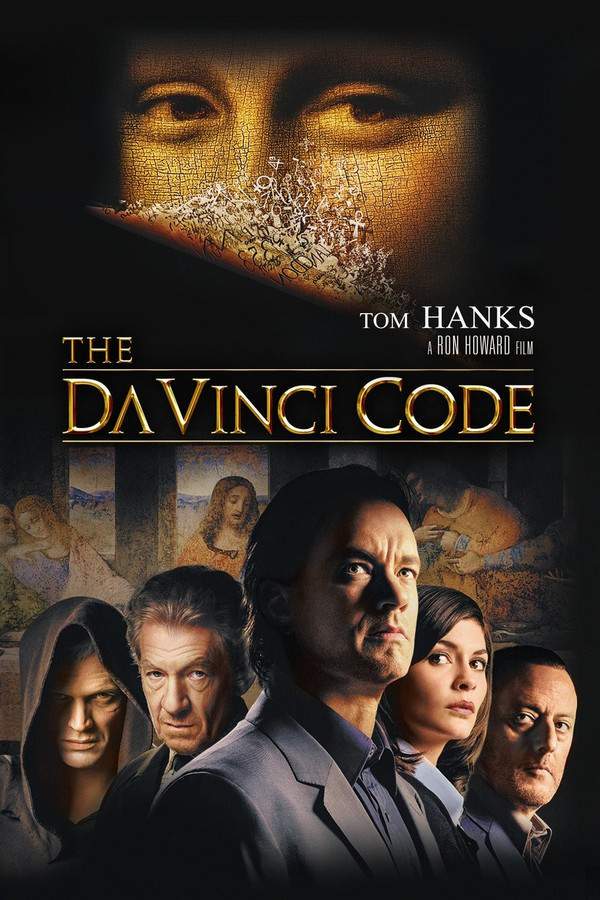
The Da Vinci Code (2006) movie poster

Characters & Themes

The Da Vinci Code (2006) Characters, Setting & Themes Explained

Release, runtime and language
2006 · 149 min · English
JustWatch #594 30
Directed by
Ron Howard
Starring
Tom Hanks, Audrey Tautou, Jean Reno
Budget
$125M

A brutal murder at the Louvre Museum in Paris sets a symbologist on a dangerous quest. Following a trail of cryptic clues concealed within Leonardo da Vinci's iconic paintings, he uncovers a centuries-old mystery connected to the Holy Grail. The investigation leads him through a labyrinth of secrets and deception, challenging established religious beliefs and historical narratives, and placing him in the path of powerful adversaries determined to protect the truth.

On this page (9)
  1. 1 Where to watch
  2. 2 Characters explained (4)
  3. 3 Where & when it takes place
  4. 4 Themes & meaning (2)
  5. 5 Character & meaning questions
  6. 6 The book behind the movie
  7. 7 Movie threads
  8. 8 Movies like The Da Vinci Code
  9. 9 Every angle

Where to watch

Where to Watch The Da Vinci Code (2006)

Where can you watch The Da Vinci Code? Stream, rent or buy it in the US, including on fuboTV, Netflix and Netflix Standard: current JustWatch availability with up-to-date prices.

Streaming availability powered by JustWatch

4 main characters · contains spoilers

The Da Vinci Code Characters Explained: Who Is Who

The main characters of The Da Vinci Code (2006), heroes and villains: what drives them, how they change over the course of the story and what each of them reveals about the film's bigger ideas.

  • Robert Langdon (Tom Hanks)

    Robert Langdon is a highly regarded symbologist whose expertise in symbols and their meanings thrusts him into a dangerous investigation. He exhibits intelligence and resourcefulness as he navigates ancient puzzles and dangerous adversaries, all while confronting profound questions about faith and legacy. Langdon's analytical mindset often clashes with the emotional weight of the truths he uncovers.

    • 🧠 Intellect
    • 🔎 Investigator
    • 🚀 Adventurer
  • Sophie Neveu (Audrey Tautou)

    Sophie Neveu is a brilliant cryptologist with a personal stake in the unfolding mystery as she seeks the truth about her grandfather's death. Driven and clever, Sophie combines her analytical skills with a deep emotional connection to her family's past. Her journey of self-discovery not only aids in the investigation but also ties her to the larger narrative of faith and heritage.

    • 🕵️‍♀️ Cryptologist
    • 🧩 Puzzle Solver
    • 💔 Legacy
  • Silas (unknown actor)

    Silas is a conflicted antagonist driven by deep religious convictions and loyalty to the extremist group Opus Dei. His intense devotion leads him to commit heinous acts in the name of faith, which ultimately reveals the dangers of zealotry. Despite his ruthless actions, he embodies the theme of seeking atonement, showcasing the complexities of belief and morality.

    • 🔪 Villain
    • ⛪ Zealot
    • ⚖️ Morality
  • Bishop Manuel Aringarosa (unknown actor)

    Bishop Aringarosa is a cunning figure who manipulates events from behind the scenes, aligning himself with Silas and the interests of Opus Dei. His sophisticated demeanor masks ulterior motives that contribute to the overarching tension of the plot. As a symbol of religious authority, he represents the intricate power dynamics tied to faith and secrecy.

    • ⛪ Authority
    • ⚖️ Manipulator
    • 🎭 Deceptive

Last updated: October 22, 2024 at 20:33

Was this helpful?

Setting

Where and When Does The Da Vinci Code Take Place?

The setting of The Da Vinci Code (2006): the year and time period, the places and locations, and how they shape the characters, the mood and the tension of the story.

Time period

Modern Day

Set in contemporary times, the narrative leverages modern technology such as GPS tracking and armed security, juxtaposed with timeless historical elements tied to renowned figures and works of art. The quest for knowledge concerning ancient secrets and religious lore drives the urgency of the plot, reflecting modern society's enduring intrigue with history and beliefs. This backdrop enhances the stakes as characters navigate both physical and intellectual challenges.

Location

Paris, Bois De Boulogne, Zurich, London, Rosslyn Chapel, Westminster Abbey, Louvre

The movie unfolds primarily in the iconic city of Paris, home to the Louvre Museum where pivotal scenes occur, including a gruesome crime scene and a series of symbol-hunting adventures. The serene Bois De Boulogne offers a moment of respite amidst the chaos, while the Depository Bank of Zurich becomes a critical location for unraveling a key mystery. With thrilling chase sequences leading to London and its notable Westminster Abbey, the narrative eventually concludes at the enigmatic Rosslyn Chapel in Scotland, steeped in historical lore.

  • 🏛️ Historical
  • 🇫🇷 Paris
  • 🏦 Banking
  • ✈️ Travel
  • 🏰 Chapel

Last updated: October 22, 2024 at 20:33

Was this helpful?

2 major themes

The Da Vinci Code Meaning: Themes & Message Explained

What is The Da Vinci Code (2006) really about? The emotional, social and philosophical themes the film keeps returning to, its symbolism and the message beneath the surface.

  • Knowledge vs. Faith

    The film explores the tension between knowledge and faith, particularly through the character of Robert Langdon, who represents rationality and intellectual pursuit. As he uncovers secrets that challenge long-held beliefs about religion, viewers are prompted to consider the intersections of truth and spirituality. This theme resonates deeply, as each revelation brings into question the establishment of dogma versus the quest for personal understanding.

  • Secrets and Betrayal

    A recurring theme is the presence of secrets, which catalyze much of the film's action and conflict. Characters are often entangled in webs of deception, from Silas's blind loyalty to the enigmatic Teacher to the betrayals experienced by Langdon and Sophie. The concept of hidden truths, whether in art, history, or personal relationships, drives the narrative forward, emphasizing the complexity of human motivations.

Last updated: October 22, 2024 at 20:33

Was this helpful?

Character & theme questions

The Da Vinci Code Characters & Meaning: Your Questions Answered

The questions people ask about The Da Vinci Code (2006): who the characters really are, their relationships, what the symbols mean, where it takes place and what the movie is really about. Each answer contains spoilers.

Q1

Where does the movie primarily take place?

The story unfolds across several iconic European locations. It begins at the Louvre Museum in Paris, where a brutal murder sets the investigation in motion. Key scenes also take place in Zurich at the Depository Bank, in London near Westminster Abbey, and ultimately at Rosslyn Chapel in Scotland, which holds the centuries-old mystery.

  • paris
  • louvre
  • rosslyn chapel
  • london
  • zurich
  • locations
  • setting
Q2

What time period is the movie set in?

The Da Vinci Code is set in contemporary modern day. The story uses current technology like GPS tracking and armed security, contrasted with ancient historical elements involving Renaissance art and centuries-old religious secrets. This juxtaposition creates tension between present-day investigation methods and timeless mysteries.

  • modern day
  • contemporary
  • time period
  • era
Q3

What is the main theme of the movie?

The film explores the tension between knowledge and faith, particularly through Robert Langdon, who represents rationality and intellectual pursuit. As he uncovers secrets that challenge established religious beliefs, viewers are prompted to consider the intersections of truth and spirituality. The story questions whether historical facts and dogma can coexist.

  • knowledge
  • faith
  • theme
  • religion
  • belief
  • truth
Q4

Who is Robert Langdon and what is his role?

Robert Langdon is a renowned symbologist, a scholar specializing in interpreting symbols and their hidden meanings. His expertise in understanding iconography and historical codes makes him uniquely qualified to decode the cryptic clues left behind. He represents the voice of reason and analytical thinking throughout the investigation.

  • robert langdon
  • symbologist
  • protagonist
  • expert
Q5

Who is Sophie Neveu and why is she involved?

Sophie Neveu is a brilliant cryptologist working alongside Langdon. She has a deeply personal stake in the mystery as she seeks the truth about her grandfather's death. Her analytical skills complement Langdon's symbolic expertise, and her family connection to the ancient secret adds emotional depth to the investigation.

  • sophie neveu
  • cryptologist
  • grandfather
  • investigation
Q6

What role does Opus Dei play in the story?

Opus Dei is portrayed as a powerful Catholic organization whose members will go to extreme lengths to protect certain secrets. The film depicts Silas as a zealous member who commits violent acts in the name of faith, while Bishop Aringarosa operates as a calculating figure behind the scenes. The organization represents the theme of religious authority protecting established beliefs.

  • opus dei
  • silas
  • bishop aringarosa
  • religious organization
  • church
Q7

What is the theme of secrets and betrayal about?

Secrets drive much of the film's conflict and action. Characters are entangled in webs of deception, from Silas's blind loyalty to his mysterious leader, to various betrayals that unfold between allies. The concept of hidden truths, whether in famous artworks, historical records, or personal relationships, propels the narrative forward and reveals the complexity of human motivations.

  • secrets
  • betrayal
  • deception
  • mystery
  • hidden truth
Q8

Why is Rosslyn Chapel significant in the story?

Rosslyn Chapel in Scotland serves as the final destination of the quest, steeped in historical lore and mystery. The chapel holds the key to the centuries-old secret about the Holy Grail's true meaning. Its mysterious architecture and rich history make it the perfect setting for the climactic revelation.

  • rosslyn chapel
  • scotland
  • chapel
  • holy grail
  • secret
Q9

What does the movie say about knowledge versus religion?

The film presents a dialogue between intellectual inquiry and religious faith. Langdon's quest for truth through historical evidence and symbology challenges long-held religious dogma. The story suggests that the pursuit of knowledge can conflict with established belief systems, yet both elements are portrayed as powerful forces in human experience.

  • knowledge
  • religion
  • dogma
  • truth
  • faith
  • history
Q10

Who is Silas and what represents his character?

Silas is a conflicted antagonist driven by intense religious conviction and loyalty to Opus Dei. His zealous devotion leads him to commit violent acts in the name of faith. He represents the dangers of blind zealotry and the theme of seeking atonement, showcasing how extreme belief can corrupt moral judgment.

  • silas
  • antagonist
  • zealot
  • opus dei
  • religious fanatic
Q11

What happens at the Louvre Museum at the start?

The movie opens with a gruesome murder at the Louvre Museum in Paris, where the curator is found dead in the museum's galleries. This pivotal crime scene sets the entire investigation in motion, with cryptic clues left alongside the body that only a symbologist like Robert Langdon could decipher.

  • louvre museum
  • paris
  • murder
  • crime scene
  • opening
Q12

How does the movie portray religious authority?

The film portrays religious authority as complex and sometimes corrupt. Characters like Bishop Aringarosa manipulate events from behind the scenes to protect institutional power. The story suggests that those in positions of religious authority may prioritize protecting their organization's interests over truth, creating tension between faith and transparency.

  • religious authority
  • church power
  • bishop aringarosa
  • institution

Movie threads

More Movies Like The Da Vinci Code, by Mood & Story

Curated lists built around what makes The Da Vinci Code tick: the same mood, the same kind of story or the same emotional payoff. Each list explains why these movies belong together.

High-Stakes Conspiracy Thrillers like The Da Vinci Code

Race against time to uncover a world-altering secret before it's too late. If you enjoyed the urgent puzzle-solving and historical revelations of The Da Vinci Code, you'll love these movies. This section features thrilling stories where characters race to expose world-altering conspiracies, blending intellectual mystery with high-stakes action and tense escapes from powerful enemies.

  • urgent
  • suspenseful
  • thought-provoking
  • clandestine
  • gripping
  • anxious
  • Tone: tense, paranoid
  • Pacing: fast, relentless
Why these movies?

The story pattern: The narrative typically begins with an inciting incident—like a murder or a discovered artifact—that reveals a fragment of a larger, hidden truth. The protagonist, often an expert in a specific field, is thrust into a quest to connect the dots, facing escalating danger and deception as they get closer to a secret powerful enough to shake society's foundations.

Why they belong together: These films are grouped by their shared engine of a high-pressure investigation into a massive conspiracy. They deliver a consistent vibe of urgency, intellectual challenge, and paranoia, where the thrill comes from both physical escapes and the mental cracking of complex puzzles that have profound implications.

Intellectual Mystery Movies with Heavy Themes like The Da Vinci Code

Journeys where solving a puzzle forces a confrontation with profound truths. For viewers who loved the theological and historical challenges in The Da Vinci Code, this section collects movies where a complex mystery unravels to reveal profound, often burdensome, truths. These stories blend intricate puzzles with heavy emotional and philosophical consequences, making you question what you know.

  • thought-provoking
  • heavy
  • complex
  • philosophical
  • unsettling
  • revealing
  • Tone: thought-provoking, heavy
  • Pacing: steady to fast, driven by discovery
Why these movies?

The story pattern: The plot revolves around deciphering a complex mystery—be it a code, an ancient artifact, or a series of enigmatic events. The process of discovery forces characters to challenge their own beliefs and confront powerful institutions. The climax often involves a bittersweet revelation; the truth is uncovered, but its full impact cannot be publicly known, leaving a lasting emotional and intellectual residue.

Why they belong together: These films share a focus on the emotional and intellectual gravity of the quest itself. The similarity lies in the blend of a complex, clue-based narrative with themes that carry significant weight, resulting in a thought-provoking experience that lingers long after the immediate mystery is solved.

If you liked this

Movies Like The Da Vinci Code

Similar movies to The Da Vinci Code: the same genre, themes or kind of story. Each one comes with its own plot summary, timeline and ending explained.

Browse all movie summaries

Every angle

The Da Vinci Code (2006) Explained: Plot, Timeline & Characters

Everything about The Da Vinci Code in one place: what happens in the plot summary, the timeline in chronological order, the characters and meaning and a spoiler-free summary. What's After the Movie adds the cast, box office and post-credit scenes.

Coming soon on iOS and Android

The Plot Explained Movie Summary App

Plot summaries, endings explained and timelines on your phone. Catch up on any movie in minutes, save your favorites and never miss a twist again.

Be the first to know when we launch. Your email stays private, always.

Learn more about the app