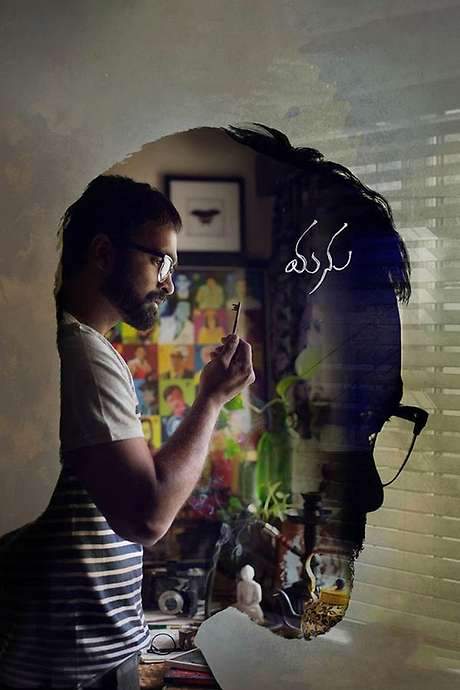
Vinci Da, a gifted prosthetics artist who learned his craft from his father, guides the narration with a quiet, observant voice through a world where art weaponizes crime and consequences loom large. It opens with the 18-year-old Adi Bose, whose father, in a drunken rage, brutalizes his mother. He pleads for him to stop, but the abuse continues until, in a moment of fury, Adi strikes back with his cricket bat and kills his father. He calls the police and ends up in a mental asylum, a flashpoint that echoes through the lives of everyone around him. Meanwhile, Vinci Da’s own father dies, leaving him to wrestle with a harsh reality: Tollywood does not fully recognize his talent. His love interest, Jaya, is a woman who stammers, adding another layer of fragility and resilience to the world he paints with plaster, latex, and longing.
As time passes, Adi Bose leaves prison and fashions himself as a self-styled “serial lawyer,” someone who tries to mete out justice by re-enacting crimes he believes he has righted in the past. To execute his plans with chilling efficiency, he lures Vinci Da into a director’s role and manipulates him into crafting the mask of businessman Shyam Sundar Jaiswal, a man acquitted in a massive 2500 crore scam. Donning the mask, Adi Bose robs a bank and, in the course of the crime, kills a security guard. Jaiswal is arrested soon after, but the shocking revelation reaches Vinci Da the next day in the form of news coverage, leaving him distraught. He cannot shake the belief that his art has been misused for crime, and the memory of the innocent guard weighs heavily on him. When Adi Bose senses Vinci Da’s hesitation to produce more masks, he exploits the fear with videos he secretly captured while Vinci Da was shaping the first disguise.
Under duress, Vinci Da is forced to sculpt the mask of a politician’s son who was acquitted after driving his car into homeless people. Wearing that mask, Adi Bose drives his car over sleeping pedestrians and frames the son for the carnage. Vinci Da confronts a grim, almost cinematic grief—after meeting the homeless man’s son, he is overwhelmed by guilt and self-blame for the role his craft played in the tragedy. He attempts to convince Adi Bose that he is not complicit in the crimes, but Adi Bose remains convinced of his own cause. The violence escalates when Vinci Da creates a third mask, that of a rapist. Adi Bose uses it to abduct a girl from the roadside, rape her, film the assault, and release the clip to the media. The rapist is arrested and imprisoned, but the cost is intimate and devastating: Vinci Da discovers that the raped girl is none other than Jaya, a revelation that shatters him and triggers a deep, personal crisis. Jaya attempts suicide but is saved by Vinci Da in the nick of time.
Driven by vengeance, Vinci Da engineers a plan: he poisons Inspector Bijoy Poddar at Adi Bose’s home and then dons a mask that resembles Adi Bose to shoot a video that appears to reveal his own death. The ruse is almost successful, until Inspector Bijoy Poddar recognizes the deceptions in the voice and the setup, uncovering the incriminating videos that Adi Bose had filmed at Vinci Da’s residence. The authorities move to arrest the conspirators, but Vinci Da and Jaya manage to escape the city, disguised as an old couple, leaving the final act of retribution and pursuit open to interpretation and reflection.