Plot Explained Spoilers guaranteed!
Plot Explained

Browse by genre

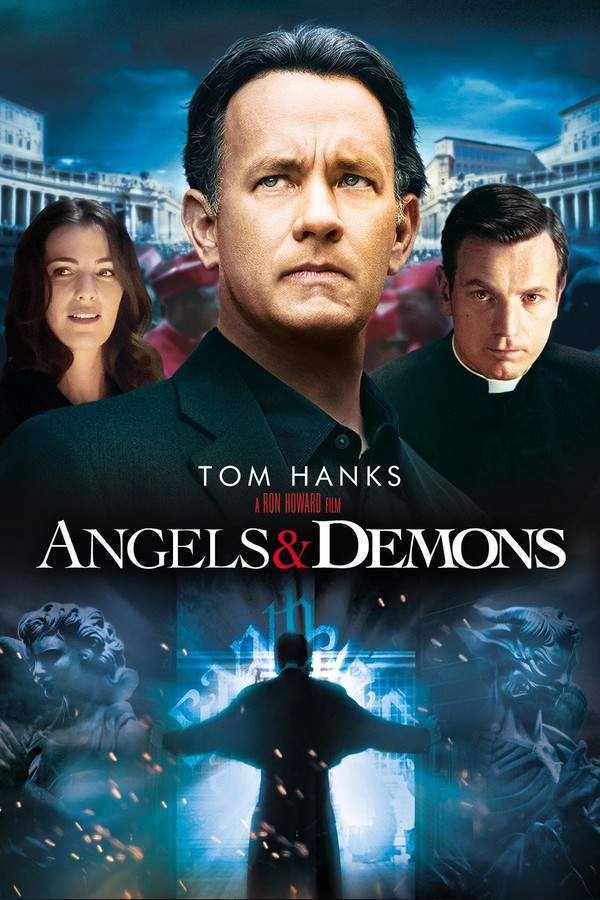
Angels & Demons (2009) movie poster

Plot Summary

Angels & Demons (2009) Plot Summary Explained

Release, runtime and language
2009 · 138 min · English
JustWatch #4,788 20
Directed by
Ron Howard
Starring
Tom Hanks, Ewan McGregor, Ayelet Zurer
Budget
$150M

A deadly chain of events draws Harvard symbologist Robert Langdon into a perilous race against time. Alongside scientist Vittoria Vetra, he must decipher complex clues left by the secret society, the Illuminati. As an ancient threat unfolds, they navigate hidden chambers beneath Rome, including secret crypts and the Vatican's sacred vaults. Their quest to uncover centuries-old secrets becomes a desperate fight to protect the Catholic Church and prevent widespread destruction in a deadly game of intrigue.

On this page (7)
  1. 1 Where to watch
  2. 2 What happens: full plot
  3. 3 Plot questions answered
  4. 4 The book behind the movie
  5. 5 Movie threads
  6. 6 Movies like Angels & Demons
  7. 7 Every angle

Where to watch

Where to Watch Angels & Demons (2009)

Where can you watch Angels & Demons? Stream, rent or buy it in the US, including on Philo, Starz and Amazon Video: current JustWatch availability with up-to-date prices.

Streaming availability powered by JustWatch

Full plot summary · contains spoilers

What Happens in Angels & Demons: Full Plot Summary

The whole story of Angels & Demons (2009) explained, from the opening scene to the final frame: every key event, every twist and what it all adds up to. Read it as a quick recap before the sequel, to check a scene you missed, or to finally understand what really happened.

The Catholic Church finds itself in a state of deep mourning following the unexpected death of Pope Pius XVI. As the Vatican prepares for the papal conclave to elect his successor, Father Patrick McKenna, the Camerlengo, temporarily assumes control during this period of vacancy. Meanwhile, at CERN, two scientists, Father Silvano Bentivoglio and Dr. Vittoria Vetra, have been conducting groundbreaking experiments involving antimatter, producing three canisters that could change the very fabric of science itself. However, their progress is tragically interrupted when Vetra discovers Silvano has been murdered and one of the canisters is missing.

The situation escalates when a man claiming to represent the Illuminati kidnaps four favored cardinals, issuing a chilling ultimatum to the Vatican. His threat is clear: he will eliminate one cardinal every hour, leading up to a catastrophic explosion of the stolen antimatter hidden somewhere within the city at midnight. The stakes are incredibly high, and fear envelops Vatican City.

To assist in deciphering this complex crisis, Claudio Vicenzi brings in American symbologist Professor Robert Langdon. Given his previous experiences with the Priory of Sion, (as seen in The Da Vinci Code), Langdon quickly realizes that the abducted cardinals will be sacrificed on the four altars of the "Path of Illumination," which represent the classical elements. With the urgency intensifying, McKenna grants Langdon access to the Vatican Secret Archives, allowing him to conduct crucial research, even against the wishes of Commander Richter, the head of the Swiss Guard.

Through their investigations, Langdon and Dr. Vetra come across Galileo Galilei’s banned book, searching for clues to locate the first altar. Their initial assumption directs them to the Pantheon, but they soon uncover that it is actually located in the Chigi Chapel. Upon their hasty arrival, accompanied by Ernesto Olivetti and Claudio Vincenzi from the Gendarmerie, they arrive too late to save Cardinal Ebner, who has been tragically suffocated, marked with the ominous symbol of Earth.

As they follow a lead from a Bernini statue at the Chigi Chapel, Langdon soon discovers the next altar is another Bernini piece situated in St. Peter's Square. However, they find Cardinal Lamassé gravely injured, his lungs punctured and branded with the symbol of Air. A cryptic note left on his body hints at a conspiracy: Pius XVI may not have succumbed to natural causes but rather been murdered to silence him—a notion that is later reinforced when McKenna and Vetra inspect the Pope’s body in the Vatican necropolis.

Taking their investigation further into the Archives, Langdon, Olivetti, and Vincenzi identify the Santa Maria Della Vittoria as the next altar of Fire. Tragically, they cannot save Cardinal Guidera, who meets a horrific fate, burned alive, branded with the mark of Fire. The assassin strikes again, leaving only Langdon alive to recount the horrors.

Consulting a map of Rome leads Langdon to identify the final altar at Piazza Navona, marked by the Four Rivers sculpture. Rushing to the scene, they find the assassin trying to drown Cardinal Baggia, who is branded with the emblem of Water. Thankfully, aided by passersby, Langdon manages to rescue Baggia as the assassin kills the police officers escorting them.

In a twist, Richter takes Dr. Silvano's journals, leading Vetra to believe he is involved in a larger conspiracy. Langdon, Vetra, and the police storm Castel Sant’Angelo, where they uncover the assassin's hideout, revealing the four brands used on the cardinals, with a fifth brand intended for McKenna himself. The assassin confronts them but chooses to allow them to live, cryptically warning them of the "men of God" who hired him, before gets caught in an explosive fate of his own.

In a climactic sequence, a canister of antimatter sits destined to detonate within Saint Peter's tomb. Discovering it's icy temperature has drained the battery too soon, McKenna, being a skilled helicopter pilot, takes a perilous ride into the sky with the canister, ejecting moments before the antimatter detonates. A blinding flash lights up Vatican City, but miraculously, no lives are lost, and the church is preserved, casting McKenna as a hero anticipated to be ushered into the papacy.

Upon retrieving Silvano's journals, Langdon and Vetra stumble upon shocking revelations of McKenna’s ulterior motives as the architect behind the chaos—hiding secret cameras to surveil the Pope for the clandestine goal of merging religion with science via the antimatter presentation, which he calculated would instigate conflict between them and needed to be sown. As McKenna is unveiled during the papal conclave, he sees no way out and ultimately chooses self-immolation, ending his sinister plans.

In the aftermath, Cardinal Baggia rises to prominence, taking the papacy as Pope Luke, symbolically marrying the realms of faith and science. Unbeknownst to the masses, McKenna's death is framed as an accident, garnering him unwarranted calls for sainthood. Cardinal Strauss, the new Pope's assistant, entrusts Galileo’s writings to Langdon for safe return. As Pope Luke steps onto the balcony to connect with the world below, he exchanges a grateful smile with both Langdon and Vetra, sharing a poignant moment before delivering his first Urbi et Orbi blessing.
Last updated: December 31, 2024 at 18:09

Was this helpful?

Plot questions answered

Angels & Demons Plot Explained: Your Questions Answered

The questions people ask most about Angels & Demons (2009): what happens in the confusing scenes, why the characters do what they do, the twists, hidden details and what the ending means. Each answer contains spoilers.

Q1

Why did the Camerlengo kill Pope Pius XVI?

The Camerlengo, Father Patrick McKenna, orchestrated Pope Pius XVI's murder to silence him. McKenna had installed secret cameras throughout the Vatican to monitor the Pope, discovering that the Pope planned to reveal a historical secret about the Catholic Church's treatment of scientists. To prevent this revelation and to create the chaos needed to position himself as a hero who would save the church from disaster, McKenna murdered the Pope and staged it as a natural death.

Foreshadowing: Earlier scenes show McKenna's easy access to the Pope's private quarters, hinting at his betrayal.

  • camerlengo
  • mckenna
  • pope
  • pius xvi
  • murder
  • vatican
Q2

How did McKenna orchestrate the entire Illuminati crisis?

McKenna orchestrated the crisis by hiring a professional assassin to kidnap and murder the four cardinals while framing the Illuminati. He arranged for the antimatter to be stolen from CERN and planted in Saint Peter's tomb, creating the ultimate threat. His own role as Camerlengo allowed him to manipulate the investigation and position himself as the church's savior when he supposedly stopped the antimatter explosion.

Foreshadowing: Richter's suspicion of McKenna early on foreshadows the twist that the Camerlengo was behind everything.

  • mckenna
  • illuminati
  • conspiracy
  • assassin
  • antimatter
  • vatican
Q3

Why did the antimatter container lose power so quickly?

The antimatter container was stored in the cold environment of Saint Peter's tomb, which caused the battery to drain much faster than expected. This premature power failure is what saved Vatican City, when the battery died, the antimatter containment failed safely rather than detonating catastrophically. The cold temperatures essentially preserved the antimatter but destroyed the container's power source.
  • antimatter
  • battery
  • container
  • saint peter's tomb
  • explosion
Q4

Why did McKenna choose to set himself on fire?

When McKenna was exposed as the mastermind during the papal conclave, he realized he had no escape. Rather than face arrest and confession, he chose to self-immolate, mimicking the 'Fire' altar branding from the Illuminati murders. This act was calculated to be seen as martyrdom, ensuring he would be remembered as a hero rather than a traitor, resulting in calls for his sainthood despite his crimes.

  • mckenna
  • suicide
  • fire
  • conclave
  • martyrdom
Q5

How did the antimatter end up inside Saint Peter's tomb?

McKenna orchestrated the entire crisis to place the antimatter canister in Saint Peter's tomb, the most sacred site in Catholicism. By creating a devastating threat at the heart of the Vatican, he could then 'save' the church and emerge as a hero. The location was chosen both for its symbolic significance and because it would cause maximum panic when discovered.

  • antimatter
  • saint peter's tomb
  • vatican
  • location
  • canister
Q6

Why were these specific cardinals kidnapped?

The four kidnapped cardinals were the leading candidates to become the next Pope, known as the 'favored' cardinals. The Illuminati assassin targeted them to not only create fear but also to destroy the church's future leadership in one coordinated attack. Their deaths at the four altars of the 'Path of Illumination' were meant to symbolize the Illuminati's historical grudge against the Catholic Church.

  • cardinals
  • kidnapped
  • illuminati
  • papal candidates
  • altars
Q7

What happened to Commander Richter of the Swiss Guard?

Commander Richter was initially suspected of being part of the conspiracy when he was found with Father Silvano's journals. However, he was actually an innocent victim, the real conspirator, McKenna, had manipulated evidence to frame him. Richter was simply trying to investigate the truth when the assassin killed him at Castel Sant'Angelo during the confrontation.

  • richter
  • swiss guard
  • assassin
  • confrontation
  • death
Q8

Why was Cardinal Baggia chosen as the new Pope?

Cardinal Baggia was the only surviving kidnapped cardinal, having been rescued by Langdon at the final altar in Piazza Navona. His survival, combined with his moderate and progressive views, made him the ideal candidate to unite the church. He took the name Pope Luke, symbolizing the unification of faith and science, exactly what the crisis had threatened to destroy.

  • baggia
  • pope luke
  • election
  • cardinal
  • papal conclave
Q9

What was the Path of Illumination in the movie?

The Path of Illumination was a historical Illuminati ritual referencing the four classical elements, Earth, Air, Fire, and Water. Each cardinal was taken to a specific altar: the Chigi Chapel (Earth), St. Peter's Square (Air), Santa Maria Della Vittoria (Fire), and Piazza Navona (Water). The locations were chosen by deciphering clues from Galileo's banned book and Bernini statues throughout Rome.

  • path of illumination
  • elements
  • altars
  • illuminati
  • bernini
  • rome
Q10

How did the assassin die at Castel Sant'Angelo?

The assassin chose to allow Langdon, Vetra, and the police to live, warning them that 'men of God' had hired him before triggering an explosive device that destroyed himself and the Castel Sant'Angelo hideout. His death was a final act of defiance, refusing to reveal his employers while ensuring he wouldn't be captured alive.

  • assassin
  • castel sant'angelo
  • explosion
  • death
  • hired killer
Q11

What was McKenna's real goal with the antimatter crisis?

McKenna's true goal was to force a permanent conflict between science and religion. He calculated that if the Vatican presented the antimatter discovery as a miraculous event, it would spark religious fervor and scientific backlash, leading to war between the two institutions. By orchestrating the crisis and then appearing as the church's savior, he planned to gain the papacy and guide this confrontation.

  • mckenna
  • antimatter
  • science
  • religion
  • conflict
  • confrontation
Q12

What powers does the Camerlengo have in the Vatican?

The Camerlengo (Chamberlain) temporarily assumes control of the Vatican when the Pope dies, overseeing the church until a new Pope is elected. During the papal conclave, McKenna held significant authority, including control over the Swiss Guard and access to Vatican secrets. This position gave him the perfect cover to orchestrate the entire conspiracy while appearing as a loyal servant of the church.

  • camerlengo
  • vatican
  • papal conclave
  • authority
  • position

Movie threads

More Movies Like Angels & Demons, by Mood & Story

Curated lists built around what makes Angels & Demons tick: the same mood, the same kind of story or the same emotional payoff. Each list explains why these movies belong together.

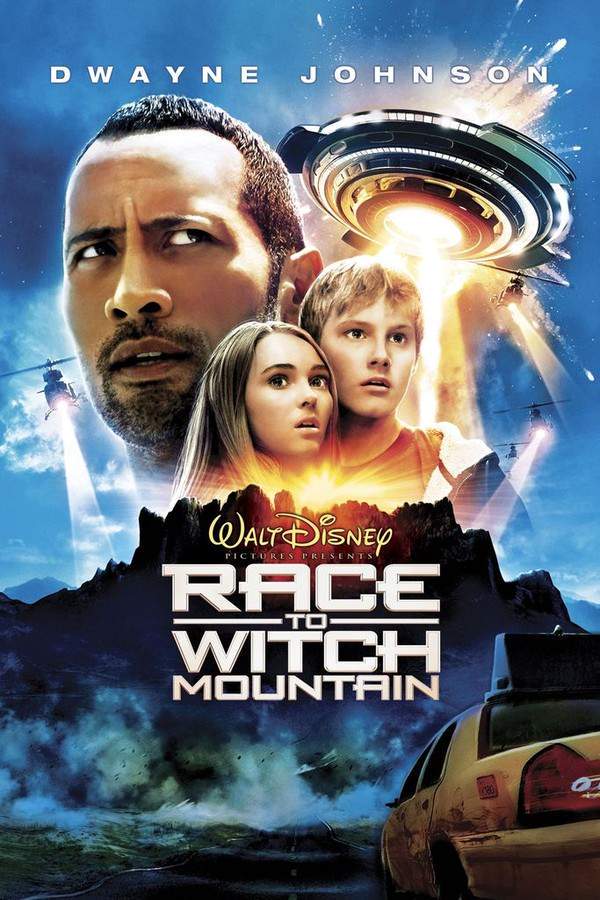
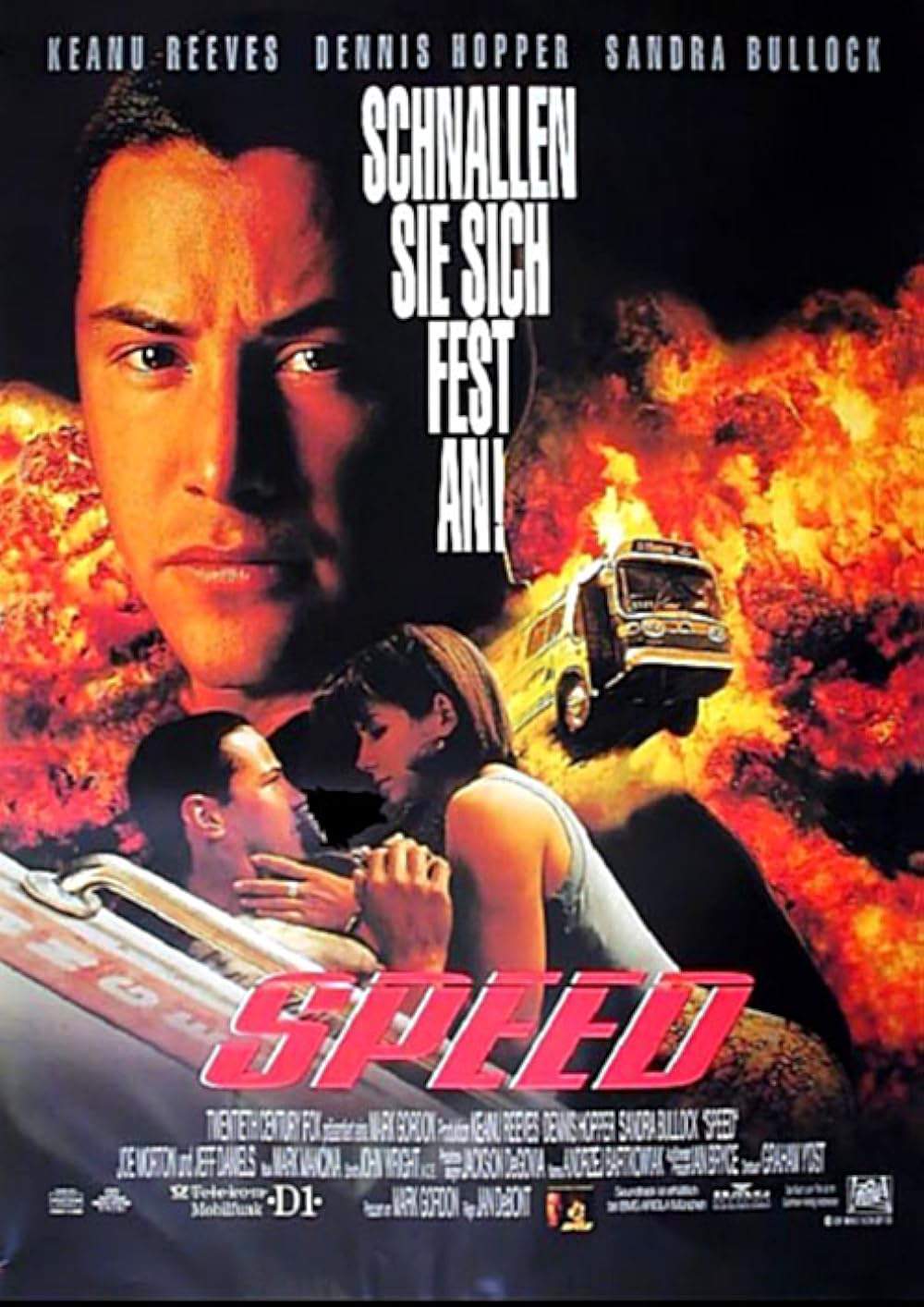
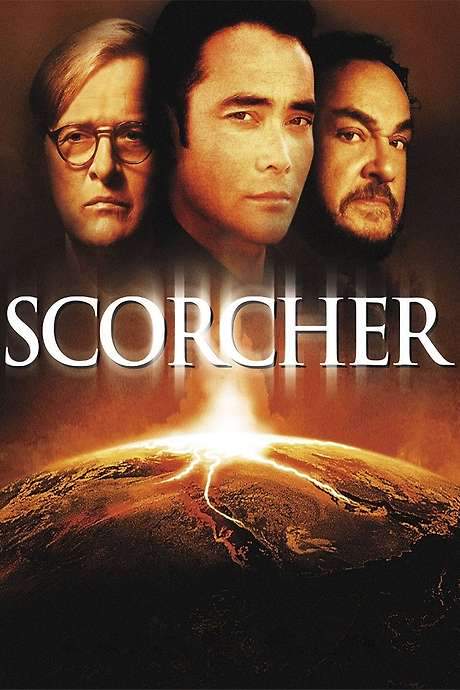
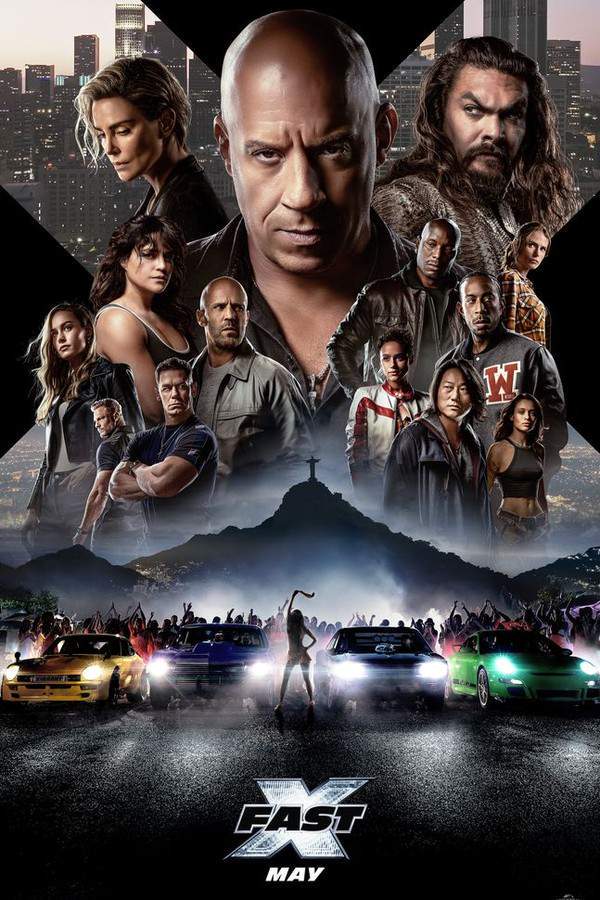
Race Against Time Thrillers like Angels & Demons

High-stakes stories where every second counts to prevent disaster. If you liked the desperate urgency of Angels & Demons, explore more movies like it where characters face a literal ticking clock to prevent catastrophe. These high-stakes thrillers share a similar fast-pacing, tense atmosphere, and heroic quests against overwhelming odds.

  • urgent
  • high-stakes
  • suspenseful
  • anxious
  • ticking-clock
  • heroic
  • Tone: tense, anxious, urgent
  • Pacing: fast, relentless, forward-driving
Why these movies?

The story pattern: The narrative core is a desperate, linear sprint. A clear, imminent threat is established early, often with escalating consequences for failure. The plot unfolds through a series of time-sensitive puzzles, chases, or confrontations, driving the characters forward with minimal respite. The journey is less about deep personal change and more about survival and problem-solving under extreme pressure.

Why they belong together: Movies in this thread share the foundational element of a deadline-driven plot. This creates a cohesive experience defined by relentless pacing, high intensity, and a consistently tense tone. They deliver a specific kind of anxious suspense where the primary conflict is not just defeating a villain, but beating the clock.

Historical Conspiracy Movies like Angels & Demons

Intellectual thrillers where the past holds the key to a present-day threat. Fans of Angels & Demons who enjoy deciphering clues and exploring ancient secrets will find similar stories here. These movies blend intellectual mystery with thrilling action, often involving puzzles, historical settings, and challenges to established authority, creating a captivating search for the truth.

  • conspiracy
  • historical
  • puzzling
  • intriguing
  • clandestine
  • investigative
  • Tone: tense, intriguing, mysterious
  • Pacing: steady to fast, clue-driven
Why these movies?

The story pattern: The narrative follows a detective-like structure, but the clues are historical, artistic, or cryptographic. The plot progresses as the protagonist connects dots from the past to understand a modern threat or conspiracy. The journey is both physical, traversing significant locations, and intellectual, piecing together a puzzle that often implicates powerful, secretive organizations.

Why they belong together: These films are grouped by their core premise: an intellectual investigation into a historical or symbolic mystery that fuels a present-day thriller. They share a moderate complexity, a tone blending intrigue with tension, and a focus on the 'aha' moments of discovery. The experience is for viewers who enjoy puzzles as much as action.

If you liked this

Movies Like Angels & Demons

Similar movies to Angels & Demons: the same genre, themes or kind of story. Each one comes with its own plot summary, timeline and ending explained.

Browse all movie summaries

Every angle

Angels & Demons (2009) Explained: Plot, Timeline & Characters

Everything about Angels & Demons in one place: what happens in the plot summary, the timeline in chronological order, the characters and meaning and a spoiler-free summary. What's After the Movie adds the cast, box office and post-credit scenes.

Coming soon on iOS and Android

The Plot Explained Movie Summary App

Plot summaries, endings explained and timelines on your phone. Catch up on any movie in minutes, save your favorites and never miss a twist again.

Be the first to know when we launch. Your email stays private, always.

Learn more about the app