Plot Explained Spoilers guaranteed!
Plot Explained

Browse by genre

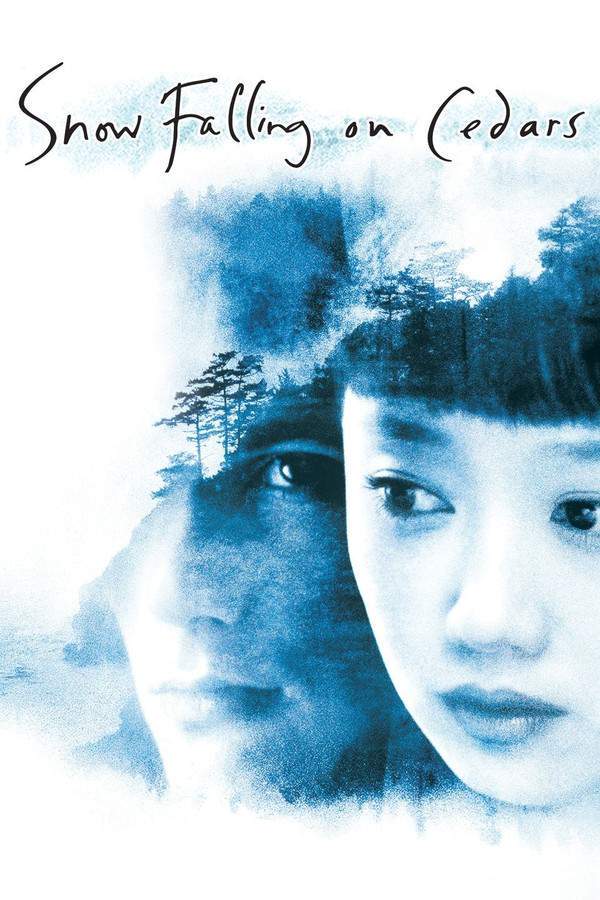
Snow Falling on Cedars (1999) movie poster

Timeline

Snow Falling on Cedars (1999) Timeline Explained – Every Event in Order

Release, runtime and language
1999 · 127 min · English
Loading streaming availability…
Budget
$35M

A murder trial exposes long-hidden secrets on the small island community of San Piedro. During World War II, a young Japanese-American man is accused of killing a local fisherman, dredging up prejudices and wartime tensions. A local reporter, struggling with his own past, investigates the case, uncovering a complex web of love, betrayal, and suspicion that threatens to tear the island apart. The investigation explores themes of justice, prejudice, and the enduring power of the past.

On this page (7)
  1. 1 Where to watch
  2. 2 Events in order (12)
  3. 3 Timeline questions answered
  4. 4 The book behind the movie
  5. 5 Movie threads
  6. 6 Movies like Snow Falling on Cedars
  7. 7 Every angle
Loading streaming availability…

12 events in order · contains spoilers

Snow Falling on Cedars Timeline: Events in Chronological Order

Every key event of Snow Falling on Cedars (1999) in order, scene by scene, with when and where it takes place. Use it to untangle flashbacks, time jumps and parallel storylines, to refresh your memory before the sequel or to find the exact scene you are thinking of.

  1. Setting the Scene

    The story is set in 1950 on San Piedro Island, located in the northern Puget Sound of Washington state. This enchanting but tense atmosphere serves as the backdrop for a gripping murder trial that tests the fabric of the community amidst lingering war traumas.

    When
    1950
    Where
    San Piedro Island
  2. The Murder of Carl Heine

    Carl Heine, a local White fisherman, is found dead, and Kabuo Miyamoto, a Japanese American, is accused of the crime. This pivotal event sets off a chain reaction of events and emotions that fuel the trial, highlighting themes of prejudice and injustice.

  3. The Trial Begins

    The courtroom drama unfolds with Ishmael Chambers, the local newspaper editor and a World War II veteran, witnessing events that test his loyalties and beliefs. As the trial progresses, the community's intense anti-Japanese sentiments are laid bare, showcasing the racial tensions of the time.

    Where
    Local courthouse
  4. Ishmael Chambers' Internal Conflict

    Ishmael, grappling with unrequited feelings for Hatsue, Kabuo's wife, finds himself torn between friendship and the harsh reality of prejudice. His internal struggle intensifies as he questions Kabuo's innocence while reflecting on the past and war experiences.

  5. The Prosecution's Strategy

    Led by Sheriff Art Moran and prosecutor Alvin Hooks, the prosecution presents a strong case against Kabuo, capitalizing on the racial prejudices of the era. They rely on emotionally charged testimonies, particularly from Etta, Carl's mother, who alleges that Kabuo killed her son out of hatred.

    Where
    Local courthouse
  6. Kabuo Miyamoto's Defense

    Nels Gudmundsson, an experienced attorney, defends Kabuo against the accusations, emphasizing his honorable military service in the 442nd Regimental Combat Team. With the defense asserting Kabuo's character and resolve, a battle of narratives ensues in the courtroom.

    Where
    Local courthouse
  7. The Strawberry Field Dispute

    A significant point of contention during the trial arises from the sale of a strawberry field, which was previously owned by Carl Heine Sr. and later sold to Ole Jurgensen. This land becomes pivotal in showcasing the personal history and conflicts between the Miyamoto and Heine families.

    Where
    Strawberry field
  8. Etta's Testimony

    Witness Etta Heine testifies against Kabuo, suggesting that he harbored racial hatred towards her family, fueling the prosecutorial narrative. Ironically, her own background raises questions about her motives and the broader implications of prejudice during this period.

  9. Discovering Maritime Evidence

    As the trial progresses, Ishmael uncovers critical maritime records that indicate a freighter passed through the fishing channel on the night of Carl's death. This evidence suggests the possibility that Carl's death was an accident rather than a murder, shifting the narrative.

    Where
    Fishing channel
  10. The Accident Revealed

    Further investigation reveals that Carl likely fell overboard while trying to retrieve a lantern from his boat, leading to an accidental drowning. This revelation shifts the focus of the trial and raises questions about responsibility and truth.

  11. The Verdict

    Amid rising tensions, the judge announces that the charges against Kabuo are officially dropped. This decision comes as a relief to Kabuo and his family, highlighting the importance of truth in overcoming prejudice and injustice.

    Where
    Local courthouse
  12. Bittersweet Reunion

    In a poignant culmination of the story, Hatsue expresses her gratitude to Ishmael for his role in revealing the truth. The two share a final moment together, encapsulating a complex web of past emotions, longing, and unresolved love, leaving Ishmael filled with bittersweet resolution.

Last updated: November 16, 2024 at 11:51

Was this helpful?

Timeline questions answered

Snow Falling on Cedars Timeline Explained: Your Questions Answered

When does it happen, and why in that order? The questions people ask about the chronology of Snow Falling on Cedars (1999): time jumps, flashbacks, cause and effect between scenes and the correct order of events, each answered with spoilers.

Q1

Why was Kabuo Miyamoto accused of killing Carl Heine?

Kabuo Miyamoto was accused primarily because of deep-rooted anti-Japanese prejudice on San Piedro Island following World War II. The prosecution argued that Kabuo harbored racial hatred toward Carl Heine and sought revenge. Additionally, a bitter land dispute over a strawberry field that had once belonged to the Heine family added fuel to the accusation, with the prosecution claiming Kabuo had motive to harm Carl.

Foreshadowing: Earlier scenes establish the tense relationship between the Miyamoto and Heine families, rooted in the disputed land sale.

  • kabuo miyamoto accused
  • carl heine murder
  • racial prejudice
  • trial
Q2

How did Carl Heine actually die?

Carl Heine's death was an accident, not murder. The evidence showed that on the night of his death, a large freighter passed through the fishing channel, creating a violent wake that likely threw Carl overboard. Further investigation revealed he had been attempting to retrieve a lantern from his boat's mast when he fell and drowned.

Foreshadowing: Ishmael discovers maritime records showing the freighter's passage, which becomes the pivotal evidence.

  • carl heine death cause
  • accidental drowning
  • freighter
  • lantern
Q3

Why did Ishmael Chambers help prove Kabuo's innocence?

Despite his personal bitterness over Hatsue's rejection and her marriage to Kabuo, Ishmael chose to reveal the maritime evidence because it represented the truth. As a newspaper editor and WWII veteran who fought for justice in the Pacific, his sense of integrity compelled him to expose the real cause of Carl's death, even though it meant helping the man who married the woman he loved.

Foreshadowing: Ishmael's internal conflict throughout the trial showcases his struggle between personal jealousy and moral responsibility.

  • ishmael chambers
  • prove innocence
  • evidence
  • truth
Q4

What was the strawberry field dispute about?

The strawberry field had originally belonged to Carl Heine Sr. and was worked by the Miyamoto family. Before World War II, Kabuo's father Zenhichi tried to purchase a portion of the farm, but the request was denied. After the war, with many Japanese Americans returning from internment camps, Carl Sr. died in 1944 and his widow Etta sold the farm to Ole Jurgensen. This felt like a betrayal to Kabuo, who had grown up on that land and befriended Carl Jr. as a child.

Foreshadowing: The childhood friendship between Kabuo and Carl Jr. is established early, making the land conflict deeply personal.

  • strawberry field
  • land dispute
  • miyamoto heine
  • property
Q5

Why was Kabuo Miyamoto considered a war hero?

Kabuo Miyamoto served in the 442nd Regimental Combat Team, a unit composed almost entirely of Japanese Americans. Despite facing discrimination at home, he fought bravely for the United States during World War II and became a decorated war hero. The defense highlighted this service to challenge the prosecution's claim that Kabuo harbored racial hatred toward white Americans.

Foreshadowing: The film contrasts Kabuo's honorable military service with the community's suspicious treatment of him.

  • 442nd regimental combat team
  • japanese american war hero
  • military service
Q6

Why were the charges against Kabuo dropped?

The charges were dropped because Ishmael Chambers uncovered maritime records showing a freighter had passed through the fishing channel on the night of Carl's death. This evidence, combined with the revelation that Carl likely fell while trying to retrieve a lantern, pointed to an accidental drowning rather than murder. The truth about the freighter's wake and the lantern incident undermined the prosecution's theory of premeditated murder.

Foreshadowing: Ishmael's investigation into shipping records becomes the turning point that exposes the truth.

  • charges dropped
  • verdict
  • acquitted
  • trial outcome
Q7

What was Etta Heine's motivation in testifying against Kabuo?

Etta Heine, Carl's mother, testified against Kabuo believing he murdered her son out of racial hatred and personal vendetta related to the land dispute. Her testimony was emotionally charged and played into the court's existing prejudices. However, the film notes the irony that Etta, a German American, could also face scrutiny for her potential indirect connection to Nazi war crimes, highlighting the hypocrisy of racial prejudice.

Foreshadowing: Etta's testimony early in the trial strongly influences the prosecution's narrative against Kabuo.

  • etta heine
  • testimony
  • motive
  • prejudice
Q8

What was the history between Ishmael and Hatsue?

Ishmael Chambers and Hatsue had a teenage romance before World War II. When Hatsue's family was sent to an internment camp, she ended her relationship with Ishmael and eventually married Kabuo Miyamoto. Ishmael never fully recovered from this rejection, and his unrequited love for Hatsue resurfaced during the trial, creating profound internal conflict as he struggled between his lingering feelings and his duty to seek the truth.

Foreshadowing: Flashbacks reveal the depth of their past relationship, making Ishmael's dilemma during the trial more emotionally complex.

  • ishmael hatsue
  • love story
  • romance
  • past relationship
Q9

Why was the trial significant for San Piedro Island?

The trial exposed long-hidden secrets and intensified existing racial tensions on San Piedro Island. With anti-Japanese sentiment still pervasive years after World War II, the murder accusation against Kabuo dredged up wartime prejudices and threatened to tear the community apart. The trial forced the town to confront its own biases, ultimately revealing how prejudice can corrupt the pursuit of justice.

Foreshadowing: The opening scenes establish the tense atmosphere of the island community dealing with post-war trauma.

  • san piedro island
  • community
  • prejudice
  • racial tension
Q10

What does the bittersweet ending signify?

The ending is bittersweet because while Kabuo is exonerated and justice is served, the resolution brings no true victory. Hatsue thanks Ishmael and allows him to hold her one last time, but their past relationship cannot be rebuilt. Ishmael must accept that his love for Hatsue will remain unrequited, and the community's prejudice, though challenged, cannot be so easily undone. The film concludes with melancholy acceptance rather than triumphant resolution.

Foreshadowing: Ishmael's final scene with Hatsue echoes their past intimacy while acknowledging its permanent loss.

  • ending resolution
  • bittersweet
  • hatsue ishmael
  • acceptance

Movie threads

More Movies Like Snow Falling on Cedars, by Mood & Story

Curated lists built around what makes Snow Falling on Cedars tick: the same mood, the same kind of story or the same emotional payoff. Each list explains why these movies belong together.

Somber Legal Dramas with Heavy Pasts like Snow Falling on Cedars

Courtroom trials that uncover deep-seated community prejudice and personal trauma. This list features movies like Snow Falling on Cedars, where a legal trial exposes deep-seated prejudice and personal history. If you liked the blend of courtroom suspense, wartime trauma, and melancholic reflection, you'll find similar powerful dramas here.

  • courtroom drama
  • historical injustice
  • reflective
  • somber
  • troubled past
  • moral quandary
  • Tone: melancholic, reflective
  • Pacing: slow, deliberate
Why these movies?

The story pattern: These stories typically unfold through a present-day trial that acts as a catalyst, forcing characters to confront a painful, often suppressed, history. The narrative often weaves between the tense courtroom and revealing flashbacks, building towards a resolution that is more about emotional truth and moral reckoning than a simple legal victory.

Why they belong together: Movies are grouped here based on their shared somber mood, their use of a legal framework to explore heavy themes like injustice and memory, and their deliberate, character-driven pacing that prioritizes emotional depth over fast-paced action.


Movies about Small Town Secrets like Snow Falling on Cedars

A small community's hidden tensions and betrayals are slowly brought to light. If you enjoyed how Snow Falling on Cedars slowly peeled back the layers of secrecy and prejudice in a small island community, explore these other films. They capture the same feeling of a slow-burn mystery where a community's dark past comes to light.

  • small town
  • hidden secrets
  • atmospheric
  • simmering tension
  • betrayal
  • claustrophobic community
  • Tone: troubled, suspenseful
  • Pacing: slow burn, atmospheric
Why these movies?

The story pattern: The narrative pattern involves an inciting incident that disrupts the quiet surface of a closed community. Through the perspective of an investigator or an insider, the story meticulously uncovers long-buried relationships, betrayals, and social tensions, building a sense of claustrophobia and inevitability as the truth emerges.

Why they belong together: These films are connected by their focus on a small, isolated setting, a slow, deliberate pacing that builds suspense through revelation rather than action, and a pervasive mood of unease as personal and communal secrets are exposed.

If you liked this

Movies Like Snow Falling on Cedars

Similar movies to Snow Falling on Cedars: the same genre, themes or kind of story. Each one comes with its own plot summary, timeline and ending explained.

Browse all movie summaries

Every angle

Snow Falling on Cedars (1999) Explained: Plot, Timeline & Characters

Everything about Snow Falling on Cedars in one place: what happens in the plot summary, the timeline in chronological order, the characters and meaning and a spoiler-free summary. What's After the Movie adds the cast, box office and post-credit scenes.

Coming soon on iOS and Android

The Plot Explained Movie Summary App

Plot summaries, endings explained and timelines on your phone. Catch up on any movie in minutes, save your favorites and never miss a twist again.

Be the first to know when we launch. Your email stays private, always.

Learn more about the app