Plot Explained Spoilers guaranteed!
Plot Explained

Browse by genre

Spring Snow (2005) movie poster

Plot Summary

Spring Snow (2005) Plot Summary Explained

Release, runtime and language
2005 · 150 mins · Japanese
Directed by
Isao Yukisada
Starring
Tomorowo Taguchi, Mirai Shida, Tasuku Emoto, Yoshiko Miyazaki, Mitsuhiro Oikawa, Satoshi Tsumabuki

It portrays a troubled, illicit romance between two young members of Japan's aristocracy and wealthy elite in the early 20th century, set in the Japanese aristocratic society of the era, based on Yukio Mishima's first novel in the Sea of Fertility tetralogy.

On this page (5)
  1. 1 What happens: full plot
  2. 2 Plot questions answered
  3. 3 Movie threads
  4. 4 Movies like Spring Snow
  5. 5 Every angle

Full plot summary · contains spoilers

What Happens in Spring Snow: Full Plot Summary

The whole story of Spring Snow (2005) explained, from the opening scene to the final frame: every key event, every twist and what it all adds up to. Read it as a quick recap before the sequel, to check a scene you missed, or to finally understand what really happened.

Spring Snow opens in 1912, at the dawn of Emperor Taishō's reign, when Japan's kazoku—its aristocratic class—begin imitating European tastes in dress, manners, and leisure. At the center of this world stand two children: Kiyoaki Matsugae, the only son of the Marquess Matsugae, and Satoko Ayakura, the only daughter of the Earl Ayakura. From a young age, Satoko nurtures a budding, if delicate, romantic hope for a closeness with Kiyoaki. Her father, cautious about the older Matsugae family’s reputation for womanizing, orders her tutor, Tadeshina, to safeguard her heart and shield her from heartbreak.

A decade passes, and as Gakushūin high school finishes for Kiyoaki, Satoko remains deeply attached to him. To spare her from possible disappointment, Kiyoaki playfully contemplates pairing her with his stern, uptight school friend, Shigekuni Honda, and he even drafts a lurid confession recounting his supposed frequent trips to Tokyo's entertainment quarter, the [theatre] associated with Goethe's Faust, before hastily posting the letter to Satoko. By that evening, he recoils from his own fabrication and requests that the letter be destroyed, insisting that the sensational escapades were nothing but fabrications he invented.

Last updated: February 20, 2026 at 18:43

Was this helpful?

Plot questions answered

Spring Snow Plot Explained: Your Questions Answered

The questions people ask most about Spring Snow (2005): what happens in the confusing scenes, why the characters do what they do, the twists, hidden details and what the ending means. Each answer contains spoilers.

Q1

Why does Satoko's father want to protect her from Kiyoaki?

Satoko's father is wary because Kiyoaki's father, the Marquess Matsugae, has a reputation for womanizing. He fears his daughter will be hurt by someone from a family known for infidelity, so he assigns her tutor Tadeshina to safeguard her emotional wellbeing and prevent heartbreak.

Foreshadowing: The father's caution early in the story hints at the tragic romantic complications that will unfold between Kiyoaki and Satoko.

  • Satoko's father
  • Kiyoaki's family
  • womanizing
  • protection
  • tutor Tadeshina
Q2

Why does Kiyoaki write a lurid confession letter to Satoko?

Kiyoaki writes the confession as a form of emotional experimentation. When considering pairing Satoko with his friend Shigekuni Honda, he impulsively fabricates a scandalous backstory about visiting Tokyo's entertainment quarter and the Faust theatre, sending it to Satoko to test or reveal a side of himself he has kept hidden.

Foreshadowing: This letter represents Kiyoaki's first public act of exposing his private fantasies, setting the stage for the emotional unraveling to come.

  • Kiyoaki confession letter
  • F Faust theatre
  • Tokyo entertainment quarter
  • emotional experiment
Q3

Why does Kiyoaki regret sending the letter so quickly?

Kiyoaki experiences remorse the same evening because he realizes the confession was built entirely on fabrications, he never actually visited the entertainment quarter or engaged in the decadent adventures he described. The gap between his fantasy and reality overwhelms him, and he demands the letter be destroyed.

Foreshadowing: His quick regret foreshadows his pattern of emotional ambivalence and inability to commit to genuine expression.

  • Kiyoaya remorse
  • fabrications
  • destroying letter
  • evening regret
Q4

Why does the letter mention the theatre associated with Goethe's Faust?

The reference to the Faust theatre connects to themes of temptation, deals with the devil, and damned love, mirroring the tragic, forbidden nature of Kiyoaki and Satoko's relationship within the rigid aristocratic society. It also signals Kiyoaki's attempt to present himself as sophisticated and world-weary.

Foreshadowing: The Faustian imagery foreshadows the doomed, tragic trajectory of their romance.

  • Faust theatre
  • temptation
  • forbidden love
  • aristocratic decay
Q5

Why does Kiyoaki consider pairing Satoko with Shigekuni Honda?

Kiyoaki treats Satoko's future somewhat casually, viewing his uptight school friend Honda as a suitable match within their social circle. This reflects the strategic, game-like approach to marriage among the aristocracy, where personal feelings are secondary to social positioning.

Foreshadowing: This strategic thinking reveals the transactional nature of aristocratic relationships that will ultimately constrain Satoko's desires.

  • Shigekuni Honda
  • arranged match
  • aristocratic marriage
  • Kiyoaki's friend
Q6

What do the fabrications in Kiyoaki's letter reveal about his character?

The fabrications show Kiyoaki lives between two personas, the respectable aristocrat and the imagined hedonist. His need to invent a decadent past suggests dissatisfaction with his constrained aristocratic life and fear of genuine emotional vulnerability.

Foreshadowing: This duality will intensify as the story progresses, leading to deeper conflicts between duty and desire.

  • Kiyoaki persona
  • fabrication
  • duality
  • emotional vulnerability
  • aristocratic约束
Q7

What is Tadeshina's role in protecting Satoko?

Tadeshina is Satoko's tutor assigned by her father to guard her heart and emotional virtue. This reflects the era's emphasis on female propriety and the careful management of young women's romantic hopes, especially within aristocratic families where marriage alliances matter greatly.

Foreshadowing: Tadeshina's watchfulness creates tension as Satoko's genuine feelings for Kiyoaki develop beyond controlled boundaries.

  • Tadeshina tutor
  • female virtue
  • aristocratic expectations
  • emotional guardianship
Q8

Why is the Taishō era setting important for the story?

The 1912 Taishō era marks a transition in Japan, the old kazoku aristocracy is declining while Western influences flood in. This creates a world of change and uncertainty where traditional aristocratic values clash with modernity, making the characters' emotional repression and social constraints more poignant.

Foreshadowing: The fading aristocracy setting establishes the doomed, nostalgic tone that envelops the entire tragic romance.

  • Taishō era
  • kazoku aristocracy
  • Western influence
  • declining nobility
  • 1912 Japan
Q9

Why does Satoko remain so attached to Kiyoaki after all these years?

Satoko's feelings for Kiyoaki have been cultivated since childhood, nurtured by proximity and the romantic hope that their bond could become something more. Despite her father's warnings and Kiyoaki's distant nature, she maintains her romantic aspirations into adulthood.

Foreshadowing: Her steadfast, almost stubborn attachment sets the stage for the emotional tragedy that will unfold.

  • Satoko attachment
  • childhood love
  • longing
  • aristocratic romance
Q10

What creates the tension between Kiyoaki and Satoko?

The tension stems from conflicting desires: Satoko longs for genuine romantic connection while Kiyoaki remains emotionally ambiguous and试验性的. Their aristocratic context demands restraint, yet Satoko's feelings grow stronger while Kiyoaki oscillates between fascination and retreat.

Foreshadowing: This unresolved tension will escalate as the story advances, leading to irreversible decisions.

  • Kiyoaki Satoko tension
  • emotional restraint
  • romantic conflict
  • aristocratic love

Movie threads

More Movies Like Spring Snow, by Mood & Story

Curated lists built around what makes Spring Snow tick: the same mood, the same kind of story or the same emotional payoff. Each list explains why these movies belong together.

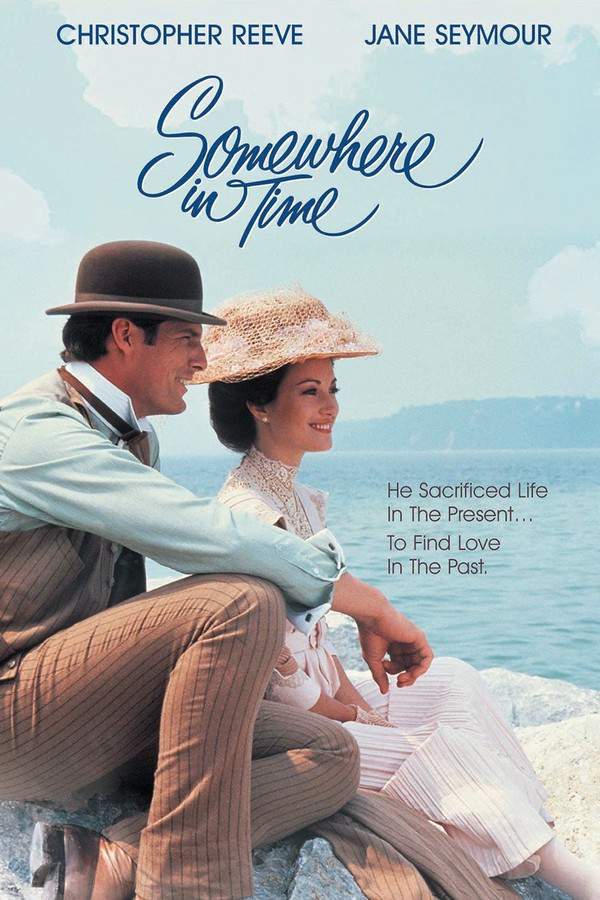
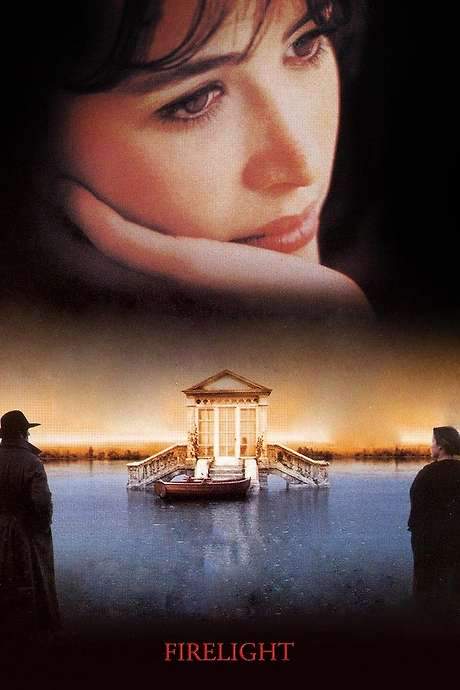
Tragic aristocratic romance movies like Spring Snow

Love stories doomed by rigid social hierarchies and expectations. Discover more movies featuring tragic aristocratic romance similar to Spring Snow. These films focus on forbidden love within high-society settings, where social constraints and family honor clash with personal desire, leading to emotional and often sorrowful conclusions.

  • tragic romance
  • aristocratic
  • forbidden love
  • emotional repression
  • yearning
  • melancholic
  • Tone: melancholic, tragic
  • Pacing: slow, deliberate
Why these movies?

The story pattern: Stories typically follow lovers from different social strata or constrained by family duties, navigating secret meetings and intense emotional bonds, ultimately culminating in separation or tragedy due to societal pressures.

Why they belong together: These movies share a focus on the conflict between personal desire and societal expectation, characterized by emotional depth, melancholic tones, and settings that emphasize the opulence and oppression of aristocratic life.
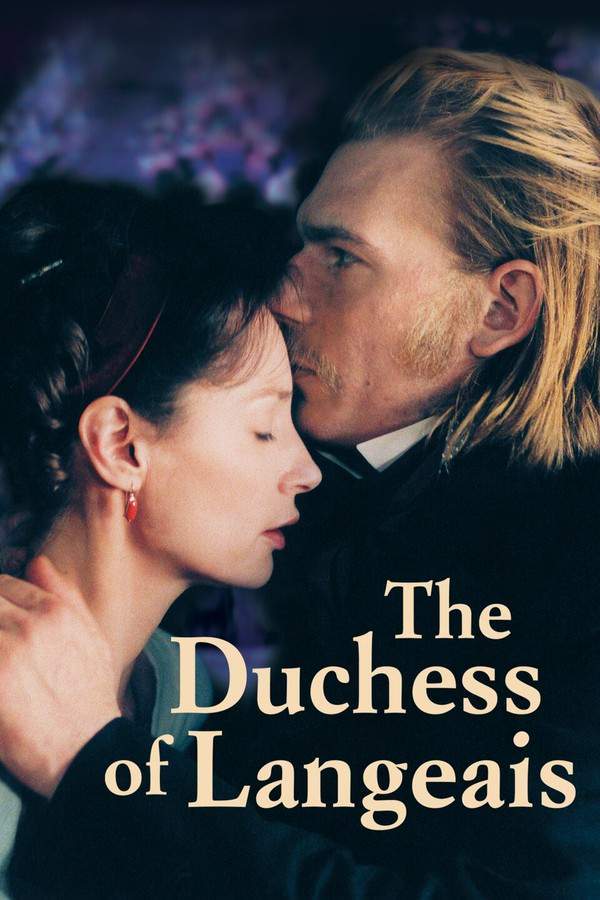
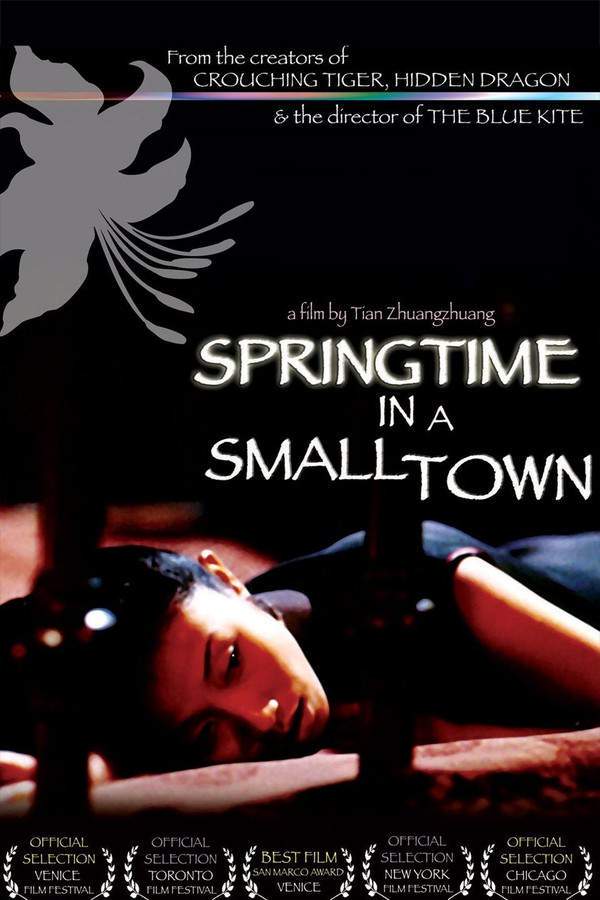
Slow-burn melancholic period dramas like Spring Snow

Atmospheric period pieces with deep emotional undercurrents. Explore slow-burn melancholic period dramas similar to Spring Snow. These movies are set in richly detailed historical contexts and emphasize atmospheric storytelling, deep emotional journeys, and nuanced character studies over plot-driven action.

  • melancholic
  • atmospheric
  • slow burn
  • period drama
  • introspective
  • yearning
  • Tone: melancholic, introspective
  • Pacing: slow, atmospheric
Why these movies?

The story pattern: Narratives often unfold slowly, emphasizing mood and setting, with a focus on internal conflicts and the psychological impacts of social norms on individuals.

Why they belong together: They share a common emphasis on atmosphere, historical authenticity, and the exploration of complex emotions through a slow, immersive pacing that allows for deep audience engagement with the characters' plights.

If you liked this

Movies Like Spring Snow

Similar movies to Spring Snow: the same genre, themes or kind of story. Each one comes with its own plot summary, timeline and ending explained.

Browse all movie summaries

Every angle

Spring Snow (2005) Explained: Plot, Timeline & Characters

Everything about Spring Snow in one place: what happens in the plot summary, the timeline in chronological order, the characters and meaning and a spoiler-free summary. What's After the Movie adds the cast, box office and post-credit scenes.

Coming soon on iOS and Android

The Plot Explained Movie Summary App

Plot summaries, endings explained and timelines on your phone. Catch up on any movie in minutes, save your favorites and never miss a twist again.

Be the first to know when we launch. Your email stays private, always.

Learn more about the app