Plot Explained Spoilers guaranteed!
Plot Explained

Browse by genre

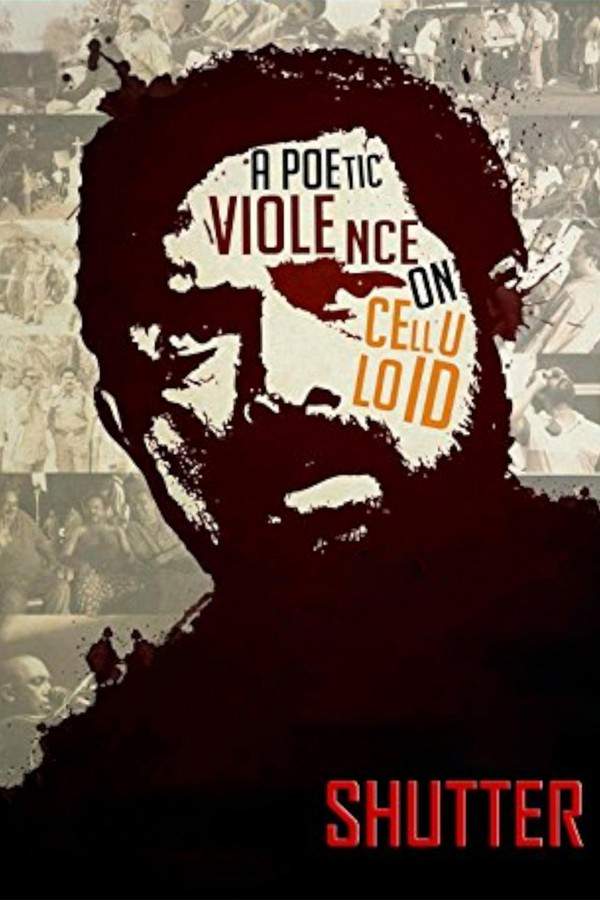
Shutter (2008) movie poster

Plot Summary

Shutter (2008) Plot Summary Explained

Release, runtime and language
2008 · 85 min · Malayalam
JustWatch #6,323 11
Directed by
Masayuki Ochiai
Starring
Joshua Jackson, Rachael Taylor, James Kyson Lee

Following a car accident that kills a mysterious woman during their honeymoon and fashion shoot in Japan, photographer Ben and his wife Jane find themselves entangled in a disturbing mystery. As Ben investigates the circumstances surrounding the accident, strange, ghostly figures begin appearing in his photographs, suggesting a vengeful supernatural force. The couple must confront the unsettling truth behind the accident and the malevolent presence haunting them.

On this page (6)
  1. 1 Where to watch
  2. 2 What happens: full plot
  3. 3 Plot questions answered
  4. 4 Movie threads
  5. 5 Movies like Shutter
  6. 6 Every angle

Where to watch

Where to Watch Shutter (2008)

Where can you watch Shutter? Stream, rent or buy it in the US, including on Amazon Prime Video, Plex and YouTube Free: current JustWatch availability with up-to-date prices.

Streaming availability powered by JustWatch

Full plot summary · contains spoilers

What Happens in Shutter: Full Plot Summary

The whole story of Shutter (2008) explained, from the opening scene to the final frame: every key event, every twist and what it all adds up to. Read it as a quick recap before the sequel, to check a scene you missed, or to finally understand what really happened.

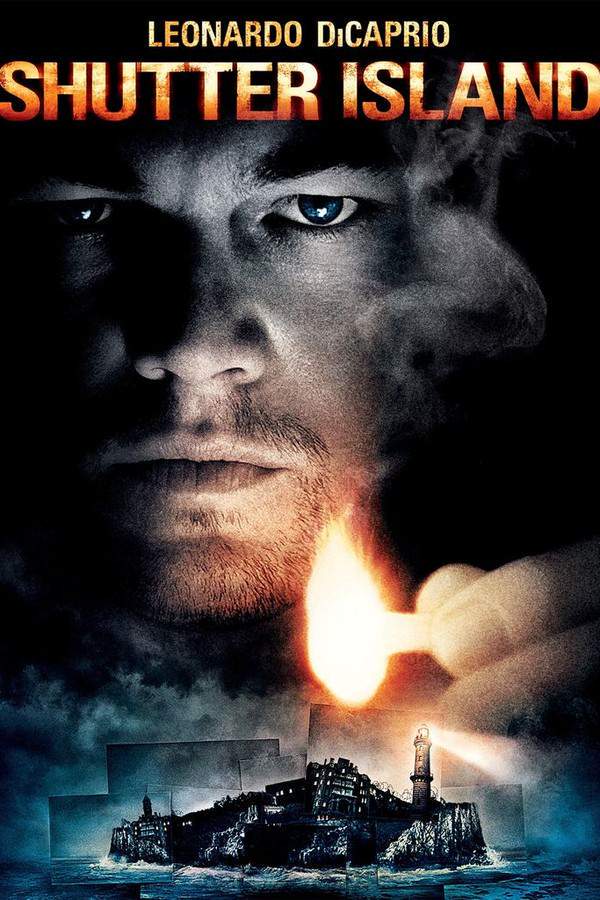
U.S. Marshals Edward "Teddy" Daniels and Chuck Aule are dispatched to the grim and isolated locale of Shutter Island, a federal mental hospital designed for the criminally insane. Their mission emerges from the startling escape of a patient named Rachel that occurred just the day before. Haunted by a tragic past, Teddy has long suffered the emotional scars of losing his family in a devastating apartment fire. As they arrive on the island, they encounter Deputy Warden McPherson. He informs them of the security protocols in place, highlighting the division between male and female patients and warning them about the dangers present in Building C, where the most violent inmates reside, stating that they must be accompanied by both McPherson and the enigmatic Dr. Cawley.

Upon meeting Dr. Cawley, tensions rise as he describes the conflicting approaches of the staff regarding patient treatment. Some advocate for outdated surgical methods such as lobotomies, while others support the new psychotropic drugs that promise better outcomes. The case of Rachel is particularly distressing; she had once committed the unspeakable act of murdering her three children but had convinced herself that they are still alive, asserting that the hospital staff are simply her neighbors. A chilling note they discover in Rachel's room raises further questions, reading, "Where is number 67?" During a staff meeting, frustrations mount when it is revealed that Rachel’s doctor, Shaheen, is currently on vacation.

As Teddy delves deeper into his investigation, he experiences haunting flashbacks to his harrowing days as a soldier in World War II. These memories are intensified by visions of his deceased wife, Dolores, who communicates with him during moments of despair. Teddy recalls the horrors he witnessed after liberating prisoners from Dachau, where he was confronted with unimaginable cruelty and loss. His grim recollections paint a picture of his past—a past that he cannot escape.

Dr. Naehring, Cawley's superior, exhibits disdain for Teddy, refusing to provide him with vital personnel records, feeding into Teddy's growing paranoia. Conversations with other patients lend credence to his suspicions that they are being manipulated and coerced into silence. One patient even scribbles the word "RUN" in a notebook, intensifying the sense of urgency surrounding Teddy and Chuck's mission. Meanwhile, Teddy expresses a desire to confront Laeddis, the arsonist who destroyed his life—only to discover a lack of official documentation regarding Laeddis’s presence on the island.

As circumstances take a dire turn with a failure of the backup generators, Teddy and Chuck find themselves facing unprecedented challenges. They enter Building C and meet George Noyce, who cryptically warns Teddy that to save himself, he must forget both his wife and Laeddis. Noyce reveals that Laeddis has been taken to the lighthouse where a lobotomy is planned, a revelation that propels Teddy towards the lighthouse, against Chuck's fervent warnings.

Amidst the spiraling chaos, Teddy encounters a woman who claims to be Rachel. She presents herself as a doctor and warns him about the sinister operations occurring within the hospital, urging him to refrain from accepting any food or medication that may compromise his judgment. She reveals that the staff will try to declare him insane, completely sidestepping the elaborate questions he’s been raising about Shutter Island.

When Teddy can’t locate Chuck, he is further disoriented by Cawley’s assertion that Chuck arrived on the island solo. The haunting presence of his wife returns, pleading with him to abandon his pursuit of the lighthouse. In a moment of desperation, Teddy resorts to violence, blowing up Cawley’s car in an attempt to force his way into the lighthouse, convinced that he must rescue Chuck from the clutches of a sinister conspiracy.

Inside, Teddy’s world unravels. Cawley reveals to him that his true identity is not that of Teddy Daniels; rather, he is Andrew Laeddis, and this entire role-play was orchestrated to help him confront the unspeakable truth he’s been evading. His fabricated persona and the tragic figures, including Rachel Solando, are mere constructs of his shattered psyche, created to shield him from the guilt of his past—specifically, the haunting memory of Dolores and the tragic deaths of his children at her hands.

As Cawley carefully pieces together Andrew's true history, the stark reality becomes all too clear: he had suppressed the knowledge of his wife’s mental illness and the consequences of her actions, leading him to create an alternate reality where he believes he is still a righteous lawman investigating terrible crimes. The aftermath of their discussions shows a crucial break in Andrew's understanding of reality, with indications that the institution had attempted a similar breakthrough before, only for him to regress.

The next morning, Andrew attempts to further embed himself into the role of Teddy—yet, the veneer is cracking. Chuck, now revealed as Dr. Sheehan, subtly indicates the seriousness of Andrew's condition as he hints at the possibility of lobotomy looming over him. As Andrew contemplates his fate, the culmination of his mental battles unfolds; it reveals a devastating choice between confronting the grim reality of his past or retreating back into the comforting embrace of denial, demonstrating the depths of human struggle against one's mind.
Last updated: December 31, 2024 at 18:09

Was this helpful?

Plot questions answered

Shutter Plot Explained: Your Questions Answered

The questions people ask most about Shutter (2008): what happens in the confusing scenes, why the characters do what they do, the twists, hidden details and what the ending means. Each answer contains spoilers.

Q1

Why does Teddy think he's investigating a missing patient on Shutter Island?

Teddy believes he's U.S. Marshal Edward Daniels investigating Rachel Solando's escape because that's the alternate identity his mind created. In reality, he is Andrew Laeddis, a patient at the asylum who murdered his three children by drowning them in a lake. His doctor, Dr. Cawley, explains that the entire investigation was a role-playing experiment designed to help Andrew confront the truth about his past by placing him in a scenario where he actively seeks answers he has been denying.

Foreshadowing: Early scenes show Teddy experiencing flashbacks to his wife's death and Dachau, hinting at the trauma he's repressing.

  • teddy daniels
  • andrew laeddis
  • identity
  • delusion
  • investigation
Q2

Who is Rachel Solando in Shutter Island?

Rachel Solando is not a real patient who escaped, she is a construct of Andrew Laeddis's fractured psyche. In the role-playing therapy, she represents Andrew himself: a mother who murdered her three children and now lives in denial, believing her kids are still alive. The real patient named Rachel Solando never existed; she was a character designed to help Andrew project his own guilt outward while investigating it in someone else.

Foreshadowing: Dr. Cawley mentions Rachel convinced herself her children are still alive, mirroring Andrew's own denial about killing his kids.

  • rachel solando
  • patient
  • delusion
  • children
  • murder
Q3

What does the note 'Where is number 67?' mean in Shutter Island?

The note 'Where is number 67?' is a cryptic message Andrew left for himself as a clue to unlock his buried memories. The number 67 refers to his wife's room number at the asylum, Room 67 was where Dolores Laeddis was institutionalized after Andrew discovered she drowned their three children. The note was Andrew's attempt, even within his delusion, to push himself toward the truth about his family's fate.

Foreshadowing: Andrew's wife Dolores appears throughout the film, urging him to stop his investigation, indicating she's a suppressed memory he's avoiding.

  • number 67
  • note
  • room 67
  • dolores
  • message
Q4

Why is Teddy haunted by memories of Dachau in Shutter Island?

Teddy's memories of liberating Dachau concentration camp represent real trauma from Andrew Laeddis's past. As a soldier in World War II, Andrew witnessed unspeakable horrors at Dachau, which contributed to his psychological fragility. These flashbacks serve two purposes in the narrative: they establish Andrew's capacity for trauma and guilt, and they explain why his mind would create a scenario where he is a hero investigator, trying to reclaim the heroic identity he had before his personal tragedy.

Foreshadowing: Teddy's flashbacks become more intense and frequent as he gets closer to the lighthouse, suggesting the memories are connected to his core guilt.

  • dachau
  • world war 2
  • soldier
  • trauma
  • concentration camp
Q5

Who is Laeddis in Shutter Island and why is Teddy looking for him?

Laeddis is not a separate person Teddy is hunting, he is Teddy himself. Andrew Laeddis is the man who started the apartment fire that killed his wife Dolores and their three children. In Andrew's delusion, he created a fantasy where Laeddis is a separate villain responsible for his family's death, allowing him to avoid accepting his own guilt. When Andrew learns 'Laeddis' is supposedly on the island, it draws him deeper into the investigation that ultimately reveals his true identity.

Foreshadowing: Dr. Naehring's refusal to provide records about Laeddis and the lack of official documentation about him foreshadow that Laeddis doesn't exist as a separate person.

  • laeddis
  • arsonist
  • fire
  • family death
  • guilt
Q6

What is the lighthouse twist in Shutter Island?

At the lighthouse, Dr. Cawley reveals that there is no lobotomy being performed on Laeddis, the entire story was fabricated. The lighthouse contained no surgical equipment; it was simply a location chosen for a private conversation. The 'lobotomy' that George Noyce warned about was actually a metaphorical treatment: the institution's attempt to help Andrew confront his traumatic past through the role-playing experiment. The lighthouse represents the final confrontation between Andrew and the truth he's been avoiding.

Foreshadowing: George Noyce's warning about the lighthouse and the 'lobotomy' being planned is revealed to be part of the experiment designed to push Andrew toward acceptance.

  • lighthouse
  • lobotomy
  • cawley
  • revelation
  • truth
Q7

Why does Andrew Laeddis create a fantasy world in Shutter Island?

Andrew creates an elaborate fantasy world because he cannot accept the unbearable truth that he murdered his own children. After discovering his wife Dolores had drowned their three children in a lake, Andrew was overcome with guilt and grief. Rather than face that he failed to protect his family and that his wife was capable of such an act, his mind constructed an alternate reality where he is a righteous U.S. Marshal investigating crimes, allowing him to remain the hero rather than confront his role in the tragedy.

Foreshadowing: Dolores appears throughout telling Teddy to stop investigating, representing Andrew's subconscious resistance to remembering the truth.

  • andrew laeddis
  • fantasy
  • denial
  • guilt
  • mental breakdown
Q8

What happens at the end of Shutter Island?

At the end, Andrew partially accepts the truth about his identity but then chooses to revert back to being Teddy Daniels. When Dr. Sheehan (who was playing Chuck) visits Andrew the next morning, Andrewpretends to still be confused, asking 'Which would be worse: to live as a monster, or to die as a good man?' This indicates Andrew would rather submit to a lobotomy and live in his fantasy than continue carrying the unbearable guilt of his real identity. The film ends with Andrew being led away for the lobotomy procedure.

Foreshadowing: Throughout the film, Andrew struggles between wanting the truth and desperately clinging to his delusion, with the final choice showing which path he takes.

  • ending
  • lobotomy
  • choice
  • monster
  • good man
Q9

Who is Chuck really in Shutter Island?

Chuck Aule is not a real U.S. Marshal, He is Dr. Sheehan, one of the psychiatrists at Shutter Island. He participated in Dr. Cawley's role-playing experiment, playing the part of Teddy's partner to guide Andrew through the investigation. When Teddy cannot find Chuck after the power outage, Cawley claims Chuck never existed on the island, which is technically true since he was always part of the medical staff. Sheehan's gentle guidance throughout the investigation was designed to lead Andrew toward self-realization.

Foreshadowing: Chuck consistently tries to calm Teddy's growing paranoia and steer him away from dangerous conclusions, acting more like a therapist than a partner.

  • chuck aule
  • dr sheehan
  • psychiatrist
  • role playing
Q10

Why does Teddy see his wife Dolores throughout Shutter Island?

Teddy sees his wife Dolores as a visual manifestation of his suppressed guilt and trauma. In reality, Dolores died in the lake alongside their three children, she did not survive. The 'Dolores' who appears to Teddy is a hallucination created by Andrew's mind, representing both his grief over losing her and his refusal to accept that she was the one who killed their children. Her repeated pleas for him to stop investigating serve as his own subconscious resistance to remembering the truth.

Foreshadowing: Dolores appears primarily when Teddy is alone or in distress, and her warnings become more urgent as he gets closer to the lighthouse.

  • dolores
  • hallucination
  • wife
  • vision
  • guilt
Q11

What does George Noyce mean when he tells Teddy to 'RUN'?

George Noyce, a patient who recognizes that Andrew is playing a role in an experiment, tries to warn him that the only way to survive is to abandon his pursuit of Laeddis. Noyce tells him 'You must forget your wife and Laeddis' because those are the two anchor points of Andrew's delusion, his love for his wife and his hunt for the villain who 'killed' his family. By telling him to forget these, Noyce is essentially telling him to accept his reality. His warning about the lobotomy being at the lighthouse is meant to frighten Andrew into leaving the island before the experiment concludes.

Foreshadowing: Noyce scribbles 'RUN' in his notebook, a desperate attempt by one patient to reach another.

  • george norey
  • warning
  • run
  • lobotomy
  • patient
Q12

What is the role-playing experiment in Shutter Island?

The role-playing experiment is Dr. Cawley's unconventional therapy approach where the entire staff of Shutter Island pretended that a dangerous patient had escaped, with Andrew playing a U.S. Marshal investigating the case. The idea was to meet Andrew in his delusion rather than forcefully confronting him. By giving him an active role as an investigator searching for a 'monster,' Cawley hoped Andrew would eventually trace the guilt back to himself. The experiment had been attempted before but Andrew regressed each time, this was their final attempt before resorting to a lobotomy.

Foreshadowing: Dr. Cawley's discussion about lobotomies versus drugs at the beginning foreshadows the looming choice Andrew faces.

  • cawley
  • experiment
  • therapy
  • treatment
  • psychology

Movie threads

More Movies Like Shutter, by Mood & Story

Curated lists built around what makes Shutter tick: the same mood, the same kind of story or the same emotional payoff. Each list explains why these movies belong together.

Slow burn psychological dread like in Shutter

Stories where quiet tension suffocates a character as their reality dissolves. If you liked the methodical, unsettling build-up of tension in Shutter, explore more movies like it. This list features psychological thrillers and horror films that rely on slow pacing, atmospheric suspense, and the gradual unraveling of a character's mind, building to bleak and often shattering revelations.

  • slow burn
  • atmospheric
  • paranoid
  • claustrophobic
  • dread-filled
  • psychological
  • Tone: dark, tense, bleak
  • Pacing: slow burn, deliberate
Why these movies?

The story pattern: The narrative pattern follows characters, often plagued by guilt or trauma, as they encounter inexplicable phenomena that challenge their sanity. The plot unfolds like a puzzle, with clues that slowly reveal a horrific truth, frequently involving repressed memories or a distorted perception of reality that culminates in a bleak and irreversible psychological downfall.

Why they belong together: Movies are grouped here because they share a specific, cohesive viewing experience defined by deliberate pacing, high-tension atmospheres, and a focus on psychological horror over physical threat. They prioritize a feeling of creeping unease and existential dread, resulting in emotionally heavy stories with complex, often tragic, character journeys.

Supernatural guilt stories like Shutter

Protagonists are tormented by supernatural consequences of a past crime. For viewers who appreciated Shutter's theme of supernatural punishment for a hidden crime, this collection features similar movies. Discover thrillers and horror films where characters are haunted by vengeful spirits directly linked to their past guilt, creating stories filled with psychological trauma, crime investigation, and bleak consequences.

  • guilt-ridden
  • vengeful
  • mysterious
  • unsettling
  • psychological
  • crime
  • Tone: dark, melancholic, unsettling
  • Pacing: steady, investigative
Why these movies?

The story pattern: The narrative follows a character or group who commits an act they believe they've gotten away with, only to be systematically hunted by a supernatural entity connected to their victim. The story becomes an investigative mystery where uncovering the truth about the past is synonymous with understanding the nature of the haunting, forcing a confrontation with their own moral failings.

Why they belong together: These films are connected by a core thematic and plot mechanism: the supernatural horror is a direct consequence of human sin. They blend mystery and horror genres, focusing on the psychological toll of guilt and the idea that some truths cannot stay buried. The experience is defined by a dark tone, heavy emotional weight, and a focus on moral reckoning.

If you liked this

Movies Like Shutter

Similar movies to Shutter: the same genre, themes or kind of story. Each one comes with its own plot summary, timeline and ending explained.

Browse all movie summaries

Every angle

Shutter (2008) Explained: Plot, Timeline & Characters

Everything about Shutter in one place: what happens in the plot summary, the timeline in chronological order, the characters and meaning and a spoiler-free summary. What's After the Movie adds the cast, box office and post-credit scenes.

Coming soon on iOS and Android

The Plot Explained Movie Summary App

Plot summaries, endings explained and timelines on your phone. Catch up on any movie in minutes, save your favorites and never miss a twist again.

Be the first to know when we launch. Your email stays private, always.

Learn more about the app