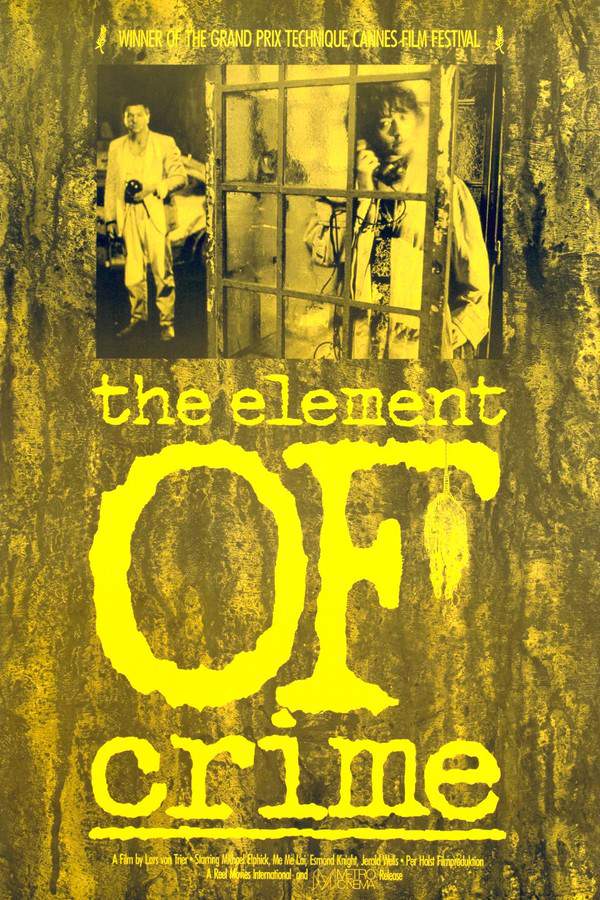
The Element of Crime

Former detective Fisher and criminology expert Osbourne join forces to investigate a series of disturbing murders. Osbourne's unique approach to profiling serial killers leads them into a complex and dangerous investigation. As they delve deeper into the killer's psychology, Fisher struggles to maintain his own sanity, and the lines between investigator and criminal become increasingly blurred, threatening to consume him.
Where to Watch The Element of Crime?
Find where to stream, rent, or buy The Element of Crime (1984) in the US with current JustWatch availability, up-to-date pricing, and platform listings for subscription, rental, and digital purchase options.


Streaming availability powered by 
Warning: spoilers below!
Haven’t seen The Element of Crime yet? This summary contains major spoilers. Bookmark the page, watch the movie, and come back for the full breakdown. If you're ready, scroll on and relive the story!
The Element of Crime (1984) – Full Plot Summary & Ending Explained
Read the complete plot breakdown of The Element of Crime (1984), including all key story events, major twists, and the ending explained in detail. Discover what really happened, and what it all means.
As detective Fisher, played by Esmond Knight, reclines on a timeworn leather couch in the gritty depths of Cairo, the fog of his troubled psyche slowly begins to clear under the influence of hypnosis. His subconscious reveals buried truths, offering glimpses into the horrific memories of his last case—a harrowing investigation into a series of young girls torn from their homes and tragically victimized by the notorious "Lotto Murderer." The Europe that materializes in Fisher's dreamlike exploration is a dismal dystopia, enveloped in a permanent twilight.
As he plunges deeper into his own mind, anguished recollections resurface: he recalls Kramer, the weary police chief, who enlisted his expertise to locate the fiend responsible for the heinous crimes. He also thinks of Osborne, his disgraced mentor, who left behind a cryptic trail that intertwined with the book titled "The Element of Crime." Fisher's fixation intensifies as he meticulously studies the book's offbeat techniques, which resonate eerily with the grim realities of his case.
At the core of this dark narrative lies Harry Grey, a murderer whose history mirrored that of Fisher's current adversary, only to meet a tragic end in a catastrophic event. Accompanying Fisher on this hazardous voyage is Kim, portrayed by Me Me Lai, a complicated prostitute whose fate intertwines with Grey's life in both surprising and unsettling manners. As Fisher descends further into the mind of the "Lotto Murderer," he begins to mirror the descent into madness, causing the boundaries between hunter and hunted to blur.
In this haunting exploration, Osborne's spectral voice offers a daunting realization: by embracing the darkness that lies within, both mentor and mentee have, in fact, become active participants in the very evil they endeavored to obliterate. The film reaches its climax with Fisher, ensnared in his own subconscious, resembling a fragile creature yearning for liberation from the hypnotist's hold—yet all he hears in response is the haunting silence of his waking nightmare.
Last updated: November 22, 2024 at 18:49
The Element of Crime (1984) Plot Questions Answered – Summary FAQ
Explore frequently asked questions about The Element of Crime (1984) with spoiler-rich answers covering the full plot summary, major story beats, character motivations, hidden details, and ending meaning. This movie summary FAQ helps explain confusing scenes, plot twists, and narrative decisions in clear, searchable detail.
Why does Fisher use hypnosis to investigate the Lotto Murderer?
Fisher uses hypnosis to access his suppressed memories of the case, as he has been traumatized by the investigation. The film opens with him reclining on a couch in Cairo where a hypnotist helps clear the fog of his troubled psyche, allowing buried truths about the case to surface. This technique mirrors the unconventional methods from Osborne's book, which Fisher has been studying to understand the killer's psychology.
The film immediately establishes Fisher's fragile mental state from the opening scene, suggesting his reliance on hypnosis is born from psychological necessity rather than professional preference.
What is the significance of the book The Element of Crime?
The Element of Crime is a book written by Fisher's disgraced mentor Osborne, containing unconventional profiling techniques for catching serial killers. Fisher becomes fixated on studying this book because its methods resonate eerily with the realities of the Lotto Murderer case. The book serves as a bridge between Osborne's theoretical knowledge and the actual horror Fisher is investigating, ultimately leading Fisher down a dangerous psychological path.
Fisher's study of Osborne's book is introduced early in the film as a key motivation driving his increasingly obsessive investigation.
Who is Harry Grey and what is his connection to the case?
Harry Grey is a murderer whose history mirrors that of Fisher's current adversary, the Lotto Murderer. Both killers targeted young girls, and Grey's past serves as an eerie parallel to the present case. Grey met a tragic end in a catastrophic event, but his legacy looms over the investigation. Kim, the prostitute, has her fate intertwined with Grey's life in surprising ways, adding complexity to the case.
The film hints at Grey's significance early through Fisher's recollections, suggesting his story contains crucial clues to understanding the current killer.
What is Kim's role in the investigation?
Kim is a prostitute portrayed by Me Me Lai whose fate becomes entangled with both Harry Grey and Fisher's investigation. Her involvement reveals surprising alliances and unsettling truths about the criminal network surrounding the case. As Fisher descends deeper into the killer's mind, Kim's presence serves as both a connection to the physical world and a reminder of the human cost of the crimes.
Kim's introduction early in Fisher's journey signals her importance to unraveling the case's complexities.
Why does Fisher begin to mirror the Lotto Murderer's madness?
As Fisher delves deeper into the psychology of the Lotto Murderer through hypnosis and study of Osborne's book, he begins to adopt the killer's mindset. This psychological descent causes the boundaries between hunter and hunted to blur, transforming Fisher from investigator into participant. The more he understands the killer's motivations, the more he becomes consumed by the same darkness he seeks to combat.
The film foreshadows this transformation early through Fisher's increasingly disturbed state and his obsessive identification with the killer.
What does Osborne mean when he says they became participants in evil?
Osborne's spectral voice delivers this haunting realization late in the film: by embracing the darkness within to understand and catch the killer, both mentor and student have become active participants in the very evil they tried to destroy. This means that by adopting the psychological techniques and mindset of a murderer, Fisher has crossed a moral threshold where the line between justice and vendetta, between hunter and criminal, has dissolved.
Osborne's cryptic warnings and teachings throughout the film build toward this grim realization about the cost of psychological immersion.
Why is the setting depicted as a dystopian Europe in twilight?
The film presents a dystopian Europe shrouded in permanent twilight, symbolizing the pervasive despair and horror surrounding the Lotto Murderer case. This bleak setting reflects Fisher's fractured psychological state and the moral darkness of the investigation. The surreal, dreamlike quality of the European landscape represents how reality, memory, and Fisher's fractured identity intentionally blur together throughout the narrative.
The dystopian vision appears as Fisher's mind unravels deeper into the investigation, tying the external setting to his internal psychological deterioration.
What does the film's ambiguous ending signify?
The film concludes with Fisher trapped in his own subconscious, resembling a fragile creature yearning for liberation from the hypnotist's hold, only to hear the haunting silence of his waking nightmare. This bleak ending signifies that Fisher has become permanently consumed by the psychological toll of his investigation. There is no resolution or hope, only the perpetual darkness of a mind that has become indistinguishable from the killer it pursued.
The ending flows naturally from Fisher's progressive psychological deterioration throughout the film, culminating in his complete entrapment.
What is the significance of the mentor-student relationship between Osborne and Fisher?
The dynamic between Osborne and Fisher represents a dangerous transmission of knowledge and psychological vulnerability. Osborne, already disgraced, left behind cryptic teachings that Fisher becomes obsessed with. As Fisher follows Osborne's methods, he inherits not just investigative techniques but also the mentor's moral corruption. This relationship demonstrates how the pursuit of understanding evil can lead both teacher and student to become entangled in the same darkness.
Fisher's memories of Osborne's cryptic warnings and the lingering influence of his book establish this mentorship as fundamentally flawed from the start.

Explore Movie Threads
Discover curated groups of movies connected by mood, themes, and story style. Browse collections built around emotion, atmosphere, and narrative focus to easily find films that match what you feel like watching right now.
Movies with a hypnotic descent into madness like The Element of Crime
Films where reality unravels through a dreamlike and paranoid investigation. If you were captivated by the surreal and paranoid atmosphere of The Element of Crime, this thread gathers films that use a hypnotic, dreamlike pace to explore a character's psychological collapse. These movies often feature unreliable narrators, blurred realities, and a heavy, unsettling mood that prioritizes internal dread over external plot.

A Quiet Place in the Country
1968

Cure
1997

Images
1972
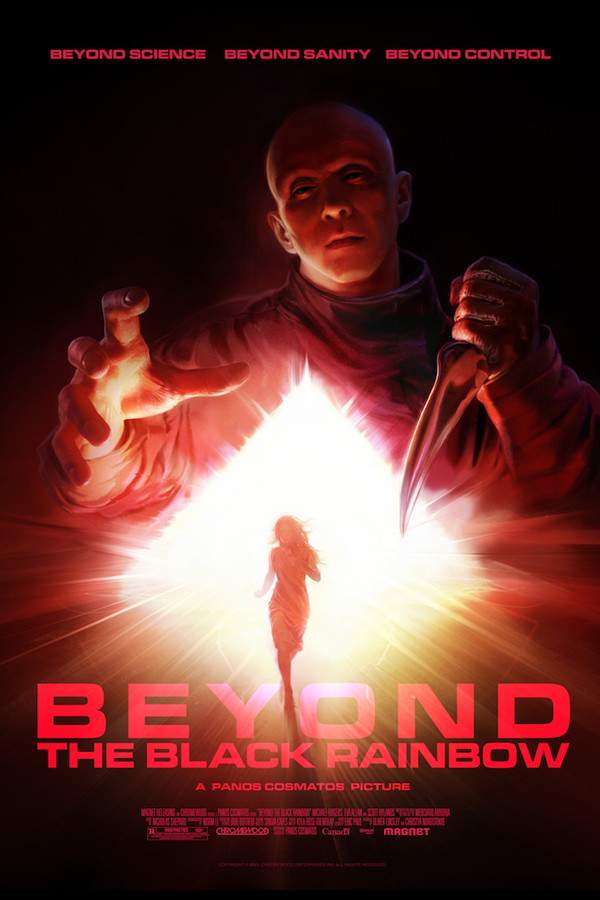
Beyond the Black Rainbow
2012

Hour of the Wolf
1968

Lost River
2015

Vanishing Waves
2013

A Reflection of Fear
1972
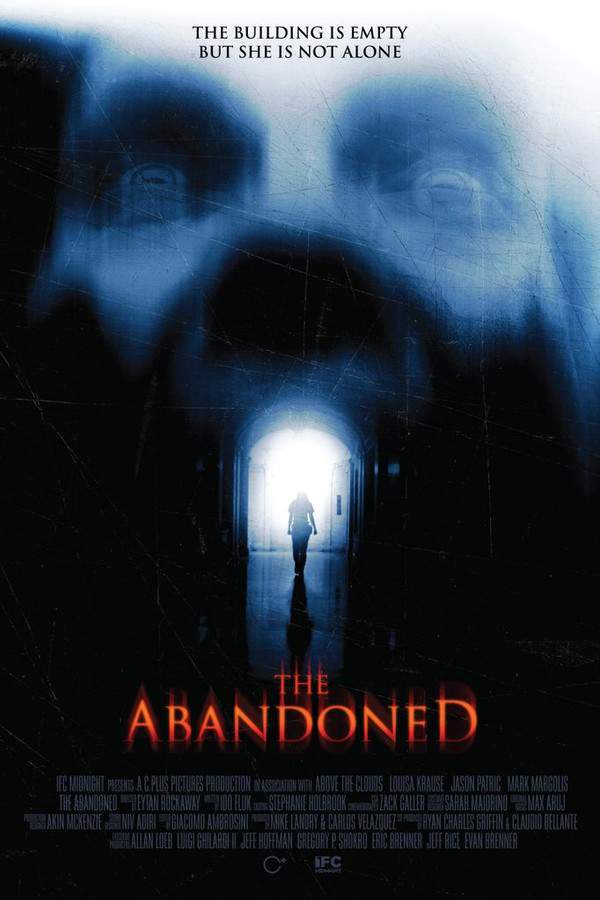
The Abandoned
2016
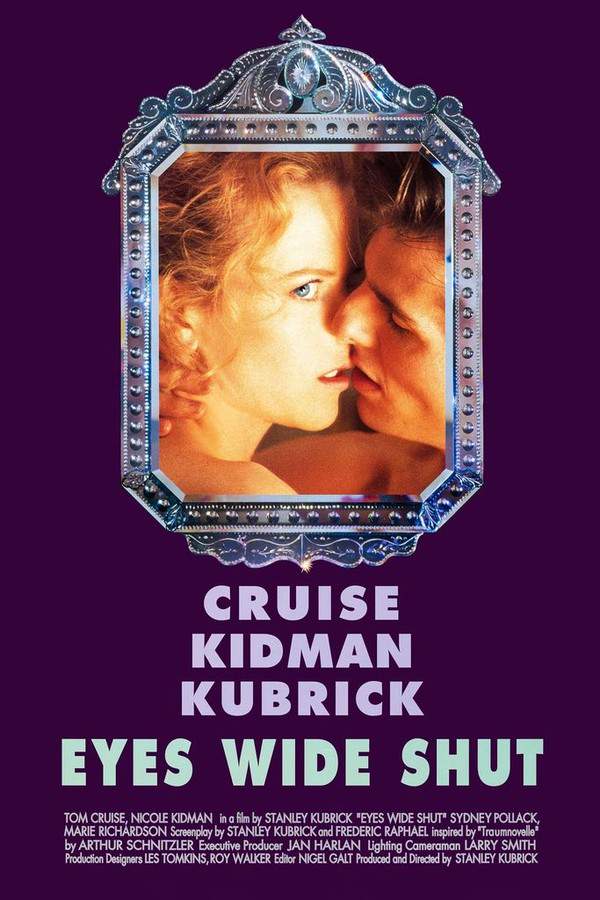
Eyes Wide Shut
1999

The Strange Hostel of Naked Pleasures
1976

The Blackcoat's Daughter
2017
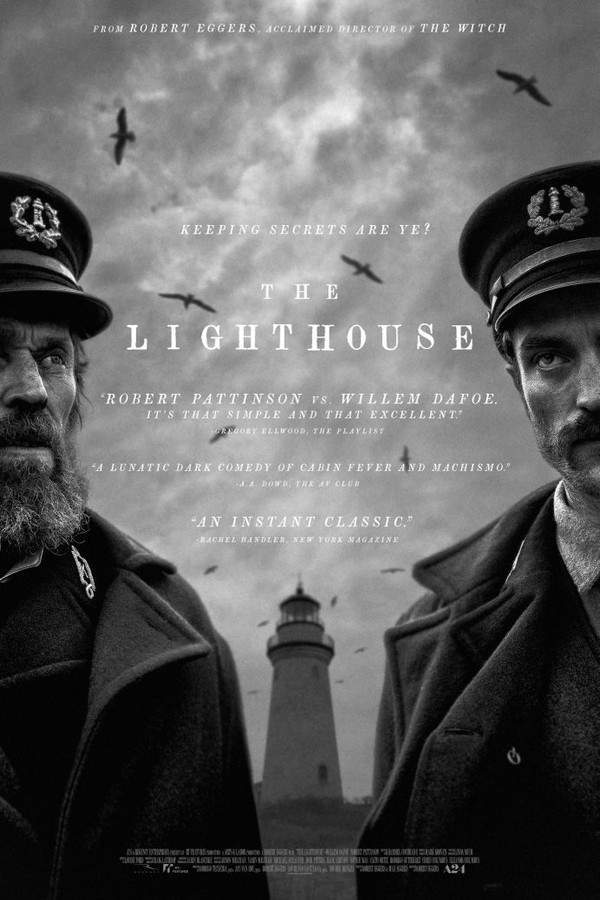
The Lighthouse
2019
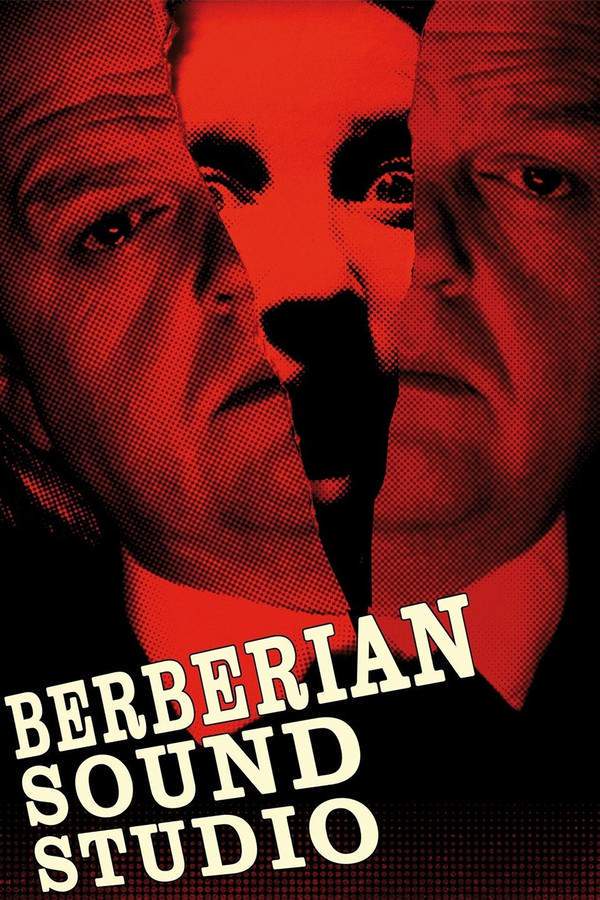
Berberian Sound Studio
2013

Arrebato
2014
Narrative Summary
The narrative typically follows a protagonist, often an investigator or observer, whose pursuit of a truth leads them down a path of psychological disintegration. The story structure is often non-linear or subjective, mirroring the character's fractured perception, culminating in a bleak realization or complete loss of self.
Why These Movies?
Movies are grouped here for their shared focus on a surreal, internal journey into a character's psyche. They prioritize mood over action, using slow pacing and complex, often ambiguous narratives to create a deeply immersive and unsettling experience centered on paranoia and identity dissolution.
Bleak detective stories with moral collapse like The Element of Crime
Stories where detectives are consumed by the darkness they hunt. For viewers who appreciated the grim trajectory of the detective in The Element of Crime, this section features movies about investigators who become corrupted by their cases. These are heavy, psychologically complex thrillers set in dystopian or grim worlds, ending with a sense of hopelessness and moral defeat.
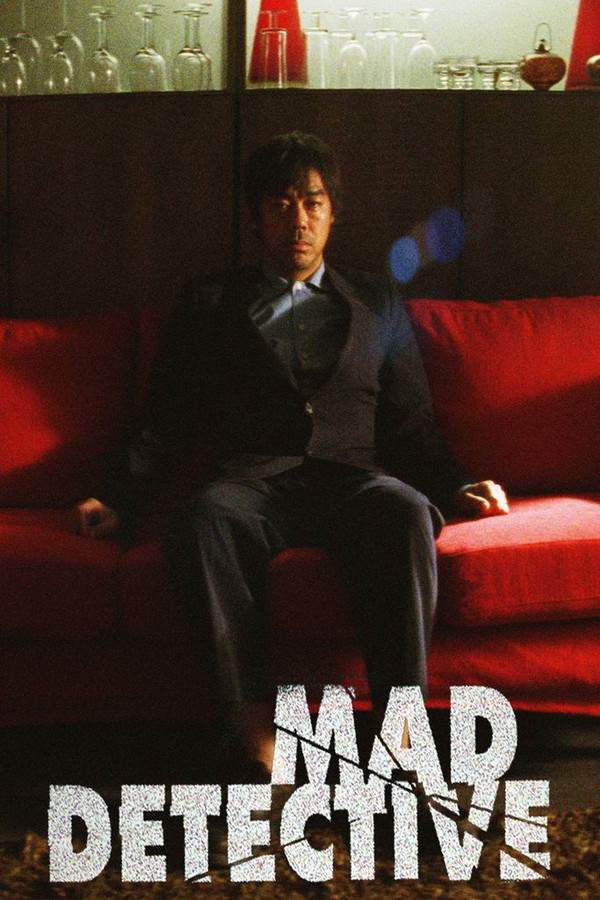
Mad Detective
2008

Dangerous to Know
2020

Retribution
2006
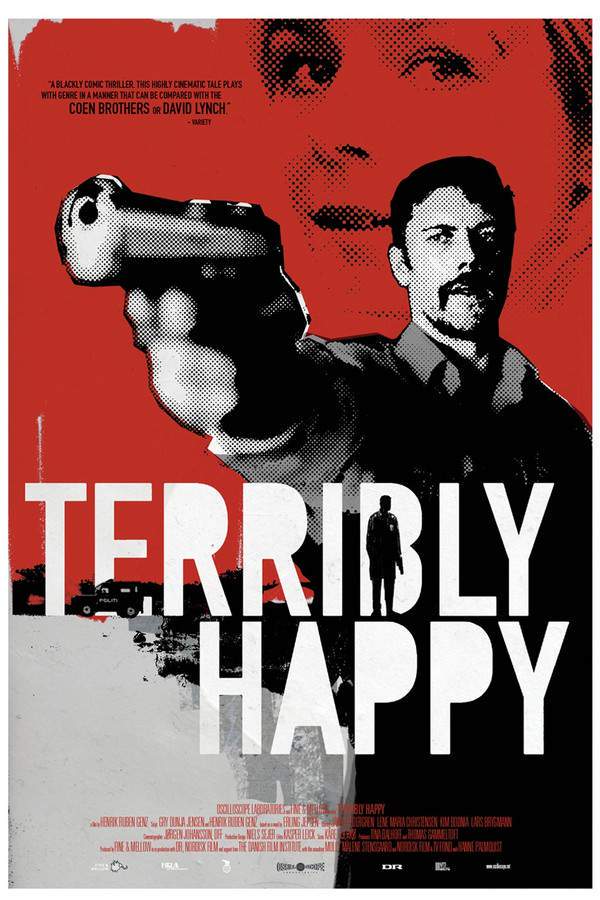
Terribly Happy
2010

Tales from the Dark 1
2013
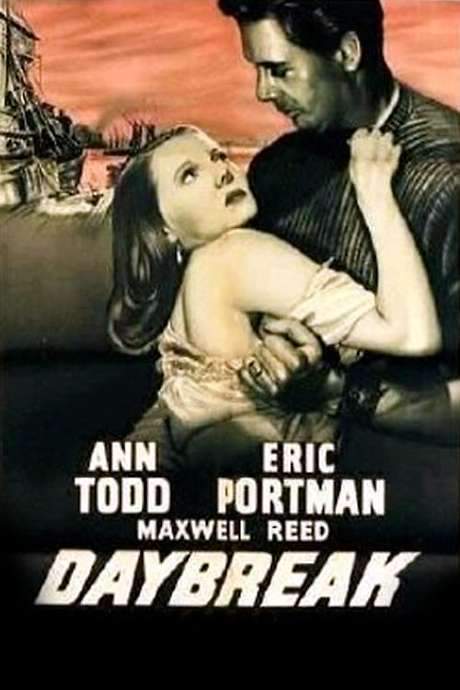
Daybreak
1948

Dawshom Awbotaar
2023

Damaged
2024
The Element of Crime
1984

Following
2024

Night Moves
1975

The Upturned Glass
1947

The Disappearance
1981
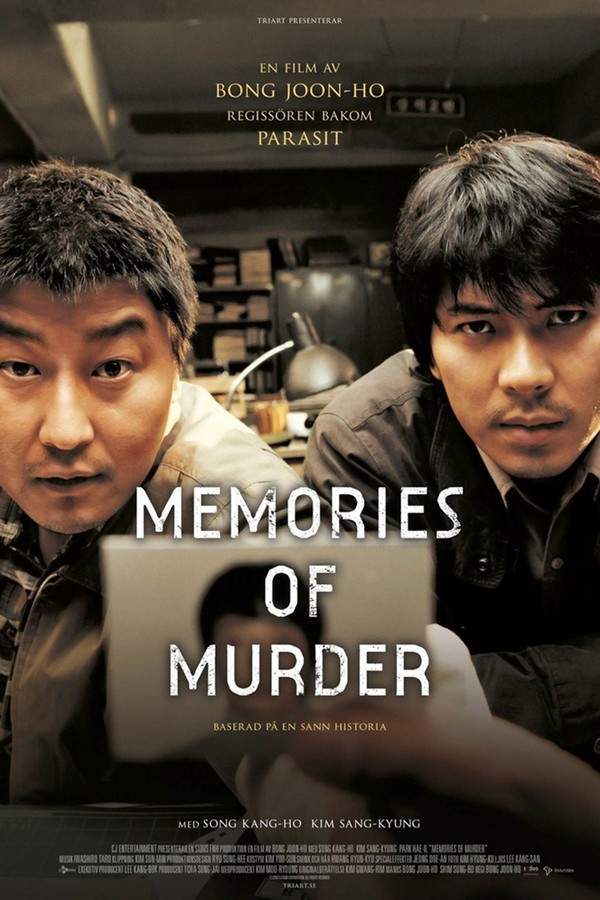
Memories of Murder
2005

City of Lies
2018
Narrative Summary
The plot follows a detective or agent who uses unorthodox or psychologically immersive methods to catch a criminal. Instead of a clean resolution, the protagonist's obsession leads them to internalize the criminal's mindset, resulting in a tragic transformation where they mirror the evil they sought to stop.
Why These Movies?
These films share a specific narrative arc: the investigator's descent. They are united by a dark tone, heavy emotional weight, and bleak endings that explore themes of identity, obsession, and the corrupting influence of evil, often within a stylized or dystopian setting.
Unlock the Full Story of The Element of Crime
Don't stop at just watching - explore The Element of Crime in full detail. From the complete plot summary and scene-by-scene timeline to character breakdowns, thematic analysis, and a deep dive into the ending - every page helps you truly understand what The Element of Crime is all about. Plus, discover what's next after the movie.
The Element of Crime Timeline
Track the full timeline of The Element of Crime with every major event arranged chronologically. Perfect for decoding non-linear storytelling, flashbacks, or parallel narratives with a clear scene-by-scene breakdown.

Characters, Settings & Themes in The Element of Crime
Discover the characters, locations, and core themes that shape The Element of Crime. Get insights into symbolic elements, setting significance, and deeper narrative meaning - ideal for thematic analysis and movie breakdowns.


Similar Movies to The Element of Crime
Discover movies like The Element of Crime that share similar genres, themes, and storytelling elements. Whether you’re drawn to the atmosphere, character arcs, or plot structure, these curated recommendations will help you explore more films you’ll love.









Explore More About Movie The Element of Crime
The Element of Crime (1984) Scene-by-Scene Movie Timeline
The Element of Crime (1984) Movie Characters, Themes & Settings
The Element of Crime (1984) Spoiler-Free Summary & Key Flow
Movies Like The Element of Crime – Similar Titles You’ll Enjoy
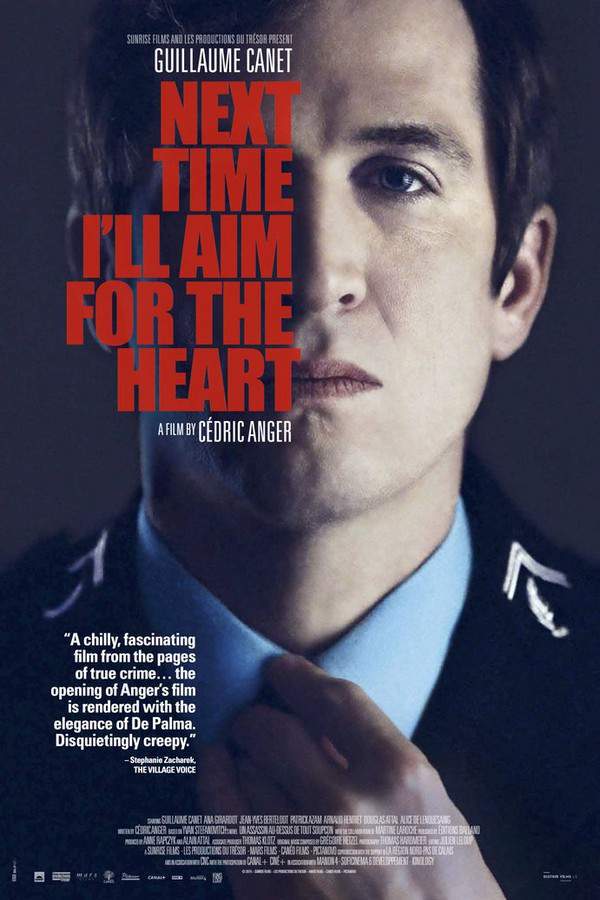
Next Time I'll Aim for the Heart (2016) Plot Summary & Ending Explained
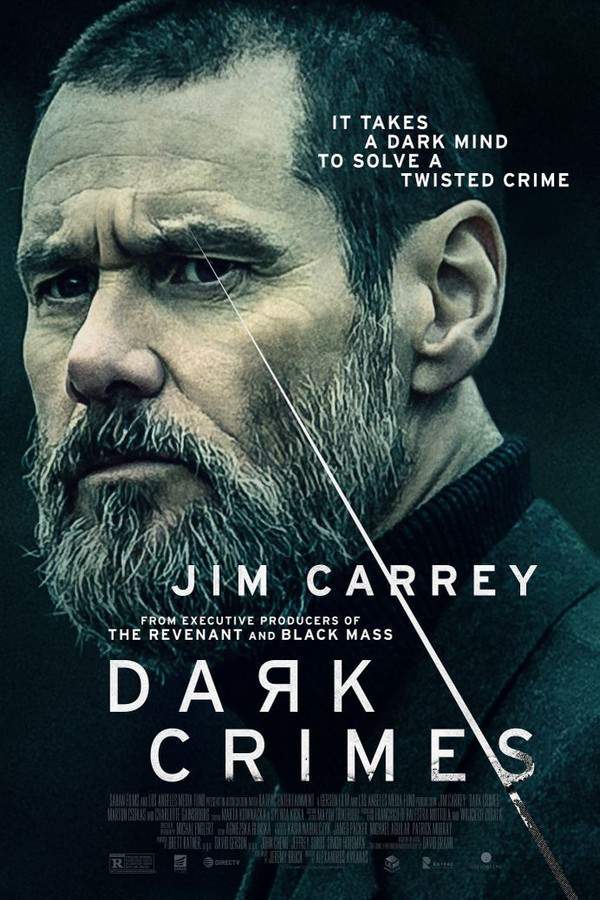
Dark Crimes (2018) Movie Recap & Themes
Basic Instinct (1992) Full Summary & Key Details
Stone (2010) Full Summary & Key Details
Malice (1993) Story Summary & Characters
Amok (2017) Plot Summary & Ending Explained
X - The eXploited (2018) Complete Plot Breakdown
Crime Scenes (2000) Spoiler-Packed Plot Recap
A Crime (2006) Detailed Story Recap
Crime (1000) Ending Explained & Film Insights
Love Crimes (1992) Full Summary & Key Details
The Detective and Death (1994) Story Summary & Characters
Crimetime (1996) Spoiler-Packed Plot Recap
Element of Doubt (1996) Ending Explained & Film Insights
Puzzle (1974) Ending Explained & Film Insights