Plot Explained Spoilers guaranteed!
Plot Explained

Browse by genre

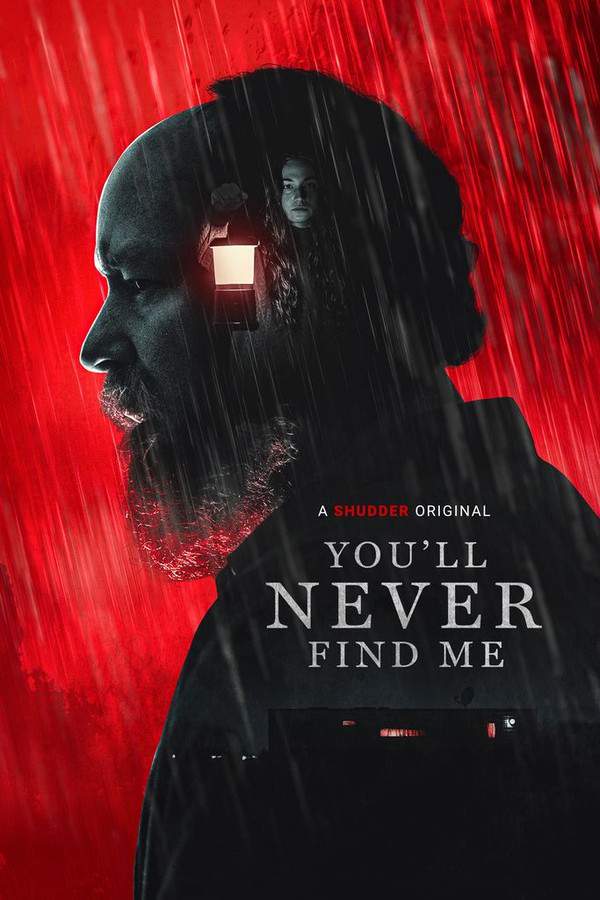
You'll Never Find Me (2024) movie poster

Plot Summary

You'll Never Find Me (2024) Plot Summary & Ending Explained

Release, runtime and language
2024 · 1 h 36 m · English
Echo score 75
Loading streaming availability…
Directed by
Josiah Allen, Indianna Bell
Starring
Brendan Rock, Jordan Cowan, Elena Carapetis, Angela Korng, Luca Trimboli, Finn Watson

A reclusive man's quiet life is interrupted when a young woman seeking shelter arrives during a severe storm. As the storm intensifies, a tense connection develops between them, uncovering hidden secrets and deceptions that put one of them in danger.

On this page (6)
  1. 1 Where to watch
  2. 2 What happens: full plot
  3. 3 Plot questions answered
  4. 4 How it ends
  5. 5 Movie threads
  6. 6 Every angle
Loading streaming availability…

Full plot summary · contains spoilers

What Happens in You'll Never Find Me: Full Plot Summary

The whole story of You'll Never Find Me (2024) explained, from the opening scene to the final frame: every key event, every twist and what it all adds up to. Read it as a quick recap before the sequel, to check a scene you missed, or to finally understand what really happened.

In the dimly lit sanctuary of his trailer, Patrick's {/actor/brendan-rock} solitude was abruptly shattered by the familiar glow of a radio. The melancholic tune of "Sleepwalk" whisked him back to a rainy day marked by a mysterious encounter with a woman parked outside his vehicle. As he fiddled with a vial of clear liquid, his mind veered even further into the past, the storm outside echoing the chaos brewing within his heart.

Suddenly, a knock at the door jolted him from his reverie. With palpable hesitation, Patrick opened the door to find a young woman {/actor/jordan-cowan} soaked from the downpour, seeking refuge from the unforgiving storm. He offered her a towel and a warm cup of tea, but she turned down his hospitality, claiming she had issues with her car. As the conversation flowed, she asked to make a phone call, but Patrick cautioned her about the isolated payphone nearby, offering dry clothes instead and gently warning her about the risks of going alone.

The woman’s dubious story of coming from the beach raised red flags within Patrick, reminding him of the dangers lurking just beneath the surface. He handed her coins and the directions to the payphone, emphasizing the daunting trek she would face at this hour. Reluctantly, she decided to stay the night, her blonde hair glistening in the dim light as she noticed Patrick's eerie collection of women’s belongings, including a locket with a strand of hair – artifacts that whispered secrets he dared not voice.

As she wandered through the trailer, her eyes landed on an array of women's trinkets, hinting at a hidden past. When she inquired about her lodging arrangements, Patrick's responses only deepened the mystery surrounding him. However, he tactfully offered her the chance to warm up with a shower, which revealed blood and dirt swirling down the drain as she washed. Their silence grew comfortable as Patrick prepared a simple meal of soup, sharing it alongside an old jumper belonging to his late wife. When she asked about his marital status, Patrick's reply was soaked in bittersweet nostalgia; age had indeed taken a toll on him, and he lamented, > "My thoughts are bleeding into my life."

The tension escalated against the backdrop of the raging storm outside, casting an eerie pall over their refuge. The woman's curiosity began to chip away at the veneer of the evening's peacefulness, leading her to question how they had entered the trailer despite the locked gate. In a moment that froze time, an unexpected knock reverberated through their makeshift haven—a sound reminiscent of children who frequently taunt him by knocking and then running away. However, on this night, no one appeared to be playing games. As they stepped outside to explore the sudden power outage, her flashlight illuminated disturbing traces of blood on a hammer and strange marks etching into Patrick’s back, striking an alarming chord within her.

Despite her growing unease, she remained, and they found amusement in a game of Bullshit, their laughter buoying the atmosphere against the tempest outside. Yet, beneath Patrick's calm facade lay a web of lies—stories about a wife he claimed had died of an overdose, while the truth was that they had met at a gas station under completely different circumstances. As the woman noticed lipstick smudged on her glass, her suspicions grew once more.

As the storm wreaked havoc, Patrick ventured into the wild night outside. In his absence, the woman stumbled upon a vibrating phone in a concealed room, its ominous presence only heightened by the shocking sight of a dead woman concealed beneath a sheet on the bed. Realizing she was trapped, she attempted to escape, shattering the skylight with the hammer, now slick with more blood. In a chilling twist, Patrick confronted her, binding her with a chilling precision before incapacitating her with the GHB solution he had handy. Though she fought valiantly against the effects, her resistance ultimately succumbed to his icy touch, leaving her limp and vulnerable.

Lost in a fit of memories, Patrick began to recount the tale of his first victim—a young woman who had found herself in need on a stormy night—her vivid tattoo etched in his mind, forever linking her to the woman now at his mercy. In a revelation laced with horror, he faced the truth: this entrapped woman was not merely another victim—she was entangled in a dark cycle he had unwittingly created.

As chaos erupted within him, specters of his past victims began to close in, their ghostly visages emerging as a haunting reminder of his atrocities. The distant sound of police sirens pressed against his consciousness, submerging him in a chilling anxiety as darkness swallowed him whole, transporting him to his childhood—a time when only the mournful beeping of his father’s ventilator punctuated the silence.

When Patrick emerged from this harrowing memory, his body smeared with blood and visibly shaken, the woman had regained her strength. Demanding that he consume the vial of GHB and pour its contents into a whiskey bottle, she bore a look of defiance. Patrick complied, and in a macabre twist of fate, the spirits of his past encircled him, cheering him on toward an inevitable overdose.

As reality blurred, Patrick's consciousness flickered back to life, revealing an astonishing truth: this nightmare had been nothing but a fevered figment. The incessant knocking was a mere trick played by children, and his pockets were empty—no vial of GHB to be found. Laughter bursting from his lips mingled with disbelief as he grasped the depths of his own delirium. When the scene cuts back to the trailer's bleak exterior, a chilling sight emerges—Patrick’s lifeless form slumped against the doorframe, the fading sounds of laughter dissolving into an unsettling stillness.
Last updated: November 17, 2024 at 15:55

Was this helpful?

Plot questions answered

You'll Never Find Me Plot Explained: Your Questions Answered

The questions people ask most about You'll Never Find Me (2024): what happens in the confusing scenes, why the characters do what they do, the twists, hidden details and what the ending means. Each answer contains spoilers.

Q1

Why does Patrick have women's belongings in his trailer?

Patrick keeps souvenirs from his victims. The trinkets, including a locket with a strand of hair, are trophies from the women he has killed. Throughout the film, hints accumulate about his dark history, he mentions meeting his wife at a gas station under different circumstances than his claimed story, and he recounts the memory of his first victim, a young woman who sought help during a stormy night.

Foreshadowing: Earlier, the woman notices Patrick's collection of women's items, including the locket, which foreshadows his status as a serial killer.

  • patrick
  • trailer
  • women's belongings
  • souvenirs
  • trophies
  • killer
Q2

What happens at the ending of the film?

The entire confrontation with the young woman was a paranoid delusion brought on by Patrick's GHB use and psychological instability. The knocking at the door was actually just children playing, not the woman. In the delusion, Patrick is forced to drink GHB and experiences hallucinations of his past victims. When reality returns, Patrick is found dead slumped against his trailer doorframe, he either died from the GHB overdose or from the psychological break itself.

Foreshadowing: The film hints at the twist when Patrick's memories become increasingly fragmented and the boundary between reality and delusion blurs.

  • ending
  • Patrick's death
  • delusion
  • GHB overdose
  • hallucination
  • twist
Q3

Was the young woman real or a hallucination?

The ending reveals that the young woman was likely a manifestation of Patrick's guilt and paranoia rather than an actual person. When he emerges from his delusion, the knocking is revealed to be children, not an actual visitor. The woman may represent the cycling pattern of victims Patrick has repeatedly targeted during storms, each young woman who sought help becoming another iteration of his predation.

Foreshadowing: Patrick mentions being trapped in a cycle he created, suggesting the woman embodies his repeated pattern of targeting vulnerable visitors.

  • young woman
  • hallucination
  • delusion
  • real
  • cycle
  • victim
Q4

What is the GHB that Patrick uses throughout the film?

GHB is a clear liquid that Patrick uses as a chemical weapon to incapacitate his victims. He carries a vial of it and uses it to drug the woman when she attempts to escape. In the final delusion, the woman forces Patrick to consume the GHB himself, leading to his overdose and death, turning his own weapon against him.

Foreshadowing: Patrick is seen fiddling with a vial of clear liquid at the beginning, establishing GHB as his method of choice for rendering victims helpless.

  • GHB
  • incapacitate
  • drug
  • victims
  • vial
  • overdose
Q5

Why does Patrick tell the story of his first victim?

While incapacitated and lost in memory, Patrick recounts the story of his first victim, a young woman who came to him during a stormy night seeking help. This reveals his pattern: he targets vulnerable women who are stranded and seeking shelter. The woman currently trapped realizes she is part of a repeating cycle Patrick has enacted multiple times before.

Foreshadowing: The film establishes early on that Patrick lives in isolation and has a history with women who arrive during storms, hinting at his predatory repetition.

  • first victim
  • stormy night
  • pattern
  • cycle
  • Patrick's history
Q6

What caused the blood on the hammer and the marks on Patrick's back?

The blood on the hammer and the marks on Patrick's back are visual evidence of his violent history. When the woman shines her flashlight outside during the power outage, she discovers these disturbing traces. These details confirm Patrick as a dangerous killer who has previously used the hammer to attack women. The blood represents his past murders, while the marks on his back may be self-inflicted wounds from his guilt and psychological turmoil.

Foreshadowing: The earlier discovery of women's trinkets in the trailer already hints at Patrick's dark collection of victims' belongings.

  • blood
  • hammer
  • marks on back
  • violence
  • murder
Q7

Why does Patrick claim his wife died of an overdose?

Patrick lies about his wife's death, claiming she died of an overdose. However, he later admits they met at a gas station under completely different circumstances than his stated story. This suggests his wife may have been another victim or that their relationship was built on deception. The lie about the overdose mirrors how he manipulates and misleads the women who come to him.

Foreshadowing: When asked about his marital status, Patrick responds with bittersweet nostalgia, saying his thoughts are bleeding into his life, hinting at his deceptive nature.

  • wife
  • overdose
  • lie
  • gas station
  • deception
  • Patrick's past
Q8

Why does the radio play "Sleepwalk" and what is its significance?

The melancholic tune of "Sleepwalk" serves as a trigger for Patrick's memories and sets the atmospheric tone for the film. The song plays as he reflects on a rainy day with a mysterious woman parked outside his vehicle, connecting his past victims to his present delusion. The music creates a dreamlike, unsettling atmosphere that reflects the blurred line between his memories and reality.

Foreshadowing: The radio begins playing as soon as Patrick enters his trailer, immediately setting a nostalgic and ominous mood.

  • Sleepwalk
  • radio
  • memory
  • trigger
  • rain
  • Patrick's past
Q9

What does Patrick mean when he says he is trapped in a cycle?

Patrick reveals he is trapped in a cycle of violence he has repeated multiple times. He targets young women who become stranded during storms, brings them to his trailer, and kills them. The cycle represents his compulsion to recreate the scenario of his first victim, a young woman who needed help on a stormy night. The woman he traps realizes she is simply the latest iteration of this repeating pattern.

Foreshadowing: The consistent setting of each encounter happening during severe storms reinforces this cyclical pattern of predation.

  • cycle
  • pattern
  • repetition
  • victims
  • storm
  • compulsion
Q10

Why does the power go out during the storm?

The power outage occurs during the height of the storm as part of the escalating tension. It forces Patrick and the woman to use flashlights, which leads to the discovery of the blood on the hammer and the marks on Patrick's back. The darkness amplifies the danger and sets the stage for the woman's escape attempt. In the context of the ending, the entire sequence may be part of Patrick's paranoid delusion rather than actual events.

Foreshadowing: The power outage coincides with the mysterious knock that initiates the film's descent into darkness and danger.

  • power outage
  • storm
  • darkness
  • flashlight
  • tension
Q11

Why does the woman shatter the skylight to escape?

When the woman discovers the dead body hidden in the concealed room and realizes she is trapped, she desperately attempts to escape by shattering the skylight with a hammer. However, Patrick intercepts her before she can fully escape, using the GHB to incapacitate her. This represents her only real chance at survival being thwarted by the skilled predator.

Foreshadowing: The discovery of the vibrating phone and hidden room builds tension toward this desperate escape moment.

  • skylight
  • escape
  • hammer
  • woman
  • attempt
  • Patrick
Q12

What caused Patrick to collapse and die at the end?

In the film's ambiguous ending, Patrick collapses against his trailer doorframe dead. The interpretation is that he either died from a GHB overdose (as shown in his delusion when forced to drink it) or succumbed to the psychological collapse of his mind breaking. The ending suggests he died alone, consumed by his own darkness and hallucinations, with the sound of children's laughter fading into stillness representing the tragic end of a disturbed man.

Foreshadowing: Throughout the film, Patrick's mind increasingly fragments, with memories bleeding into his present reality, foreshadowing his ultimate breakdown.

  • Patrick
  • death
  • collapsed
  • overdose
  • alone
  • trailer

Ending explained

What Happens at the End of You'll Never Find Me?

How You'll Never Find Me (2024) ends, in short: the final scene, the last twist and what it means for the characters. The full ending explained, with every spoiler, lives on its own page.

Read the full ending explained

The ending of You’ll Never Find Me reveals that the mysterious visitor the man, Patrick, encounters is actually a manifestation of his own guilt and suppressed memories. Throughout the film, Patrick’s interactions with her appear to be a real-time confrontation, but as the story unfolds, it becomes clear that she was never truly there—she was a figment of his haunted mind. The flashes of the first murder, showing a woman in a car on a rainy day, serve as a recurring motif that ultimately exposes her identity as Patrick’s initial victim, the woman he murdered when she asked for a ride. Her jewelry, the blood-stained hammer, and her face flashing through Patrick’s mind confirm that she was the very first woman he killed, and her death haunts him in a psychological sense.

The film suggests that the Visitor’s presence is a symbolic projection of Patrick’s remorse, guilt, and psychological breakdown. As he attempts to suppress these feelings, his mind manifests her as a ghostly figure who keeps confronting him with his crimes. The climax intensifies as Patrick, overwhelmed by his guilt, drinks the GHB drug solution, which ultimately causes his death. In his final moments, the visitor disappears, and he is left alone, sitting in his mobile home, with the realization that his conscience has finally caught up with him. The ending emphasizes that You’ll Never Find Me is a haunting meditation on the horrors one can carry inside, and how guilt can manifest as a deadly hallucination that ultimately leads to self-destruction. The recurring scenes of the rain and the car further reinforce the connection to his first murder, making it clear that none of the encounters were real outside of his tormented mind. Ultimately, Patrick’s death signifies the tragic consequence of his hidden guilt and the inescapable darkness of his psyche.

You'll Never Find Me ending explained in full

Movie threads

More Movies Like You'll Never Find Me, by Mood & Story

Curated lists built around what makes You'll Never Find Me tick: the same mood, the same kind of story or the same emotional payoff. Each list explains why these movies belong together.

Claustrophobic psychological thrillers like You'll Never Find Me

Two characters trapped in a single location engage in a dangerous battle of wits. If you enjoyed the tense, confined mind games of You'll Never Find Me, explore these similar movies. This list features psychological thrillers and horror films where characters are trapped together, leading to intense paranoia, deception, and a slow-burning dread that mirrors the feeling of being hunted.

  • claustrophobic
  • paranoid
  • tense
  • unsettling
  • psychological
  • confined
  • Tone: dark, tense, unsettling
  • Pacing: slow burn, deliberate
Why these movies?

The story pattern: Narratives in this thread typically unfold in a single, isolated location, forcing a small cast into a pressure cooker scenario. The plot revolves around a power dynamic shift, hidden motives, and the gradual unraveling of truth, often culminating in a violent or psychologically shattering confrontation.

Why they belong together: Movies are grouped here for their shared focus on confinement as a narrative device, the central cat-and-mouse dynamic between characters, and the pervasive atmosphere of paranoia and psychological unease they generate.

Slow-burn atmospheric horror movies like You'll Never Find Me

Stories where the environment and mood build a pervasive sense of doom. For viewers who liked the oppressive atmosphere and slow-building dread of You'll Never Find Me, this list highlights similar horror and thriller films. These movies prioritize mood, setting, and psychological tension over fast-paced action, creating a deeply unsettling and immersive experience.

  • slow burn
  • atmospheric
  • unsettling
  • oppressive
  • dread
  • melancholic
  • Tone: dark, oppressive, bleak
  • Pacing: slow, atmospheric
Why these movies?

The story pattern: The narrative journey is one of escalating unease, where the plot unfolds gradually to maximize atmospheric pressure. Character study and environmental immersion are often more important than complex plotting, leading to an ending that feels bleak, inevitable, and emotionally heavy.

Why they belong together: These films are united by their methodical pacing, their emphasis on creating a powerful and oppressive mood, and their use of setting as a key source of tension and horror, resulting in a deeply unsettling viewer experience.

Every angle

You'll Never Find Me (2024) Explained: Plot, Ending, Timeline & Characters

Everything about You'll Never Find Me in one place: what happens in the plot summary, the timeline in chronological order, the characters and meaning, the ending explained and a spoiler-free summary. What's After the Movie adds the cast, box office and post-credit scenes.

Coming soon on iOS and Android

The Plot Explained Movie Summary App

Plot summaries, endings explained and timelines on your phone. Catch up on any movie in minutes, save your favorites and never miss a twist again.

Be the first to know when we launch. Your email stays private, always.

Learn more about the app