Year: 1971
Runtime: 141 mins
Language: English
Director: Roman Polanski
Set in 11th‑century Scotland, Macbeth, a war‑lord praised for his bravery, is spurred by a prophecy delivered by three witches and the relentless ambition of his wife. Overcome by doubt, he murders his sovereign and betrays comrades, plunging into a ruthless cycle of bloodshed, crime and suspicion.
Warning: spoilers below!
Haven’t seen Macbeth yet? This summary contains major spoilers. Bookmark the page, watch the movie, and come back for the full breakdown. If you're ready, scroll on and relive the story!
Read the complete plot breakdown of Macbeth (1971), including all key story events, major twists, and the ending explained in detail. Discover what really happened—and what it all means.
In the Middle Ages, a bold Norwegian and Irish invasion of Scotland, aided by the treacherous Thane of Cawdor, is silenced by two noble soldiers who share a crave for power. Macbeth, the Thane of Glamis, and Banquo find themselves at the heart of a prophecy when they encounter the enigmatic Three Witches, who foretell a dramatic rise in Macbeth’s fortunes and a future for Banquo that is “lesser and greater.” At the site of this fateful encounter, Macbeth and Banquo are left to grapple with what the future might hold, and the news of Cawdor’s execution arrives just as Macbeth is named the new Thane of Cawdor by King Duncan. The revelation overwhelms him with both awe and fear, setting in motion a dangerous chain of decisions.
Macbeth, newly minted as Thane of Cawdor, sends a letter to his wife, and Francesca Annis lights up his resolve with a mix of encouragement and ruthless ambition. Lady Macbeth, sensing her husband’s gentler nature, resolves to push him toward action, even if it means she must steel herself to cruelty. Meanwhile, Duncan elevates his own bloodline’s status, naming Malcolm, his eldest son, as Prince of Cumberland, a move that sits uneasily with Macbeth and stirs unrest within the court. The night unfolds with a sense of duplicity as Lady Macbeth hosts the royal visit at Macbeth’s castle, weaving charm and menace in equal measure.
When the moment comes, Macbeth enters Duncan’s chamber after his wife has secretly drugged the guards. A sudden act of violence changes the kingdom: Macbeth kills Duncan, frames the guards for the crime, and then eliminates them to ensure the deed is not questioned. News of the murder ripples through the realm, and suspicion drives Malcolm and Donalbain to flee, hoping to save their skins while casting suspicion on others. In the corridors of power, the Thane of Ross contemplates Macbeth’s ascent, even as Macduff heads north to Fife, sensing the danger that now hangs over Scotland.
From there, Macbeth’s fear fans a darker fire. He orders the murderers to strike at Banquo and his son Fleance, hoping to thwart any challenge to his throne. Banquo falls, but Fleance escapes, leaving Macbeth to settle a personal score with treachery and terror. Macbeth tries to quell the haunting presence of Banquo by arranging a grotesque banquet where the ghost of Banquo reappears, unbalancing the king and fueling his resolve to seek out the witches again. The witches respond with further prophecies and manipulations, casting a spell of invincibility around Macbeth and weaving visions that seal his fate with lines like the prophecy that he cannot be defeated “till Birnam Wood comes to Dunsinane.”
As Scotland’s nobles desert the throne, Macduff travels to England to join Malcolm in amassing forces. Terence Bayler portrays Macduff as a steadfast voice of loyalty who ultimately becomes a key instrument in confronting Macbeth. Back home, Lady Macduff, played by Diane Fletcher, and her household fall victim to Macbeth’s ruthless widenings of his rule, spurring Ross to pivot from ally to wary observer. The formidable English king aligns with Malcolm, gathering an army led by Siward, Alf Joint, to reclaim Scotland’s throne. The plan hinges on stealth and cunning: Birnam Wood must march as a living ruse, and the invading force advances on Dunsinane with branches in hand to cloak their numbers.
In the climactic clash, Macduff confronts Macbeth in a fierce duel, the truth of Macduff’s birth—delivered by Caesarean section—undermining the king’s stated invincibility. The duel ends with Macbeth slain and beheaded, and Malcolm’s title restored to the throne of Scotland. As the realm breathes a sigh of relief, Ross proclaims Malcolm king, while Donalbain’s fate remains entwined with the lingering influence of the witches, whose prophecies continue to cast a shadow over the land.
This sweeping tragedy unfolds with a blend of grit and poetry, driven by the intense personal ambitions of Macbeth and the ruthless devotion of Lady Macbeth, tempered by loyalty, betrayal, and the inexorable pull of fate. The interplay between prophecy and choice threads through every decision, turning a noble ascent into a perilous fall and leaving a kingdom to rebuild under a new king. The film’s stark mood, vivid character dynamics, and stark visuals invite viewers to ponder the cost of ambition and the price of heedless power.
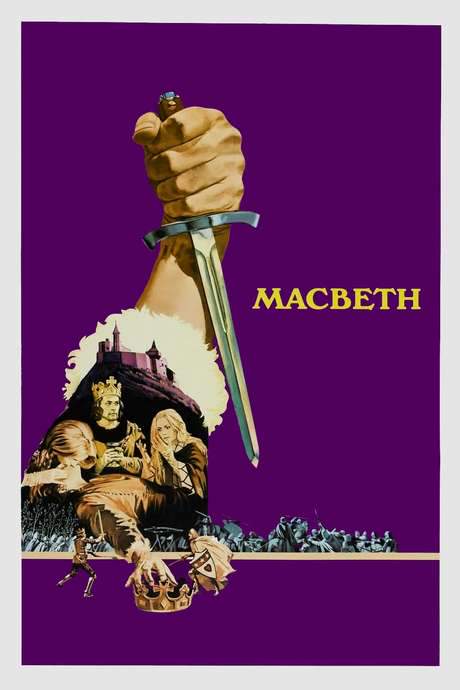
Last Updated: December 04, 2025 at 15:33
Discover curated groups of movies connected by mood, themes, and story style. Browse collections built around emotion, atmosphere, and narrative focus to easily find films that match what you feel like watching right now.
Stories where a protagonist's ruthless drive leads to moral decay and inevitable ruin.For viewers who appreciated the fatalistic drive in Macbeth, this section collects movies like it. These stories explore similar themes of ambition and corruption, featuring protagonists whose moral collapse and psychological torment lead to a tragic ending, perfect for fans of intense, character-driven dramas.
The narrative follows a clear, downward arc: a prophecy or opportunity ignites ambition, leading to a pivotal moral transgression (like regicide). This act triggers a chain of paranoia, further violence, and betrayal, isolating the protagonist until their inevitable, often violent, demise.
Movies in this thread share a core narrative structure of a rise-and-fall driven by ambition. They create a coherent experience through their dark tone, heavy emotional weight, and bleak endings, focusing on the psychological cost of power and the inescapable nature of a self-made fate.
Films that build a claustrophobic atmosphere of dread as a character's sanity unravels.If you liked the oppressive, paranoid feeling in Macbeth, this section finds similar movies. These films share a dark, steady-paced vibe where a character's guilt and ambition create a suffocating sense of dread, perfect for those seeking psychologically intense and unsettling stories.
These stories often begin with a destabilizing event that seeds doubt. The protagonist becomes increasingly isolated and suspicious, perceiving threats everywhere. The narrative unfolds through their distorted perspective, emphasizing ghostly visions, real or imagined betrayals, and a growing chasm between their public front and private torment.
These films are grouped by their shared, oppressive mood and psychological focus. The coherence comes from a consistent dark tone, high tension, and a pacing that methodically builds unease. They prioritize the internal experience of paranoia and guilt over external action, creating a specific, intense vibe.
Don't stop at just watching — explore Macbeth in full detail. From the complete plot summary and scene-by-scene timeline to character breakdowns, thematic analysis, and a deep dive into the ending — every page helps you truly understand what Macbeth is all about. Plus, discover what's next after the movie.
Track the full timeline of Macbeth with every major event arranged chronologically. Perfect for decoding non-linear storytelling, flashbacks, or parallel narratives with a clear scene-by-scene breakdown.
Discover the characters, locations, and core themes that shape Macbeth. Get insights into symbolic elements, setting significance, and deeper narrative meaning — ideal for thematic analysis and movie breakdowns.
Get a quick, spoiler-free overview of Macbeth that covers the main plot points and key details without revealing any major twists or spoilers. Perfect for those who want to know what to expect before diving in.
Visit What's After the Movie to explore more about Macbeth: box office results, cast and crew info, production details, post-credit scenes, and external links — all in one place for movie fans and researchers.
Discover movies like Macbeth that share similar genres, themes, and storytelling elements. Whether you’re drawn to the atmosphere, character arcs, or plot structure, these curated recommendations will help you explore more films you’ll love.
Macbeth (1971) Scene-by-Scene Movie Timeline
Macbeth (1971) Movie Characters, Themes & Settings
Macbeth (1971) Spoiler-Free Summary & Key Flow
Movies Like Macbeth – Similar Titles You’ll Enjoy
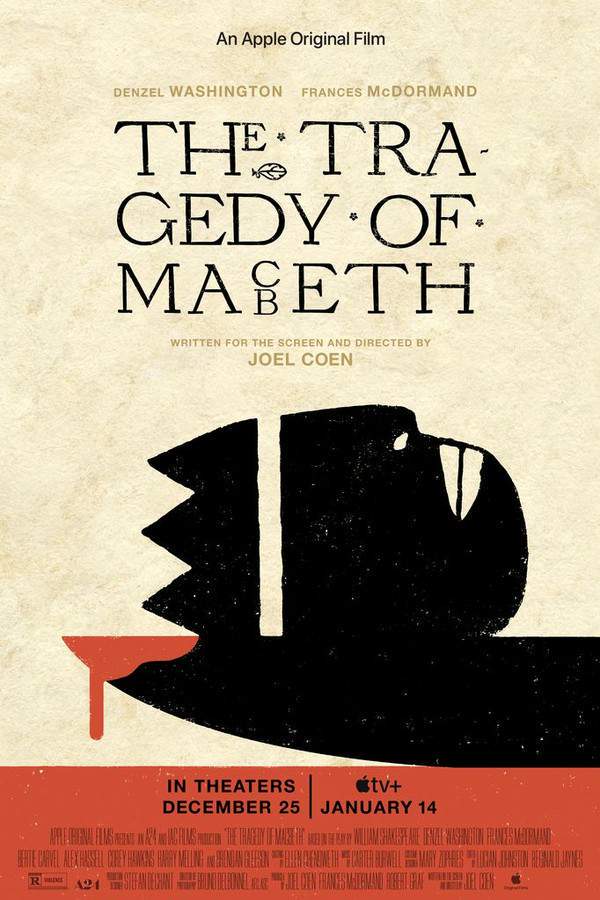
The Tragedy of Macbeth (2021) Complete Plot Breakdown
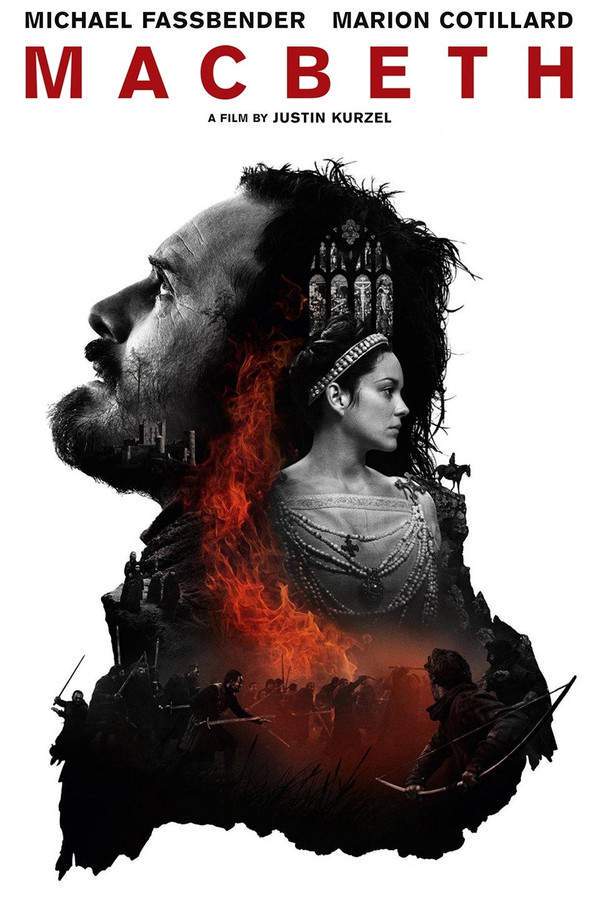
Macbeth (2015) Full Movie Breakdown
Stratford Festival: Macbeth (2017) Plot Summary & Ending Explained
National Theatre Live: Macbeth (2018) Complete Plot Breakdown
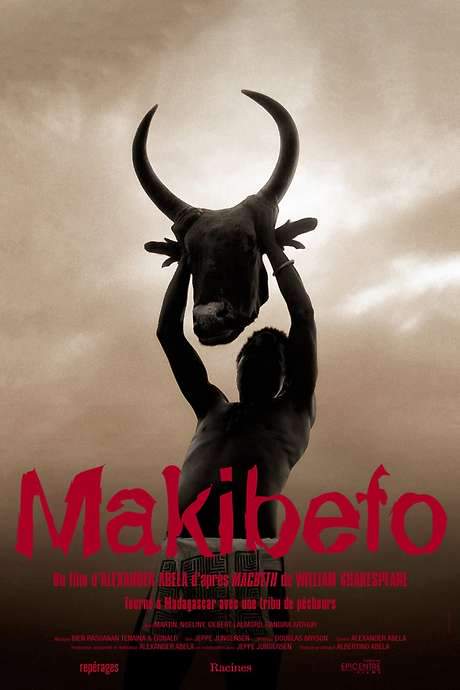
Makibefo (2001) Full Summary & Key Details
Macbeth (1982) Plot Summary & Ending Explained
Macbeth (1981) Ending Explained & Film Insights
Macbeth (1987) Detailed Story Recap
Macbeth (1983) Plot Summary & Ending Explained
Macbeth (1979) Spoiler-Packed Plot Recap
Throne of Blood (1957) Full Movie Breakdown
Macbeth (1948) Spoiler-Packed Plot Recap
Macbeth on the Estate (1997) Movie Recap & Themes
Macbeth (1998) Movie Recap & Themes
Macbeth (1997) Film Overview & Timeline