Plot Explained Spoilers guaranteed!
Plot Explained

Browse by genre

Mary (2019) movie poster

Plot Summary

Mary (2019) Plot Summary & Ending Explained

Release, runtime and language
2019 · 84 min · English
Echo score 37
JustWatch #8,393 26
Directed by
Michael Goi
Starring
Manuel Garcia-Rulfo, Gary Oldman, Owen Teague, Stefanie Scott, Emily Mortimer, Michael Landes
Budget
$25M

David Oldman, a struggling working-class man, buys a rundown ship hoping to provide a more comfortable life for his family. Their journey quickly turns into a terrifying ordeal as the ship becomes a pressure cooker of fear, pushing them to their emotional limits and straining their familial bonds. The experience forces them to confront their deepest anxieties and question their ability to survive.

On this page (8)
  1. 1 Where to watch
  2. 2 What happens: full plot
  3. 3 Plot questions answered
  4. 4 How it ends
  5. 5 Movie threads
  6. 6 Movies like Mary
  7. 7 Categories
  8. 8 Every angle

Where to watch

Where to Watch Mary (2019)

Where can you watch Mary? Stream, rent or buy it in the US, including on Philo, Hoopla and Plex: current JustWatch availability with up-to-date prices.

Streaming availability powered by JustWatch

Full plot summary · contains spoilers

What Happens in Mary: Full Plot Summary

The whole story of Mary (2019) explained, from the opening scene to the final frame: every key event, every twist and what it all adds up to. Read it as a quick recap before the sequel, to check a scene you missed, or to finally understand what really happened.

In the year 1561, the young and determined Mary Stuart, portrayed by Saoirse Ronan, returns to Scotland after her husband, Francis II of France, has passed away. At just nineteen, she finds herself stepping back into a country now under Protestant rule. Her half-brother, the Earl of Moray, played by James McArdle, serves as the regent, welcoming her back to a land filled with political intrigue and danger. Having been sent to France as a child to escape death, Mary must now reclaim her throne amidst a kingdom rife with turmoil.

Across the border in England, her cousin Elizabeth, portrayed by Margot Robbie, reigns as the Protestant Queen of England. At twenty-eight, Elizabeth faces pressure from her advisors, who caution her about Mary’s claim to the English throne. The tension between the two cousins builds as Elizabeth's counsel insists that Mary should submit to her authority rather than Rome, contemplating a marriage that could secure Elizabeth's power.

Conflicts arise when Mary confronts the Protestant cleric John Knox, played by David Tennant, who views her as a threat to the Protestant cause. In a strategic move to counter Mary's potential influence, Elizabeth proposes to marry Mary to an Englishman, suggesting Robert Dudley (portrayed by Joe Alwyn), whom she secretly loves. Though both Mary and Dudley resist the idea of marriage, a bout of smallpox afflicting Elizabeth sways Mary to accept the proposition—on the condition that she is recognized as Elizabeth's heir.

In a twist of fate, Elizabeth sends Lord Darnley (played by Jack Lowden), a Catholic, to Scotland under the pretense of escaping religious oppression. Mary, wary at first, soon warms to Darnley and agrees to marry him. However, their union ignites a constitutional crisis, unsettling both England and Scotland. Elizabeth’s court voices opposition while Mary's council eye Darnley with suspicion, fearing he may elevate her claim to the throne. As tensions escalate, Darnley's actions lead to a series of betrayals and turmoil.

Upon marrying Darnley, Mary discovers him in a scandalous situation with her friend David Rizzio (Ismael Cruz Córdova). With both treachery and rebellion mounting, Mary must navigate these complications, demanding Darnley provide her with a child—a child deemed the “heir to Scotland and England,” stirring unrest among the English nobility.

As Moray conspires against her with Darnley’s father, Marquess Matthew Stewart, rumors of Mary’s infidelity circulate, fueled by Knox's fervent speeches. In a desperate turn of events, Darnley, fearing exposure of his own secrets, turns on Rizzio, whom Mary must confront. After a series of betrayals and a refusal to divorce Darnley, Mary faces mounting demands for her to abdicate the throne.

After Darnley’s death, orchestrated by forces seeking to marry Mary to the ambitious Earl of Bothwell (played by Martin Compston), she is forced into a corner. The fallout leads to further public outrage, pushing Mary towards abdication and resulting in her fleeing to England in search of support.

Upon her arrival, Elizabeth cautiously meets with her cousin. Mary implores Elizabeth for assistance in reclaiming her throne, but Elizabeth finds herself torn between her obligations and sentiments. Ultimately, fearing for her own reign, Elizabeth imprisons Mary, gathering evidence against her, leading to the tragic decision to execute her in 1567.

As Mary walks to her fate, she expresses her love for her son James (played by Andrew Rothney) and hopes for a peaceful future. In a poignant moment, Elizabeth shows remorse for her decisions, realizing the depth of their shared history. The story concludes with James ascending as the monarch of both Scotland and England, marking a significant shift in the history of both nations.

Last updated: May 12, 2025 at 07:04

Was this helpful?

Plot questions answered

Mary Plot Explained: Your Questions Answered

The questions people ask most about Mary (2019): what happens in the confusing scenes, why the characters do what they do, the twists, hidden details and what the ending means. Each answer contains spoilers.

Q1

Why did Mary agree to marry Lord Darnley?

Mary agreed to marry Darnley after Elizabeth sent him to Scotland under the pretense of escaping religious oppression. Despite initial wariness, Mary was charmed by Darnley and accepted his proposal. However, this marriage created a constitutional crisis between Scotland and England, as English officials opposed the union and feared it would strengthen Mary's claim to the English throne.

  • mary queen of scots
  • lord darnley
  • marriage
  • elizabeth i
  • scotland
Q2

What was the David Rizzio affair?

David Rizzio was Mary's close friend and trusted advisor. After Mary married Darnley, she discovered him in a compromising situation with Rizzio, which enraged her. Darnley was then coerced into participating in a plot against Rizzio, ultimately delivering the fatal blow himself. This act of treachery shattered Mary's trust in Darnley and revealed the conspiracies brewing against her reign.

Foreshadowing: Earlier tensions between Mary's court and English interests set the stage for this betrayal.

  • david rizzio
  • murder
  • lord darnley
  • betrayal
  • mary scotland
Q3

Why was Mary forced to abdicate the throne?

Mary was forced to abdicate after a series of betrayals, public outrage, and mounting pressure from her court. Her marriage to Darnley, the subsequent scandal with Rizzio, Darnley's murder, and her rumored involvement with the Earl of Bothwell all contributed to turning Scottish nobles against her. With her position untenable, Mary fled to England seeking protection from Elizabeth.

  • abdication
  • mary queen of scots
  • scotland
  • rebellion
  • court
Q4

Why did Elizabeth order Mary's execution?

Elizabeth ordered Mary's execution after receiving evidence that Mary had conspired to assassinate her and seize the English throne. Although Elizabeth initially hesitated due to their familial bond and the moral weight of executing a cousin, pressure from her court and fear of Catholic uprisings ultimately compelled her to sign the death warrant in 1567.

Foreshadowing: Elizabeth's earlier political maneuvering against Mary planted the seeds for this tragic outcome.

  • execution
  • elizabeth i
  • mary queen of scots
  • assassination plot
  • england
Q5

Why did Mary return to Scotland in 1561?

Mary returned to Scotland in 1561 after her husband, Francis II of France, died. At nineteen years old, she was now the Catholic Queen of Scotland and needed to reclaim her throne. Scotland had fallen under Protestant control during her absence, and her half-brother, the Earl of Moray, served as regent. Her return sparked immediate religious and political tension.

  • mary queen of scots
  • scotland
  • return
  • 1561
  • france
Q6

What was the relationship between Mary and Elizabeth?

Mary and Elizabeth were first cousins, both with claims to the English throne. Elizabeth, as the Protestant Queen of England, viewed Catholic Mary as a threat to her rule and legitimacy. Despite their familial bond, political rivalry defined their relationship. Elizabeth initially offered Mary only safe exile rather than military support, and ultimately imprisoned and executed her cousin.

  • mary queen of scots
  • elizabeth i
  • cousin
  • throne
  • england
  • scotland
Q7

How did Lord Darnley die?

Lord Darnley was murdered in 1567. After Mary banished him but refused to divorce him, the Earl of Bothwell reportedly orchestrated Darnley's death to clear the way for himself to marry Mary. The exact circumstances remain debated, but the murder fueled further outrage against Mary and contributed to her forced abdication.

Foreshadowing: Darnley's involvement in Rizzio's murder had already damaged his standing with Mary and the Scottish court.

  • lord darnley
  • death
  • bothwell
  • murder
  • mary queen of scots
Q8

Who was James and what happened to him?

James was Mary's infant son, born during her tumultuous reign. After Mary fled to England and was later executed, James was left in Scotland. Upon Elizabeth's death in 1603, James VI of Scotland became James I of England, uniting the two crowns. This marked a significant turning point in British history.

  • james
  • son
  • mary queen of scots
  • succession
  • king
Q9

How did religious conflict affect Mary's reign?

Religious conflict was central to Mary's downfall. As a Catholic queen in a Protestant-controlled Scotland, she faced constant opposition from figures like John Knox. Her marriage to the Catholic Lord Darnley initially seemed to strengthen her position, but ultimately increased tensions with Protestant England. Her refusal to abandon Catholicism made her a perpetual threat in Elizabeth's eyes.

  • religion
  • catholic
  • protestant
  • john knox
  • scotland
  • england
Q10

Why did Mary flee to England?

Mary fled to England after being forced to abdicate her throne in Scotland. With her position destroyed by the Darnley scandal, Rizzio's murder, and Bothwell's growing influence, Mary had no choice but to seek refuge with her cousin Elizabeth. She hoped Elizabeth would help her reclaim her throne, but instead found herself imprisoned.

  • flee
  • england
  • abdication
  • mary queen of scots
  • exile
Q11

Why did Mary consider marrying Robert Dudley?

Elizabeth proposed that Mary marry Robert Dudley, her trusted advisor whom she secretly loved, as a way to control Mary and prevent her from threatening the English throne. Both Mary and Dudley resisted the marriage initially. However, when Elizabeth contracted smallpox, Mary feared her cousin might die and accepted the proposal on the condition that she be named Elizabeth's heir. The marriage never occurred after Elizabeth recovered.

  • robert dudley
  • marriage proposal
  • elizabeth i
  • mary queen of scots
Q12

What was the Earl of Bothwell's role in Mary's downfall?

The Earl of Bothwell was an ambitious Scottish noble who reportedly orchestrated Lord Darnley's murder to marry Mary. After Darnley's death, Bothwell pressured Mary into marriage, which scandalized the Scottish court and fueled public outrage. This marriage became one of the primary reasons Mary was forced to abdicate, as it appeared she had complicity in Darnley's murder.

  • bothwell
  • earl of bothwell
  • marriage
  • Darnley
  • murder
  • scotland

Ending explained

What Happens at the End of Mary?

How Mary (2019) ends, in short: the final scene, the last twist and what it means for the characters. The full ending explained, with every spoiler, lives on its own page.

Read the full ending explained

The film concludes with Mary and Joseph returning to Nazareth, where they bring the baby Jesus to the Temple, a scene that emphasizes hope and spiritual fulfillment. Throughout the story, Mary faces numerous challenges, including Herod’s brutal order to kill all male infants under two, which forces her family to flee to Egypt for safety. Herod’s paranoia and cruelty symbolize his fear of losing power, as he desperately tries to eliminate the prophesied messiah in order to maintain his reign. This dark act causes widespread suffering and results in Bethlehem’s uprising against Herod, ultimately leading to his loss of support and authority.

In the movie, Mary’s relationship with Joseph is portrayed as tender and modern, emphasizing her humanity and innocence. Gabriel appears multiple times, serving as a divine messenger who guides and tests Mary’s faith, especially during her encounters with Satan, who tries to deceive her. The angel’s presence highlights her divine connection, but also her human struggles, making her a relatable figure.

Continue reading the ending (1 more paragraphs)

While the film takes some creative liberties—adding dramatized scenes of Satan and Gabriel battling for her attention, and adjusting the love story to make it more appealing—the core message remains about Mary’s faith, resilience, and human vulnerability. The film's ending suggests that Mary’s life continued well beyond Jesus’ childhood, living on in faith and family in Nazareth, as biblical stories and tradition imply, with her story inspiring audiences to see her as more than a divine figure but as a young woman facing life's trials. Ultimately, the story invites viewers to connect with Mary’s journey of survival and faith, emphasizing that her story is accessible and relevant for everyone today.

Mary ending explained in full

Movie threads

More Movies Like Mary, by Mood & Story

Curated lists built around what makes Mary tick: the same mood, the same kind of story or the same emotional payoff. Each list explains why these movies belong together.

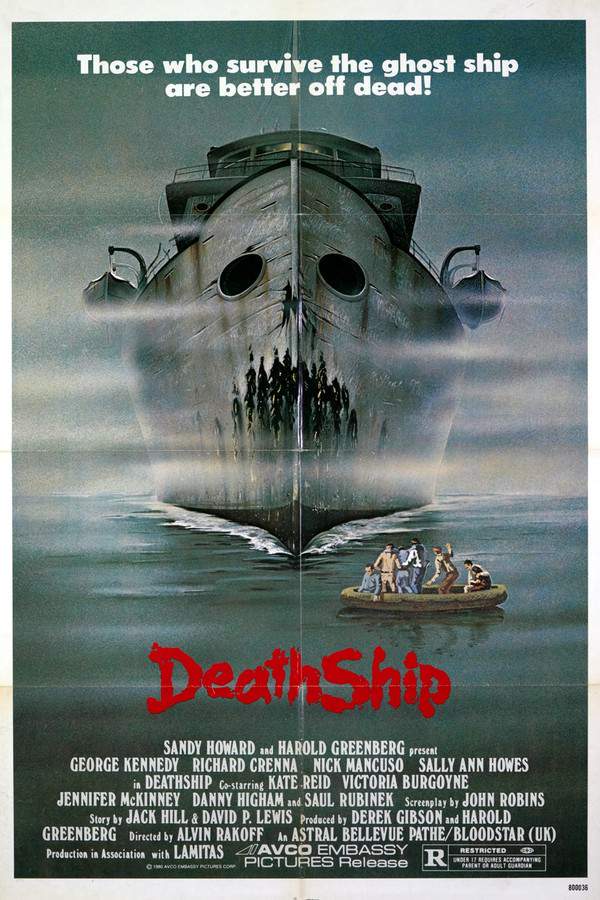
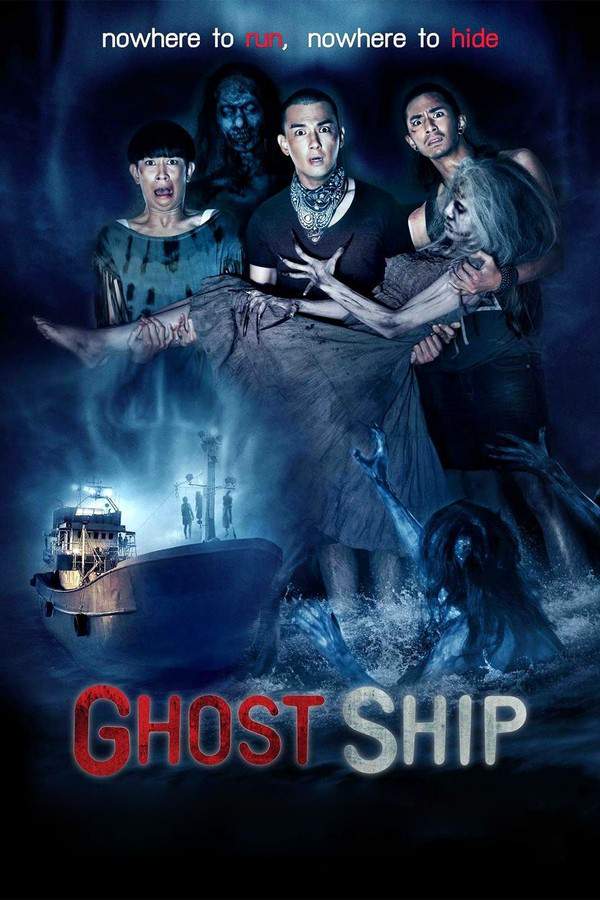
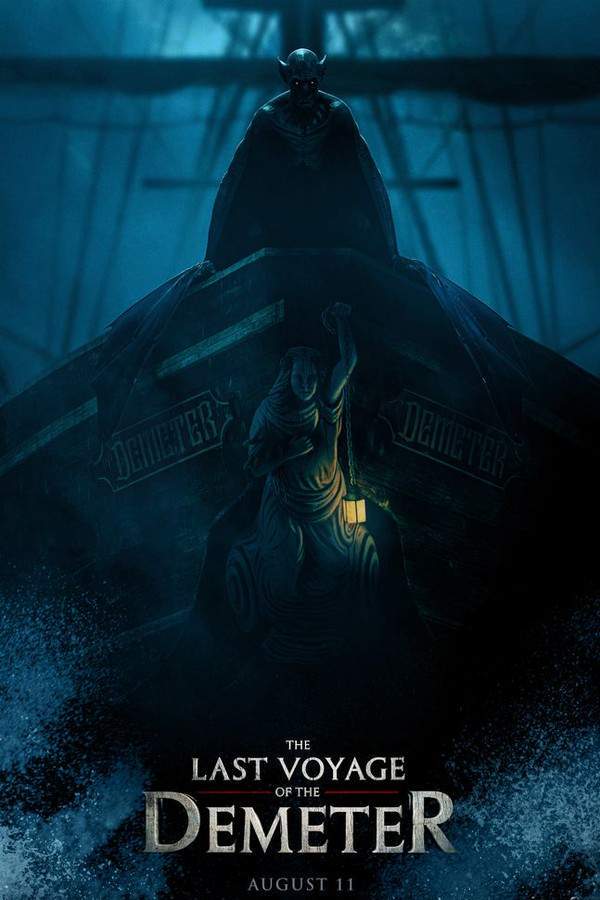
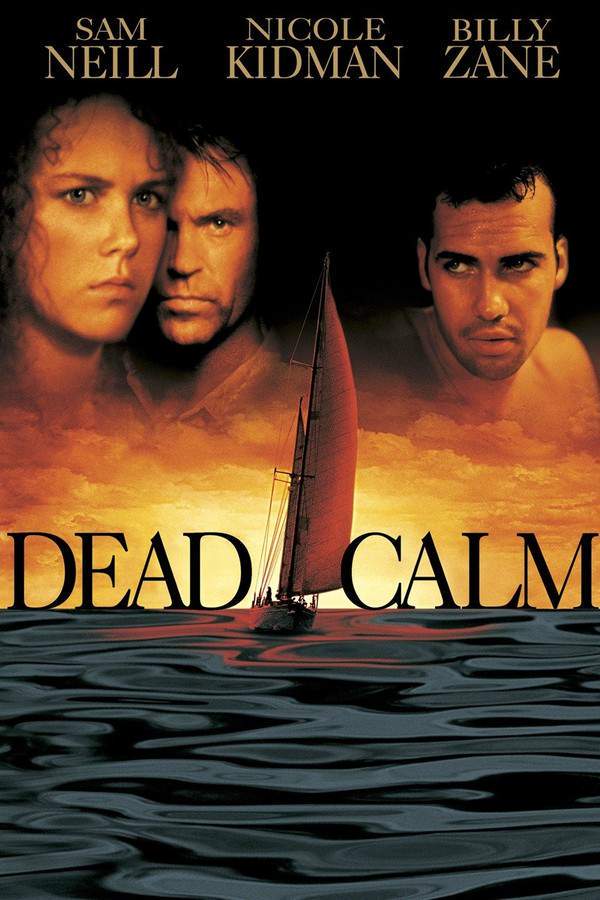
Claustrophobic Ship Horror Movies like Mary

Stories where a confined space at sea becomes a pressure cooker of terror. If the tense, confined horror of Mary's ship setting captivated you, explore more movies like it. This list features thrillers and horror stories set on isolated vessels, where the close quarters and vast, unforgiving ocean create a perfect storm of fear and psychological strain.

  • claustrophobic
  • tense
  • anxious
  • oppressive
  • grim
  • tragic
  • Tone: dark, tense, oppressive
  • Pacing: steady, building dread
Why these movies?

The story pattern: These narratives often follow a group of people, sometimes a family, who embark on a sea voyage with hopeful intentions, only to find their vessel becoming a trap. The story unfolds as internal tensions rise and external horrors manifest, forcing characters to confront their fears and fight for survival within the ship's cramped confines.

Why they belong together: Movies are grouped here based on their shared use of a maritime setting as a central source of tension. They prioritize a feeling of inescapable dread, where the physical limitations of the ship intensify both psychological and supernatural horrors, leading to a heavy, often tragic emotional journey.

Family Horror and Strain Movies like Mary

Stories where a family's bonds are tested to the limit by supernatural or horrific events. If you were drawn to how Mary explores a family unraveling under terrifying circumstances, you'll find similar stories here. These movies feature families whose love is tested by extreme horror, focusing on the emotional collapse as much as the supernatural threat.

  • tense
  • tragic
  • anxious
  • grim
  • emotional
  • family drama
  • Tone: dark, tragic, grim
  • Pacing: steady, character-driven
Why these movies?

The story pattern: The narrative pattern follows a family—often a working-class or everyday family—facing an overwhelming horrific situation. The plot is as much about their internal arguments, betrayals, and sacrifices as it is about defeating a monster or escaping a haunted location. The journey is emotionally heavy, often leading to a bittersweet or tragic resolution that leaves the family irrevocably changed.

Why they belong together: These films are grouped together because they share a deep focus on the dynamics of a family under duress. The horror serves as a catalyst to explore themes of loyalty, sacrifice, and the fragile nature of familial bonds, resulting in a deeply affecting and heavy viewing experience.

If you liked this

Movies Like Mary

Similar movies to Mary: the same genre, themes or kind of story. Each one comes with its own plot summary, timeline and ending explained.

Browse all movie summaries

Categories

Movie Lists Featuring Mary

Mary appears in these hand-built movie categories. Each one groups movies by a specific mood, theme or story type, with their plot summaries and endings explained.

View all movie categories

Every angle

Mary (2019) Explained: Plot, Ending, Timeline & Characters

Everything about Mary in one place: what happens in the plot summary, the timeline in chronological order, the characters and meaning, the ending explained and a spoiler-free summary. What's After the Movie adds the cast, box office and post-credit scenes.

Coming soon on iOS and Android

The Plot Explained Movie Summary App

Plot summaries, endings explained and timelines on your phone. Catch up on any movie in minutes, save your favorites and never miss a twist again.

Be the first to know when we launch. Your email stays private, always.

Learn more about the app