Plot Explained Spoilers guaranteed!
Plot Explained

Browse by genre

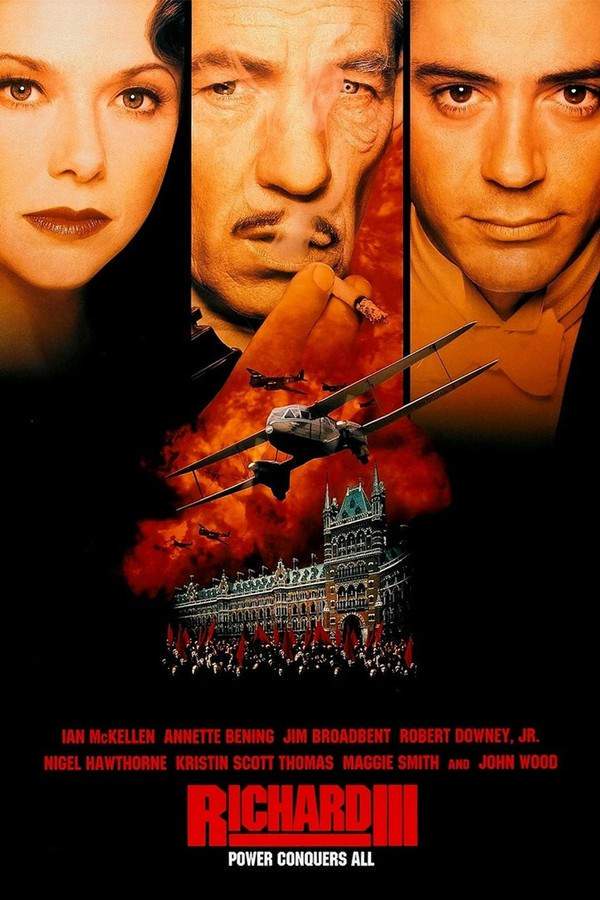
Richard III (1995) movie poster

Plot Summary

Richard III (1995) Plot Summary Explained

Release, runtime and language
1995 · 104 min · English
JustWatch #3,861 18
Directed by
Richard Loncraine
Starring
Ian McKellen, Annette Bening

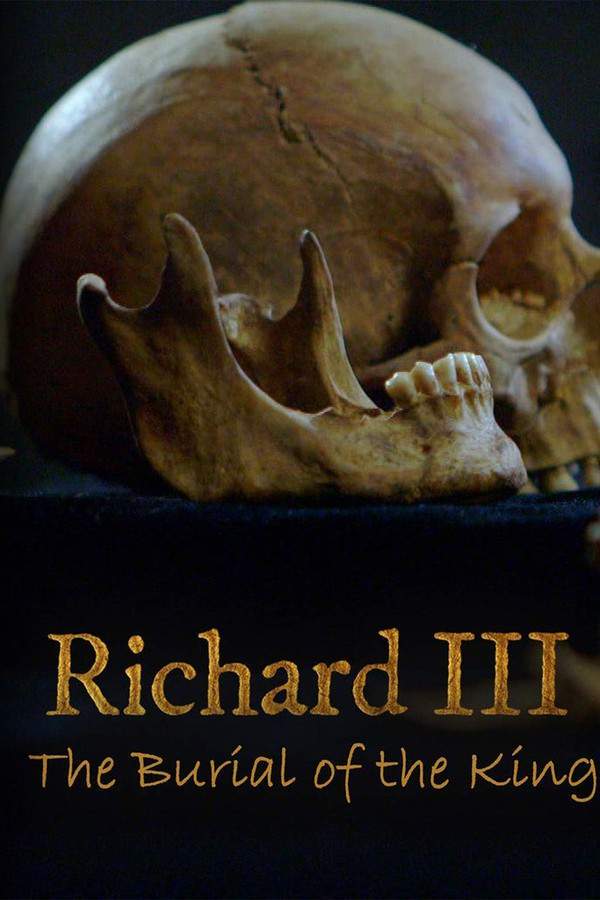
The recent rediscovery of Richard III’s 15th-century tomb sparks a thoughtful exploration of the controversial king’s life and legacy. Combining a formal reburial ceremony with personal accounts and historical analysis, the documentary examines the complexities of a monarch often portrayed as a villain. The film concludes at the historic Bosworth Battlefield, offering a poignant reflection on his place in history and the enduring fascination with his reign.

On this page (7)
  1. 1 Where to watch
  2. 2 What happens: full plot
  3. 3 Plot questions answered
  4. 4 The book behind the movie
  5. 5 Movie threads
  6. 6 Movies like Richard III
  7. 7 Every angle

Where to watch

Where to Watch Richard III (1995)

Where can you watch Richard III? Stream, rent or buy it in the US, including on fuboTV, MGM Plus and Philo: current JustWatch availability with up-to-date prices.

Streaming availability powered by JustWatch

Full plot summary · contains spoilers

What Happens in Richard III: Full Plot Summary

The whole story of Richard III (1995) explained, from the opening scene to the final frame: every key event, every twist and what it all adds up to. Read it as a quick recap before the sequel, to check a scene you missed, or to finally understand what really happened.

In a fictional timeline of England in the late 1930s, a civil war—set 450 years after the real events—ends with the assassination of the Lancastrian King Henry and his son Prince Edward by Field Marshal Richard III Gloucester, a rival faction leader backed by the House of York. [Edward York] becomes King, but [Richard III] is determined to seize the crown, pitting King Edward against his brother George Clarence, who is imprisoned under a death sentence. Richard deceives and marries Prince Edward's widow Lady Anne Neville.

Queen Elizabeth intercedes on Clarence's behalf and persuades Edward to spare his life. Yet Richard destroys the royal pardon and commissions James Tyrrell to murder Clarence, ostensibly in compliance with the original death sentence. Richard informs Edward of Clarence's death at a meeting with Prime Minister William Hastings, and the shocked King dies from a stroke. As Edward's sons are underage, Richard becomes Regent, taking the title of Lord Protector with the support of the ambitious and corrupt Henry Buckingham.

To undermine his rivals for the throne, Richard has Rivers, the Queen's brother, assassinated and uses the sordid circumstances of his death to damage the Queen's reputation and cast doubt on her sons' legitimacy. Hastings' reluctance to support Richard's claim to the crown so enrages Richard that he manufactures false charges of treason against the Prime Minister, who is sentenced to hang. Having made an example of his only vocal opponent, Richard persuades the Lord Mayor of London and members of the House of Lords to acknowledge his claim to the throne and crown him King. Acting on the advice of Archbishop Thomas and Lord Stanley, the Lancastrian heir, Henry Richmond, flees to France.

Following his coronation [Richard III], seeks to make his throne secure. He employs Tyrrell to murder the princes after failing to convince Buckingham to do so. Aware that Richmond intends to marry Elizabeth, he instructs Sir William Catesby to spread rumours that Lady Anne is ill and likely to die, intending to marry Elizabeth. Lady Anne is found dead sometime later from an apparent drug overdose.

Impatient for the promised reward for his loyalty, Buckingham demands the Earldom of Hereford. Richard dismisses this in a high-handed manner, with the line

> I am not in the giving vein

Buckingham, also disturbed by the murders of the princes and Hastings, flees to meet Richmond but is later captured and killed by Tyrrell on Richard's orders. Richmond gathers supporters, among them Archbishop Thomas and Richard's mother, the Duchess of York. They are joined by Air Marshal Thomas Stanley. Richmond marries Elizabeth and unites both Houses and political factions against Richard.

With the army's loyalty slipping and the legitimacy of his claims to the crown weakened, Richard prepares for the final battle against the Lancastrians, who plan an invasion and an advance on London. Richard's remaining loyal troops, assembling in a marshalling yard, are attacked from the air, revealing Stanley's defection to the Lancastrian cause. The two armies meet soon after at a ruined Battersea Power Station. [Richard III] and Richmond seek each other out but when his vehicle stalls Richard flees into the structure. Pursued by Richmond, Richard is forced to climb onto exposed metal beams high above the burning battlefield. Cornered by Richmond and refusing to surrender, Richard falls into the inferno with a maniacal grin, reflected by Richmond.
Last updated: October 09, 2025 at 15:36

Was this helpful?

Plot questions answered

Richard III Plot Explained: Your Questions Answered

The questions people ask most about Richard III (1995): what happens in the confusing scenes, why the characters do what they do, the twists, hidden details and what the ending means. Each answer contains spoilers.

Q1

Why does Richard have Clarence killed after Edward pardons him?

Richard destroys the royal pardon that Edward granted after Elizabeth's intervention and commissions James Tyrrell to murder Clarence. This eliminates a rival for the throne while maintaining plausible deniability. Richard informs Edward of Clarence's death, and the shock contributes to Edward's fatal stroke, clearing Richard's path to power as Lord Protector.

Foreshadowing: Richard engineered the conflict between Edward and Clarence from the start, using deceit to weaken both brothers.

  • george clarence
  • james tyrrell
  • murder
  • royal pardon
  • edward iv
Q2

How does Richard seize the throne from the young princes?

After Edward dies from a stroke, Richard becomes Lord Protector to the underage king. He systematically eliminates opposition by having Rivers assassinated and charging Hastings with treason. With his only vocal opponent executed, Richard manipulates the Lord Mayor and House of Lords into acknowledging his claim, allowing him to crown himself king.

Foreshadowing: Richard's early manipulation of the succession crisis and elimination of rivals establishes his pattern of political murder.

  • lord protector
  • crown
  • hastings
  • rivers
  • house of lords
Q3

Why does Richard order the murder of the young princes?

After being crowned king, Richard seeks to secure his throne by eliminating the legitimate Yorkist heirs. He employs Tyrrell to murder the princes in the tower, removing the last threat to his claim. This act also disturbs Buckingham, who later defects to Richmond's cause.

Foreshadowing: Richard's earlier willingness to murder Clarence foreshadows his targeting of the innocent princes.

  • princes in tower
  • james tyrrell
  • succession
  • buckingham
Q4

What causes Buckingham to turn against Richard?

Buckingham demands the Earldom of Hereford as payment for his loyalty, but Richard dismisses him with the line 'I am not in the giving vein.' Additionally, Buckingham is disturbed by the murders of the princes and Hastings. These factors cause him to flee and join Richmond's forces, leading to his capture and execution by Tyrrell on Richard's orders.

Foreshadowing: Richard's earlier alliance with Buckingham was always transactional, and his dismissal of Hastings foreshadows his treatment of Buckingham.

  • henry buckingham
  • earldom of hereford
  • defection
  • tyrrell
Q5

How does Richmond gather support to challenge Richard?

Richmond flees to France after advice from Archbishop Thomas and Lord Stanley. He slowly gathers supporters including Archbishop Thomas, Richard's own mother the Duchess of York, and Air Marshal Thomas Stanley who defects from Richard's cause. Richmond also marries Elizabeth, uniting the Houses of York and Lancaster against Richard.

Foreshadowing: Richard's alienation of key figures throughout his reign creates the coalition that opposes him.

  • henry richmond
  • stanley
  • archbishop thomas
  • duchess of yorkshire
  • marriage
Q6

Why does Lady Anne die after Richard becomes king?

Richard instructs Sir William Catesby to spread rumors that Lady Anne is ill and likely to die, as he intends to marry Elizabeth. Lady Anne is later found dead from an apparent drug overdose. Her death removes the obstacle to Richard's new political marriage and consolidates his power.

Foreshadowing: Richard's earlier deceptive marriage to Lady Anne was purely transactional, foreshadowing his willingness to discard her.

  • lady anne neville
  • catesby
  • elizabeth
  • poisoning
Q7

Why does Stanley abandon Richard and join Richmond?

Stanley defects to the Lancastrian cause when he learns Richard plans to move against him. Stanley's Air Marshal forces provide crucial military support to Richmond's coalition. Richard's attack on Stanley's forces in the marshalling yard, enabled by Stanley's defection, marks a turning point in the final battle.

Foreshadowing: Richard's pattern of alienating allies like Buckingham and Hastings explains Stanley's eventual betrayal.

  • thomas stanley
  • air marshal
  • defection
  • betrayal
Q8

What happens during the final battle at Battersea Power Station?

Richard's remaining loyal troops assemble in a marshalling yard but are attacked from the air, revealing Stanley's defection. The armies meet at the ruined Battersea Power Station. Richard's vehicle stalls during the pursuit of Richmond, forcing him to climb onto exposed metal beams. Cornered and refusing to surrender, Richard falls into the flames below with a manic grin.

Foreshadowing: The stalled vehicle mirrors Richard's earlier mechanical manipulation of power, once the machinery fails, his reign collapses.

  • battersea power station
  • final battle
  • vehicle
  • richmond
  • fire
Q9

Why does Richard run away when his vehicle stalls?

When Richard's vehicle stalls during the chase toward Richmond, he abandons it and climbs onto the exposed metal beams of the Power Station structure. This could be interpreted as survival instinct or a strategic retreat to higher ground. However, Richmond pursues him, cornering him above the burning battlefield.

Foreshadowing: Richard's earlier calculated decisions to eliminate threats face their ultimate test when he himself becomes cornered.

  • vehicle stall
  • power station
  • chase
  • retreat
Q10

Why does Richmond marry Elizabeth if she was Richard's intended wife?

Richard intended to marry Elizabeth to unite his claim to the throne and discredit Richmond's political alliance. However, Richmond preempts this by marrying Elizabeth himself, uniting both Houses and political factions against Richard. The marriage transforms the conflict from a succession dispute into a unified challenge to Richard's legitimacy.

Foreshadowing: Richard's plan to use Elizabeth politically backfires when Richmond claims her first.

  • elizabeth
  • marriage
  • political alliance
  • houses of york and lancaster
Q11

Why does Richard execute Hastings when he was initially loyal?

Hastings becomes Richard's only vocal opponent when he hesitates to support Richard's claim to the crown. Richard manufactures false charges of treason against him and has Hastings sentenced to hang. This eliminates the last significant opposition within the government and demonstrates Richard's willingness to kill those who resist his plans.

Foreshadowing: Richard's treatment of Hastings mirrors his earlier elimination of Clarence, remove anyone who stands in the way.

  • william hastings
  • execution
  • treason
  • opposition
Q12

How does setting the story in the 1930s change the classic Shakespearean tale?

The film transplants Shakespeare's 15th-century political intrigue to a 1930s England with modern technology, cars, airplanes, and industrial architecture like Battersea Power Station. This setting emphasizes that the themes of ruthless ambition, political manipulation, and violent power grabs are timeless, not confined to medieval history.

Foreshadowing: The modern setting makes Richard's use of assassination, propaganda, and political machinery feel disturbingly contemporary.

  • 1930s setting
  • modern adaptation
  • shakespeare
  • battersea power station

Movie threads

More Movies Like Richard III, by Mood & Story

Curated lists built around what makes Richard III tick: the same mood, the same kind of story or the same emotional payoff. Each list explains why these movies belong together.

Machiavellian schemes and tragic downfalls like in Richard III

Stories centered on a charismatic villain's ruthless climb to power and inevitable collapse. Explore movies like Richard III, where a charismatic but villainous protagonist orchestrates a ruthless climb to power. If you enjoyed the intricate political plots and tragic ending of Richard III, you'll find similar dark tales of ambition, manipulation, and downfall in these films.

  • betrayal
  • manipulative
  • tense
  • grim
  • brutal
  • oppressive
  • Tone: dark, cynical
  • Pacing: fast, relentless
Why these movies?

The story pattern: These narratives typically follow a clear arc: a calculating individual identifies a path to power, systematically removes all opposition through cunning and often brutal means, achieves their goal, and then faces a catastrophic collapse under the weight of their own tyranny and the rebellion they inspired.

Why they belong together: Movies are grouped here based on their shared focus on a villain-protagonist's journey, the dark tone of political or personal manipulation, and the high-stakes, fast-paced narrative that builds towards a tragic, morally-weighted conclusion.

Grim political thrillers set in dystopian pasts like in Richard III

Historical or period settings reimagined with a brutal, oppressive, and modernly resonant aesthetic. Discover movies similar to Richard III that reframe history through a dark, dystopian lens. If you liked the fascist-allegory style and brutal political world of Richard III, these films offer similar experiences with period settings that feel urgently modern and oppressive.

  • oppressive
  • brutal
  • tense
  • moody
  • grim
  • tyrannical
  • Tone: dark, oppressive
  • Pacing: fast, tense
Why these movies?

The story pattern: Stories in this thread unfold within a world that, while historical, is presented as a bleak and dysfunctional society. The plot is typically a fast-paced struggle for survival or power within this oppressive system, emphasizing tension, moral ambiguity, and the high cost of ambition in a broken world.

Why they belong together: These films are connected by their unique aesthetic—a historical setting imbued with a dystopian, often totalitarian, mood. They share a dark tone, high intensity, complex political plots, and a focus on the brutal mechanics of power.

If you liked this

Movies Like Richard III

Similar movies to Richard III: the same genre, themes or kind of story. Each one comes with its own plot summary, timeline and ending explained.

Browse all movie summaries

Every angle

Richard III (1995) Explained: Plot, Timeline & Characters

Everything about Richard III in one place: what happens in the plot summary, the timeline in chronological order, the characters and meaning and a spoiler-free summary. What's After the Movie adds the cast, box office and post-credit scenes.

Coming soon on iOS and Android

The Plot Explained Movie Summary App

Plot summaries, endings explained and timelines on your phone. Catch up on any movie in minutes, save your favorites and never miss a twist again.

Be the first to know when we launch. Your email stays private, always.

Learn more about the app