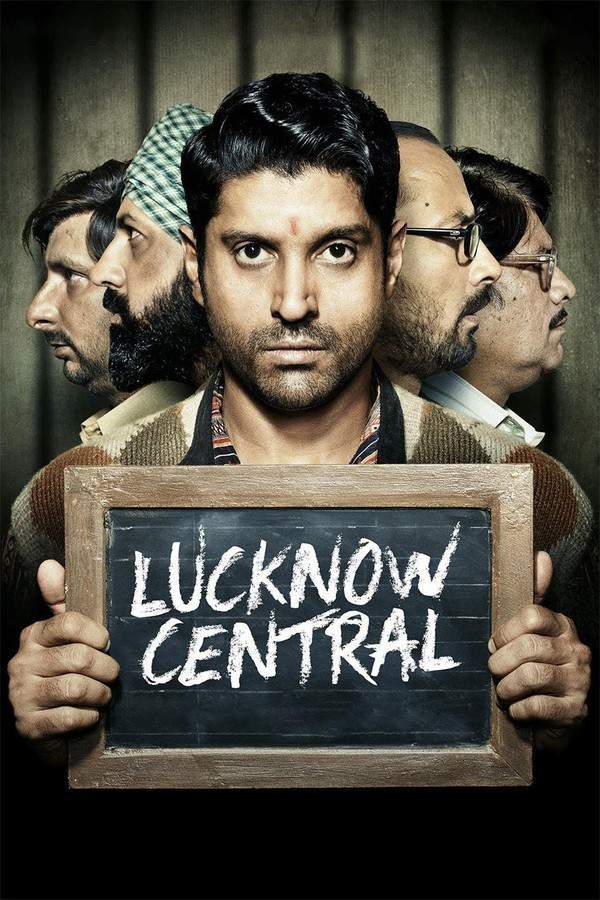
The film unfolds inside a jail in India, where life in the male ward crackles with sly competition and small, scrappy schemes. In the midst of a lighthearted prank that spirals into a full-blown betting game, a mouse becomes the center of attention: one under-trial prisoner known as Sanju manages to trap the creature, pockets his share, and quietly walks away, leaving behind a trail of tension and shifting loyalties among the inmates. Across the hall in the women’s ward, a different hustle plays out: Bindu, an enterprising under-trial prisoner, quietly earns money by offering eyebrow-cutting and manicure services to her fellow inmates, turning the cramped space into a makeshift salon. When a senior prisoner refuses to pay, Bindu’s temper flares, she grabs the money and bolts, and a brutal pursuit erupts as the other girls chase her down, their impulses flaring in a show of power, humiliation, and the precarious balance of authority inside the blockade.
The tension shifts with the jailer SP Dhulia’s dramatic announcement: for the first time on Independence Day, a male-female joint musical band of under-trial prisoners will be formed to perform at the celebration. The band’s purpose is clear—earn grace points that could help shorten their sentences—and the prospect of a public stage brings a rare spark of ambition into the shared cell blocks. Auditions are held, and the lineup that emerges includes Sanjay Khanna, a few familiar faces from the ward, and the prison’s newest ensemble members, among them the previously mentioned Bindu, Maskeen Singh, Ogu, Rufi Ahmed, Tatyana, and Sange. The newly formed group forms fast bonds, drawn together by a common goal and a stubborn resolve to perform with dignity, even as their personal stories begin to surface and color the project with deeper meaning. The ensemble’s camaraderie grows quickly as they rehearse, share snippets of their past, and learn to navigate the gatekeepers of the system, all while the clock ticks toward the Independence Day deadline.
As they open up to one another, the prisoners reveal the reasons that led to their imprisonment, painting a broader picture of injustice, circumstance, and misfortune. Sanju’s tale centers on a cruel setup: he was framed by the husband of a woman he had given a lift to on a rainy night, accused of attempting to molest her. [Bindu]’s backstory explains how she was wrongly charged with kidnapping her niece, a charge brought by her brother-in-law who himself is entangled in violence against his wife and daughter. [Rufi Ahmed] offers a narrative tied to a fateful car, telling how, after his wedding, he bought a vehicle that was stolen, and soon after a citywide bomb blast was traced back to that very car; since he never filed a missing-car report, he becomes entangled in allegations of terrorism. The stories of the remaining band members—Maskeen Singh, Ogu, and Sange—add further texture to the chorus of lives intertwined by circumstance, each keeping their own reasons close to the heart as they practice for a performance that could change their futures.
Through short bursts of rehearsal, quiet conversations in the corridors, and the electric possibility of a stage, the group discovers a shared sense of purpose that goes beyond the stakes of a jail sentence. They learn to work as an ensemble, balancing individual fears with collective resolve, and their initial skepticism gradually gives way to a determined hope that music might offer a way out of the cycle of punishment. The coming days are a test of character: will they pull off a performance that earns them grace points and maybe a second chance, or will the pressures of confinement and past traumas pull them apart? The film keeps its focus on the rhythm of daily life inside the jail, the hopeful energy of rehearsals, and the quiet courage each member must summon to face an uncertain future, all while the Independence Day celebration looms nearer and the possibility of transformation lingers in the air.