
That’s the Way of the World
Year: 1975
Runtime: 100 mins
Language: English
Record executives pressure a celebrated producer to devote his talents to a white pop act they believe embodies the sound America craves. Determined to protect his artistic integrity, Buckmaster begins to push back against the industry system that forged his reputation, fighting to stay true to his vision.
Where to Watch That’s the Way of the World?
Find where to stream, rent, or buy That’s the Way of the World (1975) in the US with current JustWatch availability, up-to-date pricing, and platform listings for subscription, rental, and digital purchase options.






Streaming availability powered by 
Warning: spoilers below!
Haven’t seen That’s the Way of the World yet? This summary contains major spoilers. Bookmark the page, watch the movie, and come back for the full breakdown. If you're ready, scroll on and relive the story!
That’s the Way of the World (1975) – Full Plot Summary & Ending Explained
Read the complete plot breakdown of That’s the Way of the World (1975), including all key story events, major twists, and the ending explained in detail. Discover what really happened, and what it all means.
Coleman Buckmaster, Harvey Keitel, known in the industry as the "Golden Ear," is a driven producer for A-Chord Records who pours every ounce of energy into finishing the debut album of the Group (Earth, Wind & Fire). Yet he is pulled away to sign a new act, the Pages—Velour Page Cynthia Bostick, Gary Page Jimmy Boyd, and Franklyn Page Bert Parks.
Label head Carlton James Ed Nelson touts the Pages as the embodiment of wholesome family values, a market-ready image Buckmaster sees as a hollow, cheesy pastiche that stifles true artistry. Yet his contract binds him to turning their demo, Joy, Joy, Joy, into a hit.
Amid the turmoil, a relationship with Velour blossoms—something that seems almost against his will, but he uses it to serve both his own position and the Group's ambitions. As the romance unfolds, he renegotiates Velour's role within the Pages' contract, leveraging the personal tie to shift power on the deal.
By steering the situation toward mutual gain, Buckmaster announces a makeshift marriage to Velour that updates her portion of the Pages' contract and aligns the music deal with the new personal arrangement. In a calculated twist that feels earned, the arrangement delivers a win for all involved.
Last updated: February 18, 2026 at 23:46
That’s the Way of the World (1975) Plot Questions Answered – Summary FAQ
Explore frequently asked questions about That’s the Way of the World (1975) with spoiler-rich answers covering the full plot summary, major story beats, character motivations, hidden details, and ending meaning. This movie summary FAQ helps explain confusing scenes, plot twists, and narrative decisions in clear, searchable detail.
Why is Buckmaster forced to work with the Pages instead of the Group?
Buckmaster is contractually bound to A-Chord Records and must follow the label's directives. While he wants to focus on producing the Group (Earth, Wind & Fire), label head Carlton James orders him to sign the Pages because their wholesome family image is deemed more commercially viable. Despite Buckmaster's belief that the Pages' music is cheesy and soulless, his contract forces him to turn their demo into a hit.
Why does Buckmaster begin a relationship with Velour?
Buckmaster pursues Velour strategically, not purely romantically. He uses the developing personal connection as leverage to renegotiate the Pages' contract terms. By positioning himself as having influence over Velour, he gains more control over the deal and can steer the arrangement toward outcomes that benefit both his position and the Group's interests.
How does announcing a makeshift marriage help Buckmaster's negotiations?
Buckmaster announces a makeshift marriage to Velour as a calculated negotiation tactic. This move gives him justification to renegotiate Velour's contract portion, shifting the power dynamic in his favor. The marriage premise allows him to leverage personal ties into business terms, securing more favorable deals for the Pages while maintaining control over their career direction.
What happens to the Group (Earth, Wind & Fire) in the story?
The Group's debut album is shelved as Buckmaster is pulled away to work on the Pages. However, Buckmaster's strategic position ensures both acts remain viable. As the Pages' success grows and funds the label, the Group continues under Buckmaster's direction. By the end, creative balance is maintained, the Pages' commercial success finances A-Chord's future while the Group contributes its legacy.
Why does Buckmaster agree to work with the Pages despite disliking them?
Buckmaster has no choice but to comply due to his contract with A-Chord Records. Label head Carlton James mandates the Pages as the next big act, and Buckmaster's role as a producer requires him to follow the label's direction. However, Buckmaster accepts the challenge strategically, he sees an opportunity to use the Pages' deal to maintain his influence at the label and keep the Group's project alive.
Why does Joy, Joy, Joy become a charting hit?
Buckmaster transforms the Pages' flat, cheesy demo into a commercially viable hit through careful studio work. He polishes the arrangement, shapes their performance, and repackages their wholesome image as a marketable strength rather than a weakness. Under his direction, the song climbs the charts as radio play increases, proving that even an act Buckmaster views as soulless can achieve commercial success.
What does it mean that Buckmaster is called the 'Golden Ear'?
The 'Golden Ear' is Buckmaster's industry nickname, reflecting his reputation as a producer with exceptional talent for identifying and developing successful music. This status is why A-Chord Records values him highly and why he's tasked with steering their biggest acts, it also explains why the label tolerates his resistance to their directions, as his track record suggests he knows what works.
Why is the ending described as a pragmatic victory rather than a clear moral win?
The ending works because Buckmaster achieves his goals, commercial success for the label and continued support for the Group, but the means are ethically questionable. He manipulates a romantic relationship for business leverage and uses a fake marriage to secure contract terms. The film presents this as a realistic portrayal of the music industry, where artistic integrity often requires compromised ethics.
How does Buckmaster balance artistic integrity with business demands?
Buckmaster navigates the conflict by accepting the Pages' project while strategically manipulating it to serve his broader vision. He works within the commercial system to fund his true artistic goals, the Group's music, while delivering enough success with the Pages to satisfy the label. His solution involves compromise, strategic relationships, and leveraging every situation, showing that surviving the industry requires pragmatism alongside talent.

Explore Movie Threads
Discover curated groups of movies connected by mood, themes, and story style. Browse collections built around emotion, atmosphere, and narrative focus to easily find films that match what you feel like watching right now.
Movies about Artists Fighting the System like That’s the Way of the World
Protagonists fight for their vision against commercial pressures and industry expectations.Discover more films like That’s the Way of the World where protagonists defend their creative vision against commercial pressure. If you enjoyed Buckmaster's struggle for artistic integrity, you'll find similar inspiring stories here.
That’s the Way of the World
1975
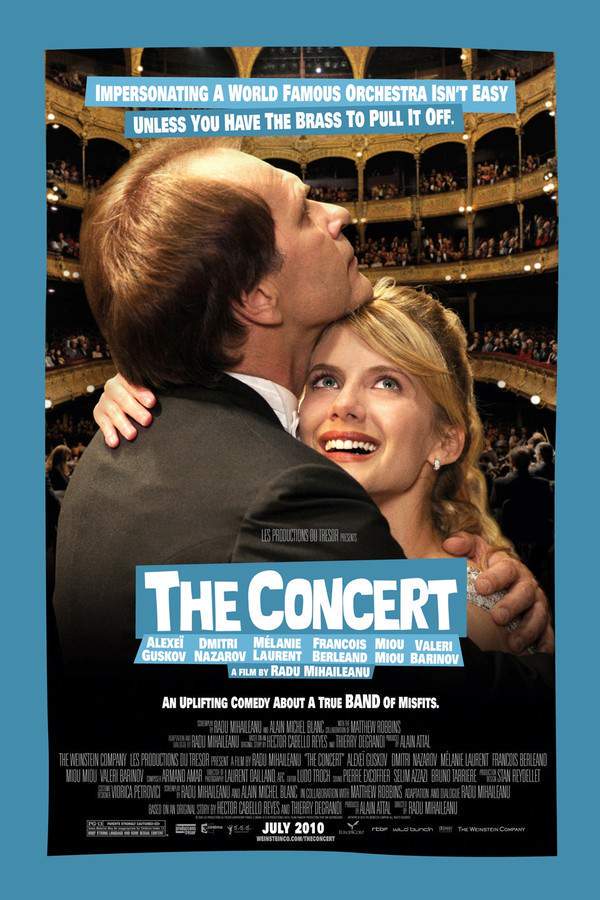
The Concert
2010
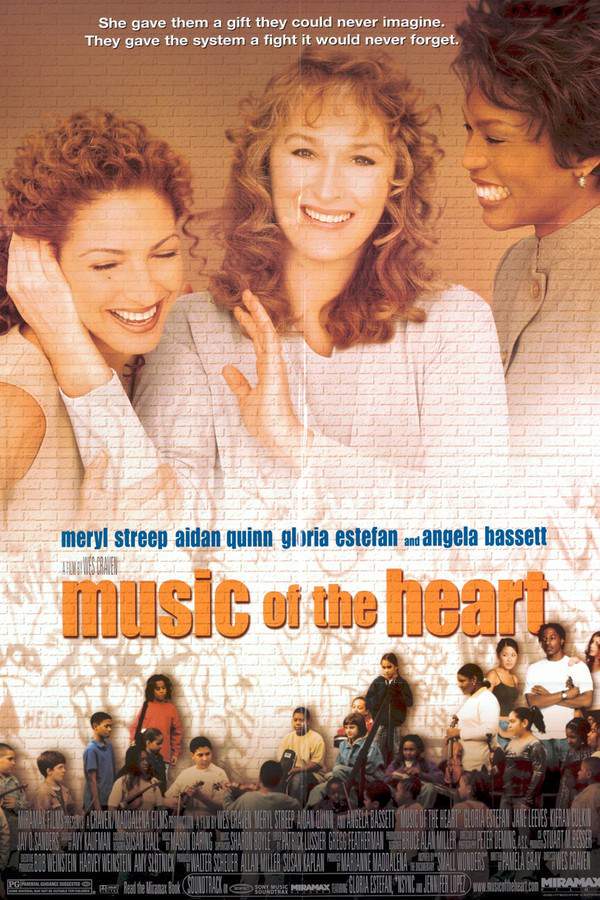
Music of the Heart
1999
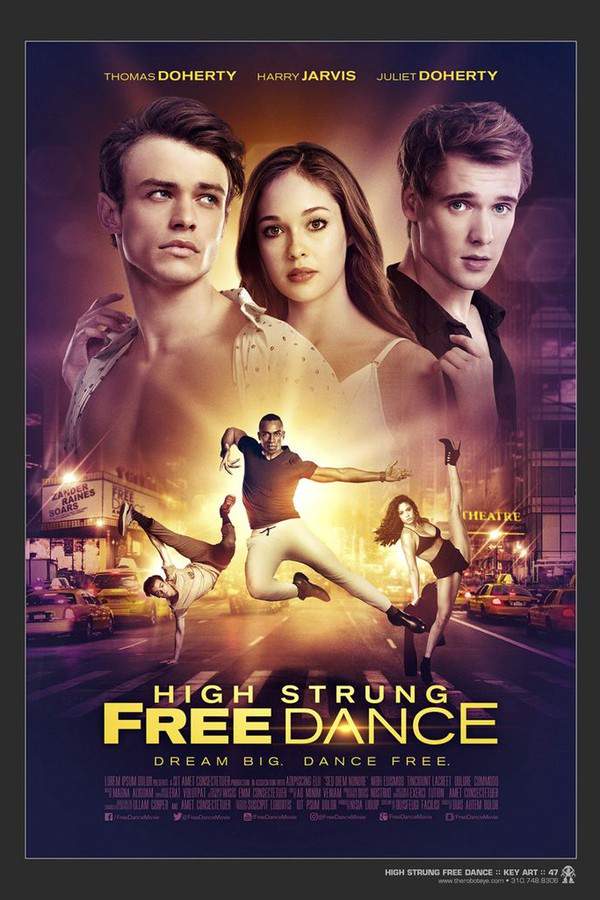
High Strung
2016

Knights of the City
1986

500 Days of Silence
2024

They Shall Have Music
1939
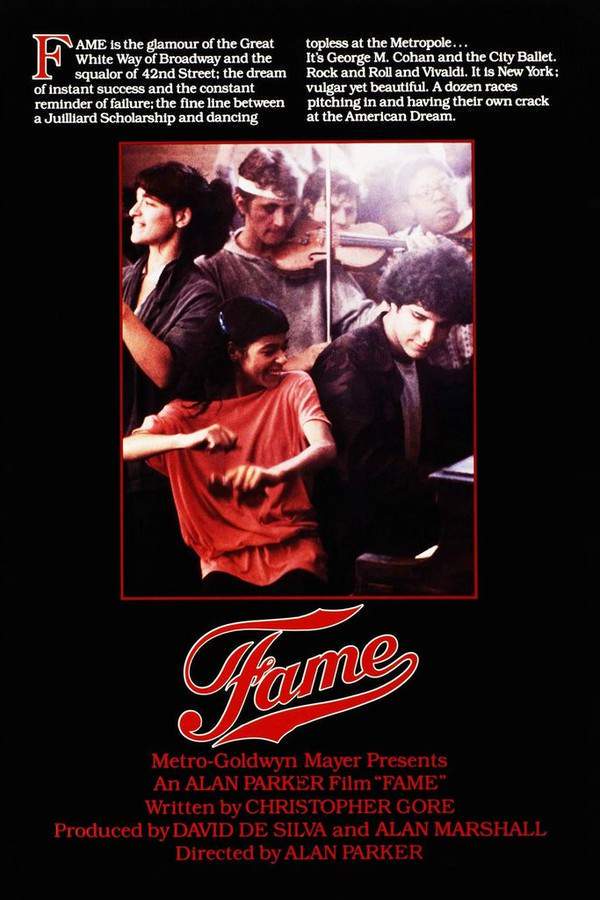
Fame
2009
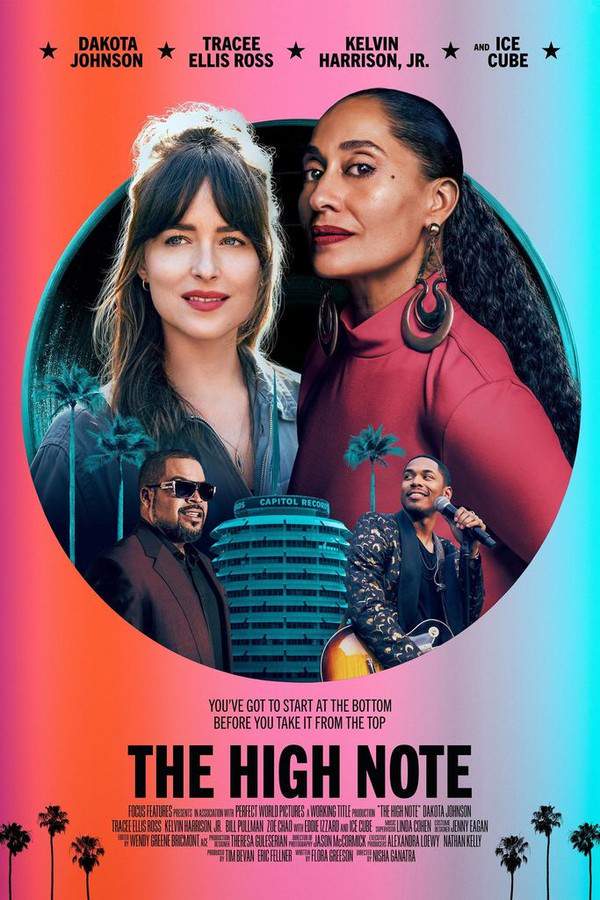
The High Note
2020

The Song
2014
Quitting
2002

Bandslam
2009

Begin Again
2014
Who You Gonna Call?
2022

Interrupted Melody
1955
Narrative Summary
The narrative follows a creator who is pressured to compromise their work for mass appeal. The central conflict is a battle of wills and ethics, pitting genuine passion against cynical marketing. The journey involves frustration, strategic pushback, and ultimately, a satisfying affirmation of artistic values.
Why These Movies?
These movies are grouped together because they share a core conflict between artistic integrity and commercial success. They feature a determined protagonist, a soulful and industrious mood, and a hopeful tone that celebrates staying true to one's craft.
Soulful Professional Dramas with Hopeful Endings like That’s the Way of the World
Character-driven stories about finding professional fulfillment and ethical victory.Find movies similar to That’s the Way of the World that explore professional integrity and personal victory. If you liked the steady pace and hopeful tone of Buckmaster's journey, these character-driven dramas are for you.

My Sassy Girl
1000

Americanish
2021

Dramatic School
1938
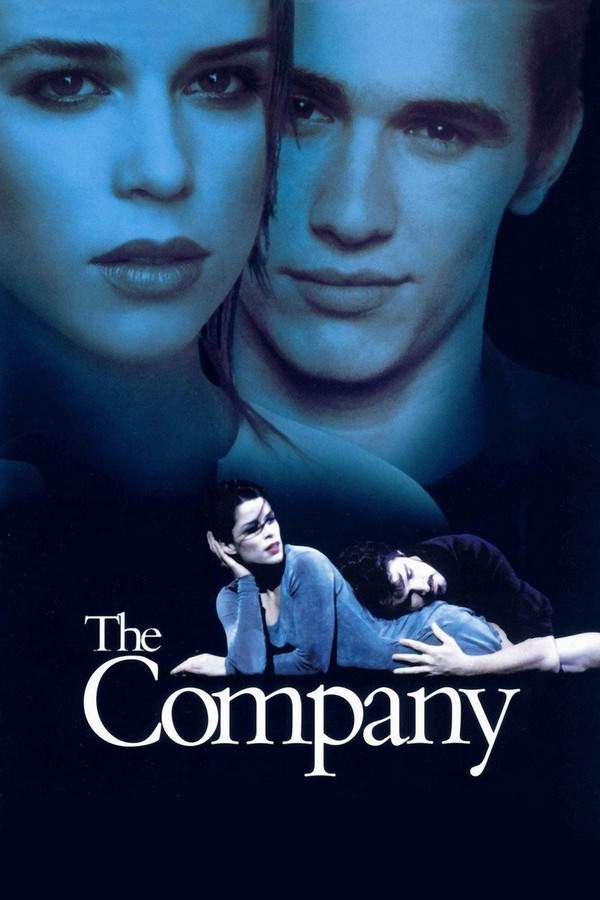
The Company
2003
The High Note
2020
High Strung
2016

Heavenly Pursuits
1986

Tumse Na Ho Payega
2023
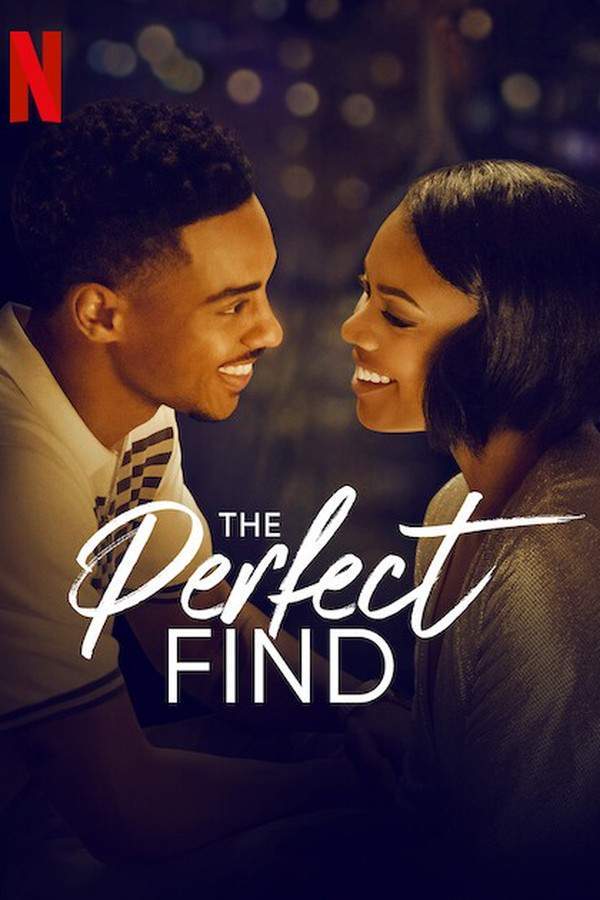
The Perfect Find
2023
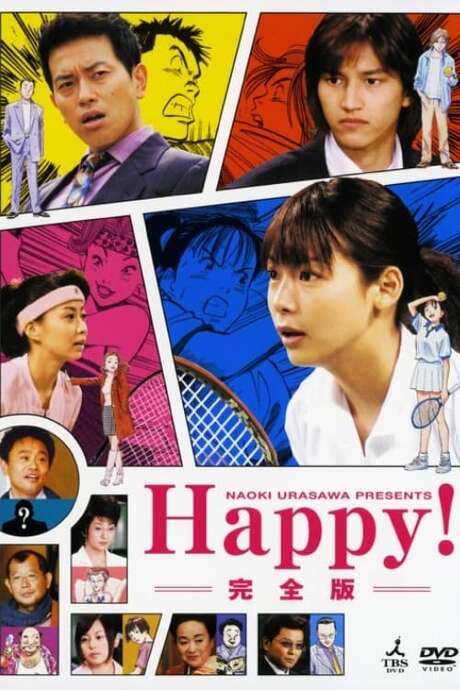
Happy!
2006

Working Girls
2020

Dr. Kildare’s Strange Case
1940

Stars Over Broadway
1935
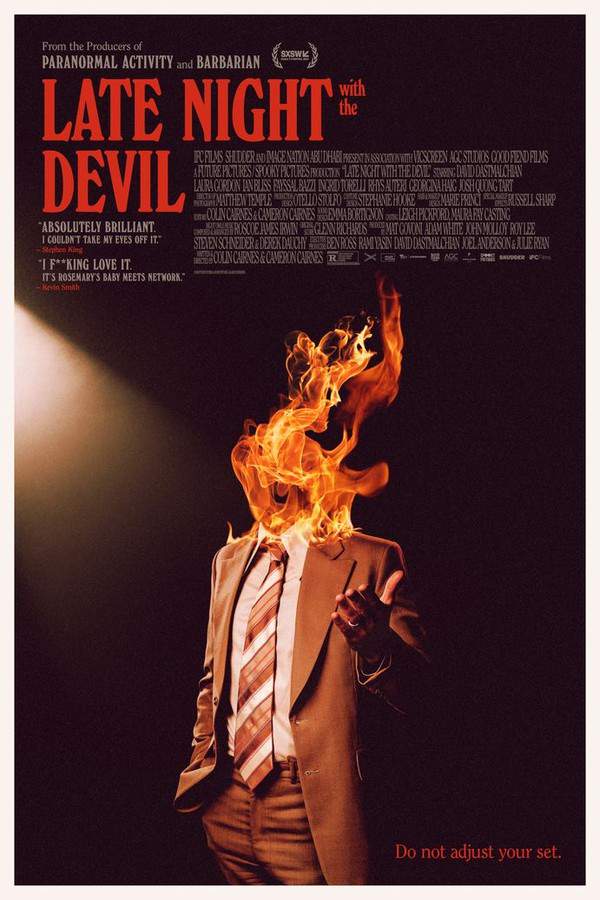
Late Night
2019

Dr. Gillespie’s New Assistant
1942
Narrative Summary
The plot centers on a professional at a crossroads, facing pressure to abandon their principles. The tension is internal and conversational, built on ethical dilemmas rather than physical danger. The story progresses steadily as the protagonist navigates the system, leading to a clever or principled resolution that validates their journey.
Why These Movies?
This thread connects films with a medium intensity, steady pacing, and a hopeful tone, where the emotional stakes are tied to professional identity and ethical choices. They offer a satisfying, thoughtful viewing experience without heavy trauma.
Unlock the Full Story of That’s the Way of the World
Don't stop at just watching - explore That’s the Way of the World in full detail. From the complete plot summary and scene-by-scene timeline to character breakdowns, thematic analysis, and a deep dive into the ending - every page helps you truly understand what That’s the Way of the World is all about. Plus, discover what's next after the movie.
That’s the Way of the World Timeline
Track the full timeline of That’s the Way of the World with every major event arranged chronologically. Perfect for decoding non-linear storytelling, flashbacks, or parallel narratives with a clear scene-by-scene breakdown.

Characters, Settings & Themes in That’s the Way of the World
Discover the characters, locations, and core themes that shape That’s the Way of the World. Get insights into symbolic elements, setting significance, and deeper narrative meaning - ideal for thematic analysis and movie breakdowns.


