Year: 1999
Runtime: 124 min
Language: English
Director: Wes Craven
Budget: $27M
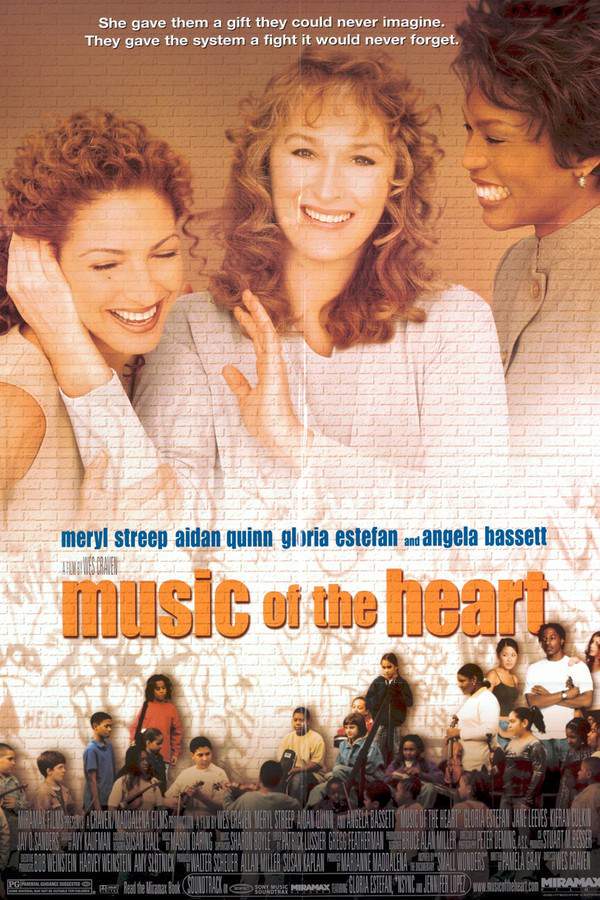
Roberta (Meryl Streep) discovers purpose and joy by teaching violin to children in Harlem. Despite initial skepticism from school administrator Janet Williams (Angela Bassett), Roberta's program gains recognition and touches many lives. Facing potential program cuts, Roberta, her students, and Williams unite to organize a concert, determined to preserve the music and the community it has fostered.
Find where to stream, rent, or buy Music of the Heart (1999) in the US with current JustWatch availability, up-to-date pricing, and platform listings for subscription, rental, and digital purchase options.
Warning: spoilers below!
Haven’t seen Music of the Heart yet? This summary contains major spoilers. Bookmark the page, watch the movie, and come back for the full breakdown. If you're ready, scroll on and relive the story!
Read the complete plot breakdown of Music of the Heart (1999), including all key story events, major twists, and the ending explained in detail. Discover what really happened, and what it all means.
In the vibrant cityscape of 1981 New York City, Roberta Guaspari (Meryl Streep), a gifted violinist with an unwavering devotion to music, finds herself grappling with the emotional fallout of her recent divorce from Charles Demetras, a U.S. Navy officer who has turned his affections toward her friend, Lana Holden. With her mother, Assunta, urging her to step back into the workforce and care for her two sons, Alexi and Nicholas, Roberta seeks solace in the familiar company of her old acquaintance, Brian Turner. Starting her journey as a gift-wrapper in a department store, she rekindles her passion for music when Turner suggests that she meet Janet Williams, the head teacher at East Harlem's Central Park East School.
Despite her lack of formal experience in music education, Roberta courageously embraces the opportunity to work as a substitute violin teacher, arriving with 50 child-sized violins she procured during her husband's deployment in Greece. With a unique combination of strength and resolve, she manages to motivate a cohort of children and win over their initially doubtful parents, gradually crafting a program that captures the attention of the community and eventually extends to Central Park East II and River East Schools.
As a decade passes, the once-thriving string programs face a severe threat when the New York City Board of Education considers slashing funding. Roberta's earlier dismissal only intensifies her resolve to advocate for the program she has passionately nurtured. Rallying support from her former students, their parents, and fellow teachers, she orchestrates a benefit concert named Fiddlefest aimed at raising essential funds to sustain the program. Just as rehearsals progress, disaster strikes when the venue is abruptly lost. Fortunately, help arrives in the form of Arnold Steinhardt, a celebrated violinist with the Guarneri Quartet and a friend of Roberta's, who galvanizes other renowned musicians such as Isaac Stern, Itzhak Perlman, Mark O'Connor, and many more to participate in securing a new venue at Carnegie Hall. This pivotal moment allows Roberta and her students to share the stage with music legends during the Fiddlefest performance.
The concert transforms into an overwhelming success, reflecting Roberta's steadfast commitment to her craft and the extraordinary abilities of her students. In a heartwarming epilogue, the film reveals that the concert's proceeds of $250,000, a powerful testament to music's influence, sustain Roberta's innovative program for three additional years, further bolstered by benefit concerts and donations to her private foundation, Opus 118 Harlem School of Music. Although Community School District 4 offers limited support due to its finances, the combined efforts of commitment, generosity, and resilience lead to the official reinstatement of Roberta's esteemed violin program, showcasing the profound impact she has had on her students' lives.
In the meantime, Roberta's personal life flourishes as well. She now resides in East Harlem with her daughter Sophia, whom she lovingly adopted from El Salvador in 1991. Her eldest son Nicholas has emerged as a talented cellist, currently delving deeper into his musical studies, while her youngest son Alexi is on the brink of pursuing a career in medicine, ready to make his own contributions to society. As Opus 118 aims to broaden its outreach and impact more children, its future relies heavily on the kindness of the community and the steadfast dedication of its supporters.
Last updated: November 21, 2024 at 11:59
Explore frequently asked questions about Music of the Heart (1999) with spoiler-rich answers covering the full plot summary, major story beats, character motivations, hidden details, and ending meaning. This movie summary FAQ helps explain confusing scenes, plot twists, and narrative decisions in clear, searchable detail.
Roberta starts teaching violin because she needs to support her two sons financially after her divorce. Her mother urges her to re-enter the workforce, and when her old acquaintance Brian Turner suggests she meet the head teacher at Central Park East School, she sees an opportunity to return to music. Despite having no formal teaching experience, she decides to take the substitute violin teacher position.
Earlier, Roberta is described as a gifted violinist with unwavering devotion to music, making this path feel like a natural return to her true passion.
Roberta acquires 50 child-sized violins from Greece, which were a gift from her husband Charles Demetras during his Navy deployment. She had kept these instruments from before her divorce, and they become the foundation of her teaching program.
The violins represent Roberta's lingering connection to her married life and her hope for a new beginning.
Janet Williams, the head teacher at Central Park East School, is initially skeptical because Roberta has no formal experience in music education. Williams is concerned about whether someone without teaching credentials can successfully run a violin program, especially in a community that has seen many unproven initiatives fail.
Williams' skepticism sets up her eventual transformation from opponent to ally, which becomes central to the film's message about community support.
Roberta wins over parents through her unique combination of strength and resolve. She demonstrates genuine commitment to the children, shows that she cares about their development, and proves her violin program can deliver real results. Over time, her dedication becomes evident as the children make musical progress, gradually earning parental trust.
The film establishes early that Roberta is determined to make a difference, which manifests in her patient approach to building community trust.
A decade after Roberta establishes her program, the New York City Board of Education considers slashing funding for string programs due to budget constraints. The specific financial pressures facing the school district at that time threaten to eliminate the music education Roberta has built.
Earlier, the film shows Roberta's program expanding to multiple schools, making its potential loss even more impactful when the threat emerges.
Arnold Steinhardt is a celebrated violinist with the Guarneri Quartet and a friend of Roberta's. When the original Fiddlefest venue is abruptly lost, Steinhardt steps in to help. He recruits other renowned musicians like Isaac Stern and Itzhak Perlman to participate, and together they secure Carnegie Hall as the new venue, transforming the benefit concert into a legendary event.
Roberta's connection to professional musicians is established early in the film through her background as a gifted violinist.
As Fiddlefest rehearsals progress, the original venue is suddenly revoked, creating a crisis for Roberta and her students. The exact reason is not detailed in the summary, but this sudden loss threatens to derail the entire benefit concert that was meant to save the program.
This crisis tests Roberta's resolve and forces her to call on her connections in the music world.
Fiddlefest raises $250,000, which serves as a vital lifeline for Roberta's program. The proceeds sustain the innovative violin program for three additional years. Combined with subsequent benefit concerts and donations to Roberta's private foundation, Opus 118 Harlem School of Music, the success leads to the official reinstatement of her violin program.
The concert's success is built up throughout the film as Roberta's chance to prove the program's worth to the community and administrators.
Roberta's personal life flourishes alongside her professional success. She adopts daughter Sophia from El Salvador in 1991, and they live together in East Harlem. Her eldest son Nicholas becomes a talented cellist who continues his musical studies, while her youngest son Alexi prepares to pursue a career in medicine.
The film shows Roberta rebuilding her life after divorce, and her children's success reflects the stability she creates through her work and dedication.
Opus 118 continues through a combination of the Fiddlefest proceeds, subsequent benefit concerts, and donations to Roberta's private foundation. While Community School District 4 offers limited support due to financial constraints, the combined efforts of community commitment, generosity from musicians, and Roberta's determination lead to the program's official reinstatement.
The film's hopeful tone and successful Fiddlefest event foreshadow this positive outcome for the program's continuation.
Discover curated groups of movies connected by mood, themes, and story style. Browse collections built around emotion, atmosphere, and narrative focus to easily find films that match what you feel like watching right now.
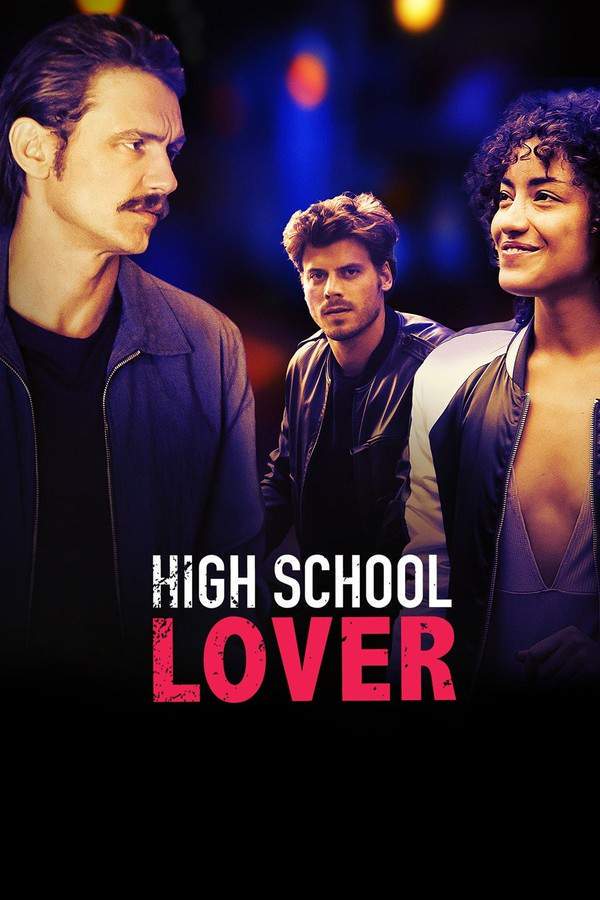
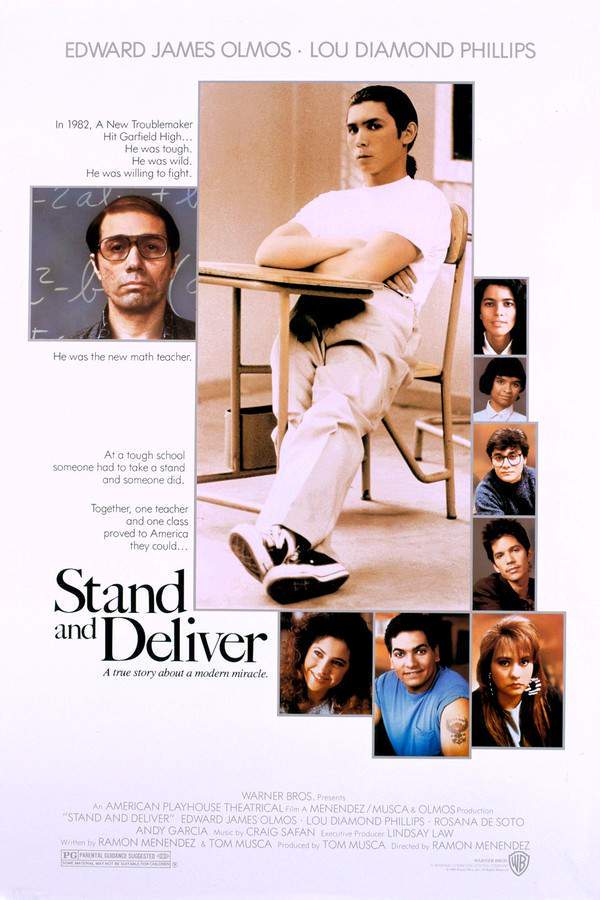
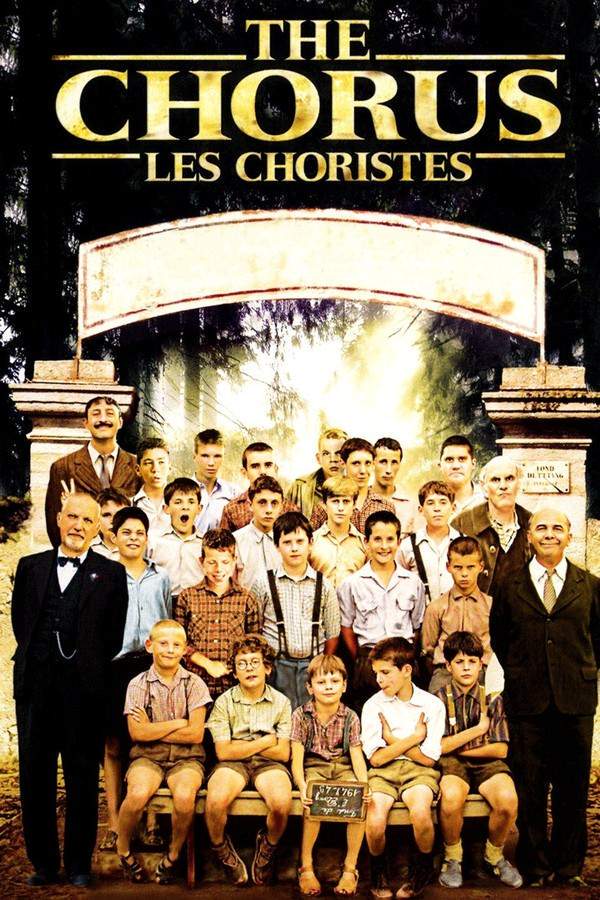
Determined educators who bring hope and change to their students' lives.If you enjoyed the heartfelt story in Music of the Heart, you'll love these other movies about dedicated teachers. This collection features similar dramas and music stories where educators make a difference, perfect for fans of inspiring and uplifting character-driven narratives.
The narrative follows a protagonist, often at a personal crossroads, who finds new purpose through teaching. They face initial resistance from the institution or community but gradually win over their students and colleagues through perseverance and belief. A central crisis threatens the program's existence, leading to a climactic event that demonstrates its value and secures its future.
These films are grouped together because they share a core belief in the power of education and mentorship. They balance realistic struggles with an overwhelmingly hopeful tone, featuring steady pacing, medium emotional weight, and endings that affirm the positive change brought about by the teacher's dedication.
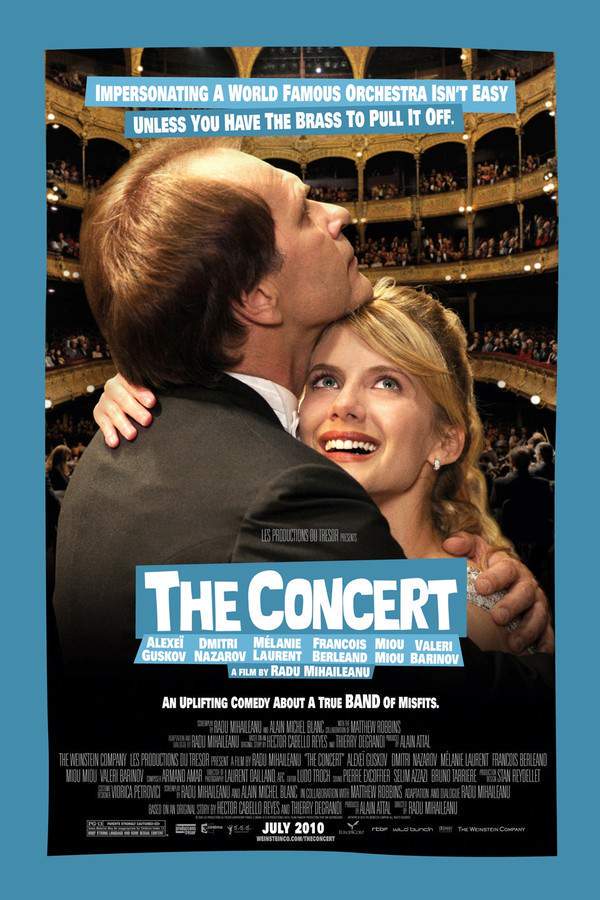
Stories where passion for art overcomes adversity to create something beautiful.Discover more films like Music of the Heart that celebrate the joy of music and art. This selection includes similar music dramas and community stories where artistic passion leads to personal triumph, ideal for viewers seeking uplifting and optimistic narratives.
The plot revolves around an artistic endeavor—a music program, a play, a choir—that is threatened by a lack of resources or support. The characters must rally together, proving the value of their art not just for themselves but for the wider community. The story builds towards a public performance or showcase that serves as both a narrative climax and a validation of their efforts.
This thread connects movies that share a deep appreciation for the arts as a catalyst for positive change. They blend a steady, heartfelt pace with a ultimately hopeful and triumphant mood, focusing on medium-intensity emotional journeys that avoid bleakness in favor of resilience and optimism.
Don't stop at just watching - explore Music of the Heart in full detail. From the complete plot summary and scene-by-scene timeline to character breakdowns, thematic analysis, and a deep dive into the ending - every page helps you truly understand what Music of the Heart is all about. Plus, discover what's next after the movie.
Track the full timeline of Music of the Heart with every major event arranged chronologically. Perfect for decoding non-linear storytelling, flashbacks, or parallel narratives with a clear scene-by-scene breakdown.
Discover the characters, locations, and core themes that shape Music of the Heart. Get insights into symbolic elements, setting significance, and deeper narrative meaning - ideal for thematic analysis and movie breakdowns.
Discover movies like Music of the Heart that share similar genres, themes, and storytelling elements. Whether you’re drawn to the atmosphere, character arcs, or plot structure, these curated recommendations will help you explore more films you’ll love.
Music of the Heart (1999) Scene-by-Scene Movie Timeline
Music of the Heart (1999) Movie Characters, Themes & Settings
Music of the Heart (1999) Spoiler-Free Summary & Key Flow
Movies Like Music of the Heart – Similar Titles You’ll Enjoy
New York, New York (1977) Ending Explained & Film Insights
Hearts Beat Loud (2018) Movie Recap & Themes
Music (2021) Full Summary & Key Details
Music Within (2007) Story Summary & Characters
Facing the Music (2002) Movie Recap & Themes
The Heart Stays (2024) Spoiler-Packed Plot Recap
Matters of the Heart (1990) Story Summary & Characters
The Music Teacher (1988) Ending Explained & Film Insights
The Song to My Heart (2022) Ending Explained & Film Insights
Music School (2023) Story Summary & Characters
Song o’ My Heart (1930) Spoiler-Packed Plot Recap
Small Wonders (1995) Spoiler-Packed Plot Recap
Journey of the Heart (1997) Complete Plot Breakdown
A Song from the Heart (1999) Full Movie Breakdown
They Shall Have Music (1939) Story Summary & Characters