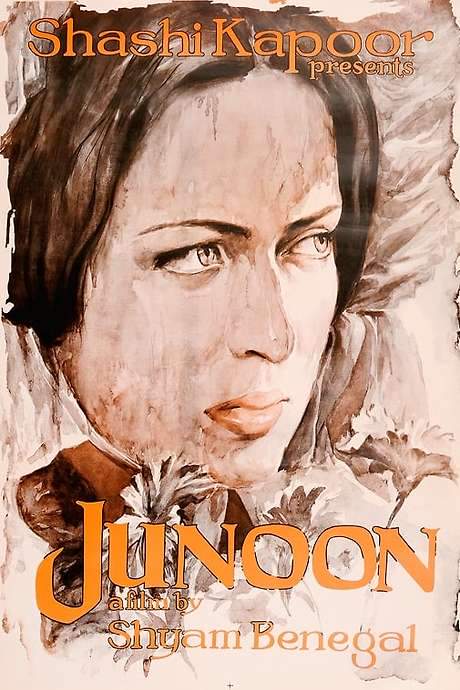
Year: 1978
Runtime: 141 mins
Language: Hindi
Director: Shyam Benegal
Set during the 1857 War of Independence, an obsessed Indian Nawab desires to wed a young Anglo-Indian woman, but the girl’s obstinate mother stands between them.
Warning: spoilers below!
Haven’t seen Junoon yet? This summary contains major spoilers. Bookmark the page, watch the movie, and come back for the full breakdown. If you're ready, scroll on and relive the story!
Explore the full timeline and setting of Junoon (1978). Follow every major event in chronological order and see how the environment shapes the story, characters, and dramatic tension.
Last updated: October 04, 2025 at 19:39
Meet the key characters of Junoon (1978), with detailed profiles, motivations, and roles in the plot. Understand their emotional journeys and what they reveal about the film’s deeper themes.
Last updated: October 04, 2025 at 19:39
Explore the central themes of Junoon (1978), from psychological, social, and emotional dimensions to philosophical messages. Understand what the film is really saying beneath the surface.
Last updated: October 04, 2025 at 19:39
Browse frequently asked questions about Junoon (1978) focused on characters, relationships, themes, symbols, setting, and story context. This movie info FAQ gives spoiler-aware explanations for character arcs, world details, and thematic interpretation so readers can better understand what the film is really about.
Junoon is set in northern India, primarily in the Nawabi society of Rampur, during the 1857 Indian Rebellion. The story unfolds against the backdrop of traditional Muslim courtesies clashing with British imperial power, featuring lavish households, communal rituals, and the volatile political atmosphere of the rebellion and the Battle for Delhi.
The setting's Nawabi culture and the political tensions are introduced from the opening scenes, establishing the world in which the characters' fates will unfold.
Junoon is set in 1857 during the Indian Rebellion of Independence, a pivotal moment when Indian rulers and commoners confronted British control. The film captures the period's shifting loyalties, rising nationalist sentiment, and the personal costs of war as characters navigate the rebellion's early battles and the fall of Delhi.
Junoon explores three interconnected themes: Conflict & Sacrifice, showing how rebellion places characters in life-or-death choices; Forbidden Love & Duty, depicting how romantic tension between Javed and Ruth is complicated by political and social power structures; and Hospitality & Tension, revealing how domestic spaces become sites of cultural misunderstanding during wartime.
Javed Khan is a reckless feudal chieftain from Rampur whose life centers around breeding carrier pigeons. Obsessed with Ruth, an Anglo-Indian woman, he navigates his sense of honor amid the turbulent politics of the 1857 rebellion. His arc moves from domestic indulgence to a martyr-like stand against the British, fulfilling a costly promise.
Early scenes establish Javed's passion for pigeons and his honorable nature, which ultimately drive his tragic commitment to the rebellion's cause.
Ruth Labadoor is an Anglo-Indian woman who becomes the focal point of competing loyalties and a potential union with Javed Khan. Her feelings for Javed complicate the war-torn landscape, and her survival depends on shifting alliances around her. The narrative ends with Ruth remaining unwed as the rebellion reorganizes, leaving her future uncertain.
Miriam Labadoor is Ruth's mother, a Nawabi-influenced woman who manipulates events to secure her daughter's future. She escapes with Ruth and Ruth's grandmother, leveraging diplomacy and grit to negotiate with Javed and others. Her choices constantly hinge on safeguarding her family amid empire-wide upheaval.
Firdaus is Javed's wife, whose jealousy grows as Ruth and Miriam challenge the household's balance. She embodies domestic tension and the strain of hosting strangers while navigating her place within the patriarchal Nawabi order. Her reactions reveal how intimate relationships become fragile during wartime.
Sarfaraz Khan is Javed's politically awakened brother-in-law who becomes a voice for armed resistance against British rule. He sabotages Javed's pigeons as part of the rebellion and meets a fatal fate in battle. His arc embodies the rise and fall of revolutionary fervor within fractured society.
Early hints of Sarfaraz's growing political consciousness appear during household discussions, foreshadowing his transformation into a revolutionary.
Nawabi culture in Junoon refers to the aristocratic Muslim society of 1857 northern India, characterized by lavish households, elaborate hospitality traditions, and strict social hierarchies. The film depicts how these traditions coexist and clash with British colonial presence and Hindu community dynamics during the rebellion.
The 1857 rebellion serves as the engine of the film, forcing characters into life-or-death choices and testing loyalties between feudal tradition and rising nationalist sentiment. Personal bonds are broken and forged in the furnace of war, with the political upheaval directly shaping the fates of Javed, Ruth, and their families.
Junoon portrays love as deeply constrained by political and social power structures. Javed's desire for Ruth is complicated by Miriam's stipulation that he must defeat the British in exchange for Ruth's hand. The couple's fate illustrates how personal desire clashes with family expectations and cultural obligations during times of revolution.
Ruth's Maternal Grandmother is a matriarch from the Rampur Nawabi milieu who embodies the cross-cultural currents shaping Ruth's lineage. She was married to an Englishman, illustrating the mixed heritage and cultural intersections that define the characters' identities amid the empire's collapse.
Discover curated groups of movies connected by mood, themes, and story style. Browse collections built around emotion, atmosphere, and narrative focus to easily find films that match what you feel like watching right now.
Love stories torn apart by the violent tides of rebellion and colonial conflict.If you liked the tragic romance set against the 1857 rebellion in Junoon, you'll find similar movies here. Explore historical epics where obsessive love is tested by colonial violence and societal upheaval, leading to bittersweet or devastating conclusions. Discover other films that weave personal and political conflict into a heavy, emotionally charged narrative.
Stories in this thread typically follow a central, high-stakes romance—often cross-cultural or forbidden—that unfolds during a major historical conflict. The narrative structure pits intimate personal desires against the inexorable momentum of war, leading to choices that involve profound sacrifice, loss, and a conclusion that acknowledges the high cost of both love and rebellion.
Movies are grouped here because they share a core focus on the tragic intersection of passionate romance and large-scale historical upheaval. They deliver a similar experience through a heavy emotional weight, high intensity from life-or-death stakes, and a melancholic tone that reflects on the personal devastation left in the wake of war.
Stories where personal fixations mirror the disintegration of a society.Find movies similar to Junoon that explore the theme of destructive obsession within a collapsing society. These films often feature intense, morally complex characters whose personal tragedies reflect the violence and cultural conflict of their time. If you appreciated the grim, oppressive mood and complex themes of Junoon, this collection is for you.
The narrative pattern involves a protagonist whose all-consuming obsession (for a person, an ideal, or power) becomes intertwined with a major societal conflict. Their personal downfall escalates in parallel with the collapse of the world around them, resulting in a complex exploration of ambition, loyalty, and the devastating cost of clinging to a doomed desire.
These movies are grouped by their shared grim mood, complex character-driven narratives, and the thematic parallel between a character's internal obsession and external societal collapse. They deliver a coherent experience through a steady, deliberate pacing that builds tension and a heavy, melancholic tone that leaves a lasting impact.
Don't stop at just watching - explore Junoon in full detail. From the complete plot summary and scene-by-scene timeline to character breakdowns, thematic analysis, and a deep dive into the ending - every page helps you truly understand what Junoon is all about. Plus, discover what's next after the movie.
Read a complete plot summary of Junoon, including all key story points, character arcs, and turning points. This in-depth recap is ideal for understanding the narrative structure or reviewing what happened in the movie.
Track the full timeline of Junoon with every major event arranged chronologically. Perfect for decoding non-linear storytelling, flashbacks, or parallel narratives with a clear scene-by-scene breakdown.
Discover movies like Junoon that share similar genres, themes, and storytelling elements. Whether you’re drawn to the atmosphere, character arcs, or plot structure, these curated recommendations will help you explore more films you’ll love.
Junoon (1978) Plot Summary & Movie Recap
Junoon (1978) Scene-by-Scene Movie Timeline
Junoon (1978) Spoiler-Free Summary & Key Flow
Movies Like Junoon – Similar Titles You’ll Enjoy
Monsoon Wedding (2002) Detailed Story Recap
Bajirao Mastani (2015) Plot Summary & Ending Explained
Haider (2014) Complete Plot Breakdown
Zubeidaa (2001) Ending Explained & Film Insights
Pinjar (2003) Film Overview & Timeline
Bewafaa (2005) Spoiler-Packed Plot Recap
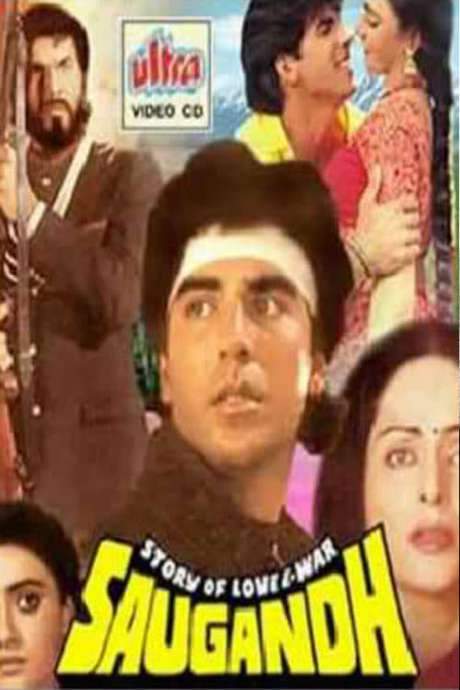
Saugandh (1991) Plot Summary & Ending Explained
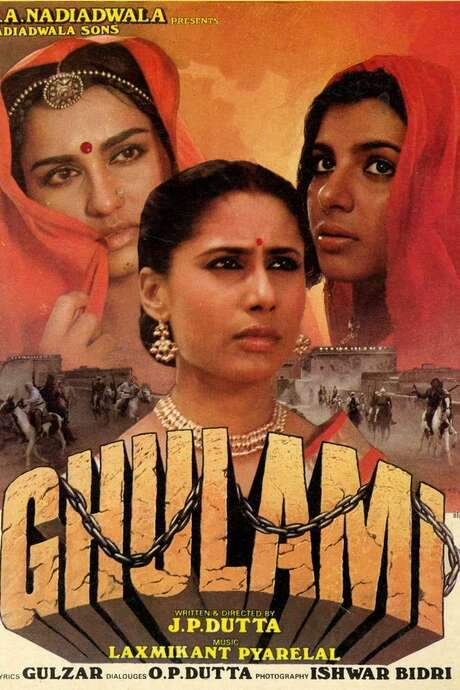
Ghulami (1985) Detailed Story Recap
Qayamat Se Qayamat Tak (1988) Spoiler-Packed Plot Recap
Daulat Ki Jung (1992) Movie Recap & Themes
Baiju Bawra (1952) Plot Summary & Ending Explained
Junoon (1992) Full Movie Breakdown
Aarzoo (1999) Detailed Story Recap
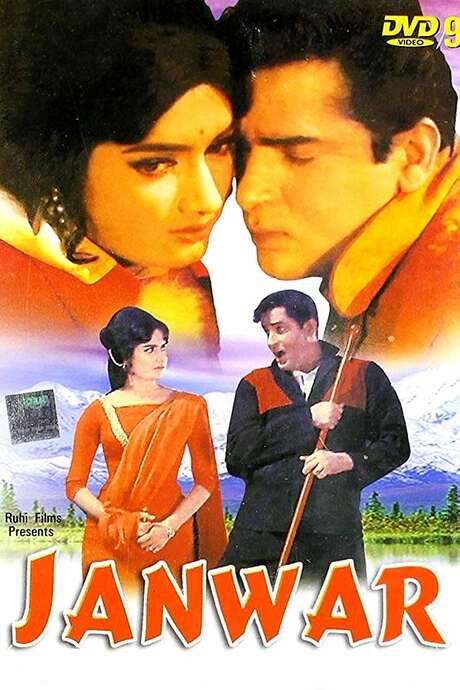
Janwar (1965) Plot Summary & Ending Explained
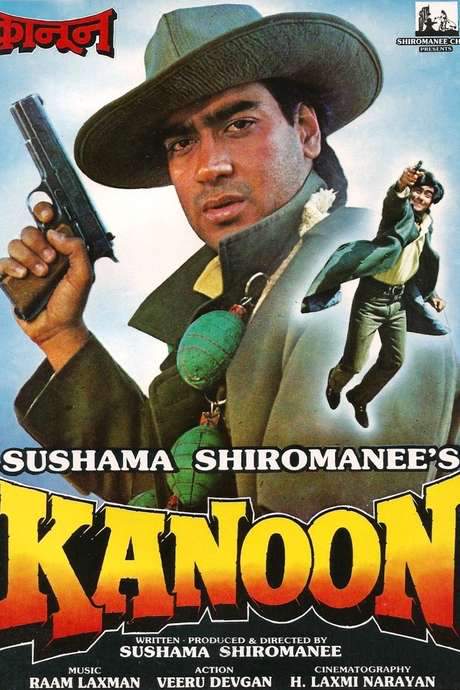
Kanoon (1994) Full Movie Breakdown