Plot Explained Spoilers guaranteed!
Plot Explained

Browse by genre

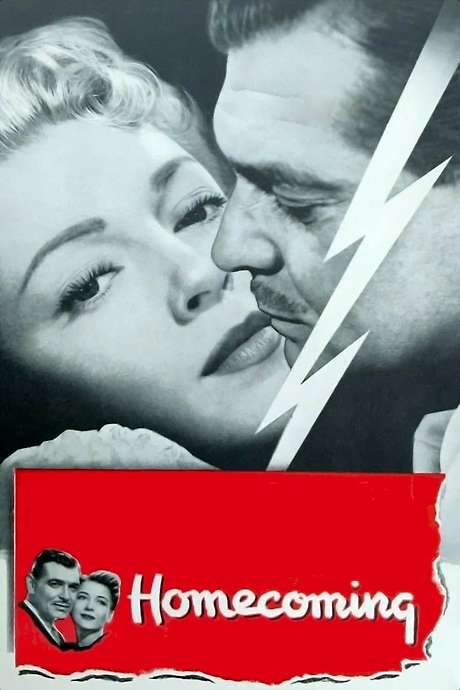
The Woman I Love (1937) movie poster

Plot Summary

The Woman I Love (1937) Plot Summary Explained

Release, runtime and language
1937 · 85 mins · English
Directed by
Anatole Litvak
Starring
Sterling Holloway, Paul Muni, Vince Barnett, Alec Craig, Richard Tucker, Don 'Red' Barry

A MIGHTY PASSION-SWEPT DRAMA! BRAVE HEARTS MAD WITH LOVE! In World War I France, a pilot falls in love with the wife of his friend and superior officer.

On this page (6)
  1. 1 What happens: full plot
  2. 2 Plot questions answered
  3. 3 Movie threads
  4. 4 Movies like The Woman I Love
  5. 5 Categories
  6. 6 Every angle

Full plot summary · contains spoilers

What Happens in The Woman I Love: Full Plot Summary

The whole story of The Woman I Love (1937) explained, from the opening scene to the final frame: every key event, every twist and what it all adds up to. Read it as a quick recap before the sequel, to check a scene you missed, or to finally understand what really happened.

In World War I France, Lt. Jean Herbillion [Louis Hayward] sits in a Paris theater when a woman who goes by Denise [Miriam Hopkins] sits beside him. The performance is interrupted by an air raid and the theatre empties in a panic, but Denise is knocked out in the commotion, and Jean stays with her in the orchestra pit until she comes to. They spend the evening together, and he reveals he is hours from joining a squadron. Denise agrees to meet him at his morning train; as they exchange mailing addresses, she cautions him to mail her by General Delivery as she claims to be moving, and when he mentions his division, she seems to recognize it but does not let on.

Arriving at the squadron, Jean finds a group of upbeat, patriotic men eager to fly. But their top fighter pilot Lt. Claude Maury [Paul Muni] has a reputation for taking dangerous, lone-wolf missions and often returns to base with observers killed or wounded. Some call him cursed or dangerous, and only Jean volunteers to fly with him as his observer/gunner. The two men grow close, each sharing the names of the women they are fighting to stay alive for.

When Jean is granted leave to return to Paris, Claude hands him a letter to deliver to his wife. At the address, Jean discovers Denise is actually his wife Helene Maury [Miriam Hopkins]. Helene explains that she loves Jean but feels loyalty to her husband, while lamenting Claude’s near-suicidal behavior in combat. Jean is horrified at the idea of betraying his best friend and superior officer, and cuts off contact with Denise, which also strains his relationship with Claude.

Helene learns the squadron will have an extended stay in a nearby city and tells Claude, though not Jean, about her plan to visit. Jean tries to foster a relationship with Florence [Mady Christians], a saloon girl, and a confrontation with Florence’s former boyfriend leads Claude to discipline him. Jean attempts to avoid Helene during her visit, but they meet in a church and reaffirm their passion. Helene learns the squadron is unexpectedly summoned for a battle, and the high command seeks a volunteer to stay in Paris to train more pilots. She informs Jean of the offer and he volunteers, which arouses Claude’s suspicions since he was the one who told her about it. Captain Thelis [Colin Clive] steps in and urges Jean to stay, warning him the other men will think him a coward, so he remains with the squad.

On the eve of a major dogfight, Claude confronts Jean and asks if he has had an affair with his wife, but Jean denies it. They take to the skies and down several enemy fighters, but upon returning, Jean is killed and Claude is badly wounded. Claude finds a signed photo of Jean and Helene together that he, in his dying moments, was trying to tear up. In the hospital, Helene tends to the recovering Claude, and they are visited by Jean’s young brother Georges [Wally Albright]. The boy asks for details about Jean’s last moments, and Claude tells him that Jean died calling for his mother and Georges, then confesses he lied, saying Jean cried out for his true love, Denise, leaving Helene to cope with the truth as she nurses him back to health.

Last updated: October 09, 2025 at 10:45

Was this helpful?

Plot questions answered

The Woman I Love Plot Explained: Your Questions Answered

The questions people ask most about The Woman I Love (1937): what happens in the confusing scenes, why the characters do what they do, the twists, hidden details and what the ending means. Each answer contains spoilers.

Q1

Why does Helene use the name Denise instead of her real name?

Helene uses the alias Denise because she is planning to visit the squadron secretly to see Jean while her husband Claude is away. She tells Jean to mail her by General Delivery because she claims to be moving, creating a cover for her clandestine visits. When she later visits the squadron city, she maintains the deception to keep her affair hidden from both Jean and her husband.

Foreshadowing: Earlier in the theater, Denise cautions Jean to mail her by General Delivery as she claims to be moving, hinting at her secret life.

  • helene maury
  • denise alias
  • secret identity
  • affair
Q2

Why does Jean stop seeing Helene after discovering she's Claude's wife?

Jean is horrified at the idea of betraying his best friend and superior officer. He had grown close to Claude, sharing stories of the women they were fighting to stay alive for, and cannot stomach the thought of pursuing a relationship with his friend's wife. This moral conflict is what drives him to cut off contact with Helene, which also strains his relationship with Claude.

Foreshadowing: When Jean and Claude first become close, they each share the names of the women they are fighting for, establishing the deep trust between them that makes the betrayal impossible for Jean.

  • jean herbillion
  • helene
  • claude maury
  • loyalty
  • betrayal
  • moral conflict
Q3

Why does Claude ask Jean to deliver a letter to his wife without knowing their connection?

Claude is completely unaware that Jean already knows his wife. He trusts Jean completely and sees him as a dependable friend, which is why he gives him the personal task of delivering a letter to Helene. The irony is that Jean has already met Helene under the alias Denise and has already begun falling for her, making this innocent request deeply uncomfortable.

Foreshadowing: The squadron men discuss Claude's dangerous lone-wolf missions, showing he trusts Jean enough to fly with him as his observer, a trust that makes the letter delivery request feel natural but devastating.

  • claude maury
  • letter delivery
  • trust
  • friendship
  • irony
Q4

Why does Helene tell Jean about the Paris training opportunity when she loves him?

Helene tells Jean about the volunteer opportunity to stay in Paris and train pilots because she believes it offers them a chance to be together without the guilt of betrayal. She thinks if Jean stays in Paris, he will be safe from the dangerous missions and they can continue their relationship openly. However, her ulterior motive is also to remove Jean from the squadron to protect both their secrets.

Foreshadowing: Helene never tells Jean about her visit plan beforehand, keeping her own secrets, showing she is willing to manipulate situations to control the outcome of their relationship.

  • helene
  • paris training
  • volunteer opportunity
  • jean
  • separation
Q5

Why does Jean volunteer to stay in Paris but then decide to remain with the squadron?

Jean initially volunteers to stay in Paris because he wants to escape the temptation of being near Helene and to avoid betraying Claude. However, Captain Thellis warns him that the other men will think him a coward for staying behind while they face danger. Jean cannot bear the shame of being seen as a coward, so he changes his mind and remains with the squadron, ultimately leading to his death.

Foreshadowing: Jean volunteers to fly with Claude as his observer despite the danger, showing he values courage and reputation among his fellow pilots.

  • jean
  • paris
  • volunteer
  • cowardice
  • thellis
  • squadron
Q6

Why does Claude lie to Georges about Jean's final words?

Claude lies to Jean's young brother Georges, telling him that Jean died calling for his mother and Georges, because he cannot bring himself to reveal the painful truth that Jean died calling out for Denise. The real last words would expose the affair to the innocent boy and further wound Helene, so Claude chooses a merciful lie that preserves Jean's honor in the child's eyes.

Foreshadowing: Earlier, Claude confronts Jean about the alleged affair and Jean denies it, but the tension between them suggests Claude suspects the truth.

  • claude
  • georges
  • last words
  • lie
  • mercy
  • denise
Q7

What is the significance of Claude tearing up the photo of Jean and Helene?

In his dying moments, Claude finds a signed photo of Jean and Helene together and struggles to tear it up. This act symbolizes his final attempt to destroy the evidence of his wife's betrayal and the secret that has haunted him. The torn photo represents the destruction of trust, loyalty, and the tangled web of relationships that led to Jean's death and Claude's own near-fatal wounds.

Foreshadowing: The photo was signed by both Jean and Helene, showing their relationship had become physical and undeniable to anyone who discovered it.

  • photo
  • tearing
  • betrayal
  • claude
  • helene
  • evidence
Q8

Why does Claude confront Jean about the affair before the final dogfight?

Claude confronts Jean on the eve of the major dogfight because he has grown increasingly suspicious of the closeness between Jean and Helene. With the danger of the upcoming battle and the possibility he may not return, Claude needs to know the truth before facing death. Jean denies the affair, but the confrontation adds to the emotional burden both men carry into battle.

Foreshadowing: Claude was unsettled when he learned Helene knew about the extended stay in the nearby city, and he grew more suspicious as Jean tried to avoid Helene during her visit.

  • claude
  • confrontation
  • affair
  • suspicion
  • dogfight
  • battle
Q9

Why does Jean continue flying dangerous missions despite his emotional turmoil?

Jean continues flying with Claude despite his emotional conflict because he cannot bear the shame of being seen as a coward. After initially volunteering to stay in Paris, Captain Thellis convinces him that staying behind would make the other men think he is a coward. Jean values his honor and reputation among his fellow pilots too much to abandon them, even though he knows the dangerous missions could kill him.

Foreshadowing: When Jean first arrives at the squadron, only he volunteers to fly with Claude as his observer, showing his courage and willingness to accept danger.

  • jean
  • dangerous mission
  • cowardice
  • honor
  • squadron
  • battle
Q10

Why does Helene stay to care for Claude after Jean's death?

Helene continues to tend to the recovering Claude despite learning that he lied about Jean's final words and knowing the truth about her affair is now exposed. She feels a sense of loyalty and duty to her husband, whom she promised to honor in marriage. Additionally, she is left to cope with the painful truth that Jean died calling for her, making her nursing of Claude an act of redemption and unresolved grief.

Foreshadowing: Earlier, Helene tells Claude that his dangerous combat behavior has driven a wedge between them, showing she has struggled with loyalty to him before.

  • helene
  • claude
  • nursing
  • recovery
  • loyalty
  • guilt
  • grief
Q11

What leads to Jean's death in the final dogfight?

Jean is killed during the final dogfight after he and Claude successfully shoot down several enemy fighters. The exact circumstances of his death are not detailed in the summary, but he is killed while returning from the battle. His death comes after the emotional confrontation with Claude the night before and his decision to remain with the squadron despite having the opportunity to stay safe in Paris.

Foreshadowing: The final dogfight represents the culmination of the dangerous lone-wolf missions that have already killed or wounded many observers who flew with Claude.

  • jean
  • death
  • dogfight
  • killed
  • battle
  • claude

Movie threads

More Movies Like The Woman I Love, by Mood & Story

Curated lists built around what makes The Woman I Love tick: the same mood, the same kind of story or the same emotional payoff. Each list explains why these movies belong together.

Tragic Love Triangle Movies like The Woman I Love

Stories where deep bonds are shattered by passion, duty, and loss. Find movies similar to The Woman I Love that explore heart-wrenching stories of forbidden love and moral conflict. If you were captivated by the tension between love and duty, these films deliver similarly powerful, emotionally heavy romantic dramas with bittersweet or tragic conclusions.

  • tragic
  • melancholic
  • tense
  • romantic
  • dramatic
  • somber
  • Tone: melancholic, tragic, tense
  • Pacing: steady, deliberate
Why these movies?

The story pattern: Stories typically begin with deep, established relationships—often friendships or marriages—that are fractured by the emergence of a powerful, consuming, and illicit love. The central conflict thrives on the characters' impossible choices between passion and loyalty, usually escalating towards an inevitable, painful climax that leaves lasting emotional scars.

Why they belong together: Movies are grouped here for their shared focus on the destructive power of forbidden desire, their high emotional stakes, and their exploration of complex moral dilemmas. They create a cohesive experience defined by intense romantic tension, a melancholic tone, and a heavy emotional weight.

Emotional War Dramas like The Woman I Love

Intimate personal dramas where love and loss are amplified by war. Discover movies like The Woman I Love that use war as a powerful setting for intimate human stories. These similar films share a steady, character-focused pace and a heavy, melancholic tone, exploring themes of love, betrayal, and survival under immense pressure.

  • somber
  • dramatic
  • tragic
  • tense
  • historical
  • grief
  • Tone: melancholic, somber, dramatic
  • Pacing: steady, character-driven
Why these movies?

The story pattern: These narratives use a wartime setting as a crucible for character relationships. The constant threat of death and loss accelerates emotions and forces difficult choices, intertwining personal fate with historical events. The journey is one of emotional survival as much as physical, often culminating in a resolution marked by grief, guilt, or a hollow victory.

Why they belong together: These films are united by their use of war to heighten personal drama, their consistently heavy and melancholic mood, and their methodical pacing that allows for deep emotional exploration. They provide a specific vibe where historical grandeur meets intimate human tragedy.

If you liked this

Movies Like The Woman I Love

Similar movies to The Woman I Love: the same genre, themes or kind of story. Each one comes with its own plot summary, timeline and ending explained.

Browse all movie summaries

Categories

Movie Lists Featuring The Woman I Love

The Woman I Love appears in these hand-built movie categories. Each one groups movies by a specific mood, theme or story type, with their plot summaries and endings explained.

View all movie categories

Every angle

The Woman I Love (1937) Explained: Plot, Timeline & Characters

Everything about The Woman I Love in one place: what happens in the plot summary, the timeline in chronological order, the characters and meaning and a spoiler-free summary. What's After the Movie adds the cast, box office and post-credit scenes.

Coming soon on iOS and Android

The Plot Explained Movie Summary App

Plot summaries, endings explained and timelines on your phone. Catch up on any movie in minutes, save your favorites and never miss a twist again.

Be the first to know when we launch. Your email stays private, always.

Learn more about the app