Year: 2015
Runtime: 30 mins
Language: English
Director: Guillem Morales
After bringing a man back to her apartment from a New Year’s Eve celebration, Christine Clarke finds her life spiraling out of control. She becomes increasingly disturbed by a mysterious stranger who repeatedly appears in her flat at night, leading her to question his identity and the unsettling changes happening around her.
Warning: spoilers below!
Haven’t seen The 12 Days of Christine yet? This summary contains major spoilers. Bookmark the page, watch the movie, and come back for the full breakdown. If you're ready, scroll on and relive the story!
Read the complete plot breakdown of The 12 Days of Christine (2015), including all key story events, major twists, and the ending explained in detail. Discover what really happened, and what it all means.
Christine Sheridan Smith arrives home to her flat with Adam Tom Riley, whom she has just met at a New Year's party, and settles into a life that starts with a spark of new romance and quickly leaves the future in a delicate, unfolding balance. Thirteen months later, on Valentine's Day, Christine chats with her flatmate Fung Stacy Liu at home, relaying the quiet details of her evolving relationship with Adam while a card from her first boyfriend—an echo from a past she thought she’d forgotten—arrives and lingers in the air, hinting at memories she never fully resolved. On Mother's Day, Christine’s mother Marion Michele Dotrice visits and pulls Christine back into a vein of family history, revealing that Christine’s first boyfriend died when he was just 16, a piece of history Christine had misplaced in the folds of time. Marion’s gentle persistence nudges Christine toward marriage with Adam, even as Christine’s father Ernie Paul Copley battles Alzheimer's and slips further from the person he once was, a struggle that colors Christine’s choices with a quiet gravity.
The following year brings a shift: Adam moves in with Christine at Easter, and Christine secretly plans a small surprise for him. A disturbance comes in the form of an egg smashing on a nearby wall, a seemingly ordinary moment that unsettles her, and in the kitchen she is approached by an unknown man, the Stranger Reece Shearsmith, who murmuringly offers a single, heavy message:
> I’m sorry.
As time threads forward, Christine, now pregnant and married, wakes on a May bank holiday to a life that feels both intimate and fragile. Adam and Christine work together to assemble a cot, a task that becomes a quiet test of their partnership. Thirteen months later, on Father’s Day, Adam tends to their son Jack Dexter Little in the stillness of the night, while Christine’s nerves murmur with the sense that something is stitched into their routine that does not belong to it. From the baby monitor comes the Stranger’s voice again, a chilling line:
> Come on little man, let's get you out of there.
Christine rushes to Jack’s room and finds the cot empty, fear gripping her as she cries out for Adam, who returns from another room with Jack in his arms, the crisis somehow contained, though the air remains taut with unspoken fear. Thirteen months pass and Christine reaches her 30th birthday, a milestone that should feel celebratory yet instead sits within the shadow of a widening distance: Ernie no longer recognises Christine, and Adam grows more interested in his colleague Zara Jessica Ellerby. Marion, ever the warden of ritual, blindfolds Christine for a game of blind man’s buff—an annual birthday ritual Christine has played since she was six—and the moment grows tense as suspicious noises drift from behind a door, forcing Christine to remove her blindfold and confront what she cannot quite name.
Another time shift follows: now divorced from Adam, Christine films Jack as he prepares for his first day of school, a quiet, poignant moment that frames the aftermath of the life they had hoped to build. Left alone in the flat, she finds comfort with Ernie, who remains a fragile anchor in a house that has become a labyrinth. On Halloween, she dresses up with her friend Bobby Steve Pemberton, a colleague at Clarks, and when someone she believes to be Adam enters to collect Jack, Christine hurryingly moves toward Jack’s room and finds him in the Stranger’s arms, a further fracture in a life that keeps looping through these same scenes with an unnerving sameness.
Bonfire Night seals the pattern in a different light: Christine returns home with Jack, who has burned his hand on a sparkler, but Marion notes that Jack’s injury mirrors a scar Christine herself bore at his age, a revelation that tightens the loom of fate around them all. Christmas gathers the extended circle—Marion, Ernie, Fung, Bobby, and Adam—around a table that feels like a turning point. Christine and Adam are back together, and she unpacks a present that is more than a album of photos: it is a crystallization of the life she has lived, and in that moment she realizes what is happening in the most intimate sense. The Stranger’s claims—he says he stepped onto the road by accident, that he rescued Jack but could not reach Christine—illuminate the truth: Christine has been dying as a result of a road collision, and emergency services struggle to free her while memories replay themselves in a final, poignant montage.
At the dinner table, Jack returns dressed as a Nativity angel, and the family cycles through the ritual one last time. Marion gently signals that it is time for Christine to go, and with a final, heartrending goodbye, Christine’s story folds into the memory of those who remain, leaving behind a life that seems to have always lived on the edge of time.
Last updated: October 03, 2025 at 06:46
Explore frequently asked questions about The 12 Days of Christine (2015) with spoiler-rich answers covering the full plot summary, major story beats, character motivations, hidden details, and ending meaning. This movie summary FAQ helps explain confusing scenes, plot twists, and narrative decisions in clear, searchable detail.
The Stranger is revealed to be the man who was involved in the road collision that kills Christine. He explains that he stepped onto the road by accident and could not reach her in time. His appearances throughout Christine's memories represent the moment he failed to save her, with his repeated attempts to reach Jack symbolizing his guilt over not being able to rescue Christine herself.
The Stranger first appears at Easter saying 'I'm sorry,' establishing his connection to Christine from the very first memory.
Christine dies in a road collision. The entire film, every scene from New Year's Eve through Christmas, takes place in her dying mind as emergency services work to free her trapped in the wreckage. The Christmas dinner is the final memory, where her family gathers and Marion signals that it's time for Christine to let go.
The Stranger's claim that he 'couldn't reach Christine' at Christmas directly hints at the accident that claimed her life.
The Stranger appears holding Jack multiple times throughout Christine's memories because he is trying to save the child. At Christmas, he reveals he 'rescued Jack but could not reach Christine,' explaining that in the aftermath of the collision, he was able to pull Jack to safety but could not reach Christine in time before she died.
The Stranger's first appearance at Easter with his cryptic 'I'm sorry' begins this pattern of attempted rescue.
Christine's father Ernie has Alzheimer's disease, which has progressed significantly by her 30th birthday. The disease causes him to lose recognition of family members, including his own daughter. This subplot adds to the film's themes of loss and the fragility of memory, paralleling how Christine herself is losing her life.
Ernie's battle with Alzheimer's is introduced earlier in the story, showing his gradual decline.
The Stranger says 'I'm sorry' because he was the driver or witness involved in the accident that kills Christine. His apology represents his guilt over stepping onto the road accidentally and being unable to save her, despite his attempts to reach her during the collision.
His first words to Christine at Easter, 'I'm sorry', are the key to understanding his presence throughout.
After their son Jack is born, Adam becomes increasingly distant and interested in his colleague Zara. The marriage fractures under this emotional distance, leading to their divorce. By the time of Jack's first day of school, they are no longer together, though they briefly reconcile at Christmas before Christine's death.
Adam's growing interest in Zara is first hinted at on Christine's 30th birthday.
When Jack burns his hand on a sparkler, Marion notes that Jack's injury mirrors a scar Christine herself bore at his age. This revelation emphasizes the cyclical nature of fate in the film, suggesting that history repeats itself and that certain patterns, whether wounds or tragedies, echo across generations within Christine's family.
The scar connection reinforces the film's theme of predetermined fate woven throughout the timeline.
The film spans key dates across approximately three years, from New Year's Eve through Christmas, mirroring the traditional 12 days of Christmas. Each significant date (Valentine's Day, Mother's Day, Easter, Father's Day, Halloween, Bonfire Night, Christmas) represents a milestone in Christine's life that plays out in her dying mind as memories.
The title itself 'The 12 Days of Christine' directly references this structure of annual milestones.
On Father's Day, Christine hears the Stranger's voice through the baby monitor saying 'Come on little man, let's get you out of there.' She rushes to find Jack's cot empty, but Adam returns with Jack from another room. This scene represents the Stranger's attempt to rescue Jack from the wreckage of the collision.
The Stranger's voice through the monitor foreshadows his later claim of rescuing Jack.
On Valentine's Day, a card arrives from Christine's first boyfriend, who died at age 16. This triggers Christine to remember a past she had tried to forget. The revelation comes when her mother Marion tells her the truth about his death, adding emotional weight to Christine's unresolved past.
The unresolved past with her first boyfriend adds emotional complexity to Christine's character.
Yes. The entire narrative, from New Year's Eve through Christmas, occurs in Christine's dying mind as she lies trapped in the wreckage of a road collision. The story is a montage of her most cherished memories and pivotal life moments, replaying as she slips away. The Stranger's presence throughout represents his failed rescue attempt.
The non-linear timeline and recurring images hint from the start that this is not a straightforward chronological story.
On Christine's 30th birthday, her mother Marion blindfolds her for their traditional blind man's buff game, the same ritual Christine has played since age six. When suspicious noises come from behind a door, Christine removes her blindfold in fear. This moment represents the fear and uncertainty that haunts her throughout the memories.
The ritual birthday game connects to Christine's childhood and the family traditions that repeat throughout her life.
Discover curated groups of movies connected by mood, themes, and story style. Browse collections built around emotion, atmosphere, and narrative focus to easily find films that match what you feel like watching right now.
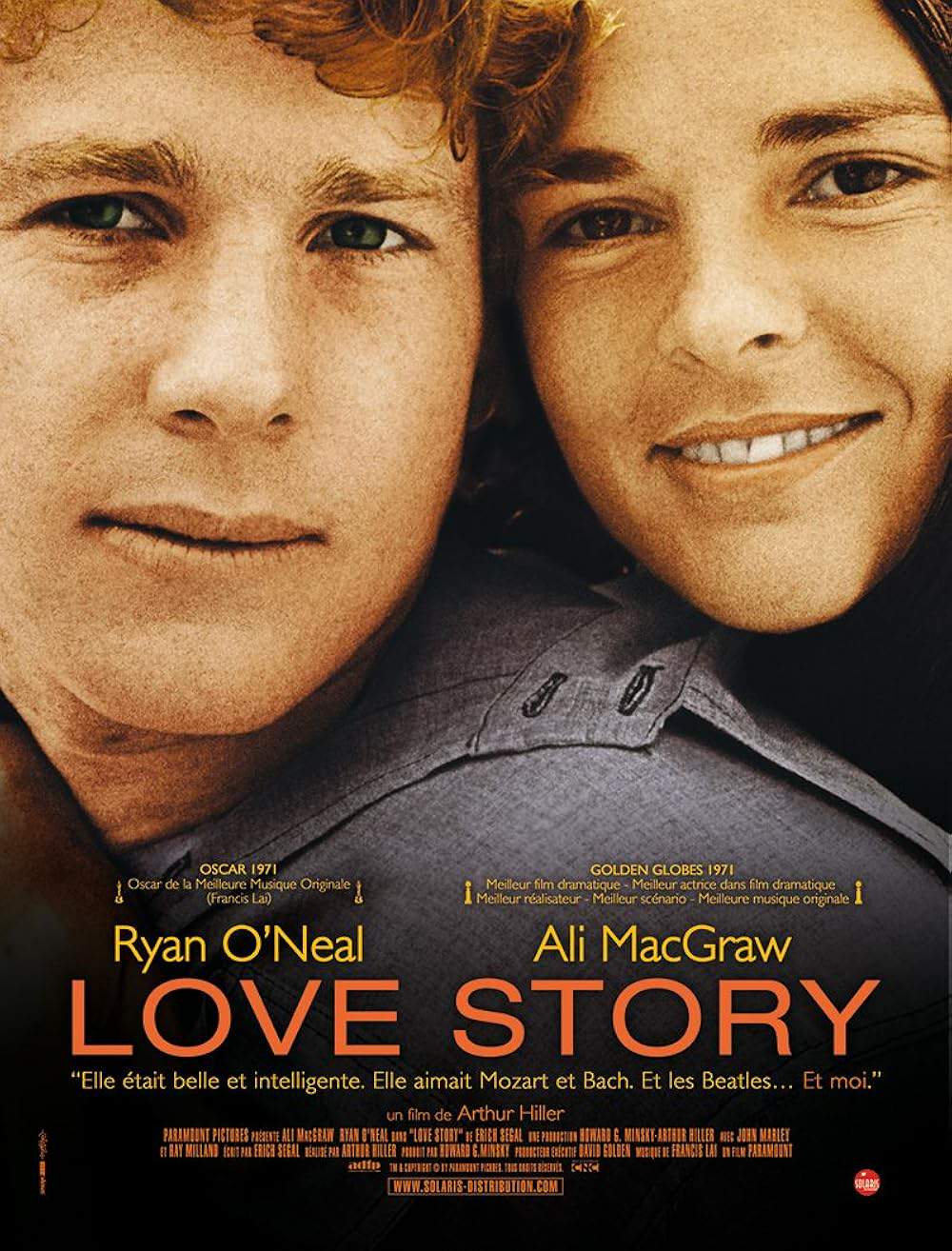
Stories where a protagonist's life is revisited through poignant, non-linear memories.Discover movies like The 12 Days of Christine that explore a person's life through a mosaic of memories. These films often feature a non-linear narrative, a melancholic tone, and a heavy emotional focus on family, love, loss, and the bittersweet act of looking back.
These films often unfold non-linearly, presenting key moments from a character's past that initially seem disjointed. As the story progresses, the true context—often a death, a major life change, or a moment of deep reflection—is revealed, re-framing the memories into a powerful, coherent whole about the meaning of a life.
Movies are grouped here because they share a specific narrative structure and emotional goal: using the device of memory to explore a complete life journey. They prioritize emotional resonance over plot, creating a deeply reflective and often melancholic viewing experience centered on themes of time, regret, and acceptance.
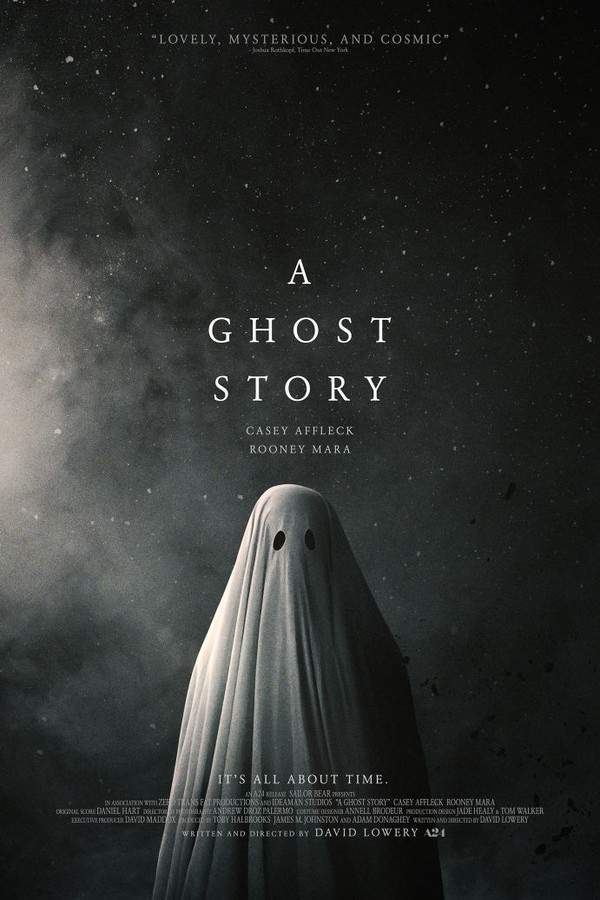
Where spectral presences are metaphors for profound loss and emotional trauma.If you liked The 12 Days of Christine, explore movies where a ghost or mysterious presence symbolizes deep emotional pain. These films blend drama with subtle supernatural elements, creating an unsettling and melancholic vibe focused on processing loss rather than pure fear.
The narrative often follows a protagonist who is haunted, either literally or figuratively, by a presence tied to a past tragedy or their own impending death. The supernatural mystery is slowly unraveled, paralleling the character's emotional journey toward a painful realization or a form of closure, leading to a cathartic but sad resolution.
These movies are grouped by their unique blend of tone and theme. They use the language of ghost stories or psychological thrillers to tell deeply human dramas about coping with loss. The similarity lies in the melancholic mood, the steady pacing of revelation, and the high emotional weight of the core theme.
Don't stop at just watching - explore The 12 Days of Christine in full detail. From the complete plot summary and scene-by-scene timeline to character breakdowns, thematic analysis, and a deep dive into the ending - every page helps you truly understand what The 12 Days of Christine is all about. Plus, discover what's next after the movie.
Track the full timeline of The 12 Days of Christine with every major event arranged chronologically. Perfect for decoding non-linear storytelling, flashbacks, or parallel narratives with a clear scene-by-scene breakdown.
Discover the characters, locations, and core themes that shape The 12 Days of Christine. Get insights into symbolic elements, setting significance, and deeper narrative meaning - ideal for thematic analysis and movie breakdowns.