Plot Explained Spoilers guaranteed!
Plot Explained

Browse by genre

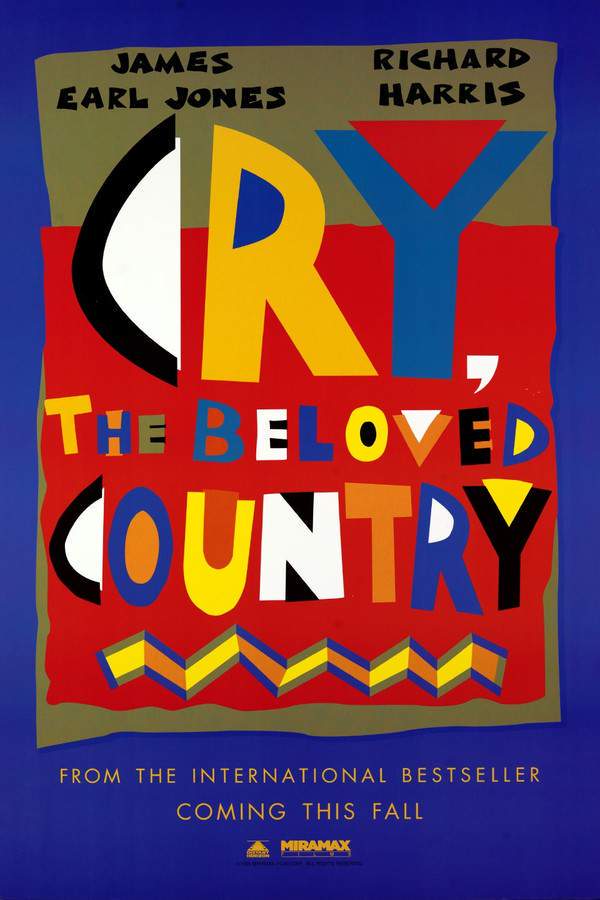
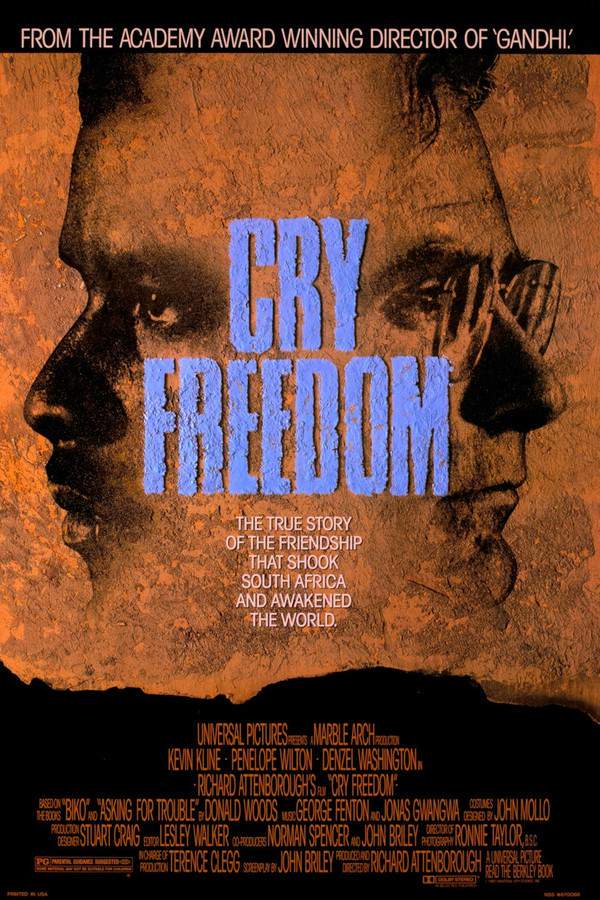
Cry Freedom (1987) movie poster

Timeline

Cry Freedom (1987) Timeline Explained – Every Event in Order

Release, runtime and language
1987 · 157 min · English
Loading streaming availability…
Directed by
Richard Attenborough
Starring
Denzel Washington, Kevin Kline, Josette Simon, Kevin McNally, Evelyn Sithole, James Coine

During the turbulent era of apartheid in South Africa, journalist Donald Woods develops a close relationship with the charismatic activist Steve Biko. Following Biko's death in police custody, Woods becomes increasingly outspoken and is placed under house arrest. Faced with escalating persecution and fearing for his family's safety, he makes the difficult decision to flee the country, determined to expose the truth about the systemic injustice and fight for freedom and equality.

On this page (6)
  1. 1 Where to watch
  2. 2 Events in order (15)
  3. 3 Timeline questions answered
  4. 4 Movie threads
  5. 5 Movies like Cry Freedom
  6. 6 Every angle
Loading streaming availability…

15 events in order · contains spoilers

Cry Freedom Timeline: Events in Chronological Order

Every key event of Cry Freedom (1987) in order, scene by scene, with when and where it takes place. Use it to untangle flashbacks, time jumps and parallel storylines, to refresh your memory before the sequel or to find the exact scene you are thinking of.

  1. Donald Woods Discovers Steve Biko

    Following an exposé on the destruction of a notorious slum in East London, South Africa, journalist Donald Woods becomes intrigued by the anti-apartheid activist Steve Biko. Their initial interactions reveal a clash of ideologies, yet Woods is drawn to Biko's unwavering commitment to nonviolent resistance.

    Where
    East London, South Africa
  2. Tour of Black Townships

    Biko invites Woods to witness the dire conditions in impoverished black townships, helping him grasp the harsh realities caused by apartheid. As they explore these communities, Woods starts aligning with Biko’s vision for a more equitable South Africa.

    Where
    Impoverished Black Townships
  3. Biko Addresses the Masses

    Biko delivers a stirring address outside his banning area, igniting a passionate response from the crowd and calling for social change. This act of bravery, however, leads to immediate backlash from the authorities.

  4. Biko's Arrest

    Informed on by an untrustworthy source, Biko is apprehended by security forces following his powerful speech. This marks the beginning of a dangerous struggle as he faces brutal interrogation and is summoned to court.

  5. Biko's Court Speech

    Despite the oppressive atmosphere, Biko bravely articulates the need for nonviolent resistance in court. His passionate defense encapsulates the spirit of the anti-apartheid movement, resonating with resilience against the system.

    Where
    Court
  6. Woods Intervenes on Behalf of Biko

    As Biko's church is besieged by security forces, Woods takes a courageous stand by arranging a meeting with Justice Minister Jimmy Kruger. This confrontation highlights the lengths Woods is willing to go to protect his friend.

    Where
    Meeting with Jimmy Kruger
  7. Biko's Brutal Treatment

    While imprisoned, Biko suffers severe injuries during brutal beatings, leading to lasting harm. The authorities refuse to provide necessary medical care, fearing potential escapes, which exacerbates his declining health.

    Where
    Prison
  8. Biko's Tragic Death

    Biko tragically succumbs to his injuries while in custody, his death marking a pivotal moment in the anti-apartheid struggle. This event prompts Woods to take decisive action, determined to expose the truth behind the circumstances.

    Where
    Police Custody
  9. Woods Faces Harassment

    In the wake of Biko's death, Woods faces relentless harassment from South African security forces. This includes targeted attacks on his home, serving as a terrifying reminder of the government's oppressive grip.

    Where
    Woods' Home
  10. Escape to Britain

    Determined to reveal the truth, Woods devises a plan to seek asylum in Britain. Disguising himself as a priest, he navigates the dangerous path away from South African authorities toward safety.

  11. Journey to Lesotho

    Woods successfully flees to Lesotho, where he is eventually reunited with his family. This journey is fraught with challenges and necessitates covert tactics to avoid detection by security forces.

    Where
    Kingdom of Lesotho
  12. Collaboration with Journalists and Officials

    With the help of Australian journalist Bruce Haigh and the British High Commission in Maseru, Woods negotiates his passage out of Africa. Their collaboration underscores international solidarity against oppression.

    Where
    Maseru
  13. Successful Asylum in London

    Woods finally arrives in London after a treacherous escape that involved traveling through South African and Botswana territories. Once in the UK, he and his family are granted political asylum, marking a new chapter in their lives.

    Where
    London
  14. Reflection on Biko's Legacy

    The film concludes with a poignant reflection on the sacrifices made by anti-apartheid activists like Biko, whose lives were extinguished in a struggle for justice. Their legacy serves as a call to continue fighting against oppression.

  15. Echoes of Resistance

    As the haunting melody of *Nkosi Sikelel' iAfrika* plays, viewers are invited to ponder the ongoing repercussions of apartheid and the tireless spirit of resistance that persists. The final scenes elevate Biko's message, prompting introspection about the human cost of injustice.

Last updated: November 21, 2024 at 11:18

Was this helpful?

Timeline questions answered

Cry Freedom Timeline Explained: Your Questions Answered

When does it happen, and why in that order? The questions people ask about the chronology of Cry Freedom (1987): time jumps, flashbacks, cause and effect between scenes and the correct order of events, each answered with spoilers.

Q1

Why did Donald Woods become interested in Steve Biko?

After writing an exposé about the destruction of a notorious slum in East London, South Africa, Donald Woods became intrigued by Steve Biko, the banned anti-apartheid activist. Despite initially opposing Biko's political beliefs and his banning, Woods was captivated by Biko's steadfast dedication to nonviolent resistance and accepted an invitation to tour impoverished black townships with him.

Foreshadowing: Earlier in the film, Woods' exposé on the slum destruction hints at his growing awareness of government oppression.

  • donald woods
  • steve biko
  • apartheid
  • black consciousness movement
  • journalist
Q2

What did 'banning' mean for Steve Biko?

Banning was a political repression tactic used by the apartheid government that restricted a person's movement and public speech. Biko was confined to a limited 'banning area' and prohibited from speaking publicly or associating with other activists. Despite these restrictions, Biko continued to organize and inspire the Black Consciousness Movement, which eventually led to his arrest.

  • steve biko
  • banning
  • apartheid
  • black consciousness
  • political repression
Q3

How did Steve Biko die in police custody?

While imprisoned, Biko was severely beaten during brutal interrogations, causing irreversible brain damage. When doctors recommended specialized treatment, authorities refused, fearing he might escape. Instead, they transported him 700 miles to a police hospital in Pretoria, where he died from his injuries. The South African government claimed he died from a hunger strike, but evidence showed he died from the beating.

Foreshadowing: The film earlier shows Biko being subjected to relentless interrogation after his arrest.

  • steve biko death
  • police custody
  • brain damage
  • Pretoria
  • interrogation
  • apartheid
Q4

Why did the authorities refuse medical treatment for Biko?

The South African authorities refused to provide Biko with necessary medical care because they feared he would use hospitalization as an opportunity to escape. This decision directly contributed to his death, as his brain injuries went untreated during the grueling 700-mile journey from Cape Town to Pretoria.

  • medical treatment
  • biko
  • escape
  • pretoria
  • police custody
  • negligence
Q5

Why was Donald Woods harassed after Biko's death?

After Biko died, Woods became determined to expose the police's involvement in his death. In response, South African security forces launched a campaign of harassment against him and his family. This included gunfire into their home, vandalism, and sending tormenting packages, including shirts with Biko's image coated in itching powder. Woods was also banned from leaving the country.

Foreshadowing: Earlier, Jimmy Kruger threatens Woods after he intervenes on Biko's behalf.

  • donald woods
  • harassment
  • security forces
  • family
  • apartheid
  • persecution
Q6

How did Donald Woods escape South Africa?

Woods disguised himself as a priest to evade detection and successfully fled to the Kingdom of Lesotho. With help from Australian journalist Bruce Haigh, the British High Commission in Maseru, and Lesotho's government, he secured United Nations passports. The escape route traversed South African territory through Botswana before finally reaching London, where he and his family were granted political asylum.

  • donald woods escape
  • lesotho
  • bruce haigh
  • political asylum
  • london
  • botswana
Q7

What role did Bruce Haigh play in Woods' escape?

Australian journalist Bruce Haigh assisted Donald Woods by coordinating with the British High Commission in Maseru and the Lesotho government to arrange his safe passage out of South Africa. This collaboration involved securing United Nations passports and coordinating the logistics of the dangerous escape route through Botswana.

  • bruce haigh
  • australian journalist
  • british high commission
  • maseru
  • escape assistance
Q8

Why did Donald Woods decide to flee South Africa?

Woods decided to flee after Biko's death because he was determined to reveal the truth about the racist and oppressive nature of the South African government to the international community. Facing escalating persecution, including being banned from leaving and relentless harassment of his family, he concluded that exile was the only way to continue fighting for freedom and equality.

Foreshadowing: After Biko's death, Woods explicitly states he must expose the truth about the police involvement.

  • donald woods
  • exile
  • truth
  • freedom
  • apartheid
  • international community
Q9

What was Biko's court speech about?

During his court appearance, Biko eloquently championed the cause of nonviolent resistance against apartheid. Despite the oppressive atmosphere, he articulated the burning passion that fueled his movement, defending the Black Consciousness Movement's philosophy and calling for social change through peaceful means.

  • steve biko
  • court speech
  • nonviolent resistance
  • black consciousness
  • apartheid
Q10

Why did Donald Woods meet with Jimmy Kruger?

Woods met with Justice Minister Jimmy Kruger to intervene on Biko's behalf after Biko's church came under siege from security forces. Woods was attempting to halt the violence and protect his friend. The confrontation placed Woods under threat of harassment, suggesting the orders came directly from Kruger himself.

  • jimmy kruger
  • donald woods
  • meeting
  • justice minister
  • intervention
  • biko
Q11

What does the ending signify about Biko's legacy?

The film concludes with a poignant reflection on the sacrifices made by anti-apartheid activists like Biko, who died in government custody under dubious circumstances. As *Nkosi Sikelel' iAfrika* plays, the ending emphasizes the devastating cost of oppression while celebrating the indomitable human spirit that continues to resist injustice.

Foreshadowing: The entire narrative builds toward this reflection on Biko's tragic death and its impact.

  • biko legacy
  • ending
  • nkosi sikelel iafrika
  • apartheid
  • sacrifice
  • resistance

Movie threads

More Movies Like Cry Freedom, by Mood & Story

Curated lists built around what makes Cry Freedom tick: the same mood, the same kind of story or the same emotional payoff. Each list explains why these movies belong together.

Movies about Activist Journalists like Cry Freedom

True stories of courageous individuals documenting atrocities and fighting tyranny. If you were moved by the true story in Cry Freedom, explore these films about journalists and activists confronting oppressive systems. These movies feature similar themes of courage, documentation of injustice, and the perilous fight for truth against authoritarian governments.

  • urgent
  • gripping
  • determined
  • fearful
  • somber
  • hopeful
  • Tone: dark, urgent, determined
  • Pacing: steady, driven
Why these movies?

The story pattern: These stories typically follow a linear, character-driven path from initial awareness to active, dangerous involvement. The protagonist, often an outsider at first, becomes deeply entangled in a political struggle, leading to persecution and a climactic fight for survival or to expose the truth to the world.

Why they belong together: Movies in this thread share a core focus on the role of truth-telling in the face of overwhelming power. They create a cohesive experience through their high-stakes narratives, morally unambiguous conflicts, and a tone that blends dread with determined hope.

Bittersweet Historical Dramas like Cry Freedom

Sobering true stories where hard-won victories are shadowed by profound loss. For viewers seeking more impactful historical stories like Cry Freedom, this list features films that tackle difficult chapters of history. They share a similar blend of a dark, oppressive tone, a straightforward dramatic narrative, and an ending that feels bittersweet—a mix of hard-won hope and somber reflection.

  • somber
  • melancholic
  • oppressive
  • hopeful
  • gripping
  • determined
  • Tone: dark, somber, bittersweet
  • Pacing: steady, immersive
Why these movies?

The story pattern: The narrative pattern involves immersing the viewer in a dark period of history through a personal story. The journey is one of awakening and struggle against an immense force, leading to a conclusion that offers a measure of justice or escape but is permanently marked by the trauma and loss experienced along the way.

Why they belong together: These films are grouped by their shared emotional weight, dark historical settings, and a specific kind of ending. They provide a similar viewing experience: emotionally draining yet ultimately meaningful, leaving the audience with a complex mix of sorrow for the past and admiration for human courage.

If you liked this

Movies Like Cry Freedom

Similar movies to Cry Freedom: the same genre, themes or kind of story. Each one comes with its own plot summary, timeline and ending explained.

Browse all movie summaries

Every angle

Cry Freedom (1987) Explained: Plot, Timeline & Characters

Everything about Cry Freedom in one place: what happens in the plot summary, the timeline in chronological order, the characters and meaning and a spoiler-free summary. What's After the Movie adds the cast, box office and post-credit scenes.

Coming soon on iOS and Android

The Plot Explained Movie Summary App

Plot summaries, endings explained and timelines on your phone. Catch up on any movie in minutes, save your favorites and never miss a twist again.

Be the first to know when we launch. Your email stays private, always.

Learn more about the app