Plot Explained Spoilers guaranteed!
Plot Explained

Browse by genre

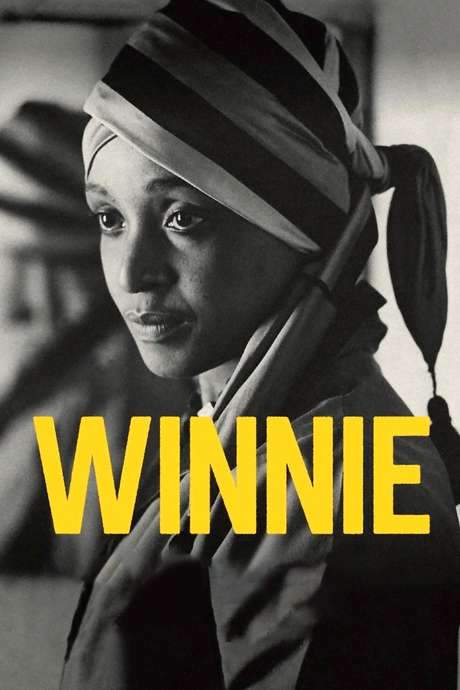
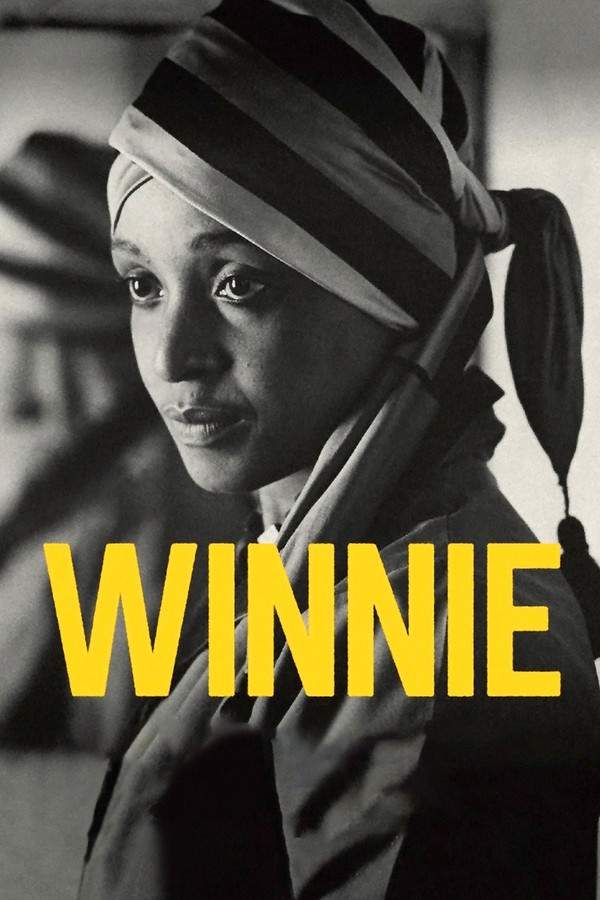
Winnie Mandela (2013) movie poster

Plot Summary

Winnie Mandela (2013) Plot Summary Explained

Release, runtime and language
2013
Directed by
Darrell Roodt

This powerful biopic explores the life of Winnie Mandela, focusing on her years of activism and imprisonment during her husband Nelson Mandela's fight against apartheid. Faced with immense pressure and personal sacrifice, she demonstrates incredible strength and determination while enduring political isolation and public scrutiny. The film examines both her contributions to the anti-apartheid movement and the controversies that arose during a turbulent period in South African history, offering a complex portrait of a woman who became a symbol of resistance.

On this page (6)
  1. 1 Where to watch
  2. 2 What happens: full plot
  3. 3 Plot questions answered
  4. 4 Movie threads
  5. 5 Movies like Winnie Mandela
  6. 6 Every angle

Where to watch

Where to Watch Winnie Mandela (2013)

Where can you watch Winnie Mandela? Stream, rent or buy it in the US, including on ALLBLK, ALLBLK Amazon channel and Philo: current JustWatch availability with up-to-date prices.

Streaming availability powered by JustWatch

Full plot summary · contains spoilers

What Happens in Winnie Mandela: Full Plot Summary

The whole story of Winnie Mandela (2013) explained, from the opening scene to the final frame: every key event, every twist and what it all adds up to. Read it as a quick recap before the sequel, to check a scene you missed, or to finally understand what really happened.

The film traces the life of Winnie Madikizela-Mandela, from a strict rural upbringing that begins with a father who longs for a son, to a choice that alters the nation’s history: she gives up a possible study abroad in America to stay in South Africa where she feels she can make a greater impact. Throughout the story, her decisions are shown as acts of personal sacrifice in service of a larger struggle, and the narrative keeps a steady, humane focus on her commitment to her people and to a country fighting for freedom.

As the years unfold, the movie follows her through the turbulence of Nelson Mandela’s imprisonment and the escalating fight against apartheid. Winnie endures relentless harassment by the security police, experiences banishment to a small town in the Orange Free State, and faces betrayals from friends and allies. The film does not sugarcoat the toll of resistance, portraying more than a year spent in solitary confinement and the emotional weight of isolation, resistance, and endurance.

Upon her release, the story shows her continuing activism with renewed intensity, even as she moves within precarious social circles—her protection sometimes provided by members of her own football club, a detail that underscores the volatile intersections of politics, power, and street-level life in the apartheid era. The personal and political collide as her public life grows more controversial; after Nelson Mandela is freed, the couple faces personal strain that leads to divorce, illuminating the human costs embedded in long struggles for justice.

The plot also places Winnie within the contentious accusations that swirl around her football club, including claims of violence and murder. The film places these charges in the context of a broader fight for dignity and rights, presenting them without excusing wrongdoing but insisting on a nuanced portrayal of a figure who remained steadfast in her pursuit of equality. In the climactic moments, she appears before the apartheid truth and reconciliation committee to address her actions in a courtroom setting, a scene that invites reflection on accountability, memory, and the difficult path toward healing.

In the audience, supporters from the South African Women’s League—an organization she helped lead—signal the film’s core message: a commitment to anti-apartheid struggle and to women’s rights, and the belief that her life story embodies both the cost of resistance and the enduring fight for justice. Overall, the movie presents a balanced, empathetic portrait of a woman at the center of South Africa’s most turbulent decades, illustrating how personal courage and public activism can intertwine in a nation’s ongoing pursuit of freedom and equality.

Last updated: March 05, 2026 at 18:42

Was this helpful?

Plot questions answered

Winnie Mandela Plot Explained: Your Questions Answered

The questions people ask most about Winnie Mandela (2013): what happens in the confusing scenes, why the characters do what they do, the twists, hidden details and what the ending means. Each answer contains spoilers.

Q1

Why did Winnie Madikizela give up studying in America?

She chose to forgo a chance to study in America to remain in South Africa where she felt she could make a greater impact. This decision marked a shift from personal ambition to public service, as she believed her presence was more needed in the fight against apartheid.

Foreshadowing: Her rural upbringing instilled a deep sense of duty toward family and community that foreshadowed this sacrifice.

  • study abroad
  • America
  • sacrifice
  • activism
  • South Africa
Q2

What happened to Winnie Mandela during her banishment?

She was banished to a small town in the Orange Free State as punishment for her activism. The isolation kept her away from urban centers where she could mobilize support, yet she continued her resistance work despite being separated from her base of operations.

Foreshadowing: Earlier harassment by security police had already targeted her activism, leading to this escalated punishment.

  • banishment
  • Orange Free State
  • isolation
  • activism
Q3

Why was Winnie Mandela imprisoned and what did she endure?

She was imprisoned for her activism against apartheid. During this time, she endured more than a year in solitary confinement, a brutal measure used by the state to curb dissent and break her spirit. The harsh conditions highlighted the extreme toll of resistance.

Foreshadowing: Her banishment and relentless harassment by security police escalated to this imprisonment as the state intensified its pressure.

  • imprisonment
  • solitary confinement
  • apartheid
  • torture
Q4

What was the controversy surrounding Winnie Mandela's football club?

The football club she was associated with became controversial when its members provided her protection but were accused of violence and murder. The allegations reflected the era's turbulence and the controversial methods some activists used during the struggle, leading to legal and political scrutiny against her.

Foreshadowing: After her release from prison, she operated under the protection of these club members, blurring lines between protection and intimidation.

  • football club
  • violence
  • murder
  • accusations
  • protection
Q5

Why did Winnie and Nelson Mandela divorce?

After Nelson Mandela was released from prison in 1990, the couple divorced. Their separation reflected the personal cost of decades of imprisonment, separation, and the immense pressures of their political struggle, even as both remained committed to the anti-apartheid cause.

Foreshadowing: The years of Winnie enduring harassment, banishment, and imprisonment while Nelson was imprisoned had already strained their relationship.

  • divorce
  • Nelson Mandela
  • 1990
  • separation
Q6

What happened at Winnie Mandela's Truth and Reconciliation Commission hearing?

At the end of the film, she appeared before the apartheid Truth and Reconciliation Commission to address her actions in a courtroom setting. This moment invited reflection on accountability, memory, and the difficult path toward healing, as she acknowledged her own culpability in violence while maintaining her commitment to the struggle.

Foreshadowing: The accusations of violence and murder surrounding her football club led to this public reckoning.

  • Truth and Reconciliation Commission
  • accountability
  • hearing
  • court
Q7

How did Winnie Mandela's childhood influence her later activism?

She grew up in a strict rural setting where her father was disappointed she wasn't born a boy. This upbringing left a lasting imprint on her sense of duty toward family and community, foreshadowing her later commitment to collective struggle and her determination to prove herself.

Foreshadowing: This early experience of striving against expectations directly shaped her refusal to accept injustice.

  • childhood
  • rural
  • father
  • duty
  • community
Q8

What harassment did Winnie Mandela face from security police?

Throughout the anti-apartheid struggle, she endured relentless harassment by the security police targeting her activism. The state's pressure intensified over the years, taking a severe personal toll and revealing the high price of standing up to apartheid.

Foreshadowing: This harassment began shortly after her marriage to Nelson Mandela and his imprisonment.

  • security police
  • harassment
  • apartheid
  • intimidation
Q9

Why was Winnie Mandela betrayed by friends and allies?

The film shows betrayal by friends and allies who drifted away or opposed her cause during the anti-apartheid struggle. This fracturing within anti-apartheid circles tested her leadership and commitment as she navigated suspicion and pressure from those who once supported her.

Foreshadowing: The intense political pressure from the state created rifts within movement circles.

  • betrayal
  • friends
  • allies
  • anti-apartheid
  • suspicion
Q10

Who supported Winnie Mandela at the Truth and Reconciliation Commission?

Supporters from the South African Women's League, an organization she helped lead, cheered her in the audience. This public display of support recognized her advocacy for women's rights and her fight against apartheid, underscoring her legacy as celebrated by those she inspired.

Foreshadowing: Her earlier commitment to women's rights was a consistent thread throughout her activism.

  • South African Women's League
  • support
  • women rights
  • audience

Movie threads

More Movies Like Winnie Mandela, by Mood & Story

Curated lists built around what makes Winnie Mandela tick: the same mood, the same kind of story or the same emotional payoff. Each list explains why these movies belong together.

Inspiring stories of political resilience like Winnie Mandela

Stories of incredible personal strength and sacrifice against systemic injustice. This section features movies like 'Winnie Mandela' that follow individuals showing incredible strength against oppressive regimes. If you were moved by the story of endurance and sacrifice for a political cause, these films offer similar powerful journeys.

  • defiant
  • oppressive
  • tense
  • resilient
  • somber
  • isolating
  • Tone: dark, tense, defiant
  • Pacing: steady, linear
Why these movies?

The story pattern: Movies in this thread typically follow a linear or episodic biographical structure, often spanning years or decades. The narrative focuses on the protagonist's escalating struggle against an overwhelming system, highlighting the immense personal cost of their activism through imprisonment, isolation, and psychological torment.

Why they belong together: These films are grouped together because they share a profound focus on human resilience in the face of immense political adversity. They create a heavy, tense viewing experience centered on sacrifice, moral complexity, and the immense personal toll of fighting injustice.
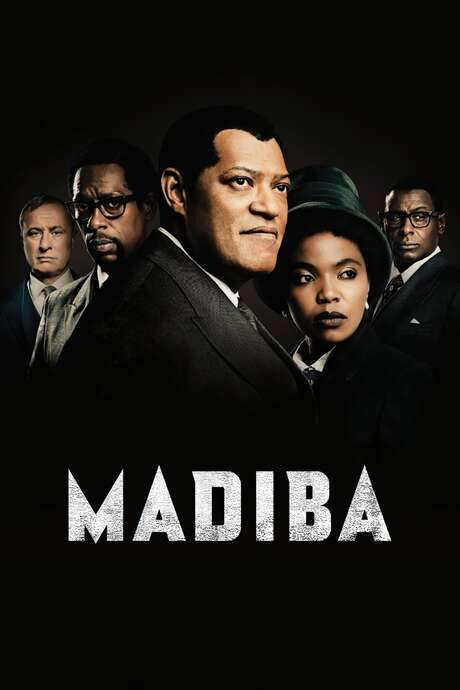
Complex and morally ambiguous biopics like Winnie Mandela

Historical portraits where moral victories are tempered by personal failings. Explore movies like 'Winnie Mandela' that tell the stories of real-life figures whose legacies are as complex as they are celebrated. If you appreciate biopics that don't shy away from controversy and moral nuance, these films provide a similarly layered viewing experience.

  • bittersweet
  • morally complex
  • gritty
  • somber
  • tense
  • nuanced
  • Tone: bittersweet, morally complex
  • Pacing: steady
Why these movies?

The story pattern: These narratives often cover a long span of a person's life, tracking their rise alongside their compromises or controversial decisions. The plot structure frequently builds toward a final act that forces the protagonist and audience to acknowledge the full moral weight of their actions, leading to a victory that feels deeply complicated.

Why they belong together: This thread unites films that achieve a powerful, bittersweet tone by refusing to simplify history. They resonate because they explore the full humanity of their subjects—flawed, complex, and ultimately accountable for their actions, even in the midst of celebrated achievements.
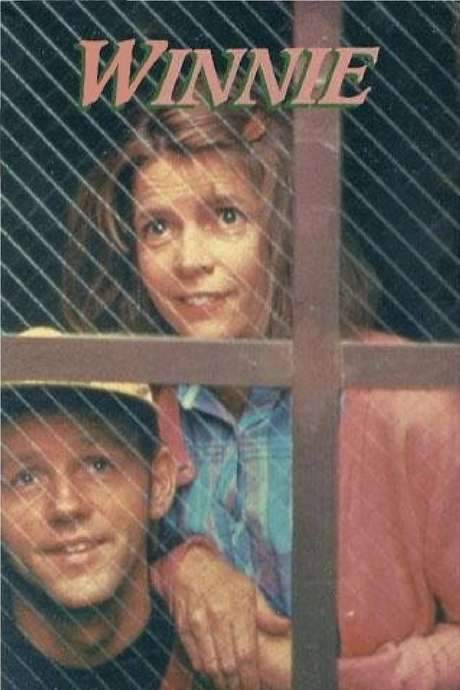
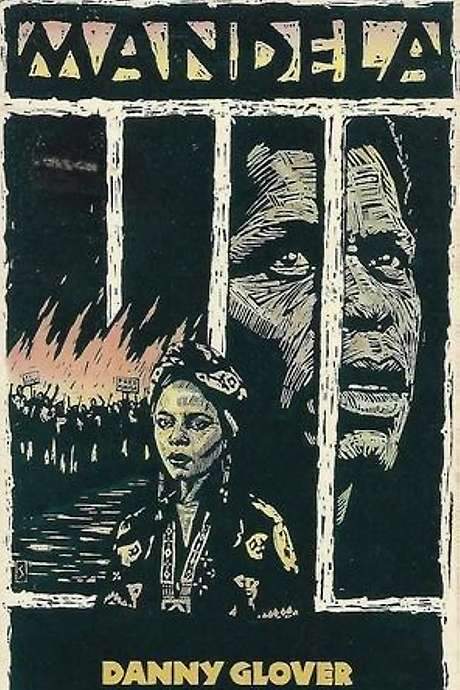
If you liked this

Movies Like Winnie Mandela

Similar movies to Winnie Mandela: the same genre, themes or kind of story. Each one comes with its own plot summary, timeline and ending explained.

Browse all movie summaries

Every angle

Winnie Mandela (2013) Explained: Plot, Timeline & Characters

Everything about Winnie Mandela in one place: what happens in the plot summary, the timeline in chronological order, the characters and meaning and a spoiler-free summary. What's After the Movie adds the cast, box office and post-credit scenes.

Coming soon on iOS and Android

The Plot Explained Movie Summary App

Plot summaries, endings explained and timelines on your phone. Catch up on any movie in minutes, save your favorites and never miss a twist again.

Be the first to know when we launch. Your email stays private, always.

Learn more about the app