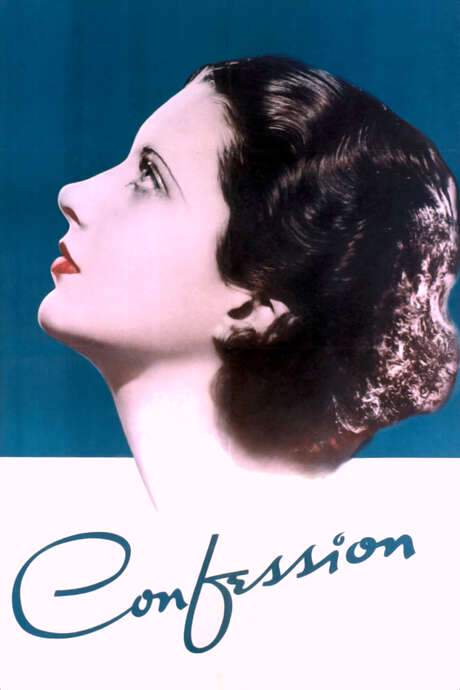
Artur Ludvik, alias Gérard, a loyal communist and WWII hero, Yves Montand portrays the man who in 1951 serves as the vice-minister of Foreign Affairs of Czechoslovakia. He soon realizes he is being watched and followed, and he gathers with a tight circle of friends who also hold top government positions. They discover that their every move is monitored, even by the chief of the StB, the secret police responsible for the surveillance.
One day, Artur is arrested by a group that proclaims itself “above the ruling party,” and he is jailed in solitary confinement for months without being told the charges. His wife Lise, Simone Signoret playing a central role in his life, and their children are kept in the dark by the state, told only to cooperate for their own protection. Lise loses her job as a prominent radio news announcer and is compelled to work in a factory, yet she remains convinced of her husband’s integrity and the party’s claimed wisdom and benevolence.
During confinement, Artur endures brainwashing techniques: sleep deprivation, forced pacing, and relentless psychological pressure designed to break his will. He is nudged toward confessing imaginary crimes, including treason, while his friends are also arrested and pressured to implicate him. The authorities feed him a mix of flattery and fear, coaching him to recite memorized replies, and he is kept physically healthy with nourishing meals, vitamin injections, and a sunlamp to restore his appearance after years of hardship.
The regime stages a public trial, broadcast on the radio and later shown in cinemas. As the courtroom drama unfolds, Lise is pressured to record a statement disowning her husband and praising the party, a confession that is aired to the public. The prisoners are condemned to death or life imprisonment, with Artur receiving the latter. Lawyers appointed for the defense tell them the penalties are theatrical and will not be enforced if they do not appeal, and the prisoners reluctantly accept their sentences after a final appearance in court.
In the years that follow, some of the prisoners are gradually freed and rehabilitated between 1956 and 1963, while others are executed and cremated, their ashes scattered along a road. Behind the scenes, several boxtone figures of power face consequences too, including Kohoutek, Artur’s interrogator. Artur later encounters the demoted Kohoutek, who tries to minimize his role by insisting he merely followed orders and did not truly understand the party’s aims.
Decades later, in 1968, Artur publishes his memoirs recounting the ordeal. He returns to Czechoslovakia amid the simmering Prague Spring, hoping the truth will emerge. Yet his arrival coincides with the Warsaw Pact invasion, casting a shadow over his bid to reveal the truth and marking a grim end to his immediate hopes for reform.