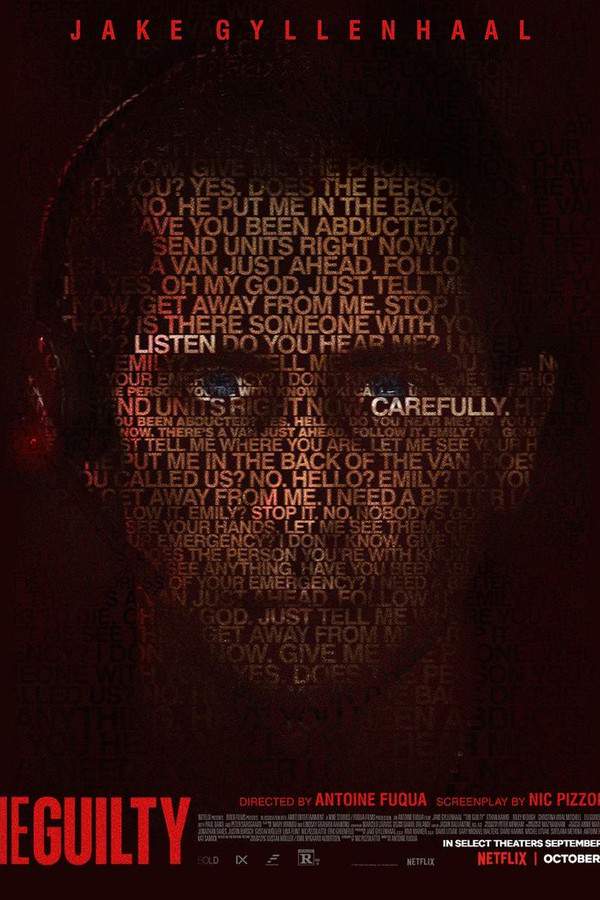
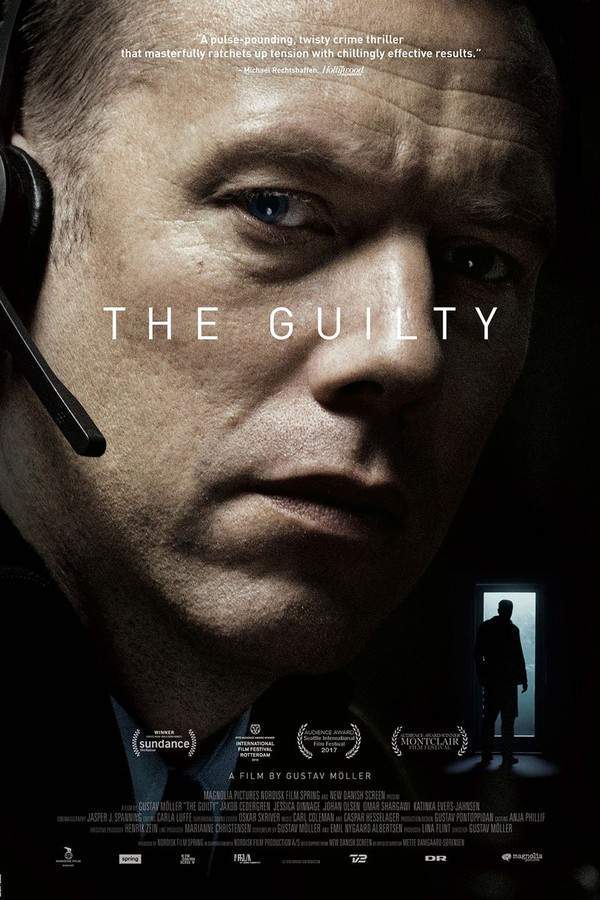
The narrative arc of The Guilty hinges on a subversion of expectations that forces the protagonist, Joe Baylor, to confront his own biases. For the majority of the film, Joe operates under the assumption that he is the heroic savior of a woman named Emily, who he believes has been abducted by her abusive ex-husband, Henry. The plot twists when it is revealed that Henry was actually trying to help Emily, who is suffering from a severe psychotic break. Her terrified description of "getting the snakes out" of her son Oliver leads Joe to the horrifying realization that she, not Henry, is the danger to her children. This revelation dismantles Joe's self-image; he spent the investigation judging Henry based on a criminal record and his own anger, projecting a villainy that did not exist. The climax sees Joe talking Emily down from suicide, not by giving orders, but by admitting his own failures, telling her, "I put you up on that overpass." By taking responsibility for his role in the chaotic misunderstanding, he convinces her to choose life, ensuring both she and her son survive.
This emergency serves as a catalyst for Joe to address his own pending legal crisis. Throughout the movie, Joe is preparing for a hearing regarding a shooting incident that occurred while he was on patrol. We learn that he killed a 19-year-old named Joseph, an act he admits was born not out of necessity, but out of a desire to "punish." Joe’s character is defined by a intense self-righteousness and a need for control, qualities that led him to advise Emily to attack Henry with a brick—a reckless command that endangered everyone involved. The parallel between his mishandling of Emily's call and his past actions becomes undeniable. He recognizes that his anger and rush to judgment are dangerous liabilities. Consequently, the film concludes with Joe making a choice that defies the typical insular culture of law enforcement. Instead of accepting the cover-up story his colleagues prepared for him, he pleads guilty to the shooting.
The ending reinforces the film’s central theme, introduced by the epigraph "The truth shall set you free." The Guilty suggests that true redemption requires stripping away self-deception. Joe spends the movie hiding behind a badge and a narrative where he is the victim or the hero, but the truth about Emily and Henry shatters that illusion. By pleading guilty, Joe finally accepts the truth about himself and his capacity for violence. It is a moment of profound clarity where he prioritizes moral accountability over self-preservation, finally stepping out of the dispatch center—and his own denial—to face the consequences of his actions.