Plot Explained Spoilers guaranteed!
Plot Explained

Browse by genre

Guilty (2020) movie poster

Plot Summary

Guilty (2020) Plot Summary & Ending Explained

Release, runtime and language
2020 · 118 mins · Mongolian
Echo score 58
JustWatch #34,795 1
Directed by
Bat-Ulzii Osor
Starring
Odonchimeg Battsengel, Bayarbat Mishigdorj, Barslkhagva Batbold

When the niece of a leading politician is kidnapped, Majors Zelme and Buyan are assigned to lead the investigation. As the detectives delve deeper into the case, they uncover unexpected clues and must navigate a complex web of secrets to find her and bring the perpetrators to justice.

On this page (7)
  1. 1 Where to watch
  2. 2 What happens: full plot
  3. 3 Plot questions answered
  4. 4 How it ends
  5. 5 Movie threads
  6. 6 Movies like Guilty
  7. 7 Every angle

Where to watch

Where to Watch Guilty (2020)

Where can you watch Guilty? Stream, rent or buy it in the US, including on Netflix and Netflix Standard: current JustWatch availability with up-to-date prices.

Streaming availability powered by JustWatch

Full plot summary · contains spoilers

What Happens in Guilty: Full Plot Summary

The whole story of Guilty (2020) explained, from the opening scene to the final frame: every key event, every twist and what it all adds up to. Read it as a quick recap before the sequel, to check a scene you missed, or to finally understand what really happened.

Nanki Dutta is a songwriter for her boyfriend, Vijay "VJ" Pratap Singh's band, and she finds herself pulled into a murky storm of trust, truth, and trauma. When a new student, Tanu Kumar, who has a crush on VJ, joins the university and becomes part of the #MeToo conversation, she publicly accuses him on Twitter of a sexually assaultive act on the night of Valentine’s 2018. The film follows Nanki as she grapples with loyalty to the man she loves, the mounting pressure of the allegations, and the uneasy moral terrain of consent and accountability.

To sort through the conflicting accounts, Nanki seeks help from Danish Ali Baig, a lawyer who represents the other side of the story. As the legal proceedings unfold, we watch Nanki’s world tighten around her: she experiences frequent panic attacks and disturbing, sometimes vivid hallucinations tied to the remembered night. The courtroom drama intensifies as Danish Baig presents his case, and the tension in the air is thick with doubt, pain, and the fear of public judgment. Ultimately, the court case ends with the accused person being cleared, and VJ is released, a development that leaves Tanu feeling both vindicated and uneasy.

In a turn that reframes the entire narrative, VJ confesses to Nanki that he did sleep with Tanu, but he insists that he did not assault her. This admission plants further seeds of doubt in Nanki, who notices inconsistencies in the stories that justify the initial allegations. The atmosphere at the campus festival, a setting designed to showcase youth, celebration, and communal life, becomes the turning point. There, Tanu lays out the sequence of events in greater detail, exposing her intentions and the complexity of her feelings toward Vijay. As the threads of the case begin to align, Nanki works to untangle the truth from the noise and finally arrives at a startling realization: Tanu’s account contains elements of truth that were previously buried under rumors, misdirections, and fear.

What follows is a deliberate reckoning. Nanki pieces together the patterns and contradictions she has witnessed, and she comes to understand that Tanu’s initial tweet was not merely a one-sided accusation but part of a longer, more painful truth about Vijay. The film presents a powerful moment of reckoning as Vijay’s crime — framed within a web of manipulation and abuse — is brought to light, leading to his arrest. This pivotal sequence shifts the balance of power and forces a confrontation with the consequences of harmful actions.

In the aftermath, Nanki summons the courage to disclose her own long-silent wounds. Encouraged by a relieved and transformed Tanu, she shares her experience of sexual abuse from when she was thirteen years old. The film closes on a note of personal resilience and collective healing, underscoring how truth-telling can pave the way for accountability, closure, and the chance to begin healing from deep-seated trauma. Throughout, the story maintains a careful, restrained tone that respects the gravity of the subject matter while exploring the messy, human dimensions of memory, consent, and justice. This is a film about confronting difficult truths, learning to distinguish between accusation and evidence, and finding the strength to speak honestly about one’s own pain.

Last updated: February 25, 2026 at 08:20

Was this helpful?

Plot questions answered

Guilty Plot Explained: Your Questions Answered

The questions people ask most about Guilty (2020): what happens in the confusing scenes, why the characters do what they do, the twists, hidden details and what the ending means. Each answer contains spoilers.

Q1

Why was Vijay released from court in the movie Guilty?

Vijay was released because his lawyer Danish Ali Baig successfully presented a case that raised reasonable doubt about Tanu's allegations. The court found insufficient evidence to convict Vijay of sexual assault, leading to his acquittal. This verdict shocked both Tanu and Nanki, as it seemed to dismiss Tanu's account of the assault.

  • vijay released
  • court verdict
  • danish ali baig
  • not guilty
Q2

What did Tanu reveal at the campus festival in Guilty?

During the campus festival, Tanu presented a detailed account of what happened on Valentine's Night 2018. She explained the sequence of events and her motivations for coming forward with the accusation. This detailed revelation helped Nanki connect the dots and realize that Vijay had indeed assaulted Tanu, not merely slept with her consensually.

  • tanu revelation
  • campus festival
  • valentine's night
  • full story
Q3

How did Nanki discover the truth about Vijay in Guilty?

After hearing Vijay confess that he slept with Tanu but deny assaulting her, Nanki noticed inconsistencies in his story. At the campus festival, when Tanu revealed her detailed account, Nanki compared it with Vijay's confession and the evidence she'd gathered. She realized Tanu's version contained elements of truth that Vijay had hidden, leading her to conclude that Vijay had raped Tanu.

  • nanki discovery
  • truth
  • vijay rape
  • investigation
Q4

Why did Tanu publicly accuse Vijay on Twitter in Guilty?

Tanu, a new student who had a crush on Vijay, publicly accused him of sexual assault on Twitter as part of the campus #MeToo conversation. Her accusation came after what she claimed happened on Valentine's Night 2018, and she chose to speak out publicly rather than stay silent, though her initial tweet lacked the full details of what occurred.

  • tanu accusation
  • twitter
  • #metoo
  • sexual assault claim
Q5

What happens to Vijay at the end of Guilty?

After Nanki realizes Vijay raped Tanu, she reports his crime to the police. This leads to Vijay's arrest for sexual assault. The film ends with Vijay facing legal consequences for his actions, providing a sense of justice for both Tanu and Nanki.

  • vijay arrest
  • justice
  • crime reported
  • ending
Q6

Why did Nanki have panic attacks in Guilty?

Nanki experienced frequent panic attacks and disturbing hallucinations tied to her memories of the night in question. These psychological symptoms were triggered by the trauma of the investigation and her subconscious processing of uncomfortable truths about Vijay. Her mental state deteriorated as she grappled with doubt about the man she loved.

  • panic attacks
  • trauma
  • psychological distress
  • hallucinations
Q7

What was Nanki's secret in Guilty?

At the end of the film, Nanki revealed that she had been sexually abused when she was 13 years old. This personal trauma, which she had kept silent about for years, was the reason she was deeply affected by Tanu's case. Inspired by Tanu's courage to speak out, Nanki finally shared her own experience as part of her healing journey.

  • nanki abuse
  • childhood trauma
  • secret
  • survivor story
Q8

Why did Nanki support Tanu instead of Vijay in Guilty?

Initially, Nanki defended Vijay as his girlfriend and songwriter. However, after listening to Tanu's full account at the campus festival and noticing inconsistencies in Vijay's confession, Nanki believed Tanu's truth. She chose to report Vijay's crime to the police, standing with Tanu as a survivor supporter.

  • nanki support
  • tanu
  • betrayal
  • justice
Q9

What did Vijay confess to Nanki after being released in Guilty?

After the court released him, Vijay confessed to Nanki that he did sleep with Tanu on Valentine's Night 2018, but he insisted he did not assault her. This partial confession troubled Nanki because it contradicted his earlier denials and raised questions about what really happened that night.

  • vijay confession
  • slept with tanu
  • admission
Q10

What was Nanki's role in the legal case in Guilty?

Nanki became deeply involved in the investigation after her boyfriend Vijay was accused. She consulted lawyer Danish Ali Baig to understand the case, gathered information, and witnessed the courtroom proceedings. Her journey from Vijay's defender to his accuser formed the emotional core of the film.

  • nanki role
  • lawyer
  • danish ali baig
  • case involvement

Ending explained

What Happens at the End of Guilty?

How Guilty (2020) ends, in short: the final scene, the last twist and what it means for the characters. The full ending explained, with every spoiler, lives on its own page.

Read the full ending explained

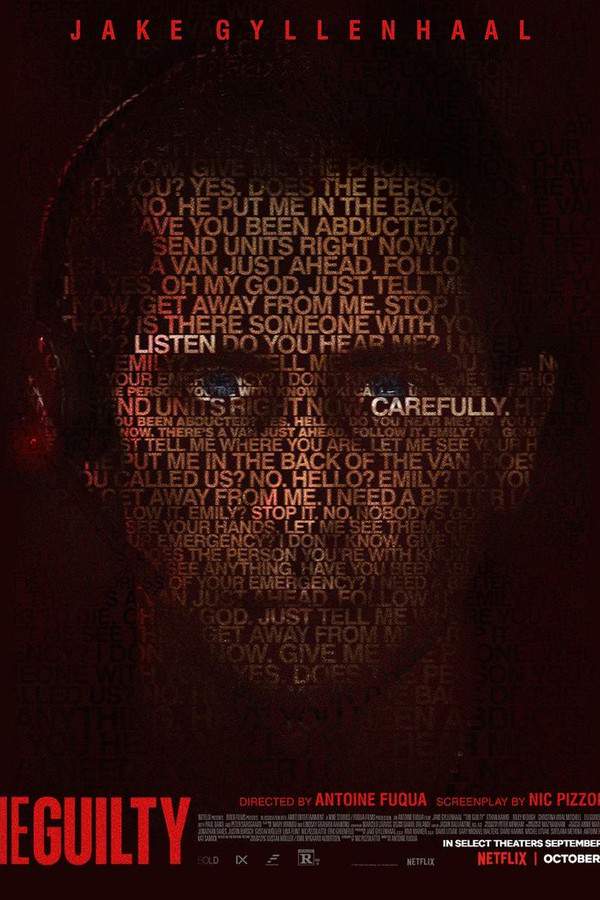
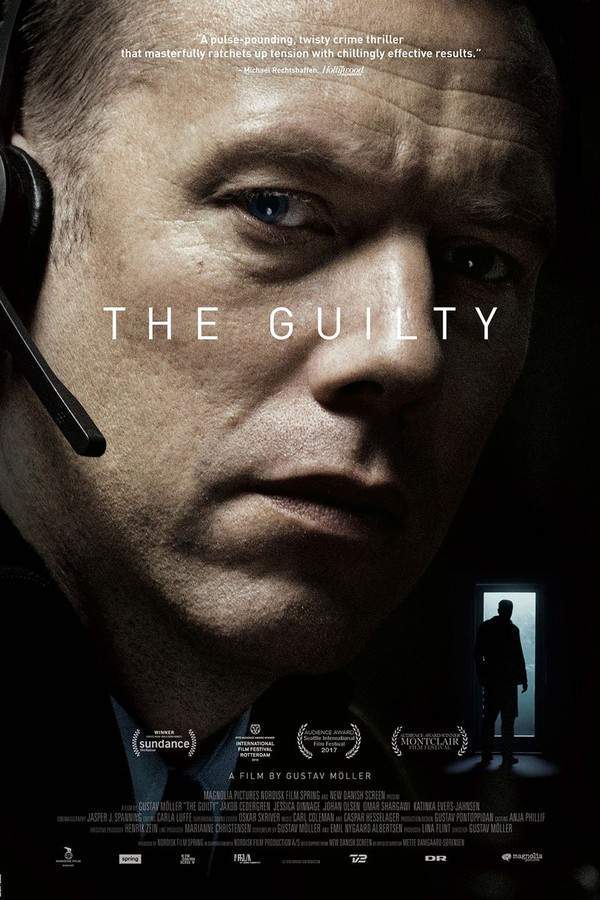
The narrative arc of The Guilty hinges on a subversion of expectations that forces the protagonist, Joe Baylor, to confront his own biases. For the majority of the film, Joe operates under the assumption that he is the heroic savior of a woman named Emily, who he believes has been abducted by her abusive ex-husband, Henry. The plot twists when it is revealed that Henry was actually trying to help Emily, who is suffering from a severe psychotic break. Her terrified description of "getting the snakes out" of her son Oliver leads Joe to the horrifying realization that she, not Henry, is the danger to her children. This revelation dismantles Joe's self-image; he spent the investigation judging Henry based on a criminal record and his own anger, projecting a villainy that did not exist. The climax sees Joe talking Emily down from suicide, not by giving orders, but by admitting his own failures, telling her, "I put you up on that overpass." By taking responsibility for his role in the chaotic misunderstanding, he convinces her to choose life, ensuring both she and her son survive.

This emergency serves as a catalyst for Joe to address his own pending legal crisis. Throughout the movie, Joe is preparing for a hearing regarding a shooting incident that occurred while he was on patrol. We learn that he killed a 19-year-old named Joseph, an act he admits was born not out of necessity, but out of a desire to "punish." Joe’s character is defined by a intense self-righteousness and a need for control, qualities that led him to advise Emily to attack Henry with a brick—a reckless command that endangered everyone involved. The parallel between his mishandling of Emily's call and his past actions becomes undeniable. He recognizes that his anger and rush to judgment are dangerous liabilities. Consequently, the film concludes with Joe making a choice that defies the typical insular culture of law enforcement. Instead of accepting the cover-up story his colleagues prepared for him, he pleads guilty to the shooting.

Continue reading the ending (1 more paragraphs)

The ending reinforces the film’s central theme, introduced by the epigraph "The truth shall set you free." The Guilty suggests that true redemption requires stripping away self-deception. Joe spends the movie hiding behind a badge and a narrative where he is the victim or the hero, but the truth about Emily and Henry shatters that illusion. By pleading guilty, Joe finally accepts the truth about himself and his capacity for violence. It is a moment of profound clarity where he prioritizes moral accountability over self-preservation, finally stepping out of the dispatch center—and his own denial—to face the consequences of his actions.

Guilty ending explained in full

Movie threads

More Movies Like Guilty, by Mood & Story

Curated lists built around what makes Guilty tick: the same mood, the same kind of story or the same emotional payoff. Each list explains why these movies belong together.

Procedurals with Psychological Trauma like Guilty

Stories where investigators confront darkness that mirrors their own inner wounds. If you liked the intense, trauma-driven investigation in Guilty, explore more movies where detectives must navigate a complex case while battling their own psychological demons. These films share a heavy emotional weight and a tense, character-centric approach to crime-solving.

  • tense
  • psychological
  • investigation
  • trauma
  • dramatic
  • confrontational
  • Tone: tense, disturbing
  • Pacing: steady, methodical
Why these movies?

The story pattern: The narrative follows a methodical investigation that becomes a catalyst for the protagonist's psychological confrontation with past trauma. The plot's twists are often intertwined with revelations about the investigator's own history, creating a parallel journey of external crime-solving and internal healing.

Why they belong together: Movies are grouped here because they share a core focus on a character-driven investigation where the detective's personal trauma is a central plot element. They blend the steady pacing of a procedural with the high intensity of a psychological thriller, leading to emotionally heavy and often bittersweet resolutions.

Movies about Bittersweet Justice like Guilty

Stories where uncovering a difficult truth brings justice, but leaves deep emotional scars. Fans of Guilty who appreciated its heavy emotional weight and bittersweet ending will find similar resonance here. This collection features films where truth and justice come at a great personal price, focusing on the psychological impact of confronting disturbing realities.

  • disturbing
  • cathartic
  • dramatic
  • anxious
  • confrontational
  • heavy
  • Tone: tense, heavy, bittersweet
  • Pacing: steady, building
Why these movies?

The story pattern: The narrative builds steadily towards a climactic revelation of a dark secret or crime. The journey is marked by psychological distress and moral quandaries. The ending provides a form of resolution or justice, but it is overshadowed by the profound emotional damage suffered by the characters.

Why they belong together: These films are united by their focus on a difficult, often disturbing central truth that must be uncovered. They share a tense tone, heavy emotional weight, and a bittersweet conclusion where the cost of justice is a key theme. The pacing is typically steady, allowing the psychological impact to build.

If you liked this

Movies Like Guilty

Similar movies to Guilty: the same genre, themes or kind of story. Each one comes with its own plot summary, timeline and ending explained.

Browse all movie summaries

Every angle

Guilty (2020) Explained: Plot, Ending, Timeline & Characters

Everything about Guilty in one place: what happens in the plot summary, the timeline in chronological order, the characters and meaning, the ending explained and a spoiler-free summary. What's After the Movie adds the cast, box office and post-credit scenes.

Coming soon on iOS and Android

The Plot Explained Movie Summary App

Plot summaries, endings explained and timelines on your phone. Catch up on any movie in minutes, save your favorites and never miss a twist again.

Be the first to know when we launch. Your email stays private, always.

Learn more about the app