Plot Explained Spoilers guaranteed!
Plot Explained

Browse by genre

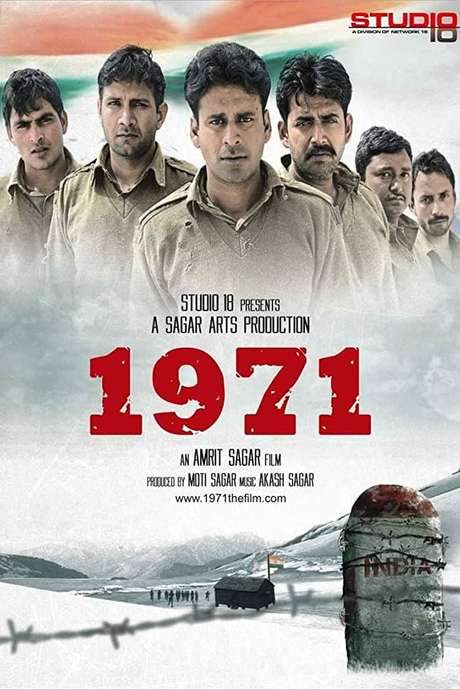
1971 (2007) movie poster

Characters & Themes

1971 (2007) Characters, Setting & Themes Explained

Release, runtime and language
2007 · 160 mins · Hindi
Directed by
Amrit Sagar Chopra
Starring
Chittaranjan Giri, Kumud Mishra, Manav Kaul, Deepak Dobriyal, Deepti Gupta, Ravi Kishan

Based on true events, the story follows six courageous soldiers who manage to break free from the grip of the Pakistan Army, undertaking a perilous trek across hostile terrain. Their quest is marked by honor, bravery, and self‑sacrifice as they battle countless dangers to reach home.

On this page (7)
  1. 1 Characters explained (8)
  2. 2 Where & when it takes place
  3. 3 Themes & meaning (3)
  4. 4 Character & meaning questions
  5. 5 Movie threads
  6. 6 Movies like 1971
  7. 7 Every angle

8 main characters · contains spoilers

1971 Characters Explained: Who Is Who

The main characters of 1971 (2007), heroes and villains: what drives them, how they change over the course of the story and what each of them reveals about the film's bigger ideas.

  • Major Suraj Singh — Manoj Bajpayee

    A seasoned and principled leader among the Indian POWs, Suraj Singh serves as the group’s tactical mind. He prioritizes his men's safety, balancing courage with caution as plans unfold. His fate is sealed when he is killed while resisting capture, underscoring the high stakes of the mission.

    • 🎖️ Leader
    • 🇮🇳 Patriot
    • 💔 Sacrifice
  • Captain Kabir — Kumud Mishra

    Kabir is a pragmatic, loyal officer who supports the escape effort. He endures a mangled leg as the plan progresses and continues to fight through adversity. His character embodies resilience and duty in the face of overwhelming odds.

    • 🧭 Loyal
    • 💪 Resilient
    • 🎯 Duty
  • Captain Jacob — Ravi Kishan

    Jacob is a fellow POW who confronts pain with stoicism, ultimately taking his own life after being injured. He acts as a steady presence among the group, whose choices are influenced by the harsh realities of captivity.

    • 🕊️ Quiet strength
    • 🕯️ Memory
    • 💧 Grief
  • Subedar Ahmed — Chittaranjan Giri

    Ahmed is the spark that ignites the escape plan, leveraging forged IDs and surprise to threaten the status quo. He embodies calculated risk-taking and self-sacrifice, ultimately blowing up key facilities to enable the escape.

    • 🔥 Instigator
    • 🧠 Calculating
    • 🗝️ Sacrifice
  • Flight Lt. Ram — Manav Kaul

    Ram is a bold, improvisational figure within the group, willing to take decisive action to save his comrades. He ends up shooting Shakoor and detonating a grenade to cover their escape, sealing his role as a dedicated ally.

    • 🛡️ Protector
    • 💥 Courage
    • 🕊️ Friendship
  • Flight Lt. Gurtu — Deepak Dobriyal

    Gurtu serves as a wary witness who endures captivity and later recaptivity, carrying the memory of Suraj Singh. He becomes the silent link to the past as the film revisits the moral costs of escape.

    • 🧭 Memory
    • 🫂 Survivor
    • 🌧️ Resilience
  • Colonel Puri — Gyan Prakash

    Col. Puri is the pragmatic intermediary who questions the timing of an escape. His decision to overrule the plan underscores the tension between immediate salvation and potential mass risk, illuminating the political calculations behind repatriation.

    • ⚖️ Strategist
    • 🧭 Caution
    • 🏛️ Authority
  • Colonel Shakoor — Bikramjeet Kanwarpal

    Shakoor is the stern Pakistani commander who negotiates repatriation and leads the manhunt after the breakout. He embodies a mix of discipline and ruthlessness, enforcing captivity even as the war’s implications unfold.

    • ⚔️ Enforcer
    • 🛡️ Authority
    • 🔎 Intensity

Last updated: October 04, 2025 at 12:16

Was this helpful?

Setting

Where and When Does 1971 Take Place?

The setting of 1971 (2007): the year and time period, the places and locations, and how they shape the characters, the mood and the tension of the story.

Time period

1977 and 2007

The narrative begins in 1977, six years after the 1971 war, in a Pakistani POW camp near the border. It shifts to 2007, when an elderly Gurtu reflects from Multan Jail on the fate of the remaining POWs. The two periods frame a tale of memory, endurance, and the elusive promise of repatriation.

Location

Chaklala, Multan Jail

Chaklala POW camp near the Indo-Pak border hosts Indian soldiers after the 1971 war. The film also shows Multan Jail decades later, anchoring the narrative in a real Pakistani penitentiary setting. The place is depicted as a controlled military environment with limited freedoms, underscoring the constraints of captivity.

  • 🏯 Military base
  • 🇵🇰 Pakistan
  • 🗺️ Border region

Last updated: October 04, 2025 at 12:16

Was this helpful?

3 major themes

1971 Meaning: Themes & Message Explained

What is 1971 (2007) really about? The emotional, social and philosophical themes the film keeps returning to, its symbolism and the message beneath the surface.

  • Hope

    Hope threads through the prisoners' struggle, sustaining plans for escape and the belief that they will one day return home. The characters weigh the risks of rebellion against the chance of safe release. The diary and memories of fallen comrades reinforce that resilience is the only way to endure captivity. Hope is presented as both a personal lifeline and a collective duty.

  • Friendship

    The prisoners rally around shared hardship, forming a makeshift brotherhood under pressure. Cooperation becomes essential for survival, especially during the careful assembly of forged IDs and disguises. Trust is tested as fear and deception threaten to break unity. The escape plan stands as a testament to solidarity beyond borders.

  • Truth and Justice

    The film contrasts official narratives with the reality of captivity, exposing lies about repatriation. The presence of a human rights leader and Red Cross adds pressure for accountability, challenging the state’s secrecy. Deception and propaganda are central obstacles the characters must navigate. The eventual inquiry underscores the pursuit of truth, even when outcomes remain uncertain.

Last updated: October 04, 2025 at 12:16

Was this helpful?

Character & theme questions

1971 Characters & Meaning: Your Questions Answered

The questions people ask about 1971 (2007): who the characters really are, their relationships, what the symbols mean, where it takes place and what the movie is really about. Each answer contains spoilers.

Q1

Where is the movie set?

The film takes place primarily at the Chaklala POW camp near the Indo-Pak border, where Indian soldiers are held after the 1971 war. The story also jumps to Multan Jail in 2007, where elderly survivor Gurtu reflects on the events. Both locations are depicted as controlled military environments with limited freedoms, emphasizing the constraints of captivity.

  • chaklala
  • pow camp
  • multan jail
  • pakistan
  • indo-pak border
  • captivity
Q2

When does the story take place?

The narrative begins in 1977, six years after the 1971 Indo-Pak war, in a Pakistani POW camp. It then shifts to 2007, when an elderly Gurtu reflects from Multan Jail on the fate of the remaining POWs. These two time periods frame a tale of memory, endurance, and the elusive promise of repatriation.

  • 1977
  • 2007
  • 1971 war
  • pow camp
  • time period
  • decades later
Q3

What are the main themes in the movie?

The film explores three major themes: Hope, which sustains the prisoners' will to survive and plan their escape; Friendship and Solidarity, as the prisoners form a brotherhood and work together through shared hardship; and Truth and Justice, as the film contrasts official narratives with the reality of captivity, exposing lies about repatriation and pursuing accountability.

  • hope
  • friendship
  • solidarity
  • truth
  • justice
  • themes
  • captivity
  • repatriation
Q4

How does hope function in the story?

Hope threads through the prisoners' struggle, sustaining their plans for escape and the belief they will one day return home. The characters constantly weigh the risks of rebellion against the chance of safe release. The diary and memories of fallen comrades reinforce that resilience is the only way to endure captivity. Hope is presented as both a personal lifeline and a collective duty.

  • hope
  • resilience
  • escape
  • repatriation
  • survival
  • pow's
Q5

What does the film say about friendship among prisoners?

The prisoners rally around shared hardship, forming a makeshift brotherhood under extreme pressure. Cooperation becomes essential for survival, especially during the careful assembly of forged IDs and disguises. Trust is tested as fear and deception threaten to break unity. The escape plan stands as a testament to solidarity beyond borders.

  • friendship
  • solidarity
  • brotherhood
  • trust
  • cooperation
  • forged ids
  • disguises
Q6

How does the movie address truth and justice?

The film contrasts official narratives with the reality of captivity, exposing lies about repatriation. The presence of a human rights leader and Red Cross adds pressure for accountability, challenging the state's secrecy. Deception and propaganda are central obstacles the characters must navigate. The eventual inquiry underscores the pursuit of truth, even when outcomes remain uncertain.

  • truth
  • justice
  • repatriation
  • deception
  • propaganda
  • human rights
  • accountability
Q7

Who is Major Suraj Singh and what is his role?

Major Suraj Singh, played by Manoj Bajpayee, is a seasoned and principled leader among the Indian POWs who serves as the group's tactical mind. He prioritizes his men's safety, balancing courage with caution as plans unfold. His fate is sealed when he is killed while resisting capture, underscoring the high stakes of the mission.

  • major suraj singh
  • manoj bajpayee
  • leader
  • tactical
  • po group
  • killed
  • capture
Q8

Who is Captain Kabir in the film?

Captain Kabir, played by Kumud Mishra, is a pragmatic and loyal officer who supports the escape effort. He endures a mangled leg as the plan progresses and continues to fight through adversity. His character embodies resilience and duty in the face of overwhelming odds.

  • captain kabir
  • kumud mishra
  • pragmatic
  • loyal
  • mangled leg
  • resilience
  • duty
Q9

What is Flight Lt. Gurtu's role in the story?

Flight Lt. Gurtu, played by Deepak Dobriyal, serves as a wary witness who endures captivity and later recaptivity, carrying the memory of Suraj Singh. He becomes the silent link to the past as the film revisits the moral costs of escape, providing the narrative frame when the story returns to him in 2007.

  • flight lt gurtu
  • deetak dobriyal
  • witness
  • memory
  • suraj singh
  • 2007
  • multan jail
Q10

Who is the Pakistani commander in the movie?

Colonel Shakoor, played by Bikramjeet Kanwarpal, is the stern Pakistani commander who negotiates repatriation and leads the manhunt after the breakout. He embodies a mix of discipline and ruthlessness, enforcing captivity even as the war's implications unfold.

  • colonel shakoor
  • bikramjeet kanwarpal
  • pakistani commander
  • manhunt
  • repatriation
  • ruthlessness
  • captivity
Q11

What is Subedar Ahmed's role in the escape?

Subedar Ahmed, played by Chittaranjan Giri, is the spark that ignites the escape plan. He leverages forged IDs and surprise to threaten the status quo, embodying calculated risk-taking and self-sacrifice. He ultimately blows up key facilities to enable the escape, making the ultimate sacrifice for his comrades.

  • subedar ahmed
  • chittaranjan giri
  • forged ids
  • escape plan
  • self-sacrifice
  • blow up facilities
Q12

Why is the POW camp setting important to the story?

The Chaklala POW camp is depicted as a controlled military environment with limited freedoms, underscoring the constraints of captivity. The harsh conditions and constant surveillance create the pressure that drives both the escape plan and the themes of hope and solidarity. The shift to Multan Jail in 2007 anchors the narrative in a real Pakistani penitentiary setting, highlighting the long-lasting impact of the events.

  • pow camp
  • chaklala
  • captivity
  • controlled environment
  • surveillance
  • multan jail
  • prison

Movie threads

More Movies Like 1971, by Mood & Story

Curated lists built around what makes 1971 tick: the same mood, the same kind of story or the same emotional payoff. Each list explains why these movies belong together.

Grim War Survival Movies like 1971

Desperate escapes across hostile lands, marked by sacrifice and tragedy. If you liked the tense escape and tragic sacrifices in 1971, explore more movies about perilous war survival odysseys. These films share a high-intensity, fast-paced narrative, heavy emotional weight, and a grim perspective on the personal toll of conflict, focusing on desperate journeys across dangerous terrain.

  • tense
  • grim
  • tragic
  • suspenseful
  • hopeful
  • melancholic
  • Tone: tense, grim, tragic
  • Pacing: fast, relentless
Why these movies?

The story pattern: The narrative typically centers on a group or individual forced into a desperate flight for survival. The plot is a linear, often fast-paced sequence of escape, pursuit, and confrontation with overwhelming dangers. The journey is punctuated by loss and sacrifice, leading to a conclusion that is more tragic than triumphant, emphasizing the bleak costs of war.

Why they belong together: Movies are grouped here based on their shared high-intensity, fast-paced survival narrative set against the backdrop of war. They consistently feature a tense, grim tone, straightforward plotting focused on a central mission, and emotionally heavy endings that underscore tragedy and sacrifice.
Bleak Prisoner of War Dramas similar to 1971

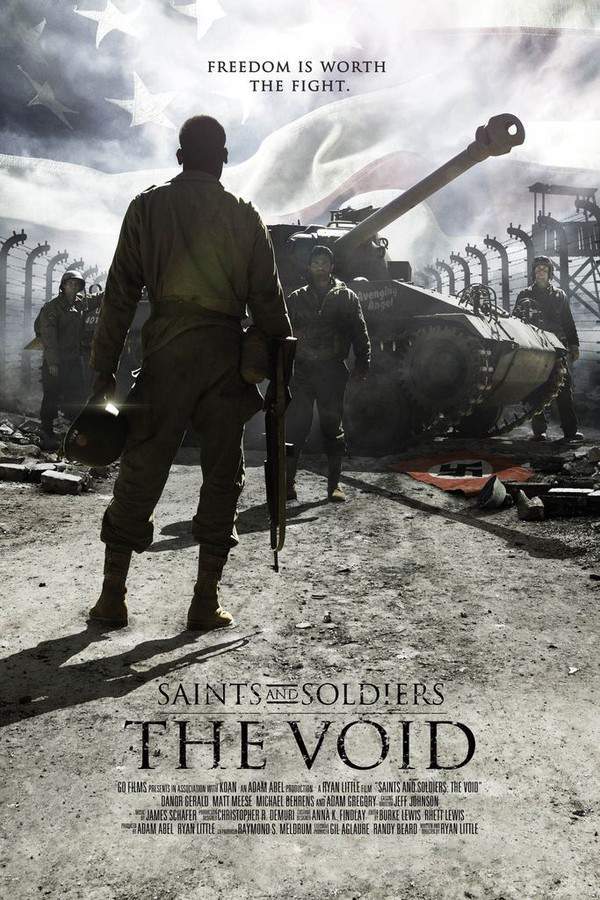
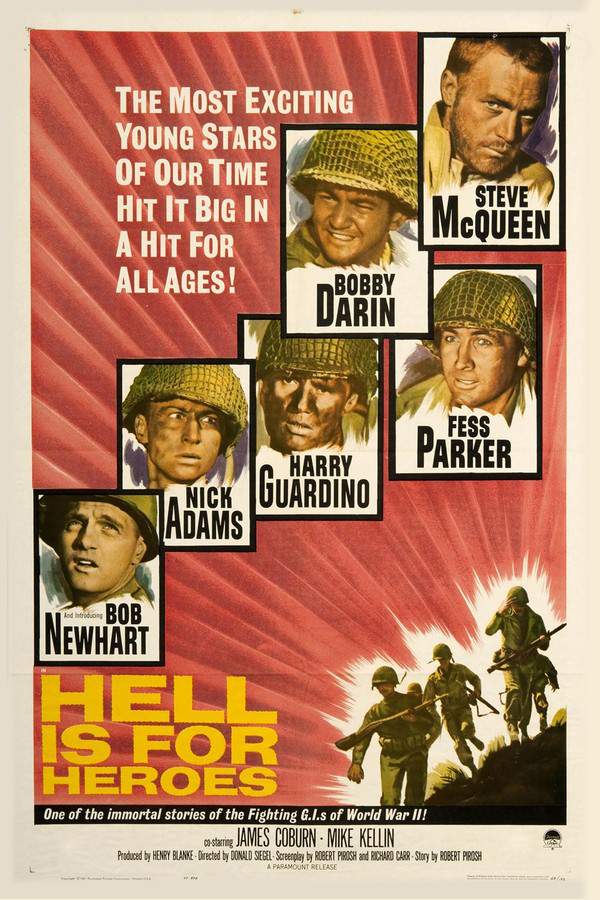
Stories of captivity, resistance, and the grim reality of imprisonment during war. For viewers of 1971 who appreciated its depiction of POW captivity and escape, this list features similar bleak prisoner of war dramas. These films are characterized by a tense, heavy tone, themes of honor and sacrifice, and a focus on the psychological toll and grim realities of military imprisonment.

  • claustrophobic
  • tense
  • grim
  • tragic
  • hopeful
  • suspenseful
  • Tone: tense, bleak, tragic
  • Pacing: steady, building to fast-paced escape
Why these movies?

The story pattern: The narrative pattern revolves around characters enduring the hardships of captivity, often plotting an escape that serves as the story's driving force. Conflict arises from the oppressive captors and the internal dynamics of the prisoner group. The journey is emotionally devastating, frequently exploring themes of sacrifice, duty, and the lasting trauma of war, even in freedom.

Why they belong together: These movies are united by their central focus on the prisoner of war experience. They share a consistently tense and grim mood, high emotional weight, and often tragic endings. The setting of confinement and the themes of resilience, sacrifice, and the brutal cost of war create a cohesive viewing experience.

If you liked this

Movies Like 1971

Similar movies to 1971: the same genre, themes or kind of story. Each one comes with its own plot summary, timeline and ending explained.

Browse all movie summaries

Every angle

1971 (2007) Explained: Plot, Timeline & Characters

Everything about 1971 in one place: what happens in the plot summary, the timeline in chronological order, the characters and meaning and a spoiler-free summary. What's After the Movie adds the cast, box office and post-credit scenes.

Coming soon on iOS and Android

The Plot Explained Movie Summary App

Plot summaries, endings explained and timelines on your phone. Catch up on any movie in minutes, save your favorites and never miss a twist again.

Be the first to know when we launch. Your email stays private, always.

Learn more about the app