Plot Explained Spoilers guaranteed!
Plot Explained

Browse by genre

Yesterday’s Enemy (1959) movie poster

Plot Summary

Yesterday’s Enemy (1959) Plot Summary Explained

Release, runtime and language
1959 · 95 mins · English
Directed by
Val Guest
Starring
Burt Kwouk, Leo McKern, Gordon Jackson, Percy Herbert, Stanley Baker, Russell Waters

Set during the Burma Campaign of World War II, the film follows soldiers forced into brutal close‑quarters combat, testing their courage and endurance. It delves into the moral dilemmas ordinary men confront when the line between justified military action and intolerable cruelty blurs, revealing the psychological toll of war.

On this page (5)
  1. 1 What happens: full plot
  2. 2 Plot questions answered
  3. 3 Movie threads
  4. 4 Movies like Yesterday’s Enemy
  5. 5 Every angle

Full plot summary · contains spoilers

What Happens in Yesterday’s Enemy: Full Plot Summary

The whole story of Yesterday’s Enemy (1959) explained, from the opening scene to the final frame: every key event, every twist and what it all adds up to. Read it as a quick recap before the sequel, to check a scene you missed, or to finally understand what really happened.

Last updated: October 09, 2025 at 10:51

Was this helpful?

Plot questions answered

Yesterday’s Enemy Plot Explained: Your Questions Answered

The questions people ask most about Yesterday’s Enemy (1959): what happens in the confusing scenes, why the characters do what they do, the twists, hidden details and what the ending means. Each answer contains spoilers.

Q1

Why does Captain Langford order the execution of two villagers?

Langford executes the villagers as leverage to force the Burmese informer to reveal what he knows about the map found on the dead Japanese colonel. When the informer refuses to talk despite the threat, Langford follows through on the execution to demonstrate he means business. This reflects the film's central theme of moral degradation under the pressure of war, where soldiers are pushed to commit acts they would never consider in normal circumstances.

  • langford
  • informant
  • hostage execution
  • coercion
  • map intel
Q2

Why does Langford leave the wounded British soldiers behind?

Langford decides to leave the wounded behind because the radio is damaged and a dangerous Japanese flanking attack is imminent. To speed up the retreat and improve the group's chances of reaching Allied lines, he determines that the wounded must be sacrificed. The dying brigadier and other wounded reluctantly accept this fate, understanding that keeping them would slow the entire group and likely result in everyone being caught.

  • wounded soldiers
  • retreat
  • left behind
  • brigadier
  • moral sacrifice
Q3

Why was Sergeant McKenzie's team ambushed on their mission?

McKenzie's small team was sent to warn Allied headquarters with the informer's intelligence about Japanese movements, effectively splitting the unit to maximize their chances. They were ambushed and killed on the road outside the village, suggesting the Japanese had anticipated or detected their movement. This failure leaves Langford's remaining group without reinforcements and deepens their isolation.

Foreshadowing: Earlier, the timeline mentions a dangerous flanking attack looming, which explains why Langford split the unit.

  • mc kenzie
  • ambush
  • headquarters
  • reconnaissance team
  • killed
Q4

Why does Major Yamazaki bow to Captain Langford after killing him?

Major Yamazaki bows to Langford as a gesture of deep respect after witnessing Langford's courageous, desperate attempt to reach the transmitter despite knowing it would likely result in his death. This moment demonstrates the film's exploration of honor across enemy lines - Yamazaki sees in Langford a fellow soldier facing impossible circumstances with bravery, even though they are adversaries.

  • yamazaki
  • langford
  • respect
  • bow
  • japanese officer
  • honor
Q5

What was the importance of the map the British found on the dead Japanese colonel?

The map carried by the dead Japanese colonel contained markings that revealed hidden Japanese plans. This intelligence was valuable enough that Langford went to extreme lengths - including executing hostages - to force the captured Burmese informer to decode and reveal the map's significance. The information was crucial for alerting Allied headquarters about Japanese movements during the retreat.

  • map
  • japanese colonel
  • intelligence
  • burmese informer
  • hidden plans
Q6

What does the Burmese survivor mean when he says both empires will treat them the same?

As the villagers evacuate under Japanese threat, a surviving Burmese voice bittery states that both the British Empire and Japanese Empire will treat the local population without regard. This reflects the film's critique of colonialism and war's impact on civilians - from the Burmese perspective, they are caught between two occupying forces that both exploit and endanger local people regardless of which side claims to be the liberator.

  • burmese
  • empire
  • colonialism
  • occupation
  • civilians
Q7

Why does Langford try to reach the transmitter when it seems futile?

Despite the overwhelming Japanese advance and his likely death, Langford bolts toward the transmitter in a desperate attempt to signal Allied headquarters. This reflects his sense of duty and refusal to surrender without trying every option, even if mathematically pointless. The attempt also shows his leadership - he continues trying to complete the mission rather than accepting capture.

  • langford
  • transmitter
  • signal
  • desperate attempt
  • mission
Q8

Why does the padre lead prisoners in prayer while Japanese guard them?

After Langford is killed and the defense collapses, the padre calmly leads the remaining British prisoners in the Lord's Prayer while Japanese soldiers guard them. This powerful scene shows unexpected humanity and restraint from Yamazaki, who permits this moment of peace before the prisoners' fates are decided. It demonstrates the theme that even in war's brutality, moments of shared humanity can emerge between enemies.

Foreshadowing: Yamazaki's earlier respect for Langford's courage foreshadows this unusual restraint.

  • padre
  • prayer
  • prisoners
  • yamazaki
  • lord's prayer
  • capture
Q9

Why does Langford split the unit by sending a small team back to HQ?

Langford splits the unit because the radio has failed and he needs to get the informer's intelligence about Japanese movements to Allied headquarters as quickly as possible. By sending a small team with the informer, he maximizes the chance that at least some information reaches HQ while the main group continues the retreat. This reflects the desperate tactical situation where maintaining communication is crucial.

  • split unit
  • radio failure
  • headquarters
  • sergeant mckenzie
  • tactical decision
Q10

What is the main ethical dilemma Captain Langford faces throughout the film?

Langford faces the central dilemma of how far he can push his men and local civilians before crossing the line from necessary military action into cruelty. He must balance completing his mission with the moral cost of executing hostages, abandoning wounded, and splitting his forces - all decisions that push him deeper into ethical compromise. The film explores how war forces ordinary men to become something they never would be in peacetime.

  • langford
  • moral dilemma
  • ethics
  • war crimes
  • command decision
Q11

Why does the informer eventually start talking after the executions?

The informer begins to divulge what he knows after witnessing Langford actually carry out the execution threat. This demonstrates that Langford's credibility as a ruthless commander forced the informer's hand - the informer realized Langford would follow through on his threats. The brutal reality of the situation, not just the threat itself, convinced the informer that cooperation was safer than continued silence.

  • informant
  • torture
  • coercion
  • revelation
  • intelligence extraction
Q12

What is the significance of the film ending at Kohima War Cemetery?

The film ends with a silent shot of the memorial cross at Kohima War Cemetery and the Kohima Epitaph, honoring the fallen. This provides historical context for the Burma Campaign and transforms the individual deaths shown throughout the film into a collective sacrifice. The epitaph commemorates the cost of their resistance, giving the story weight beyond just a military narrative and reminding viewers of the real human cost of war.

  • kohima
  • cemetery
  • epitaph
  • memorial
  • sacrifice
  • burma campaign

Movie threads

More Movies Like Yesterday’s Enemy, by Mood & Story

Curated lists built around what makes Yesterday’s Enemy tick: the same mood, the same kind of story or the same emotional payoff. Each list explains why these movies belong together.

Movies about war ethics and moral dilemmas like Yesterday’s Enemy

Stories where soldiers face impossible choices that test their humanity. If you liked the difficult choices in Yesterday’s Enemy, explore more movies about the brutal moral calculus of war. These films, often set in intense combat zones, focus on the heavy psychological burden soldiers carry when forced to compromise their morality for survival.

  • ethical dilemma
  • psychological
  • brutal
  • tense
  • oppressive
  • thought-provoking
  • Tone: tense, bleak, psychologically heavy
  • Pacing: steady, relentless
Why these movies?

The story pattern: Narratives in this thread typically follow characters pushed to their absolute limits by the horrors of war. The central conflict is often internal, as protagonists grapple with orders or situations that demand a sacrifice of their ethics, leading to a profound exploration of guilt, duty, and the cost of survival.

Why they belong together: These movies are grouped by their shared, heavy emphasis on ethical quandaries within a high-stakes military context. They create a similarly tense and oppressive atmosphere, prioritizing psychological depth and moral conflict over straightforward action.
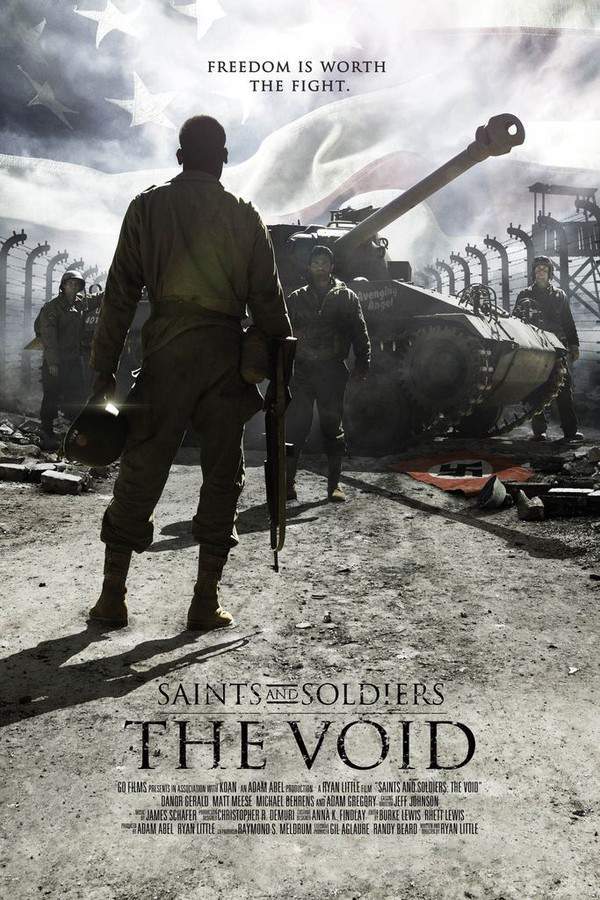
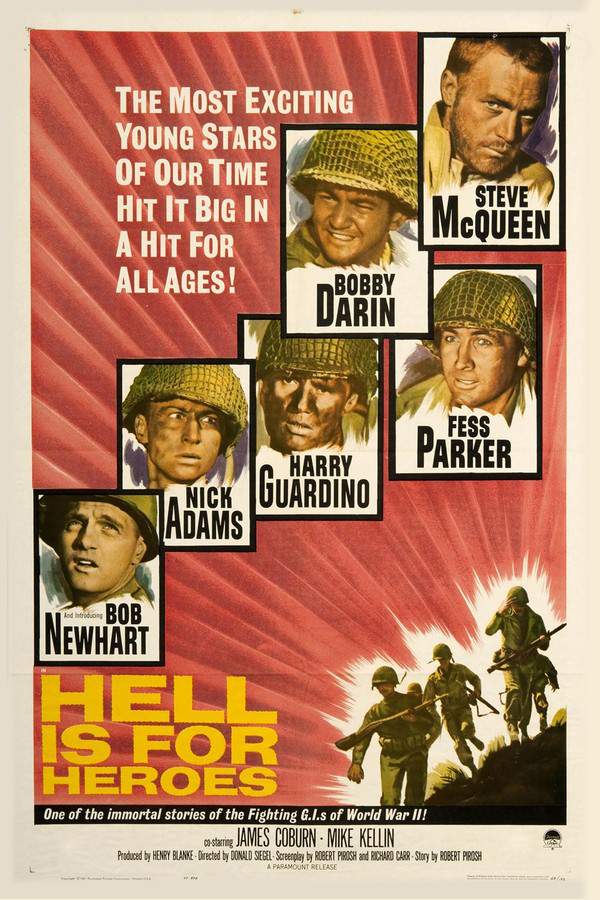
Claustrophobic survival thrillers with a tense atmosphere like Yesterday’s Enemy

Intense stories where the environment itself becomes a relentless enemy. Fans of the suffocating jungle warfare in Yesterday’s Enemy will appreciate these movies. They share a focus on survival in confined, hostile environments, creating a palpable sense of dread and anxiety as characters fight against both visible enemies and the oppressive setting.

  • claustrophobic
  • tense
  • sweaty
  • oppressive
  • survival
  • anxious
  • Tone: tense, anxious, gritty
  • Pacing: steady, relentless pressure
Why these movies?

The story pattern: The narrative pattern involves a group or individual trapped in an inescapable, dangerous environment. The plot unfolds as a grueling test of endurance, where the setting relentlessly erodes morale and forces desperate acts. The journey is often one of psychological unraveling as much as physical survival.

Why they belong together: These films are united by their mastery in creating a palpable, claustrophobic vibe. They share a high-tension, steady pace, and use their settings as a primary antagonist, resulting in an anxious, gritty, and immersive viewing experience focused on the raw struggle to endure.

If you liked this

Movies Like Yesterday’s Enemy

Similar movies to Yesterday’s Enemy: the same genre, themes or kind of story. Each one comes with its own plot summary, timeline and ending explained.

Browse all movie summaries

Every angle

Yesterday’s Enemy (1959) Explained: Plot, Timeline & Characters

Everything about Yesterday’s Enemy in one place: what happens in the plot summary, the timeline in chronological order, the characters and meaning. What's After the Movie adds the cast, box office and post-credit scenes.

Coming soon on iOS and Android

The Plot Explained Movie Summary App

Plot summaries, endings explained and timelines on your phone. Catch up on any movie in minutes, save your favorites and never miss a twist again.

Be the first to know when we launch. Your email stays private, always.

Learn more about the app