
















Plot Explained Spoilers guaranteed!
Plot Explained

Browse by genre

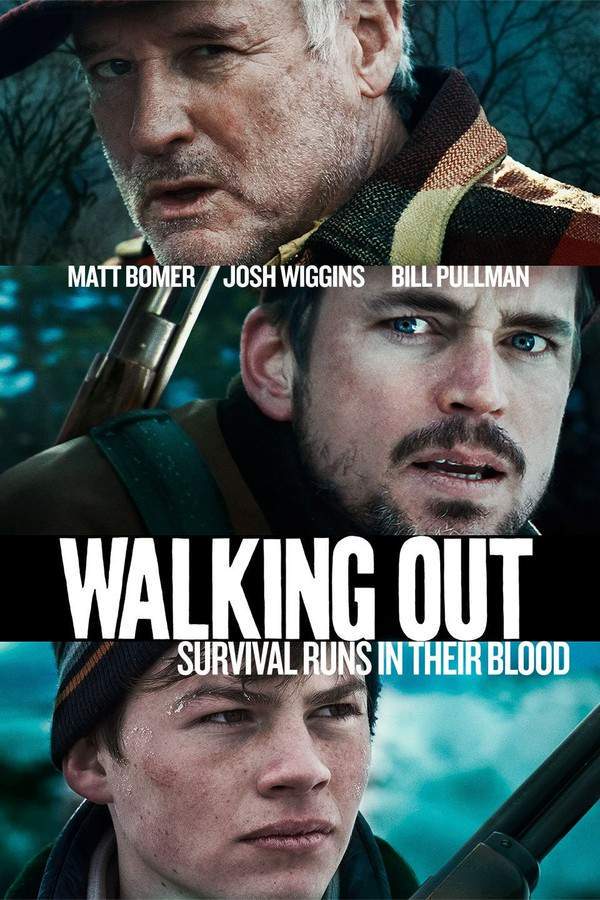
Walking Out (2017) movie poster

Plot Summary

Walking Out (2017) Plot Summary Explained

Release, runtime and language
2017 · 95 min · English
Echo score 80
JustWatch #3,993 2
Directed by
Alex Smith, Andrew J. Smith
Starring
Josh Wiggins, Alex Neustaedter, Bill Pullman, Erik P. Resel, Ken White, Lily Gladstone

After a hunting trip in the Montana wilderness goes terribly wrong, a 14-year-old boy must find the strength to care for his critically injured father. Stranded in a harsh and isolated landscape, he faces a desperate fight for survival, confronting both the dangers of the wilderness and his own inner resilience as he struggles to save his dad.

On this page (6)
  1. 1 Where to watch
  2. 2 What happens: full plot
  3. 3 Plot questions answered
  4. 4 Movie threads
  5. 5 Movies like Walking Out
  6. 6 Every angle

Where to watch

Where to Watch Walking Out (2017)

Where can you watch Walking Out? Stream, rent or buy it in the US, including on AMC+, fuboTV and Paramount Plus Premium: current JustWatch availability with up-to-date prices.

Streaming availability powered by JustWatch

Full plot summary · contains spoilers

What Happens in Walking Out: Full Plot Summary

The whole story of Walking Out (2017) explained, from the opening scene to the final frame: every key event, every twist and what it all adds up to. Read it as a quick recap before the sequel, to check a scene you missed, or to finally understand what really happened.

Once a year, David (Josh Wiggins) embarks on a journey from Texas to Montana during his school break to visit his father, Cal (Matt Bomer), a passionate outdoorsman. Living in suburban Texas with his mother, David is accustomed to a fast-paced life dominated by his smartphone. At just fourteen, he's more engaged with his games and texting his mom than with his surroundings.

The relationship between David and Cal is markedly distant. When Cal arrives at the airport, David barely acknowledges him, glued to his device. There is a palpable lack of excitement in their reunion. Cal, imposing and stern, insists on outdoor activities, much to David's dismay. Although he would rather avoid pheasant-hunting, David concedes to join his father. A proposal to go moose-hunting in the majestic, snow-capped mountains looms, and David reluctantly feels pressured to participate.

As the story unfolds high in the mountains, tragedy strikes when Cal accidentally sustains a gunshot wound to the leg. Now, David must navigate both the physical and emotional challenges of the situation, shouldering the weight of his father's injuries as he carries him down the treacherous terrain. Despite losing his way, David's determination leads him to a secluded house where both he and Cal can access help.

When a doctor, portrayed by Scott McMillion, arrives, the devastating news is delivered: Cal has passed away, likely during the previous morning. With a heavy heart and the weight of loss pressing on him, David quietly responds, > "I know." His journey has evolved from a mere visit to a haunting experience of resilience, responsibility, and profound sorrow.

Last updated: November 16, 2024 at 17:30

Was this helpful?

Plot questions answered

Walking Out Plot Explained: Your Questions Answered

The questions people ask most about Walking Out (2017): what happens in the confusing scenes, why the characters do what they do, the twists, hidden details and what the ending means. Each answer contains spoilers.

Q1

Why was David so distant and uninterested in his father?

David's distance stems from the fractured relationship between them. Living in suburban Texas with his mother, David is immersed in technology and a fast-paced lifestyle that contrasts sharply with his father's rugged, outdoor-centric world. The annual visit feels more like an obligation than genuine connection, and Cal's imposing, stern demeanor further created emotional barriers. David retreats into his smartphone as a shield against the discomfort of their awkward relationship.

Foreshadowing: Earlier scenes show David barely acknowledging his father at the airport, already establishing the emotional gap that widens as the story progresses.

  • david
  • cal
  • father son relationship
  • distance
  • emotional gap
  • phone
  • technology
Q2

Why did Cal insist on taking David moose-hunting?

Cal saw the hunting trip as a way to bridge the emotional divide between them, believing that shared wilderness experiences could rebuild their connection. As a passionate outdoorsman, hunting represents his entire world and his way of life. Cal likely hoped that pushing David through this challenging experience would help his son discover respect for nature and, by extension, for him. The trip was an attempt to impart his values and create a bonding moment, though it ultimately proved tragic.

Foreshadowing: Cal's insistence on outdoor activities from the moment they arrive, including pheasant hunting, shows his determination to engage David on his own terms.

  • cal
  • moose hunting
  • father son bonding
  • wilderness
  • outdoorsman
  • values
Q3

How was David able to carry his injured father down the mountain?

David's ability to carry his critically injured father down the treacherous mountain terrain represents a dramatic physical and emotional transformation. Though just fourteen and initially portrayed as reluctant and disengaged, David summoned extraordinary strength and determination when faced with his father's life-threatening injury. The desperate circumstances forced him out of his comfort zone, transforming him from a distracted teenager into someone capable of remarkable physical endurance and courage.

Foreshadowing: The contrast between David's initial apathy and his later determination highlights his hidden capacity for responsibility, hinted at when he reluctantly agrees to participate in his father's activities despite his discomfort.

  • david
  • cal
  • injury
  • rescue
  • mountain
  • strength
  • survival
  • transformation
Q4

When exactly did Cal die in the story?

Cal died sometime during the previous morning before the doctor arrived at the secluded house. The timeline shows that after the accident, David spent considerable time navigating the wilderness, getting lost, and eventually finding shelter before contacting help. By the time the doctor examined Cal at the secluded house, Cal had already passed away, likely hours earlier. This means David was caring for his father's body unknowingly during the night, believing his father was still alive though unconscious.

Foreshadowing: The story's tragic timing is established when Cal sustains the gunshot wound, and David's struggle to get help unfolds over an extended period in harsh conditions.

  • cal death
  • timeline
  • doctor
  • secluded house
  • previous morning
  • tragic timing
Q5

Why did David say "I know" when told his father had died?

David's quiet "I know" response reveals that he already suspected or felt his father had died. Throughout the night spent caring for Cal in the secluded house, David likely noticed signs that his father had passed away. The response signifies his acceptance and the emotional weight he had been carrying. It shows a profound moment of maturity where David had already processed the possibility of loss, making his subsequent resilience even more remarkable.

Foreshadowing: David's stoic behavior during the rescue attempts and his quiet determination suggest an emotional awareness beyond his teenage years, hinting at his internal understanding of the situation.

  • david
  • i know
  • acceptance
  • death
  • emotional maturity
  • grief
  • doctor
Q6

How did David find the secluded house in the wilderness?

Despite getting lost in the wilderness while trying to carry his father to safety, David's determination led him to stumble upon a secluded house. The narrative emphasizes his resilience and will to survive, even amid disorientation and fear. The house provided crucial shelter and became the location where David could finally call for help, marking a turning point in their desperate situation.

Foreshadowing: The earlier moment where David becomes lost builds tension, but his persistence ultimately rewards him with the discovery of the house, demonstrating how his character evolves under pressure.

  • david
  • secluded house
  • wilderness
  • lost
  • shelter
  • help
  • survival
Q7

What caused Cal's accidental gunshot wound?

Cal accidentally shot himself in the leg while navigating the rugged mountain terrain during their moose-hunting expedition. The specific details of how the discharge occurred are less important than the sudden, devastating turn it represents in their trip. This catastrophic accident transforms the narrative from a father-son bonding trip into a life-or-death survival situation, forcing David into an unimaginable role of responsibility.

Foreshadowing: The proposal of the moose-hunting trip into the dangerous, snow-capped mountains establishes the risk inherent in their expedition from the beginning.

  • cal
  • gunshot
  • accident
  • leg injury
  • mountains
  • hunting
  • wilderness
Q8

What transformation did David undergo by the end of the movie?

David's journey transformed him from a distracted, emotionally distant teenager glued to his smartphone into a resilient, responsible young man capable of making life-or-death decisions. By the end, he not only physically survived the wilderness but emotionally processed his father's death with remarkable maturity. The traumatic experience forced him to confront his feelings about his father, ultimately bringing a profound understanding of love, loss, and responsibility that reshaped his character.

Foreshadowing: David's initial resistance to his father's outdoor lifestyle and his lack of engagement set the stage for this transformation, showing that his growth emerges directly from circumstances that demanded everything of him.

  • david
  • transformation
  • growth
  • resilience
  • responsibility
  • maturity
  • grief
  • father son relationship
Q9

Why is there no humor or lighter moments in the film?

The film maintains a consistently tense and somber tone because its sole focus is on survival and grief. The narrative centers on a life-threatening emergency and the subsequent emotional devastation of losing a parent, leaving no room for comedic relief or romantic subplots. This heavy atmosphere reflects the weight of David's circumstances: he must deal with both the physical dangers of the wilderness and the emotional burden of his father's critical injury and death. The lack of lighter moments serves the story's themes of loss, responsibility, and the harsh realities of life.

Foreshadowing: From the distant reunion at the airport, the tone immediately establishes strain and discomfort rather than warmth, setting the emotional foundation for the film's singularly serious tone.

  • tone
  • atmosphere
  • grief
  • survival
  • serious
  • no humor
  • emotional weight

Movie threads

More Movies Like Walking Out, by Mood & Story

Curated lists built around what makes Walking Out tick: the same mood, the same kind of story or the same emotional payoff. Each list explains why these movies belong together.

Desperate Wilderness Survival Movies like Walking Out

Stories of ordinary people pushed to their limits against a merciless natural world. If you enjoyed the tense survival struggle in Walking Out, explore more movies where characters must rely on their wits and will to live against the elements. These films capture the grim reality and emotional burden of being stranded and fighting nature.

  • survivalist
  • desperate
  • tense
  • gritty
  • solitary
  • resilient
  • Tone: tense, grim, desperate
  • Pacing: variable, starting slow then intensifying
Why these movies?

The story pattern: The narrative follows a straightforward, high-stakes journey where a character or small group becomes stranded in a remote, harsh environment. The plot revolves around a series of escalating physical and psychological challenges, forcing characters to confront their mortality and find inner strength they didn't know they possessed.

Why they belong together: This thread groups movies that share a core premise of human vs. nature conflict, characterized by high intensity, a tense tone, and a heavy emotional weight. They deliver a similar visceral experience of desperation, resilience, and the grim realities of survival.


Father-Son Crisis Stories Similar to Walking Out

Emotional journeys where a shared extreme ordeal tests and transforms a fractured relationship. For viewers moved by the heavy emotional journey between father and son in Walking Out, this thread collects movies where a perilous event becomes the crucible for a strained relationship, focusing on themes of responsibility, loss, and reconciliation.

  • emotional
  • somber
  • tense
  • father-son
  • grief
  • resilient
  • Tone: emotional, tense, somber
  • Pacing: variable, character-driven
Why these movies?

The story pattern: The story pivots on a critical incident that throws a distant or conflicted father and son into a desperate situation. The external danger forces them to rely on each other, bridging emotional gaps through shared hardship. The journey is often bittersweet or tragic, with the crisis irrevocably changing their understanding of one another.

Why they belong together: Movies are grouped here based on their central focus on the evolution of a father-son relationship under extreme duress. They share a heavy emotional weight, themes of grief and responsibility, and a narrative structure where plot and character development are deeply intertwined.

If you liked this

Movies Like Walking Out

Similar movies to Walking Out: the same genre, themes or kind of story. Each one comes with its own plot summary, timeline and ending explained.

Browse all movie summaries

Every angle

Walking Out (2017) Explained: Plot, Timeline & Characters

Everything about Walking Out in one place: what happens in the plot summary, the timeline in chronological order, the characters and meaning and a spoiler-free summary. What's After the Movie adds the cast, box office and post-credit scenes.

Coming soon on iOS and Android

The Plot Explained Movie Summary App

Plot summaries, endings explained and timelines on your phone. Catch up on any movie in minutes, save your favorites and never miss a twist again.

Be the first to know when we launch. Your email stays private, always.

Learn more about the app