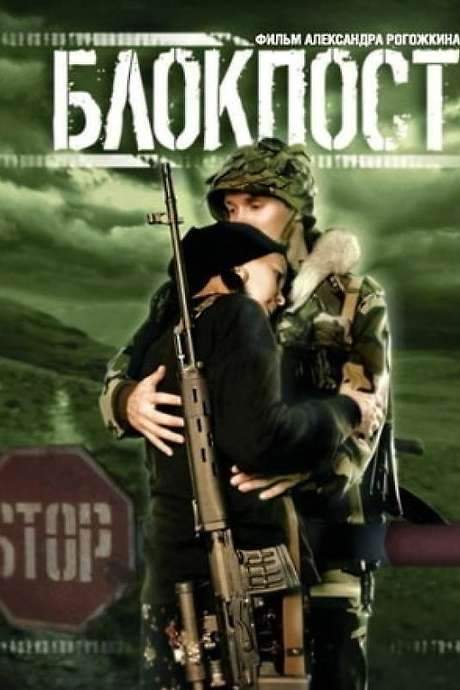
Set in 1996, in the North Caucasus during the First Chechen War, the film follows a small Russian platoon maneuvering through a tense, snow-dusted landscape and a volatile mountain village. At the center is Betective Zoya Buryak, part of a patrol that stumbles into a brutal moment when a disabled child bangs a hammer against a buried landmine. The mine explodes, killing the child and scattering fear and anger through the gathered villagers. In the chaos, a distraught local woman opens fire on the soldiers, killing the local police officer as she tries to pull the townspeople away from the detachment; one soldier fires back and wounds the woman in the legs. To escape the swelling anger, the unit is reassigned to relieve a garrison at a remote checkpoint, in a move that feels more like a political maneuver than a strategic shift.
The checkpoint becomes a stage for daily improvisation and quiet defiance against the grinding surveillance of authority. The men pass the days in small rituals—betting, joking, and pretending the deployment might end soon—while the nearby forest hides a Chechen sniper who constantly hovers on the edge of sight, ready to strike. The locals add a second, more corrosive pressure, vandalizing the checkpoint and delivering taunts and strange gifts, even dropping off boxes of excrement as a stinging reminder of who controls the space between the two sides. The tension is compounded by the grim arithmetic of war, where life is measured in near misses and the weight of each decision feels heavier than the last.
Within this fraught micro-society, Krysa (Rat) [Denis Moiseev] is a soldier under investigation because the weapon used in the earlier skirmish belongs to him. He is taken into custody by the local police with the formal approval of the Russian military, a move the commanding officer protests as dangerous and ill‑advised, claiming Krysa could be killed in retaliation if handed over to the locals, yet the higher-ups overrule him and Krysa is hauled away. The much more intimate dramas inhabit the same fragile space: Jurist (Lawyer) grows close to a visiting local girl who offers companionship in exchange for ammunition, a trade that reveals both the desperation and the improvised ethics of men under pressure. Jurist wears a tail attached to his helmet as a talisman, and at one point he exchanges helmets with a squadmate to camouflage himself in order to take a shot at the elusive Chechen sniper.
As the patrol observes the passing of a truck full of locals, Jurist notices something dropped from the vehicle and he investigates, discovering Krysa’s body wrapped in the skin of a sheep they had killed earlier—an unsettling tableau that sends Krysa into a state of shock, removing his headgear and simply waiting in the moment. The narrative then shifts to the perspective of the unseen sniper, a figure who has haunted the soldiers throughout the film. The sniper is the visiting girl, and in a devastating twist she mistakes Jurist for another soldier when his talisman is missing, and shoots him dead. The revelation reframes the entire encounter, turning a private tragedy into a stark reminder of how war distorts perception and costs lives.
Throughout its relentless march toward an irreversible consequence, the film uses claustrophobic checkpoints, shadowed forests, and crowded village squares to explore the way ordinary people improvise amid extraordinary danger. The soldiers’ camaraderie, bravado, and quiet acts of tenderness—like Jurist’s fleeting romance and the fragile trust that forms in a time of siege—are set against the unyielding, indifferent machinery of war. The result is a stark, character-driven portrait of endurance and futility, where moments of warmth are interlaced with sudden violence and where the true cost of prolonged conflict becomes clear only in hindsight.