Plot Explained Spoilers guaranteed!
Plot Explained

Browse by genre

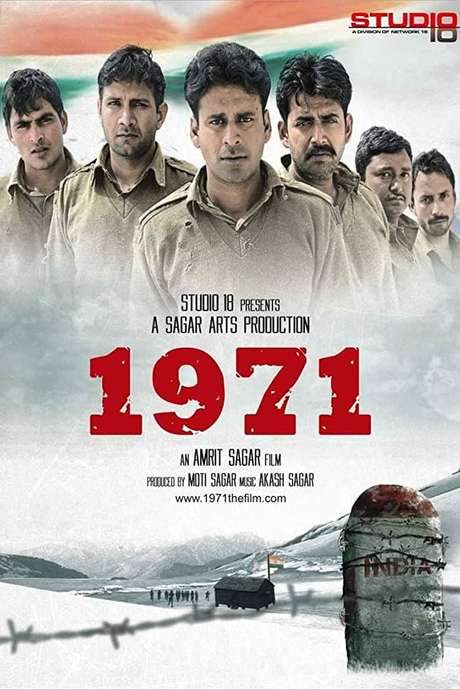
1971 (2007) movie poster

Timeline

1971 (2007) Timeline Explained – Every Event in Order

Release, runtime and language
2007 · 160 mins · Hindi
Directed by
Amrit Sagar Chopra
Starring
Chittaranjan Giri, Kumud Mishra, Manav Kaul, Deepak Dobriyal, Deepti Gupta, Ravi Kishan

Based on true events, the story follows six courageous soldiers who manage to break free from the grip of the Pakistan Army, undertaking a perilous trek across hostile terrain. Their quest is marked by honor, bravery, and self‑sacrifice as they battle countless dangers to reach home.

On this page (5)
  1. 1 Events in order (12)
  2. 2 Timeline questions answered
  3. 3 Movie threads
  4. 4 Movies like 1971
  5. 5 Every angle

12 events in order · contains spoilers

1971 Timeline: Events in Chronological Order

Every key event of 1971 (2007) in order, scene by scene, with when and where it takes place. Use it to untangle flashbacks, time jumps and parallel storylines, to refresh your memory before the sequel or to find the exact scene you are thinking of.

  1. Arrival at Chaklala POW camp

    Six years after the 1971 war, Indian POWs are moved to Chaklala in Pakistan. Major Suraj Singh and the other officers discuss the camp's good facilities, noting a relative comfort compared with earlier jails. The 1965 POWs, in contrast, have gone insane with despair.

    When
    1977, early
    Where
    Chaklala, Pakistan
  2. New prisoners arrive at Chaklala

    An army truck arrives with Ram, Gurtu, and Colonel Puri. The prisoners steal a guard's wallet and obtain a Pakistani ID card on the way, helping them blend in. They realize they are less than 200 km from the Indo-Pak border.

    When
    1977, morning
    Where
    Chaklala camp, Pakistan
  3. Shakoor announces repatriation and privileges

    Colonel Shakoor informs that all POWs will be repatriated. He also allows Indian POWs to watch any movie, a small privilege that hints at the camp being easier than expected.

    When
    1977
    Where
    Chaklala camp, Pakistan
  4. Ahmed uncovers the cover story and begins planning

    During the movie day, Ahmed steals a newspaper and discovers that the supposed repatriation is a lie designed to hide Indian prisoners from the Red Cross. He begins to organize an escape plan with the others.

    When
    1977
    Where
    Chaklala camp, Pakistan
  5. Disguises and cover for the escape

    The prisoners forge fake IDs and obtain Pakistani uniforms to blend in. They stage the Ghazal singer's appearance during a camp celebration as a cover for their escape.

    When
    1977
    Where
    Chaklala camp, Pakistan
  6. Escape attempt begins during the 14 August celebration

    As the celebration unfolds, Ahmed sacrifices himself by blowing up the ammunition room and the electrical room. The five escapees, using their disguises and the singer as cover, slip away while the singer is allowed to go.

    When
    1977, 14 August
    Where
    Chaklala camp, Pakistan
  7. Escapees go on the run and the manhunt starts

    The five fugitives hide their identities as they move away from the camp and the search escalates. The Pakistani authorities begin a massive manhunt, insisting the men are common criminals rather than Indian POWs.

    When
    1977
    Where
    Pakistan
  8. Jacob and Ram strike back

    Jacob, wounded during a hideout, shoots himself rather than be captured. Ram shoots Shakoor and then detonates a grenade on himself to destroy several pursuit vehicles, aiding his comrades.

    When
    1977
    Where
    Escape route, Pakistan
  9. Human rights inquiry meets resistance

    A Pakistani human rights leader and the Red Cross arrive to investigate the missing POWs but are blocked from finding any results. The singer is revealed to be part of a Pakistani human rights commission and reports the deception to its leader.

    When
    Late 1977
    Where
    Pakistan
  10. Kabir is gravely injured and dies

    Kabir loses a leg while driving a captured motorcycle and suffers frostbite as they push toward the border. He dies peacefully in his sleep as the group nears India.

    When
    1977
    Where
    Near the Indo-Pak border, Pakistan
  11. Suraj's death at the border and Gurtu's recapture

    Suraj is shot and killed just as they are about to cross into India, and his body is taken away by Pakistani troops. Gurtu is recaptured by the Pakistanis offscreen.

    When
    1977
    Where
    Near the Indo-Pak border
  12. 2007 Multan Jail reveal and final note on hope

    In 2007, an elderly Gurtu tends five mounds of earth in the prison yard and places flowers on them. He reads Major Suraj Singh's prison diary and explains that living without hope is impossible. He reveals that there are still 54 Indian POWs from 1971 held in Pakistani jails, last seen alive in 1988.

    When
    2007
    Where
    Multan Jail, Pakistan

Last updated: October 09, 2025 at 15:11

Was this helpful?

Timeline questions answered

1971 Timeline Explained: Your Questions Answered

When does it happen, and why in that order? The questions people ask about the chronology of 1971 (2007): time jumps, flashbacks, cause and effect between scenes and the correct order of events, each answered with spoilers.

Q1

Why did Subedar Ahmed sacrifice himself during the escape?

Ahmed blew up both the ammunition room and the electrical room to create a distraction that would allow the other five prisoners to escape during the chaos of the 14 August celebration. His sacrifice was deliberate, he used the explosion to disable the camp's communication and supply systems while covering the escape. He died in the blast, giving his life so the others could flee into the darkness.

Foreshadowing: Earlier, Ahmed steals the newspaper that reveals the repatriation lie, showing his willingness to take risks for the group's freedom.

  • ahmed sacrifice
  • ammo room explosion
  • escape plan
  • prison break
Q2

What was the repatriation cover-up that Ahmed discovered?

Colonel Shakoor announced that all Indian POWs would be repatriated as a gesture of goodwill. However, Ahmed discovered through a stolen newspaper that this was a complete fabrication, the Pakistani authorities were using the false promise of repatriation to hide the prisoners from Red Cross inspections. The prisoners realized they were being kept as pawns, not genuinely released, which motivated them to plan their escape.

Foreshadowing: Shakoor's unusually generous offer of movie privileges and repatriation seems too good to be true, hinting at deception.

  • repatriation lie
  • red cross
  • prisoner cover-up
  • pakistani deception
Q3

How did the prisoners use the Ghazal singer to plan their escape?

The prisoners forged fake IDs and obtained Pakistani uniforms to disguise themselves. When a Ghazal singer was invited to perform during the 14 August celebration, they used the event as cover for their escape operation. The singer was later revealed to be part of a Pakistani human rights commission, which added complexity to the situation, she became an unwitting cover and later reported the Pakistani deception to her superiors.

Foreshadowing: The prisoners steal a guard's wallet and obtain a Pakistani ID card early on, establishing their ability to forge documents.

  • ghazal singer
  • disguise
  • pakistani uniforms
  • fake ids
  • escape cover
Q4

What happened to Captain Jacob after the escape?

Jacob was wounded during a hideout while the group was on the run. Rather than be captured by the Pakistani manhunt, he chose to shoot himself. His decision to end his own life rather than face recapture and likely torture demonstrates the desperation and impossible circumstances the escapees faced.

Foreshadowing: The film establishes early on that the 1965 POWs have gone insane from despair, showing the psychological toll of long captivity.

  • captain jacob death
  • wounded
  • self-inflicted death
  • hideout
Q5

How did Flight Lt. Ram kill Colonel Shakoor and destroy the pursuit vehicles?

During the chase, Ram encountered Colonel Shakoor, who was leading the search party. Ram shot Shakoor dead, then detonated a grenade on himself. The explosion destroyed several Pakistani pursuit vehicles, significantly slowing down the manhunt and buying precious time for his remaining comrades to continue their escape toward the Indian border.

Foreshadowing: The manhunt escalates immediately after the escape, with Pakistani authorities claiming the men are common criminals rather than POWs.

  • ram kills shakoor
  • grenade explosion
  • pursuit vehicles
  • colonel shakoor death
Q6

What happened to Captain Kabir near the border?

Kabir lost control of a captured motorcycle and suffered a mangled leg during the escape. As the group pushed toward the border in harsh conditions, he developed severe frostbite. Rather than slow down the others, he accepted his fate and died peacefully in his sleep as the group was nearing India, unable to cross with them.

Foreshadowing: The timeline emphasizes the group's desperation to reach the border before being caught, making Kabir's injury a critical turning point.

  • captain kabir death
  • frostbite
  • mangled leg
  • indo-pak border
Q7

What happened to Major Suraj Singh and Flight Lt. Gurtu at the border?

Suraj Singh was shot and killed by Pakistani troops just as the escapees were about to cross into India. His body was taken away by the Pakistanis. Gurtu witnessed Suraj's death before being recaptured offscreen by Pakistani forces. Both met tragic ends within sight of freedom.

Foreshadowing: The earlier scene showing Gurtu tending five mounds of earth in 2007 foreshadows that most of his comrades did not survive.

  • major suraj singh death
  • gurtu recaptured
  • border crossing
  • indian army officer
Q8

How did Flight Lt. Gurtu survive in Pakistani prison until 2007?

Gurtu was recaptured by Pakistani forces after witnessing Suraj's death. He spent the next 30 years in Pakistani custody, eventually ending up in Multan Jail. In 2007, he is shown as an elderly man still alive, tending five mounds of earth in the prison yard, presumably the graves of his five comrades. He explains that hope sustained him throughout his captivity.

Foreshadowing: The film never explains how Gurtu avoided execution or continued imprisonment when others were supposedly released, making his 2007 appearance a poignant mystery.

  • gurtu 2007
  • multan jail
  • survival
  • hope
  • prisoner of war
Q9

What happened to the 54 missing Indian POWs from 1971?

The film concludes with the devastating revelation that 54 Indian POWs from the 1971 war remain unaccounted for in Pakistani jails. Their last known status dates back to 1988. This chilling fact suggests that Gurtu may not be the only survivor still held, and that Pakistan has continued to hide the existence of these prisoners for decades.

Foreshadowing: Ahmed's discovery of the repatriation lie establishes that Pakistan has systematically concealed Indian POWs from international oversight.

  • 54 missing pows
  • 1971 war
  • unaccounted prisoners
  • pakistan jail
  • red cross
Q10

Why did Colonel Shakoor allow the prisoners movie privileges and announce repatriation?

Shakoor's generosity was part of a calculated deception. By offering seemingly good treatment and promising repatriation, he maintained the false impression that Indian POWs were being well-treated. This cover-up was designed to fool international observers, particularly the Red Cross. The kindness was a mask hiding the truth that prisoners were being held illegally without any intention of release.

Foreshadowing: The prisoners themselves note the strangeness of their relative comfort, suggesting something is not right.

  • colonel shakoor
  • privileges
  • repatriation deception
  • prisoner treatment

Movie threads

More Movies Like 1971, by Mood & Story

Curated lists built around what makes 1971 tick: the same mood, the same kind of story or the same emotional payoff. Each list explains why these movies belong together.

Grim War Survival Movies like 1971

Desperate escapes across hostile lands, marked by sacrifice and tragedy. If you liked the tense escape and tragic sacrifices in 1971, explore more movies about perilous war survival odysseys. These films share a high-intensity, fast-paced narrative, heavy emotional weight, and a grim perspective on the personal toll of conflict, focusing on desperate journeys across dangerous terrain.

  • tense
  • grim
  • tragic
  • suspenseful
  • hopeful
  • melancholic
  • Tone: tense, grim, tragic
  • Pacing: fast, relentless
Why these movies?

The story pattern: The narrative typically centers on a group or individual forced into a desperate flight for survival. The plot is a linear, often fast-paced sequence of escape, pursuit, and confrontation with overwhelming dangers. The journey is punctuated by loss and sacrifice, leading to a conclusion that is more tragic than triumphant, emphasizing the bleak costs of war.

Why they belong together: Movies are grouped here based on their shared high-intensity, fast-paced survival narrative set against the backdrop of war. They consistently feature a tense, grim tone, straightforward plotting focused on a central mission, and emotionally heavy endings that underscore tragedy and sacrifice.
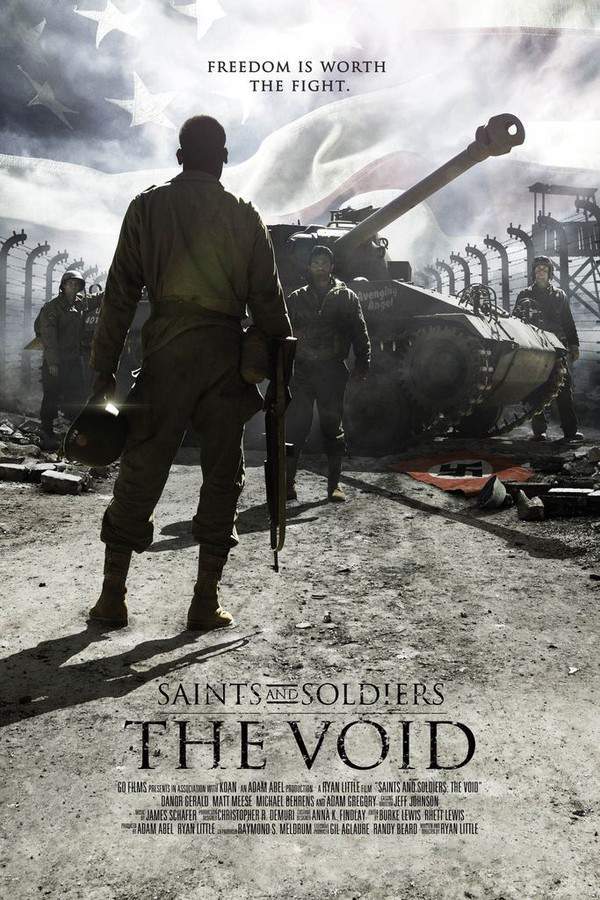
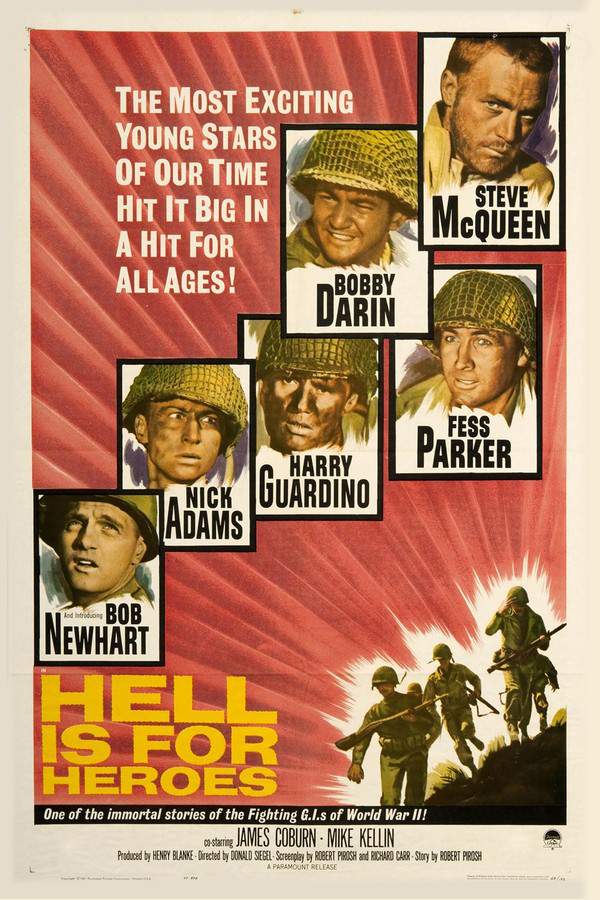
Bleak Prisoner of War Dramas similar to 1971

Stories of captivity, resistance, and the grim reality of imprisonment during war. For viewers of 1971 who appreciated its depiction of POW captivity and escape, this list features similar bleak prisoner of war dramas. These films are characterized by a tense, heavy tone, themes of honor and sacrifice, and a focus on the psychological toll and grim realities of military imprisonment.

  • claustrophobic
  • tense
  • grim
  • tragic
  • hopeful
  • suspenseful
  • Tone: tense, bleak, tragic
  • Pacing: steady, building to fast-paced escape
Why these movies?

The story pattern: The narrative pattern revolves around characters enduring the hardships of captivity, often plotting an escape that serves as the story's driving force. Conflict arises from the oppressive captors and the internal dynamics of the prisoner group. The journey is emotionally devastating, frequently exploring themes of sacrifice, duty, and the lasting trauma of war, even in freedom.

Why they belong together: These movies are united by their central focus on the prisoner of war experience. They share a consistently tense and grim mood, high emotional weight, and often tragic endings. The setting of confinement and the themes of resilience, sacrifice, and the brutal cost of war create a cohesive viewing experience.

If you liked this

Movies Like 1971

Similar movies to 1971: the same genre, themes or kind of story. Each one comes with its own plot summary, timeline and ending explained.

Browse all movie summaries

Every angle

1971 (2007) Explained: Plot, Timeline & Characters

Everything about 1971 in one place: what happens in the plot summary, the timeline in chronological order, the characters and meaning and a spoiler-free summary. What's After the Movie adds the cast, box office and post-credit scenes.

Coming soon on iOS and Android

The Plot Explained Movie Summary App

Plot summaries, endings explained and timelines on your phone. Catch up on any movie in minutes, save your favorites and never miss a twist again.

Be the first to know when we launch. Your email stays private, always.

Learn more about the app