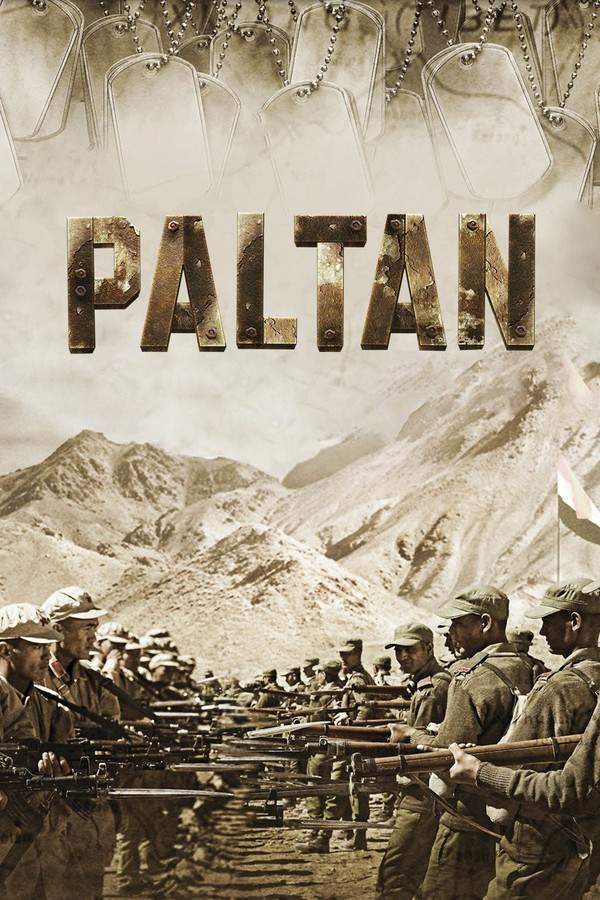
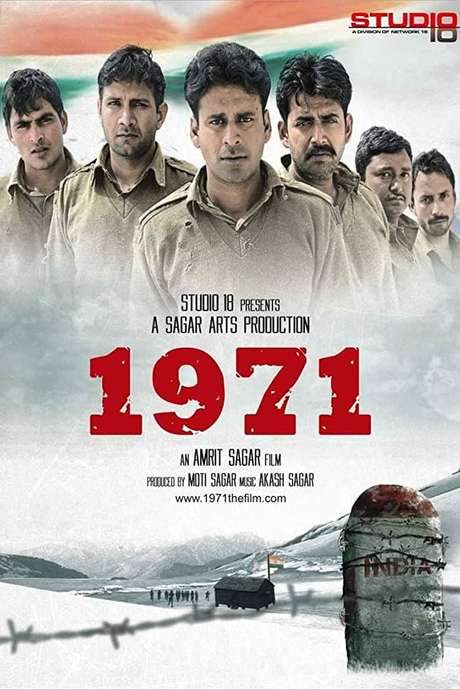
The film opens in Georgia, where a Pakistani UN Peace Keeping Forces squad arrives at a hidden building only to ignite a brutal crossfire. As the firefight intensifies, reinforcements are called in and a swift counterstrike shifts the balance. The Indian contingent is led by Colonel Mohanlal, who orchestrates a daring operation to gun down the militants and secure the trapped soldiers. In the tense aftermath, he crosses paths with the Pakistani commander, Lt. Col Muhammed Akhram Raja, a figure whose pride and past will soon collide with India’s own war story. The Pakistani leader, portrayed by the clan of intrigue and resolve in the cast, reveals a personal scar: his father was killed in the Indo-Pakistani War of 1971. Responding to this claim, the Indian commander asserts a deeper history, hinting that his own father was instrumental in Avenging that loss. Colonel Mahadevan’s counterpart and his bloodline become a throughline that threads the two sides together.
The narrative then rewinds to 1971, a period marked by Bangladesh’s struggle for independence and a broader, brutal conflict between India and Pakistan. On 3 December 1971, Indian airfields come under attack, prompting Prime Minister Indira Gandhi to declare war. The march of armies is relentless: a full-scale mobilization, canceled leaves, and a surge of determination on both sides. The war kickstarts with a lightning assault by the Pakistani Armoured Corps against Indian positions along the Basantar river. Early missteps leave Indian defenses vulnerable, and a harsh defeat follows, with many Indian POWs falling into enemy hands and facing harsh treatment. Amid this chaos, Lt. Col Akhram Raja (the Pakistani commander) confronts the breach of the Geneva Convention — a moment that tests his own code of conduct against the brutal realities of war.
As the fighting intensifies, Indian forces strike back in a robust counteroffensive. The mission is punctuated by personal valor and tragedy: one of India’s finest tank commanders, Chinmay, is fatally wounded in action. On seeing Chinmay’s face, the troops understand the human cost of the conflict, with Raja noting that a single young officer had taken down six tanks. In response, a ceasefire is agreed momentarily to retrieve Chinmay’s fallen body, a bitter reminder that war spares no one. The Indian troops rally with a renewed vow of vengeance, while the Pakistani side must contend with the high stakes of asymmetrical warfare and the personal loyalties that bind soldiers to their officers and comrades.
The Battle of Basantar escalates into a brutal, high-casualty confrontation where both sides dig in and endure heavy losses. The war’s momentum shifts as Indian forces press their offensive, and the tension culminates in a dramatic one-on-one clash between the two lead adversaries: Raja and the Indian commander whose legacy is entwined with his own father’s actions. In a defining moment, the Indian side emerges victorious, and Pakistan ultimately surrenders unconditionally, leading to a formal ceasefire. Yet the victory is tempered by grief and reflection, with Sahadevan, a man shaped by personal loss on both sides, wrestling with the grave costs of war.
In the closing moments, the film returns to the present through a quiet, personal recollection. A now aged Brigadier Sahadevan narrates the core message to his grandchildren: war, with its toll of lives and its emotional scars, offers little to gain and much to lose. The tale closes on a thoughtful note about the futility of conflict, suggesting that true peace lies beyond the battlefield.
Throughout this saga, the human stories—the bonds between soldiers, the weight of history, and the wish for a future without war—are foregrounded with care. The performances, especially the veterans’ perspectives and the younger warriors’ courage, knit together a narrative that honors both sides’ sacrifices while urging a sobering view of violence as a last resort.