Plot Explained Spoilers guaranteed!
Plot Explained

Browse by genre

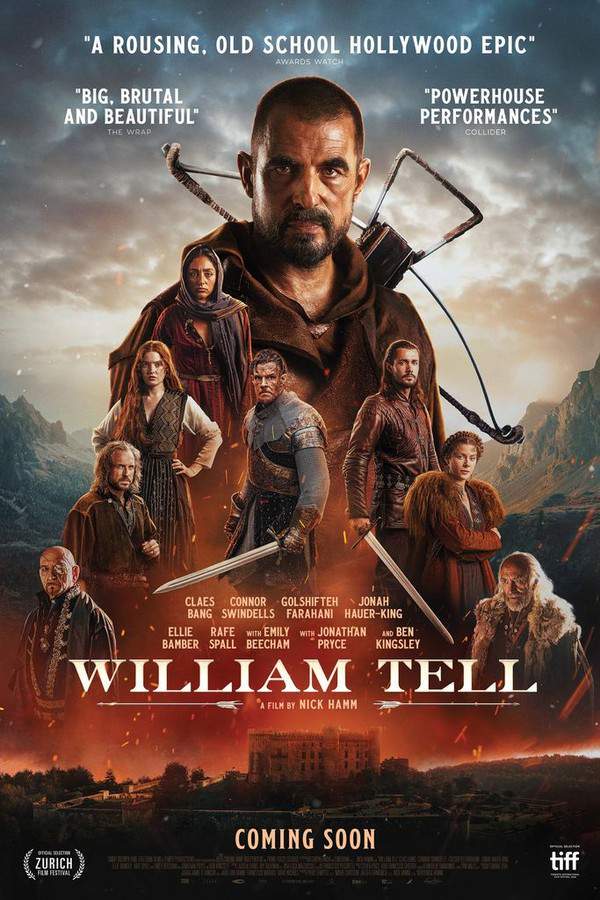
William Tell (2025) movie poster

Ending Explained

William Tell (2025) Ending Explained – Final Scene & Meaning

Release, runtime and language
2025 · 2 h 13 m · English
Echo score 55
Loading streaming availability…
Directed by
Nick Hamm
Starring
Jonah Hauer-King, Golshifteh Farahani, Ben Kingsley, Diarmaid Murtagh, Rafe Spall, Ellie Bamber

In 14th-century Europe, as the Holy Roman Empire struggles with competing nations and Austria seeks to expand its territory, Switzerland faces increasing pressure. William Tell, once a peaceful hunter, is compelled to act when Austria's ambitions threaten his homeland and family.

On this page (7)
  1. 1 Where to watch
  2. 2 What happens at the end
  3. 3 Final events in order
  4. 4 Ending questions answered
  5. 5 Movie threads
  6. 6 Movies like William Tell
  7. 7 Every angle
Loading streaming availability…

Ending explained · contains spoilers

What Happens at the End of William Tell?

How William Tell (2025) ends, what the final scene means, which earlier moments set it up and how to read the ending if the film leaves it open. The full ending explained, with every spoiler.

The film ends with William Tell finally confronting and capturing Gessler, the tyrannical Austrian viceroy cruelly oppressing the Swiss people. In a dramatic moment, William has the chance to execute Gessler publicly as a symbol of justice and rebellion, echoing his legendary act of shooting an apple off his son's head. However, his son Walter, recalling the lesson about mercy and morality William once taught him, pleads with his father to show restraint. Moved by his son's words, William decides not to kill Gessler, symbolizing a hope for a future based on justice rather than revenge. Instead, he allows Gessler to be taken away, and the movie closes with the Swiss people, inspired by their hero, continuing their fight for freedom. The final scenes hint that William’s actions have sparked a larger rebellion that will eventually lead to the formation of the Swiss confederation, days of tyranny are over, but the struggle for independence persists. The ending underscores themes of moral integrity, hope, and the enduring fight for justice against oppression.

Last updated: June 25, 2025 at 08:44

Was this helpful?

The last 4 events

How William Tell Ends: The Final Events in Order

The last events of William Tell (2025) in chronological order, the run-up to the ending explained above. The complete timeline has all 14 events, scene by scene.

Open the full timeline
  1. Rudenz escapes; dies amid the siege

    Melchtal helps Rudenz escape Altdorf and return to Attinghausen, where he pledges himself to the Swiss cause. In the ensuing conflict, Rudenz is killed alongside Werner Stauffacher during the fighting in Altdorf. The losses underscore the high price paid for Swiss freedom.

    When
    1307–1308
    Where
    Altdorf / Attinghausen
  2. Rütli pact: cantons unite in shadow

    That night, leaders from Unterwalden, Schwyz, and Uri gather in a hidden cave near the Rütli meadow to formalize their alliance. The pact cements a united Swiss front against the Habsburgs and signals the birth of a broader resistance. It is the symbolic birth of the Swiss Confederacy.

    When
    Night of 1307
    Where
    Rütli meadow (near present-day Uri/Schwyz border)
  3. Altdorf siege; Gessler defeated; Tell spares the tyrant

    Resistance fighters storm Altdorf, opening the gates via a secret tunnel and seizing control of the city. Gessler is overwhelmed as Rudenz and Stauffacher are killed; Walter is captured, and the Swiss resist with growing momentum. Tell confronts Gessler on the town gates, but he spares the despot after Walter’s plea, and the Austrian king’s forces withdraw upon learning of Albert's death.

    When
    Daybreak–dawn of siege, 1307–1308
    Where
    Altdorf
  4. Aftermath: Bertha reunites with Tell; Agnes' vow

    Three days after the siege, Tell returns to his old life as Bertha reunites with him. Agnes, Albert's daughter, vows vengeance on the Swiss, including Tell, foreshadowing a new cycle of conflict. The film closes with the uneasy balance between freedom won and the price of vengeance to come.

    When
    Three days after the siege, 1307–1308
    Where
    Altdorf/Uri

Ending questions answered

William Tell Ending: Your Questions Answered

The questions people ask most about the ending of William Tell (2025): what the final scene means, how the twist works, what happens to each character and how to read the ending. Each answer contains spoilers.

Q1

Why doesn't William Tell kill Gessler at the end?

William Tell chooses not to execute Gessler after his son Walter pleads for mercy, recalling the moral lesson William taught him about justice versus revenge. This decision symbolizes William's commitment to building a future based on lawful justice rather than cyclical violence, showing personal growth from a vengeful hunter to a leader who values moral integrity.

Foreshadowing: Earlier in the film, William teaches Walter about mercy and morality, establishing the principle that ultimately guides his final decision.

  • william tell
  • gessler
  • mercy
  • justice
  • revenge
  • walter
Q2

Does William Tell kill Gessler in the movie?

No, William Tell does not kill Gessler. After capturing the tyrannical Austrian viceroy, William has the opportunity to execute him publicly but chooses instead to have Gessler taken away. While Gessler does not receive a heroic death, the film implies he will face justice through proper channels rather than summary execution.

  • gessler
  • death
  • execution
  • viceroy
Q3

What does Walter Tell's plea for mercy represent in the ending?

Walter's plea represents the culmination of William's moral teachings and the film's theme that true justice requires restraint. By asking his father to show mercy, Walter proves that the next generation understands the difference between revenge and justice, suggesting Switzerland's future depends on principled leadership rather than violent retaliation.

Foreshadowing: William's earlier lessons about mercy and morality directly foreshadow this moment where Walter returns those teachings to his father.

  • walter
  • mercy
  • moral
  • justice
  • father son
Q4

What happens to the Swiss rebellion after William Tell's decision?

William's choice to spare Gessler and his visible mercy inspire the Swiss people to continue their fight for freedom. The final scenes hint that his actions spark a larger rebellion that will eventually lead to the formation of the Swiss confederation, suggesting his moral example is more powerful than personal vengeance in uniting the people.

  • swiss confederation
  • rebellion
  • freedom
  • independence
Q5

What happens to Gessler at the end of William Tell?

Gessler is captured by William Tell but is not executed. Instead, William has him taken away to face justice through proper means rather than public execution. The film closes with Gessler defeated but alive, though the exact nature of his eventual punishment remains ambiguous.

  • gessler
  • captured
  • viceroy
  • austrian
Q6

Is the ending of William Tell happy or sad?

The ending is bittersweet. While the immediate tyrant Gessler is defeated and William's moral choice brings hope for a just future, the film acknowledges that key allies have died and warns of an even bloodier conflict ahead. The triumph is tempered by loss, leaving the audience with hope for justice but aware the struggle continues.

  • bittersweet
  • ending
  • outcome
  • victory
  • loss
Q7

What is the significance of the apple in the ending?

The ending echoes William's legendary act of shooting an apple off his son's head by giving him another chance to execute a tyrant publicly. However, the parallel is subverted, instead of demonstrating perfect aim, William demonstrates perfect moral judgment by choosing mercy over vengeance, suggesting his greatest achievement is not marksmanship but moral strength.

  • apple
  • legend
  • symbolism
  • moral choice
Q8

What is William Tell's legacy at the end of the movie?

William Tell's legacy at the end is that of a moral revolutionary who proved justice matters more than revenge. By sparing Gessler, he establishes that freedom fighters must hold themselves to higher moral standards than their oppressors, inspiring the Swiss people and setting the foundation for a confederation built on principled governance.

  • legacy
  • freedom fighter
  • justice
  • moral
  • inspiration
Q9

Does the ending confirm Switzerland becomes free?

The ending confirms that William's actions have sparked a rebellion that will eventually lead to the Swiss confederation. However, the film makes clear this is just the beginning, days of tyranny are over, but the struggle for full independence persists, implying a long and bloody conflict lies ahead.

  • swiss confederation
  • independence
  • future
  • freedom
Q10

What are the main themes explored in the ending?

The ending explores themes of moral integrity versus revenge, hope versus oppression, and the true meaning of justice. By choosing mercy, William demonstrates that lasting freedom requires building just systems rather than simply removing tyrants. The film argues that the real victory lies not in killing oppressors but in becoming better than them.

  • themes
  • justice
  • mercy
  • integrity
  • hop
  • freedom

Movie threads

More Movies Like William Tell, by Mood & Story

Curated lists built around what makes William Tell tick: the same mood, the same kind of story or the same emotional payoff. Each list explains why these movies belong together.

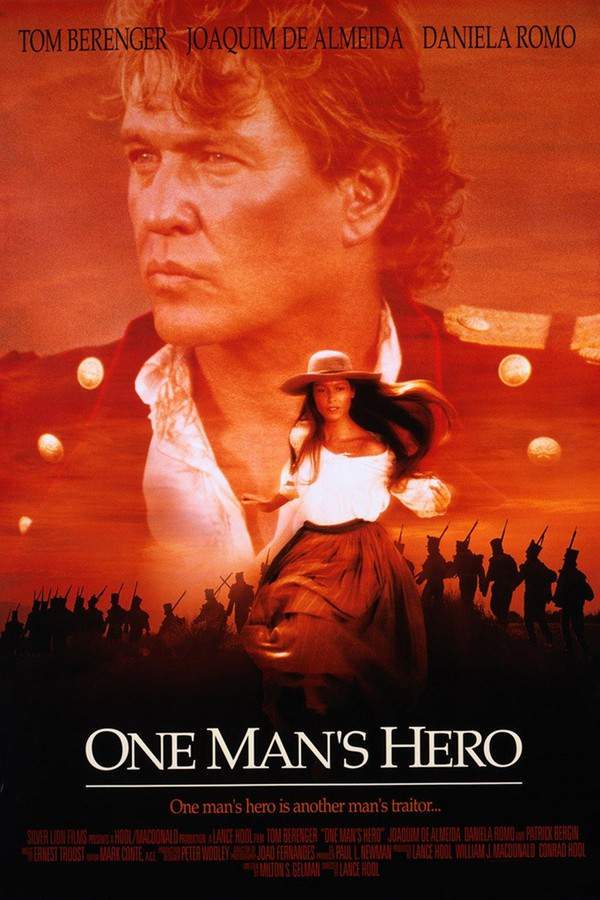
Movies about reluctant heroes fighting tyranny like William Tell

Ordinary people driven to violence to protect their homes from tyranny. If you enjoyed William Tell, explore other movies about ordinary people becoming freedom fighters. These films feature high-stakes historical or fictional conflicts, heavy emotional weight, and protagonists forced into violence to defend their homes and families against oppressive regimes.

  • defiant
  • brutal
  • patriotic
  • tense
  • grim
  • hopeful
  • Tone: dark, defiant, grim
  • Pacing: fast, high-stakes
Why these movies?

The story pattern: The narrative follows a protagonist living a peaceful life until an external threat—often a foreign occupation or brutal regime—directly endangers their family or community. This inciting incident sparks a moral awakening, leading them on a path of resistance that is physically brutal and emotionally devastating, questioning the very cost of the freedom they seek.

Why they belong together: They share a core character arc of a peaceful individual transformed by necessity into a warrior, set against a backdrop of grim political oppression. The tone is dark and intense, the pacing is fast with high-stakes action, and the emotional journey is heavy, culminating in a victory that feels earned but scarred by loss.
Grim historical war epics similar to William Tell

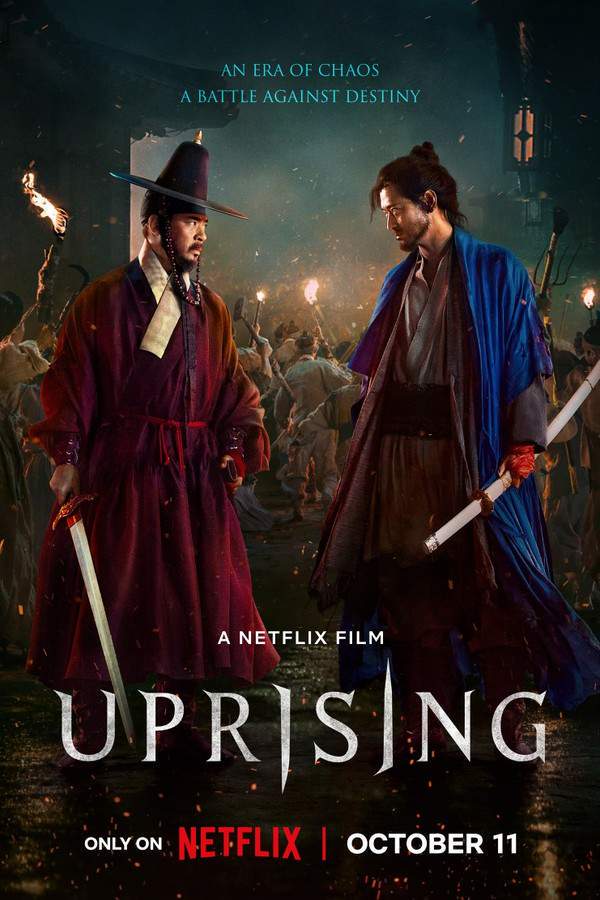
Sweeping stories where the fight for freedom is depicted with brutal honesty. Fans of the intense and fast-paced historical action in William Tell will appreciate these movies. They are sweeping war epics that depict the brutal reality of resistance movements, featuring tense battles, political intrigue, and a focus on the heavy cost of fighting for freedom.

  • tense
  • oppressive
  • brutal
  • suspenseful
  • patriotic
  • grim
  • Tone: dark, tense, oppressive
  • Pacing: fast, event-driven
Why these movies?

The story pattern: These epics are set during pivotal historical conflicts, following a group or nation as they resist a dominant, tyrannical force. The plot is driven by key events like battles, assassinations, and betrayals, moving at a brisk pace. The focus is on the collective struggle, showcasing both the strategic defiance and the visceral, often horrific, human cost of war.

Why they belong together: They are united by a dark, oppressive tone, fast pacing filled with action and suspense, and a high level of intensity from both violence and emotional stakes. The setting is a historically grounded war for independence, and the narrative delivers a visceral, unflinching look at the price of liberty.

If you liked this

Movies Like William Tell

Similar movies to William Tell: the same genre, themes or kind of story. Each one comes with its own plot summary, timeline and ending explained.

Browse all movie summaries

Every angle

William Tell (2025) Explained: Plot, Ending, Timeline & Characters

Everything about William Tell in one place: what happens in the plot summary, the timeline in chronological order, the characters and meaning, the ending explained and a spoiler-free summary. What's After the Movie adds the cast, box office and post-credit scenes.

Coming soon on iOS and Android

The Plot Explained Movie Summary App

Plot summaries, endings explained and timelines on your phone. Catch up on any movie in minutes, save your favorites and never miss a twist again.

Be the first to know when we launch. Your email stays private, always.

Learn more about the app