Plot Explained Spoilers guaranteed!
Plot Explained

Browse by genre

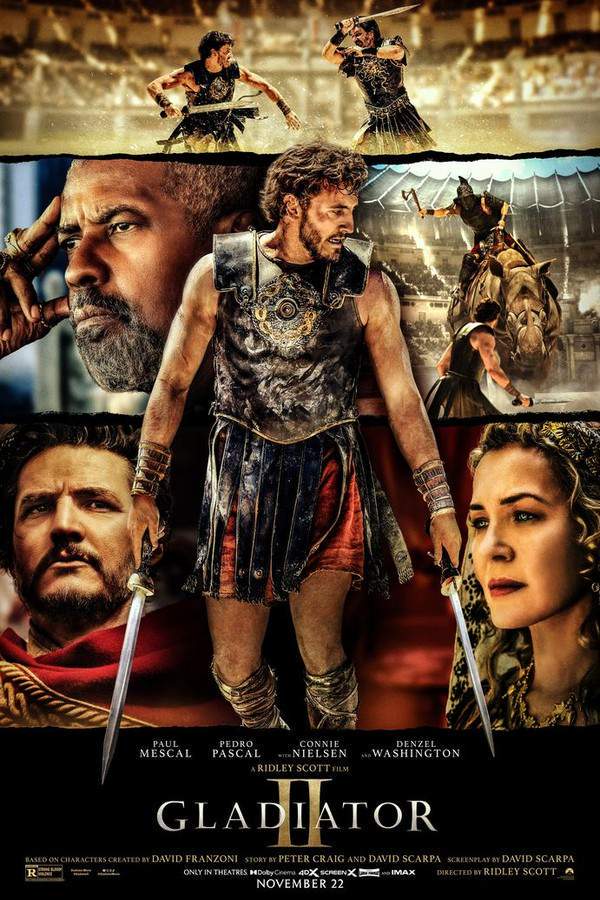
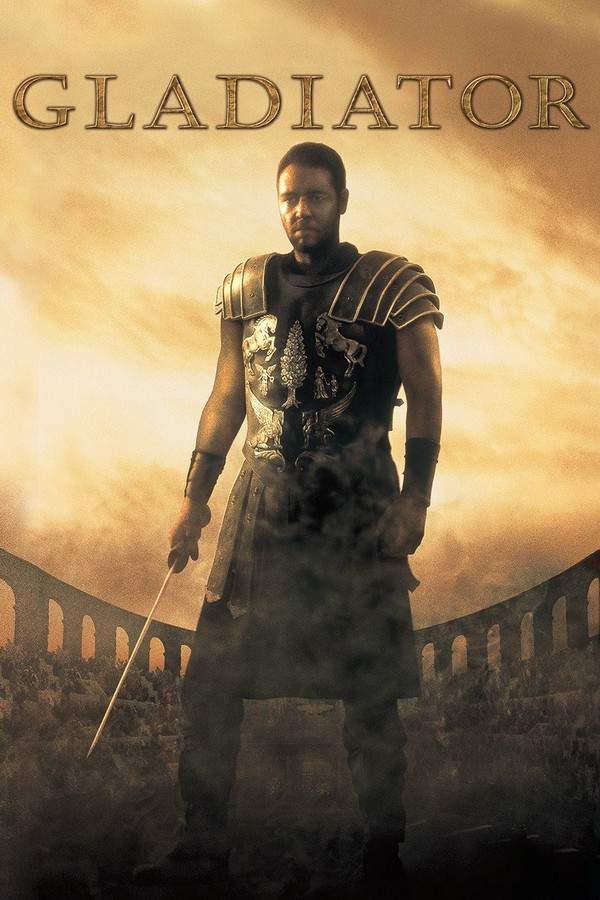
Gladiator (2000) movie poster

Plot Summary

Gladiator (2000) Plot Summary Explained

Release, runtime and language
2000 · 155 min · English
JustWatch #307 103
Directed by
Ridley Scott
Starring
Russell Crowe, Connie Nielsen, Joaquin Phoenix
Budget
$103M

In ancient Rome, the celebrated general Maximus is betrayed when the ambitious Commodus murders Emperor Marcus Aurelius and destroys his family. Stripped of his rank and devastated, Maximus survives and finds himself forced to disguise himself as a gladiator. He rises through the ranks of the Colosseum, seeking to avenge his loved ones and expose Commodus's treachery, ultimately fighting to restore honor and justice to Rome.

On this page (6)
  1. 1 Where to watch
  2. 2 What happens: full plot
  3. 3 Plot questions answered
  4. 4 Movie threads
  5. 5 Movies like Gladiator
  6. 6 Every angle

Where to watch

Where to Watch Gladiator (2000)

Where can you watch Gladiator? Stream, rent or buy it in the US, including on fuboTV, Kanopy and Paramount Plus Essential: current JustWatch availability with up-to-date prices.

Streaming availability powered by JustWatch

Full plot summary · contains spoilers

What Happens in Gladiator: Full Plot Summary

The whole story of Gladiator (2000) explained, from the opening scene to the final frame: every key event, every twist and what it all adds up to. Read it as a quick recap before the sequel, to check a scene you missed, or to finally understand what really happened.

Shouting "Roma Invicta!" as his troops charge, General Maximus Decimus Meridius leads the Roman Army to a hard-won victory against Germanic barbarian tribes in 180 A.D., concluding a lengthy conflict and earning the respect of the aged Emperor Marcus Aurelius. As Aurelius nears death, he chooses to entrust temporary power to the honorable Maximus, with the intention of ultimately returning authority to the Roman Senate. This critical decision is communicated to Maximus, who is given a moment to ponder his new role, before Aurelius reveals it to his envy-ridden son, Commodus. Consumed by jealousy, Commodus murders his father to seize the throne.

Declaring himself Emperor, Commodus seeks Maximus’ loyalty, which the general, having realized Commodus' treachery, vehemently rejects. Furious, Commodus orders Maximus’ death and dispatches the Praetorian Guards to execute his wife and son as well. Maximus escapes the initial execution attempt, but tragically, he returns home to find his family's charred remains amid the devastation of his villa. Overwhelmed by grief, Maximus collapses on their graves after giving them a proper burial.

Captured by slave traders, Maximus is transported to Zucchabar, a harsh region in North Africa, where he is sold to Proximo, the owner of a gladiator school. Spiraling into despair over his family’s fate and feeling betrayed by the empire he served, Maximus initially refuses to fight. However, his remarkable skills as a warrior soon earn him the admiration of the crowd as he defends himself in the arena. During his training and subsequent battles, he forms friendships with Hagen, a Germanic warrior, and Juba, a Numidian hunter, who becomes a confidant to the mourning Maximus, often discussing the afterlife and the hope of reuniting with his family.

In Rome, Commodus reignites the gladiatorial games to mark his father’s death, and Proximo’s gladiators are summoned to participate. In a grand reenactment of the Battle of Zama, the crowd is captivated as Maximus leads the gladiators to triumph against a seemingly invincible foe. When Commodus discovers that the leader of the gladiators is none other than Maximus, he is taken aback, unable to act against him due to the audience's fervent adoration.

As time progresses, Commodus pits Maximus against Tigris of Gaul, Rome’s undefeated gladiator, in a dangerously designed arena filled with captive tigers specifically trained to attack him. After an intense contest, Maximus emerges victorious and chooses to spare Tigris' life, a decision that angers the Emperor but simultaneously earns Maximus the title of "Maximus the Merciful." As Commodus suffers from the dual blows of his inability to eliminate Maximus and the loss of his own popularity, he devises schemes against his rival.

Through an encounter with Cicero, an ally from his past, Maximus learns that his loyal army awaits him at Ostia. Together with his former servant, Lucilla, Commodus’ sister, and Senator Gracchus, they plot to reclaim power from Commodus. However, Commodus, suspecting betrayal, threatens Lucilla's son, forcing her to betray their plans. The ensuing attack by the Praetorian Guards leads to chaos in Proximo's barracks, resulting in the death of Hagen and Proximo while capturing Juba and the remaining gladiators. Amidst the upheaval, Maximus narrowly escapes but watches helplessly as Cicero is murdered in the fray, followed by a brutal ambush by the guards.

As legends forged in the Colosseum must meet their end therein, Commodus challenges Maximus to a climactic duel before a roaring audience. He resorts to dishonorable tactics, wounding Maximus before the combat begins, yet Maximus, resilient and skilled, soon overcomes him. Commodus, pleading for a sword from his guards, finds himself betrayed as they refuse to aid him. In the heat of the battle, Maximus triumphs, ultimately killing Commodus with the weapon that was meant to end him.

In the eerie silence that follows Commodus' fall, a dying Maximus catches glimpses of his beloved wife and son in the afterlife, yearning to join them but must first issue final commands. He orders the release of Proximo's gladiators and reinstates Senator Gracchus, instructing him to restore a Senate-led government in Rome. As Maximus succumbs to his wounds, Lucilla rushes to his side, where he provides reassurance of her son's safety and the demise of Commodus. As Maximus passes on, he is carried out from the Colosseum by the surviving gladiators, while Juba, now liberated, buries two small statues of Maximus' family in the ancient arena, promising he will join them one day — but not just yet.
Last updated: November 08, 2024 at 00:46

Was this helpful?

Plot questions answered

Gladiator Plot Explained: Your Questions Answered

The questions people ask most about Gladiator (2000): what happens in the confusing scenes, why the characters do what they do, the twists, hidden details and what the ending means. Each answer contains spoilers.

Q1

Why did Emperor Marcus Aurelius choose Maximus to rule instead of his son Commodus?

Marcus Aurelius chose Maximus because he trusted the general's honor and wanted to return power to the Roman Senate rather than establish a dynasty. Aurelius believed Commodus was unfit to rule and saw Maximus as the only leader who would restore the Republic's values. This decision was communicated to Maximus privately before Aurelius could announce it publicly, which is why Commodus murdered his father before learning the full truth.

Foreshadowing: Earlier scenes show Commodos exhibiting jealousy and resentment toward Maximus, hinting at his vulnerability to betrayal.

  • marcus aurelius
  • commodus
  • succession
  • roman senate
  • throne
Q2

Why did Commodus murder his own father Emperor Marcus Aurelius?

Commodus murdered his father because of jealousy and greed for power. When Aurelius announced he would pass temporary power to Maximus with the intention of restoring authority to the Senate, Commodus realized his inheritance was being stolen. Rather than accept this decision, he suffocated his dying father to seize the throne immediately, eliminating both his rival and his obstacle in one act.

Foreshadowing: Commodus's jealousy was visible throughout his interactions with Maximus, and he openly questioned his father's choices.

  • commodus
  • marcus aureus
  • murder
  • throne
  • betrayal
Q3

How did Maximus go from Roman general to gladiator?

After refusing to pledge loyalty to the newly crowned Emperor Commodus, Maximus was sentenced to death. He escaped the initial execution but was captured by slave traders while wandering in grief. He was sold to Proximo, a gladiator school owner in Zucchabar, North Africa. Rather than fight, Maximus initially refused to participate in the arena, but his exceptional combat skills soon impressed the crowd and he became a celebrated gladiator.

Foreshadowing: The villa massacre left Maximus without purpose, making him vulnerable to capture.

  • maximus
  • gladiator
  • slavery
  • proximo
  • arena
Q4

Why didn't Commodus simply kill Maximus once he recognized him in the arena?

Commodus could not kill Maximus because the Roman crowd adored him too much. When Maximus led the gladiators to victory in the reenactment of the Battle of Zama, the audience erupted in cheers. As emperor, Commodus needed public approval to maintain his legitimacy, so he could not order Maximus's death without risking a riot. This forced him to find more subtle ways to eliminate his rival.

Foreshadowing: The crowd's reaction to Maximus during his first arena appearance foreshadowed his invincibility against direct imperial orders.

  • commodus
  • maximus
  • colosseum
  • crowd
  • popularity
Q5

Why did Maximus spare Tigris of Gaul's life after defeating him?

Maximus spared Tigris of Gaul as a calculated political move. By refusing to kill a defeated opponent, he earned the title 'Maximus the Merciful' and deepened the Roman crowd's affection. This also publicly humiliated Commodus, who had arranged the fight specifically to kill Maximus. The act demonstrated that Maximus possessed not just martial skill but also nobility, distinguishing him from the brutal emperor.

Foreshadowing: Maximus's discussions with Juba about honor and the afterlife revealed his values differed from typical gladiators.

  • maximus
  • tigris of gaul
  • merciful
  • arena
  • honor
Q6

Why did Lucilla betray Maximus's plan to overthrow Commodus?

Lucilla betrayed Maximus because Commodus threatened her son's life. When Commodus discovered the conspiracy through his spies, he told Lucilla that if she did not reveal the plot, her son would die. As a mother, she had no choice but to warn her brother, leading to the Praetorian Guards attacking Proximo's barracks. This betrayal was not out of loyalty to Commodus but maternal instinct.

Foreshadowing: Lucilla's earlier conversations with Maximus showed her conflicted feelings about her brother's rule.

  • lucilla
  • commodus
  • betrayal
  • conspiracy
  • praetorian guards
Q7

Why did Commodus wound Maximus before their final duel in the Colosseum?

Commodus wounded Maximus before their duel because he knew he could not defeat the general in fair combat. During a private meeting, Commodus stabbed Maximus in the side, believing this would ensure his victory. The wound weakened Maximus significantly, but Commodus's dishonorable tactics ultimately failed when Maximus's superior skill overcame the advantage.

Foreshadowing: Commodus had repeatedly shown he would use any means necessary to maintain power, including assassination and manipulation.

  • commodus
  • maximus
  • duel
  • colosseum
  • wound
Q8

How did Maximus die at the end of Gladiator?

Maximus died from wounds sustained during his duel with Commodus. After killing the emperor, Maximus was fatally stabbed in the side by Commodus before their fight began. He managed to deliver his final commands, freeing the gladiators and restoring the Senate, before succumbing to his injuries. His final moments showed him reuniting with his wife and son in the afterlife.

Foreshadowing: The earlier wound from Commodus, combined with the physical toll of the duel, made his death inevitable.

  • maximus
  • death
  • commodus
  • colosseum
  • afterlife
Q9

Why did Juba bury the small statues in the Colosseum after Maximus died?

Juba buried two small statues representing Maximus's family in the Colosseum as a tribute to his friend. Earlier, Maximus had told Juba about his family and his belief that he would reunite with them in the afterlife. By burying the statues where Maximus achieved his greatest glory, Juba honored his memory and promised to join them one day, closing the film on a hopeful note.

Foreshadowing: Juba and Maximus's conversations about the afterlife and home established this emotional payoff.

  • juba
  • statues
  • colosseum
  • memory
  • tribute
Q10

Why did Maximus refuse to pledge loyalty to Commodus after the emperor's coronation?

Maximus refused to pledge loyalty to Commodus because he knew the new emperor had murdered his father to seize power. Having witnessed Emperor Aurelius's death and understood the truth, Maximus could not serve the man who killed his mentor and usurped the throne. This defiance cost him his life and triggered Commodus's vengeful campaign against him and his family.

Foreshadowing: Maximus's honor was established early in the film through his treatment of soldiers and respect from Aurelius.

  • maximus
  • commodus
  • loyalty
  • betrayal
  • honor
Q11

How did Commodus find out about the plot to overthrow him?

Commodus discovered the conspiracy through his spy network and Lucilla's forced confession. When Commodus threatened to kill Lucilla's son if she did not reveal the plot, she caved and told her brother everything. This allowed Commodus to order the Praetorian Guards to attack Proximo's barracks, killing Hagen and Proximo while capturing Juba and the remaining gladiators.

Foreshadowing: Commodus's paranoia about losing power had been established through earlier surveillance of senators and rivals.

  • commodus
  • conspiracy
  • lucilla
  • praetorian guards
  • plot
Q12

Why did Hagen die in the attack on Proximo's barracks?

Hagen died during the Praetorian Guards' assault on Proximo's barracks while attempting to defend the gladiators. When Commodus's forces attacked to eliminate the conspirators, Hagen fought bravely but was overwhelmed and killed. His death, along with Proximo's, marked a turning point that forced Maximus to act alone in his final confrontation with the emperor.

Foreshadowing: Hagen's fierce loyalty to Maximus was established during their training and battles together.

  • hagen
  • death
  • praetorian guards
  • proximo
  • barracks
Q13

What happened to the Roman Senate after Maximus's final commands?

After Maximus's death, Senator Gracchus was instructed to restore a Senate-led government, reversing Commodus's autocratic rule. Maximus's dying wish was for Rome to return to the republican system his mentor Marcus Aurelius had envisioned. The film implies this restoration occurred, bringing justice back to Rome after Commodus's tyrannical reign.

Foreshadowing: Aurelius's original plan to return power to the Senate established this as Maximus's ultimate mission.

  • roman senate
  • gracchus
  • republic
  • restore
  • government
Q14

Why did Proximo free his gladiators at the end?

Proximo did not personally free the gladiators, it was Maximus who, in his final moments, ordered the release of all gladiators. This act was part of Maximus's broader command to restore freedom and justice to Rome. Proximo had already been killed during the Praetorian Guards' attack, so the actual liberation was carried out by the surviving gladiators following Maximus's dying wish.

Foreshadowing: Proximo had told Maximus that the arena was the only place a man could be truly free, establishing this thematic connection.

  • proximo
  • gladiators
  • free
  • freedom
  • liberty

Movie threads

More Movies Like Gladiator, by Mood & Story

Curated lists built around what makes Gladiator tick: the same mood, the same kind of story or the same emotional payoff. Each list explains why these movies belong together.

Epic revenge sagas with high emotional stakes like Gladiator

Grand stories of heroes rising from ruin to seek justice against overwhelming odds. If you were captivated by Gladiator's blend of grand spectacle and personal vengeance, this list is for you. Discover movies like Gladiator that feature fallen heroes on a determined path of revenge in epic historical or fantastical settings, where the emotional journey is as powerful as the action.

  • revenge-driven
  • epic
  • tragic
  • determined
  • agonizing
  • oppressive
  • Tone: dark, grim, tragic
  • Pacing: fast, relentless
Why these movies?

The story pattern: Movies in this thread typically follow a 'Fall and Rise' structure. A noble or skilled figure is brutally betrayed, stripped of their status, and left for dead. They must endure suffering and rise through a harsh new world—be it as a gladiator, outlaw, or warrior—to challenge a powerful tyrant, driven by a need for justice that is deeply personal and morally complex.

Why they belong together: These films are grouped together because they share a core narrative of righteous revenge set against a large-scale backdrop. They consistently deliver high-intensity action, a dark and oppressive tone, and a heavy emotional weight centered on themes of loss, honor, and the high price of achieving justice.

Grim historical dramas about resisting tyranny like Gladiator

Stories set in brutal eras where one individual defies a corrupt and oppressive regime. For viewers who appreciated Gladiator's oppressive atmosphere and its fight against a cruel emperor. Find similar movies like Gladiator that are set in brutal historical periods and center on a lone figure's struggle against a corrupt political system, where the stakes are life, death, and the soul of a nation.

  • oppressive
  • tyrannical
  • brutal
  • determined
  • political corruption
  • defiant
  • Tone: dark, oppressive, grim
  • Pacing: fast, high-stakes
Why these movies?

The story pattern: The narrative pattern involves a morally just character becoming entangled in or targeted by a decadent and tyrannical power structure. Their journey is one of survival and resistance, often from a position of extreme weakness. The story highlights the brutality of the system while focusing on the protagonist's unwavering determination to expose the corruption or inspire a rebellion, no matter the personal sacrifice.

Why they belong together: These movies are connected by their oppressive settings and central theme of standing against tyranny. They share a dark tone, fast pacing driven by constant peril, and a focus on the grim realities of power. The viewing experience is intense and weighty, emphasizing the high cost of resistance.

If you liked this

Movies Like Gladiator

Similar movies to Gladiator: the same genre, themes or kind of story. Each one comes with its own plot summary, timeline and ending explained.

Browse all movie summaries

Every angle

Gladiator (2000) Explained: Plot, Timeline & Characters

Everything about Gladiator in one place: what happens in the plot summary, the timeline in chronological order, the characters and meaning and a spoiler-free summary. What's After the Movie adds the cast, box office and post-credit scenes.

Coming soon on iOS and Android

The Plot Explained Movie Summary App

Plot summaries, endings explained and timelines on your phone. Catch up on any movie in minutes, save your favorites and never miss a twist again.

Be the first to know when we launch. Your email stays private, always.

Learn more about the app