Anno Domini 1573
Year: 1975
Runtime: 145 mins
Language: Serbo-Croatian
Director: Vatroslav Mimica
In the latter half of the 16th century Europe was harsh, and peasants in Slovenia and Croatia faced constant Turkish raids and heavy taxes for defense. Ruthless local lords led by Franjo Tahi oppressed them, sparking the great 1573 peasant revolt, depicted in a film made for its 400th anniversary.
Warning: spoilers below!
Haven’t seen Anno Domini 1573 yet? This summary contains major spoilers. Bookmark the page, watch the movie, and come back for the full breakdown. If you're ready, scroll on and relive the story!
Anno Domini 1573 (1975) – Full Plot Summary & Ending Explained
Read the complete plot breakdown of Anno Domini 1573 (1975), including all key story events, major twists, and the ending explained in detail. Discover what really happened—and what it all means.
Set in 1573, in the wooded hills of Hrvatsko Zagorje, Petar and his father venture into the forest under the shadow of Baron Tahy Tahy’s domain, hoping to bring food to their family. When Tahy’s men ambush them, Petar’s father is forced to strip and is hunted down and killed by Tahy’s dogs. Petar returns to a village where Tahy robs the peasants of food and even takes virgin girls to his castle. Rumors swirl about the Oathed Brotherhood, a group of peasant leaders determined to rise against the nobility.
A traveling comedian troupe arrives in the village, with the bold and sparkling presence of Regica. They perform to mock the local nobility and church, but when Tahy’s men close in, the villagers flee. Petar, hoping to use the troupe to locate the growing rebellion, follows them and encounters the fierce warrior Ilija Gregorić who fights Imperial troops single-handedly. Impressed by his courage, Petar becomes Gregorić’s squire, and the veteran leader tells him to seek out the blacksmith to learn his fate. blacksmith
The blacksmith helps them witness Gregorić’s daring escape, and the two set off together. Petar’s resolve hardens into a vow of revenge for his father. He joins the circle of rebellion when they meet the formidable leaders, including Matija Gubec and the trader Mikula. The group swears to strike soon, planning to move in from winter’s harsh grip, when peasants are most ready to rise. Gubec makes their overarching aim clear: “We want all men to be equal. The same as when they were born.” The oath is sealed as the leaders pledge to see this rebellion through.
When winter arrives, the peasants marshal their forces, and Petar returns home to discover his mother and sisters among the rebel ranks. With only a dagger, he joins the assault on Tahy’s castle. Tahy underestimates the mob, and his servants fall away as the peasants press forward. After brutal fighting, the walls are breached and the nobles are unmasked; a peasant girl takes Tahy’s son’s life, the castle’s stores are looted, and the rebels enjoy the wealth that comes with victory. They broadcast a proclamation that bans the nobility and the influence of the Roman Catholic Church, declaring independence.
In the rebel camp, Mikula faces judgment for theft; Gubec orders him hung, insisting that even founding supporters must be held to account. Gubec rises to remind his followers why they rose: to overturn the old order and ensure that their voices endure through the ages. The revelation that the visiting artist speaks Croatian, challenging foreign pretense, deepens the sense that truth and courage come from one’s own land. Petar meets peasants who have been captured and mutilated by the noble army—their warnings only steel his resolve to stay the course.
The rebellion gathers at Stubičko polje as Imperial forces approach. The battle unfolds with brutal courage and heavy losses on both sides. The comedian troupe is cut down in the chaos, mercenaries swarm the camp, and though the peasants stagger under the onslaught, they hold a stubborn line until reinforcements turn the tide. Petar is wounded, losing an eye, and the fighting grows fiercely costly for all involved.
In the aftermath, imperial and religious authorities erase the rebellion from memory. Matija Gubec is condemned and executed in a ritual of humiliation, bound to a mock throne and subjected to a cruel crown of heated metal before the throne is set aflame. Petar returns to his land, where the blacksmith’s workshop has been burned down, and he begins a new life with Regica. He and Regica start anew as a jester and performer, sharing a grim but hopeful refrain as they walk among the executed peasants, and he intones that the fight is far from over: “If they think this fight is done, they’re awfully mistaken. When we strike for a second time, not even their roots will stay on this land.”
Through triumphs and brutal losses, the film preserves the memory of a people who chose to challenge old powers, the costs of rebellion, and the enduring human hunger for dignity and equality. The final image—two unlikely survivors singing together beside the hanging victims—echoes a vow that history can bend, but not erase the quest for justice.
Last Updated: October 05, 2025 at 12:29

Explore Movie Threads
Discover curated groups of movies connected by mood, themes, and story style. Browse collections built around emotion, atmosphere, and narrative focus to easily find films that match what you feel like watching right now.
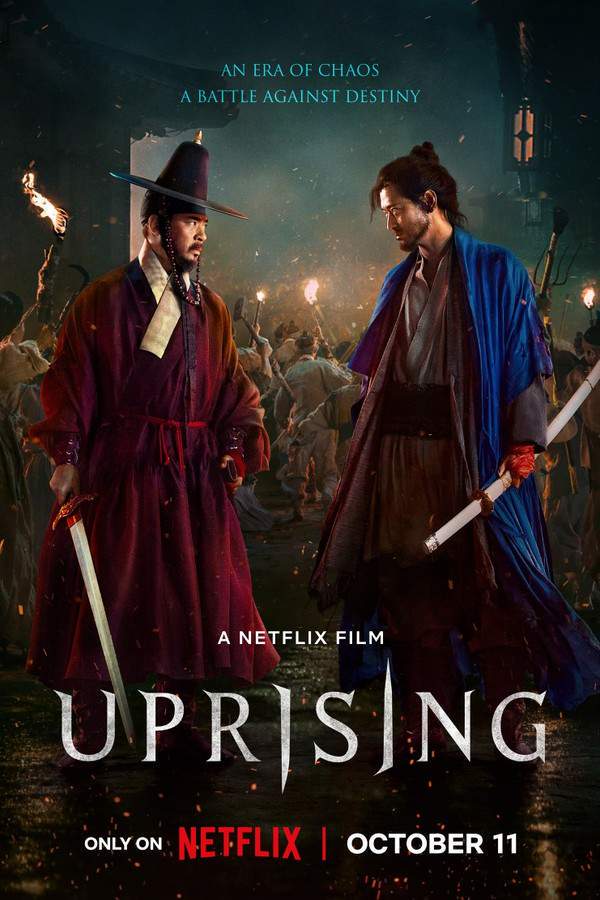
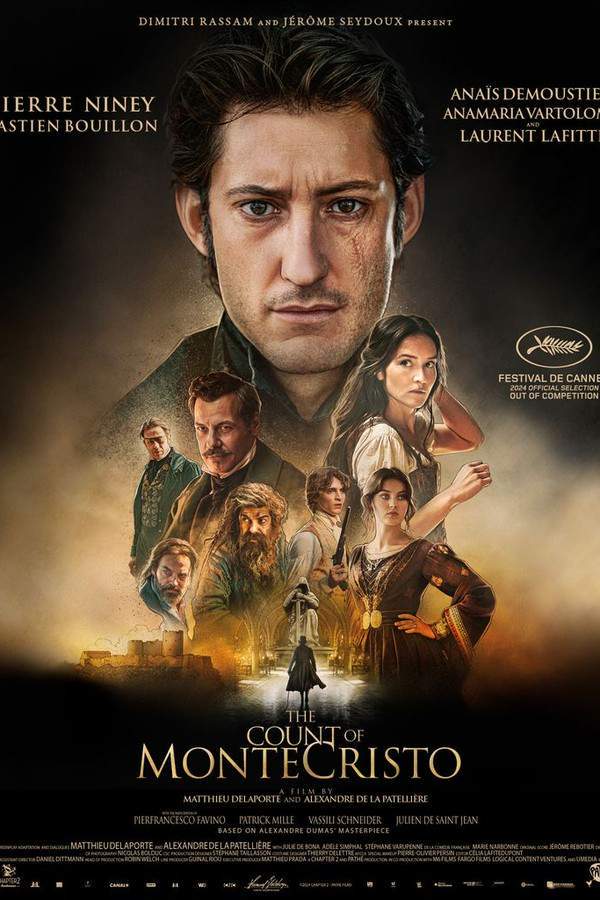
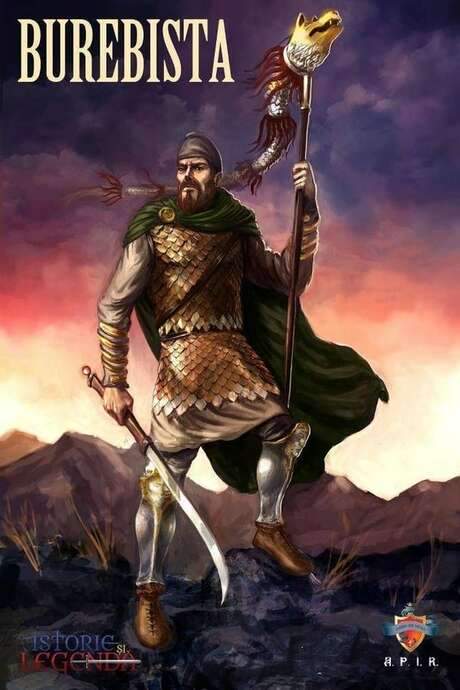
Movies about crushed rebellions with lasting hope like Anno Domini 1573
Stories of rebellions that fail physically but succeed in spirit.If you liked the tragic yet hopeful ending of Anno Domini 1573, explore similar historical dramas and war films. These movies focus on rebellions that are physically crushed but leave an enduring legacy of hope and resistance, perfect for viewers seeking emotionally heavy stories with bittersweet conclusions.
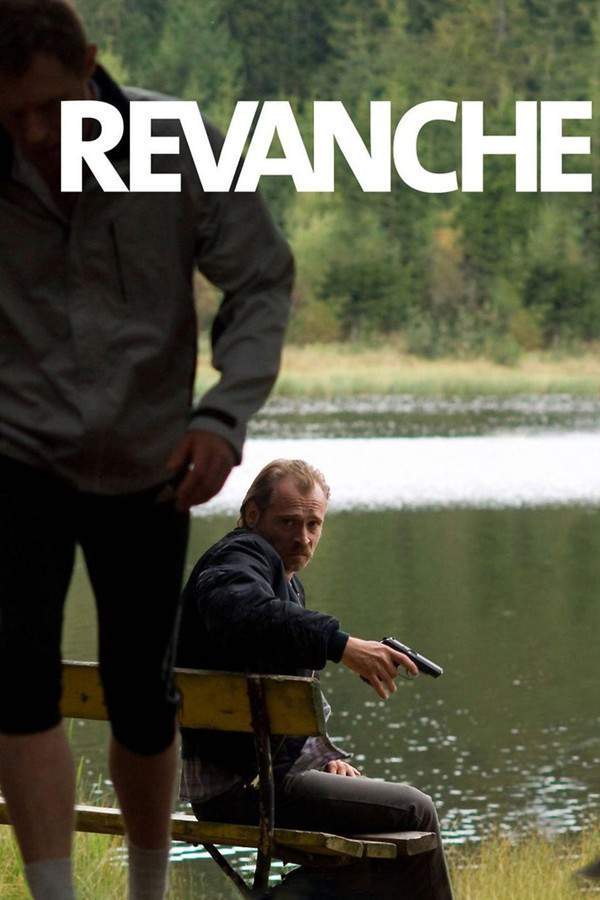

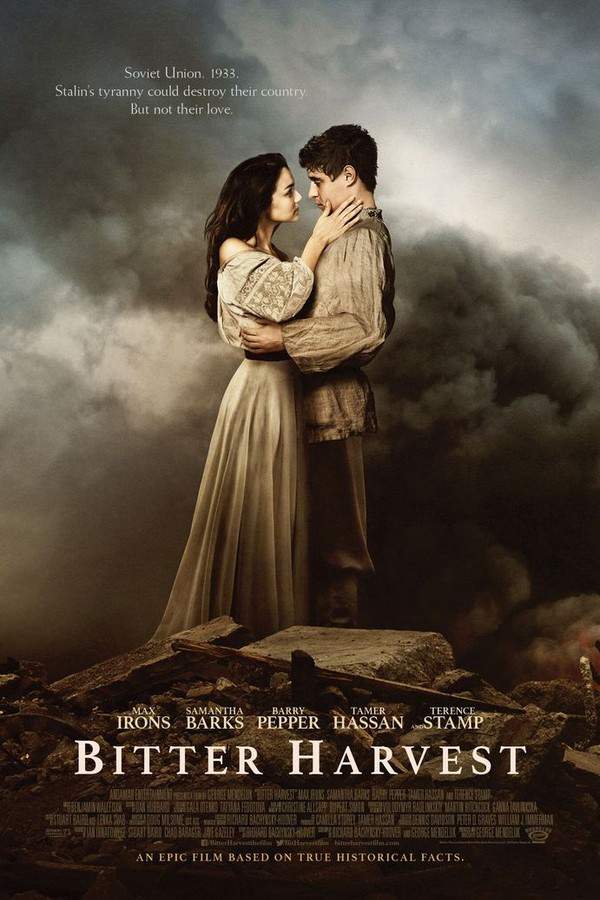
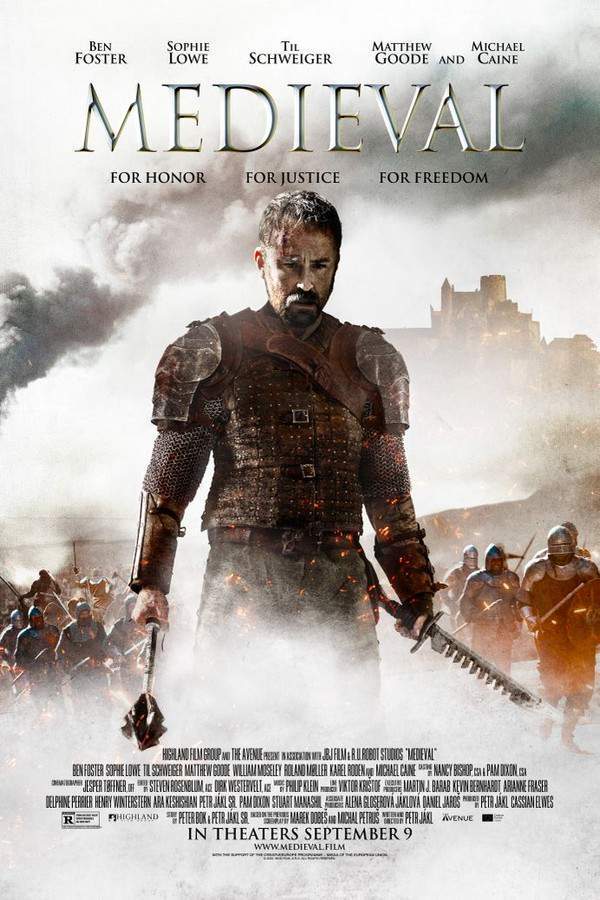
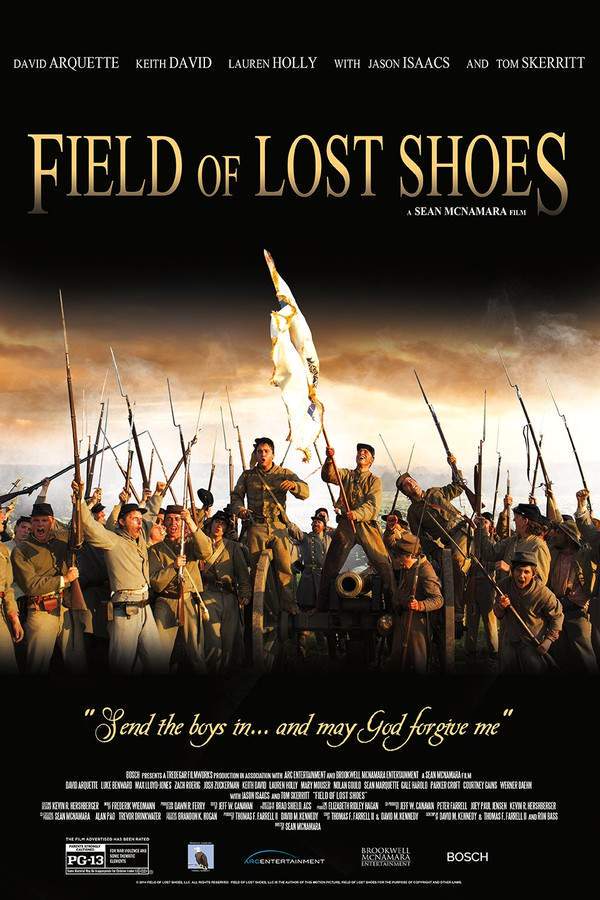


Narrative Summary
Narratives in this thread follow a clear arc: unbearable injustice sparks a desperate, organized rebellion. The revolt achieves initial success but is ultimately met with overwhelming force and brutally crushed. The ending, however, transcends pure tragedy by emphasizing that the act of rebellion itself becomes a symbol, inspiring future generations and ensuring the cause lives on.
Why These Movies?
Movies are grouped here because they share a specific emotional trajectory—building from oppression to violent uprising, culminating in a crushing defeat that is paradoxically uplifting. They balance the darkness of immediate failure with the light of long-term hope, creating a powerful and resonant bittersweet feeling.
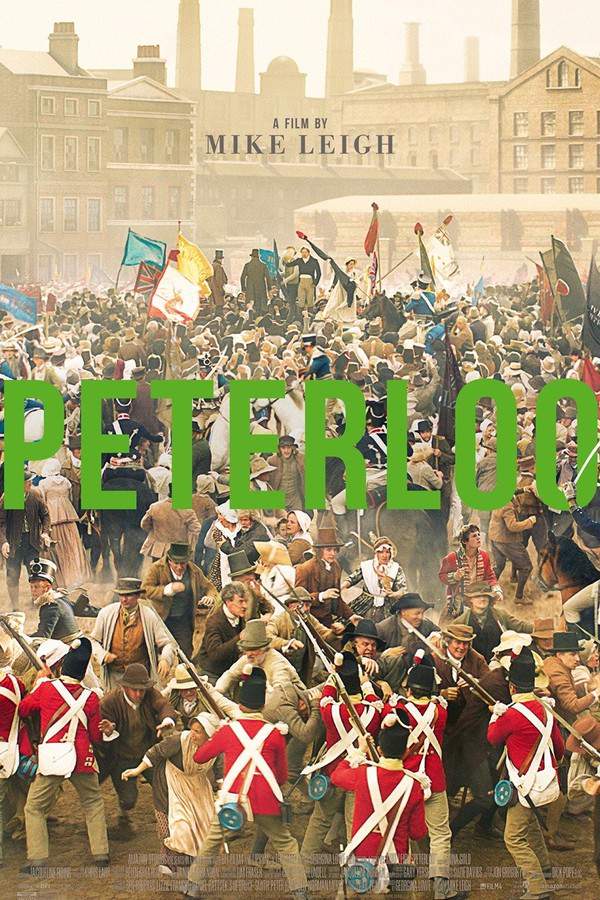
Grim historical dramas about oppression like Anno Domini 1573
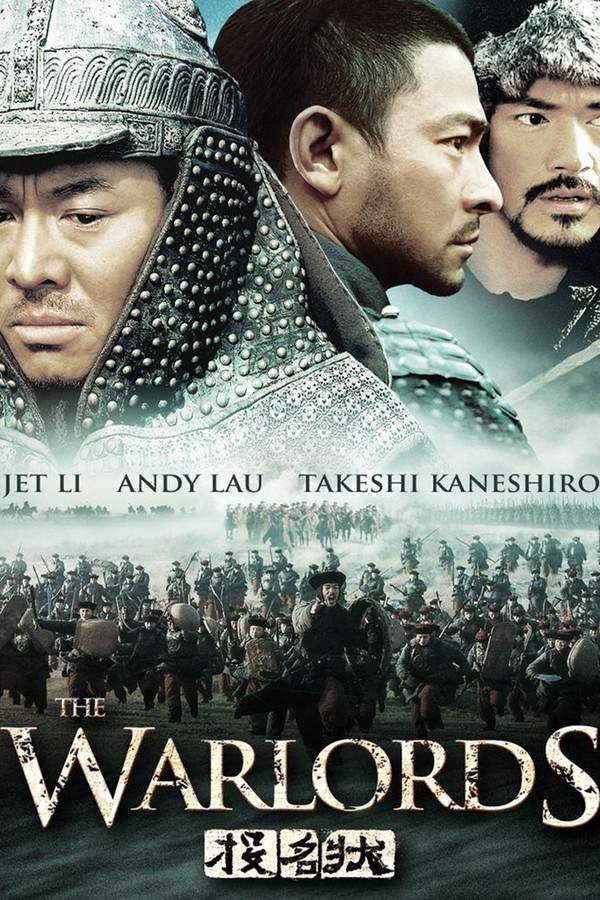
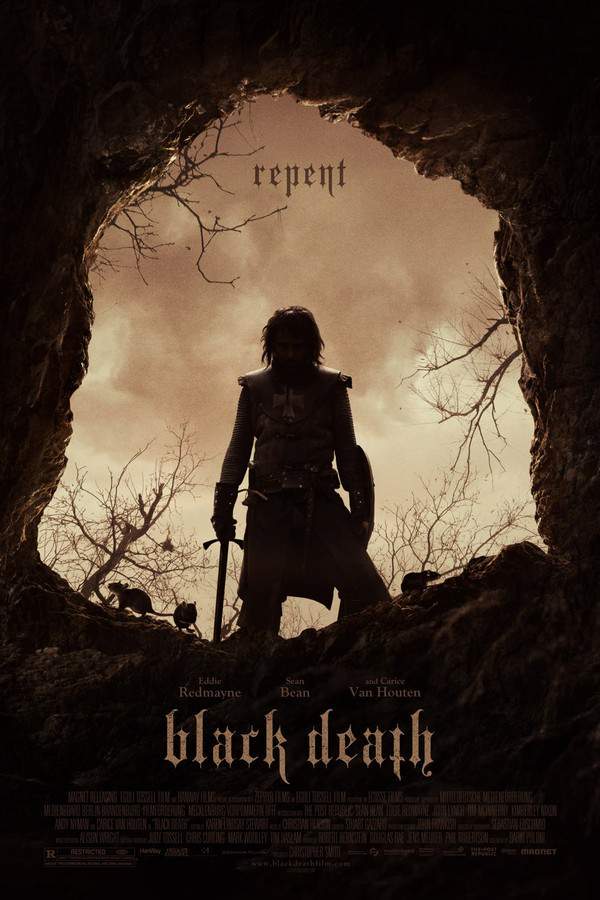
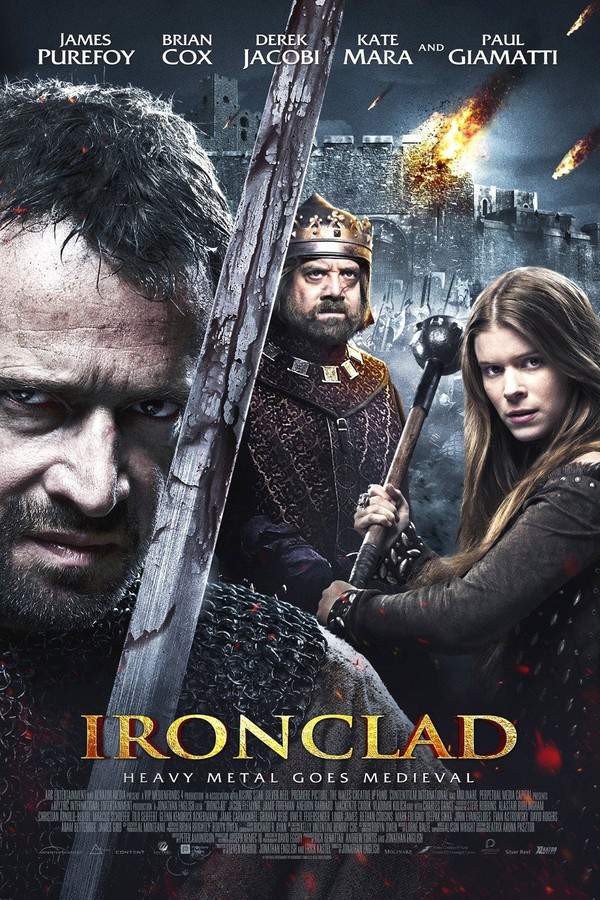
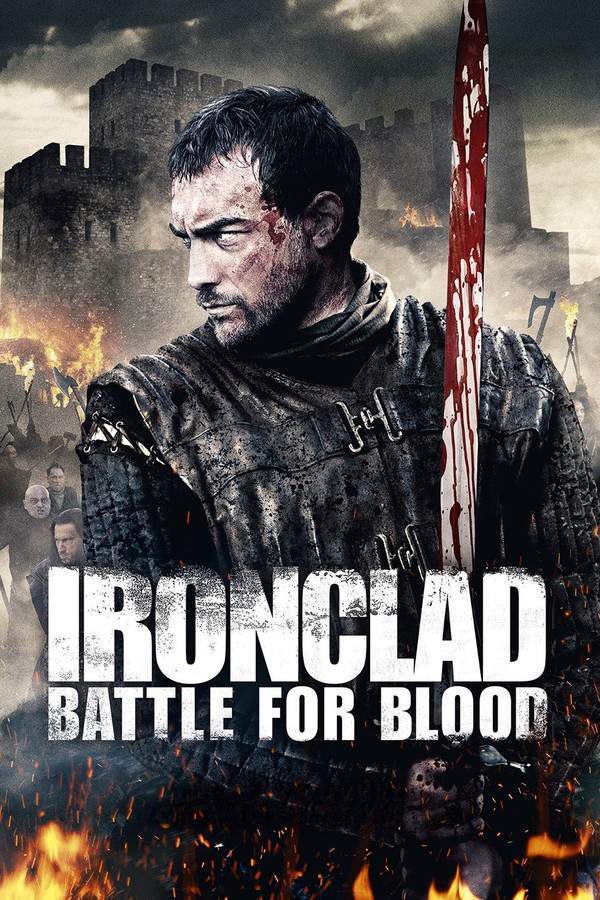
Unflinching depictions of harsh historical periods and class struggle.For fans of the grim and oppressive atmosphere of Anno Domini 1573, this list features similar movies. Discover other stark historical dramas that realistically portray war, social injustice, and the harsh lives of peasants or lower classes, delivering a heavy, impactful viewing experience.




Narrative Summary
The narrative pattern is often straightforward, following characters navigating a brutally unfair world. The conflict arises from systemic forces—feudal lords, invading armies, or rigid class structures—rather than individual villains. The focus is on depicting the relentless pressure of oppression and the raw, often tragic, human response to it.
Why These Movies?
These films are grouped by their shared commitment to a dark, oppressive tone and a high-intensity depiction of historical suffering. They prioritize atmospheric realism over romanticism, creating a cohesive vibe defined by grim settings, heavy themes, and a steady, methodical pacing that immerses the viewer in a harsh world.
Unlock the Full Story of Anno Domini 1573
Don't stop at just watching — explore Anno Domini 1573 in full detail. From the complete plot summary and scene-by-scene timeline to character breakdowns, thematic analysis, and a deep dive into the ending — every page helps you truly understand what Anno Domini 1573 is all about. Plus, discover what's next after the movie.
Anno Domini 1573 Timeline
Track the full timeline of Anno Domini 1573 with every major event arranged chronologically. Perfect for decoding non-linear storytelling, flashbacks, or parallel narratives with a clear scene-by-scene breakdown.

Characters, Settings & Themes in Anno Domini 1573
Discover the characters, locations, and core themes that shape Anno Domini 1573. Get insights into symbolic elements, setting significance, and deeper narrative meaning — ideal for thematic analysis and movie breakdowns.