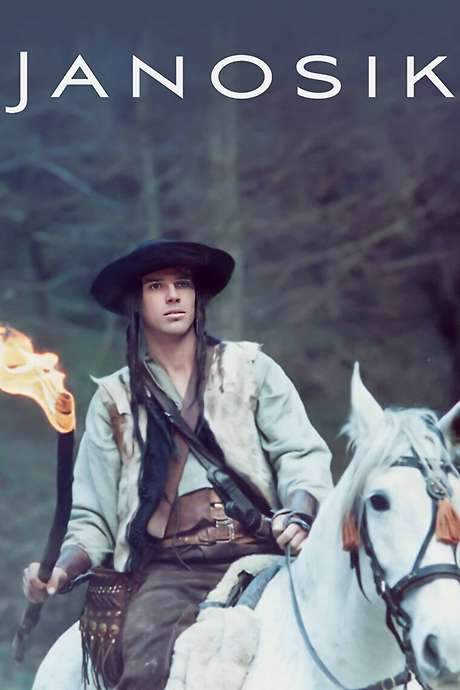
Amidst a time of clashing monarchs and political intrigue, a skilled mercenary leader finds himself embroiled in a dangerous mission. Inspired by the story of Jan ika, the film follows his journey as he's tasked with protecting a noblewoman from those vying for power. Forced to confront treacherous alliances and personal betrayals, he questions his loyalties and ultimately discovers a deeper purpose beyond serving kings—fighting for the freedom of the people.
Warning: spoilers below!
Haven’t seen Medieval yet? This summary contains major spoilers. Bookmark the page, watch the movie, and come back for the full breakdown. If you're ready, scroll on and relive the story!
Read the complete plot breakdown of Medieval (2022), including all key story events, major twists, and the ending explained in detail. Discover what really happened—and what it all means.
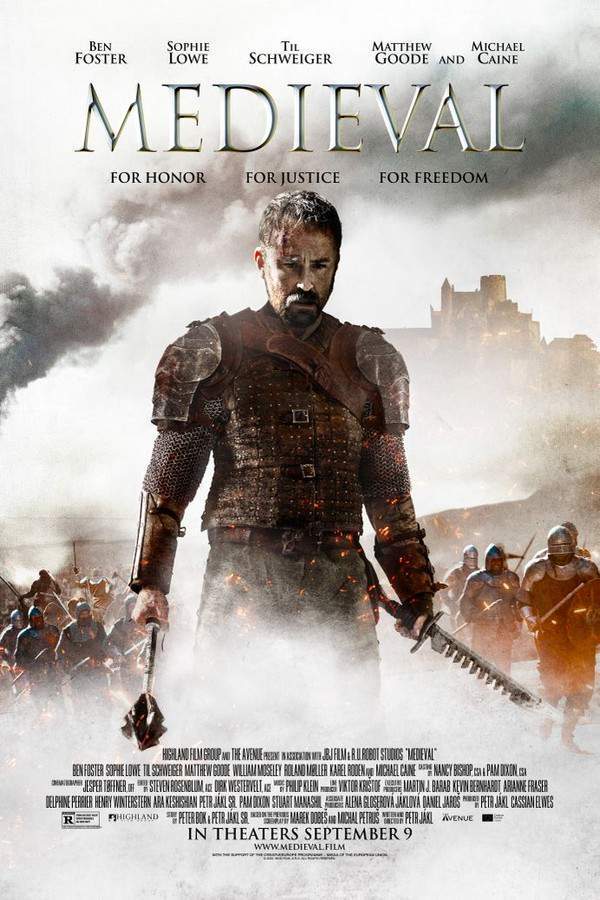
In the 14th century, Wenceslaus IV from the House of Luxembourg sits on the thrones of Bohemia, Germany, and the Holy Roman Empire, but his rule is weak and debt-ridden, threatening to tear the kingdom apart. The true power lies with Michael Caine as Lord Boresh, the most formidable noble in the land, who pulls the strings behind the scenes. Against this backdrop, the film follows Jan Žižka, Ben Foster in the title role, a skilled knight, mercenary, and future Hussite commander who leads a rough-and-tumble band of fighters drawn from ex-nobles, cutthroats, and hardened veterans who now fight for coin.
Žižka’s mercenary company includes Ulrich, a German veteran knight played by Roland Møller; the greedy soldier Conrad, the archer Freddy, the Norse berserker Lars, the spearman Cyril, and their most senior member, the Italian knight Giovanni, with Mick recently added after a skirmish where Žižka saves Lord Boresh from brigands at the cost of a fallen comrade. After this clash, Žižka escorts Boresh to Prague for a political debate about bringing Wenceslaus to Rome for his coronation, and he soon finds himself entangled in a web of ambition, ransom, and rebellion.
Žižka’s plan hinges on Rosenberg’s (the powers of the realm) support, but when that support proves elusive, he is given a dangerous assignment: kidnap Rosenberg’s fiancée, Katherine, to force the nobleman to keep his word and back the coronation. The mission brings Žižka back to his beginnings, as he visits his childhood home, where he reunites with his brother Jaroslav and his nephew, learning that they’re aiding rebels and funding the cause with money from Žižka’s own mercenary work. This revelation drags Žižka into high politics as his crew executes the kidnapping and smuggling operation—staging Katherine’s capture at the Cathedral and conveying her away in a cart filled with cadavers.
Katherine’s abduction triggers a chain of retaliations, drawing in Sigismund, Wenceslas’s half-brother, and Milan Rosenberg’s guards, as well as Torak and his Cumans—led by Žižka’s cunning mentor, Torak, who are dispatched to recapture the prisoners. In the resulting mêlée, Torak’s men ravage Žižka’s homeland at Trocnov, burn his village, and torture his family members, capturing Jaroslav to swap him for Katherine. The assault spares Barbara, who becomes a cautious ally, and Katherine makes several escape attempts only to be recaptured, their fates intertwined with the looming political decision over Bohemia and the emperor’s crown.
A tense hostage exchange spirals into catastrophe as Torak and Martin intensify the pursuit, and Jaroslav blames Jan for the loss of his son. Torak seizes a trap-laden mountain pass, but Žižka, employing his tactical genius and the rebels’ backing, defeats Torak’s men and reclaims Katherine, though Giovanni is mortally wounded in the fighting. The pursuit continues, resulting in ambushes, shattered loyalties, and brutal casualties: Cyril is mortally wounded; Torak’s forces assault the rebels; Jan sustains injuries while Katherine nurses him back to health, and their memories of lost friends, including Anna, weigh heavily on them all.
Katherine refuses to return to Rosenberg after witnessing his cruelty, even as Torak’s lieutenant Ajdar is decapitated in a brutal display and Ajdar’s head is left as a warning. The struggle intensifies as Rosenberg and his guards close in, and the couple learns that Captain Martin’s men stand ready to execute David, a young rebel. Katherine’s intervention proves pivotal when she kills Martin and the peasants rise up, trampling Martin’s troops in a violent, spontaneous insurrection. Traitors among Žižka’s ranks—specifically Conrad, who has betrayed the cause—are eliminated as Freddy shoots him in reprisal.
Reunited with his men, Žižka broadens the rebellion’s scope, and the rebels agree to escort Katherine to Wenceslaus’s hunting castle. Yet Jan refuses to let the journey end there, insisting on returning Katherine to her father in France, even as his companions refuse to abandon their leader. In a fateful turn, Žižka and his followers are overpowered and Katharine is seized again; she and Jan are separated from the others as Katherine grows fond of Žižka. Boresh, gravely wounded, reveals a pivotal truth: Sigismund has kidnapped King Wenceslas and seized the castle, and with his dying breath Boresh laments that the world cannot be changed for the better if kings can do such things.
With time running out, Žižka rallies the peasants to assault the castle and rescue Katherine. The battle erupts in a chaotic clash of swords and siege warfare, while Jan uses a clever ploy—employing Wenceslas’s pet lion—to cover their escape. Žižka faces Torak in a climactic duel as the peasants and rebels collide with Torak’s forces. Jaroslav survives a dramatic stumble from the castle wall into the river, and Katherine, desperate to save Žižka, throws herself from the battlements into the water. Jan leaps after her, and in a brutal underwater fight, bludgeons Torak to death with a rock, dragging Katherine to the riverbank. The lovers share a final kiss and Katherine dies, leaving Žižka to carry her ring back to the rebels as a solemn memento.
The film’s closing epilogue places the events in the broader arc of history: Sigismund ascends to the Bohemian throne after his brother’s death, but popular revolt thwarts his power, and he launches crusades against Bohemia while Žižka continues to lead outnumbered peasants during the Hussite Wars. The movie ends with Žižka at the head of a Hussite wagon fort, a testament to his tactical genius and to the enduring spark of resistance he personified. The narrative closes by noting that Žižka was one of the greatest military tacticians of all time and that he never lost a fight, while commemorating those who fight for freedom.
Last Updated: October 09, 2025 at 16:17
Still wondering what the ending of Medieval (2022) really means? Here’s a spoiler-heavy breakdown of the final scene, major twists, and the deeper themes that shape the film’s conclusion.
The film “Medieval” culminates in Jan Zizka leading an outnumbered peasant army in a final, brutal battle to protect Katherine, who is essentially a political pawn caught in the power struggles of the time. Despite the chaos and violence, Zizka’s unwavering leadership turns the tide, showing that his true heroism lies in his ability to inspire others and stand against corruption and tyranny. During the chaos of the battle, Katherine falls from the castle, and Zizka, witnessing her peril, manages to pull her out of the water just in time. Before she dies, she hands him her mother’s ring, symbolizing her trust and her hope for a better future. Her death marks a painful yet meaningful moment, emphasizing the sacrifices made in war and the tragic costs of political conflict.
In the end, King Sigismund is crowned King of Bohemia, but revolutionary discontent brews among the people who eventually revolt against him. Zizka’s final act of leading the peasants in battle and the recurring motif of him never being defeated underscore his legacy as a fearless leader who fights for justice. The closing scenes, with Zizka on horseback leading the victorious army, reinforce that he remains a symbol of resilience and resistance. The film’s ending leaves viewers with the idea that true heroism doesn’t lie in winning, but in fighting for what is right, even at great personal cost. Katherine’s death highlights the tragic reality of war and political upheaval, while Zizka’s unwavering spirit endures as a testament to the enduring power of hope and resistance. There’s a suggested possibility of a sequel, but ultimately, the story of Zizka’s heroism concludes here, solidifying his place as a legendary figure in history.
Last Updated: June 25, 2025 at 09:00
Discover curated groups of movies connected by mood, themes, and story style. Browse collections built around emotion, atmosphere, and narrative focus to easily find films that match what you feel like watching right now.
Brutal and immersive journeys into the harsh realities of a pivotal era.If you liked the brutal realism and heavy atmosphere of Medieval, explore these movies. This thread gathers historical dramas and war films that share a dark tone, high intensity, and a focus on the gritty, often bleak realities of the past, rather than idealized glory.
Stories in this thread typically follow characters—whether leaders, soldiers, or common people—navigating large-scale historical conflicts. The narrative is driven by external pressures like war and political intrigue, forcing characters to make difficult choices that highlight moral ambiguity and the high cost of survival or principle.
Movies are grouped here based on their shared commitment to a dark, realistic portrayal of history, a high-intensity viewing experience with significant emotional weight, and a focus on the tangible grit and brutality of their settings. They offer a coherent sense of immersion in a challenging past.
Heroes forged by tragedy, achieving a pyrrhic victory at great personal cost.For viewers who appreciated the bittersweet ending and heavy emotional weight of Medieval's journey. These movies feature similar arcs where a skilled but disillusioned warrior finds a greater purpose through sacrifice, leading to victories that feel earned yet hollow.
The narrative pattern involves a catalyst of extreme personal loss—such as the death of family or destruction of home—that transforms a capable but self-serving character. They are pulled into a larger conflict, where their skills are tested against overwhelming odds. The climax achieves a strategic or moral objective, but the conclusion is deeply bittersweet, emphasizing the price paid over the victory won.
These films are connected by a specific character arc: the journey from personal vendetta to a costly, principled stand. They share a high intensity, dark tone, heavy emotional weight centered on sacrifice, and a consistently bittersweet or bleak ending feel that resonates deeply.
Don't stop at just watching — explore Medieval in full detail. From the complete plot summary and scene-by-scene timeline to character breakdowns, thematic analysis, and a deep dive into the ending — every page helps you truly understand what Medieval is all about. Plus, discover what's next after the movie.
Track the full timeline of Medieval with every major event arranged chronologically. Perfect for decoding non-linear storytelling, flashbacks, or parallel narratives with a clear scene-by-scene breakdown.
Discover the characters, locations, and core themes that shape Medieval. Get insights into symbolic elements, setting significance, and deeper narrative meaning — ideal for thematic analysis and movie breakdowns.
What really happened at the end of Medieval? This detailed ending explained page breaks down final scenes, hidden clues, and alternate interpretations with expert analysis and viewer theories.
Get a quick, spoiler-free overview of Medieval that covers the main plot points and key details without revealing any major twists or spoilers. Perfect for those who want to know what to expect before diving in.
Visit What's After the Movie to explore more about Medieval: box office results, cast and crew info, production details, post-credit scenes, and external links — all in one place for movie fans and researchers.
Discover movies like Medieval that share similar genres, themes, and storytelling elements. Whether you’re drawn to the atmosphere, character arcs, or plot structure, these curated recommendations will help you explore more films you’ll love.
Medieval (2022) Scene-by-Scene Movie Timeline
Medieval (2022) Movie Characters, Themes & Settings
Medieval (2022) Ending Explained & Theories
Medieval (2022) Spoiler-Free Summary & Key Flow
Movies Like Medieval – Similar Titles You’ll Enjoy
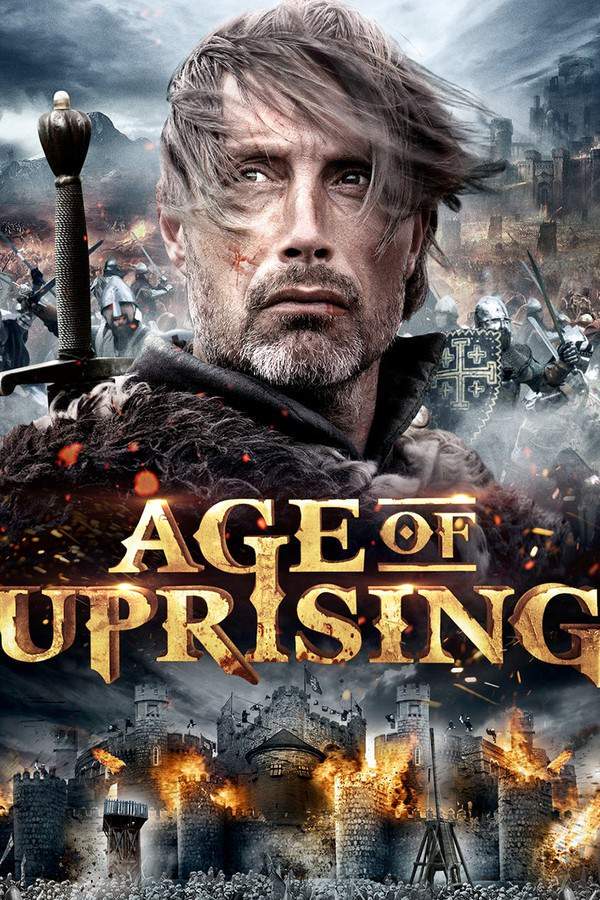
Age of Uprising: The Legend of Michael Kohlhaas (2014) Full Summary & Key Details
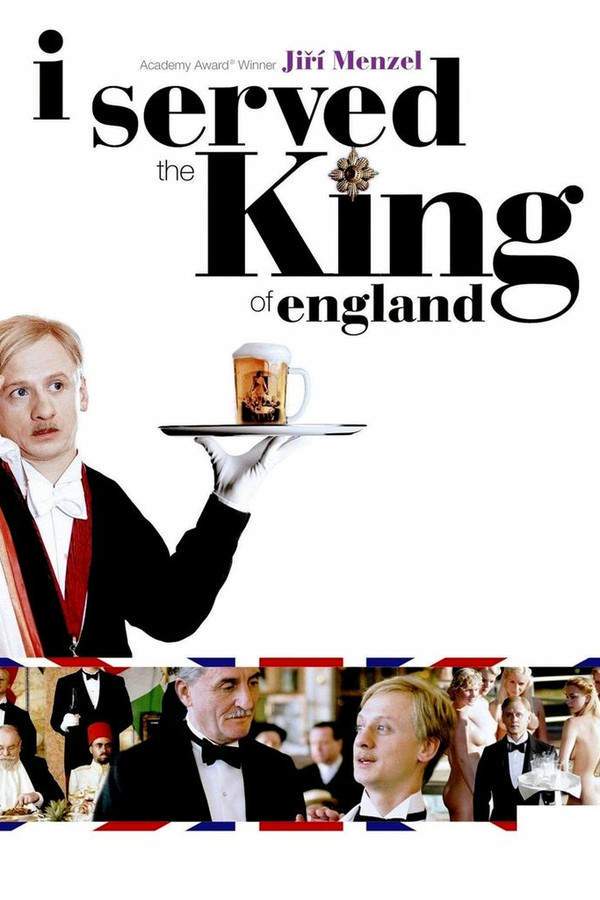
I Served the King of England (2008) Spoiler-Packed Plot Recap
Kingdom of Heaven (2005) Detailed Story Recap
King Arthur (2004) Detailed Story Recap
The Old Fairy Tale: When the Sun Was God (2003) Ending Explained & Film Insights
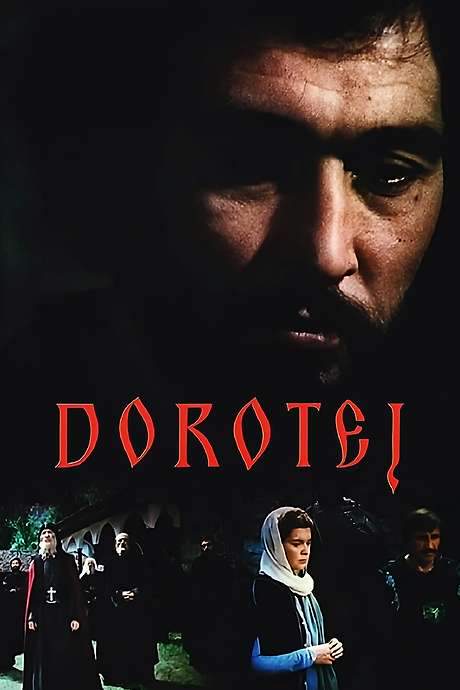
Dorotheus (1981) Complete Plot Breakdown
Knights of the Teutonic Order (1960) Complete Plot Breakdown
Marketa Lazarová (1967) Spoiler-Packed Plot Recap
Honor and Glory (1969) Full Movie Breakdown
Janosik (2009) Plot Summary & Ending Explained
The Deluge (1974) Full Summary & Key Details
The War Lord (1965) Movie Recap & Themes
Jménem krále (2009) Full Movie Breakdown
With Fire and Sword (1999) Movie Recap & Themes
Against All (1957) Plot Summary & Ending Explained