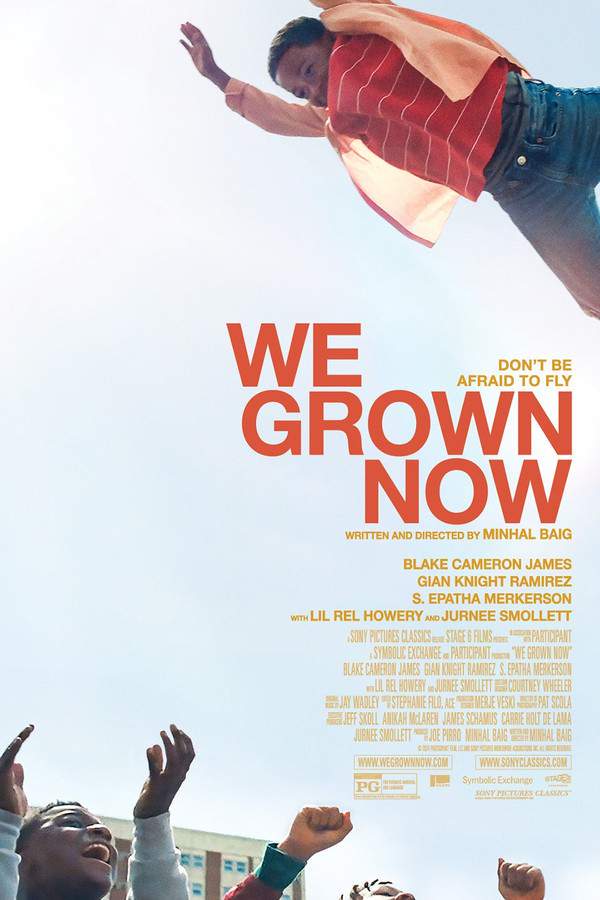
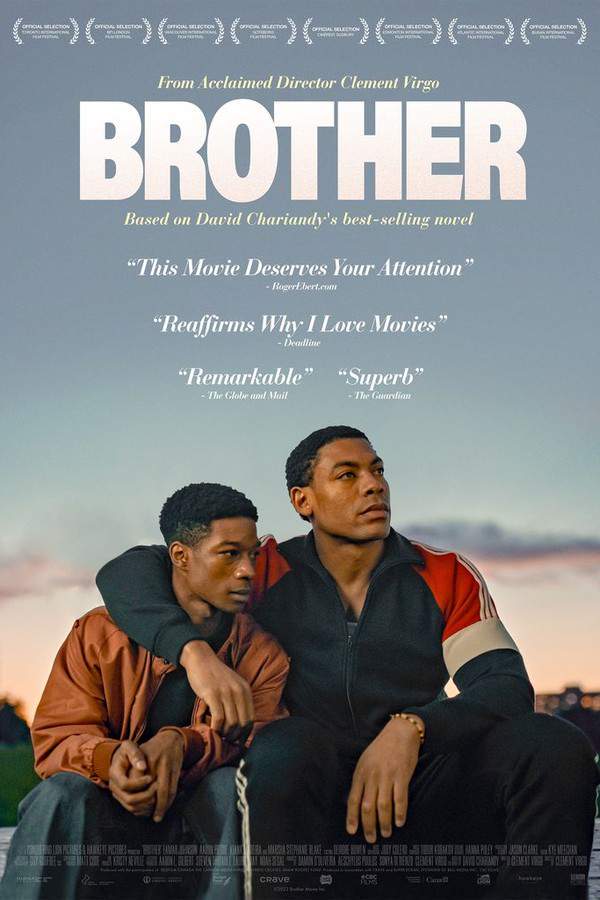
In 1992, Malik Blake James and Eric Gian Knight Ramirez are two best friends growing up side by side in Chicago’s Cabrini–Green Homes, navigating the bustle of elementary school and the quiet moments that tether two boys to one another. Malik, a mischievous but affectionate kid, lives in a warm, loving apartment shared with his single mother Dolores Jurnee Smollett, his grandmother Anita S. Epatha Merkerson, and his younger sister Dee. By contrast, Eric resides a floor above in a more austere home with his single father Jason Lil Rel Howery and his older sister Amber Avery Holliday. The two friends fill their days chasing laughter and adventure at the neighborhood park, where they love playing a game they call jumping—trying to hurdle over a stack of mattresses in a playful, fearless rush.
As the area sours with rising racial tension, tragedy strikes when a boy named Dantrelle in a grade below them is shot, jolting the community. In response, the city’s leadership tightens its grip on Cabrini–Green: the mayor imposes identification cards for everyone in the complex and conducts late-night drug searches, multiplying daily humiliations and fear. The weight of oppression and the fragility of life push Malik and Eric to interpret the world with fresh eyes. The two boys decide to visit The Art Institute of Chicago, and amid the quiet halls and grand paintings they start to see in new lights the stark realities of systemic racism that their city embodies.
Meanwhile, Dolores faces a difficult professional crossroads. A promotion opportunity in Peoria could offer her a brighter future, but uprooting her children would mean upheaval and displacement. Anita, who herself left Mississippi years earlier for better opportunities, urges Dolores to take the job and seek a new start. Malik overhears this plan and grapples with the idea of leaving Chicago, while Eric’s stance remains wary and defensive, unsure about losing the daily rhythm of their friendship.
Back home, the pressure to succeed—paired with the looming possibility of relocation—stirs strain in Malik and Eric. Eric grows increasingly withdrawn under his father’s expectations, and he misreads Malik’s contemplation of leaving as a betrayal. He confronts his own fear and resents the thought of Malik stepping away, and a tense confrontation ensues in which Malik is hurt. The injury marks a painful crack in their bond, leaving both boys to grapple with a future that might separate them.
Yet life’s pressures don’t sweep Malik away from his core belief: that the people you meet can make a home feel real. During a reflective school assignment, Malik articulates a hopeful truth—that home isn’t just a place, but the meaningful connections you forge with others. This realization lands with a sting for Eric, who sees in it a counterpoint to his own fears about leaving. A rift forms, and for a while their paths seem to diverge as each boy contends with the pull of opportunity versus the pull of friendship.
As the family begins to prepare for a possible move, Jason encourages Eric to reach out to Malik and repair what’s been strained. The idea of one last, shared moment in the apartment—and the everyday rhythm that defined their friendship—gives them hope. The two boys eventually find their way back to each other, and as Malik stands on the threshold of leaving, they reconnect in a heartfelt exchange that blends apology, forgiveness, and the enduring promise of companionship. The moment culminates in a simple yet profound jumping trick that carries a whispered encouragement between them: > Don’t be afraid to fly.