Plot Explained Spoilers guaranteed!
Plot Explained

Browse by genre

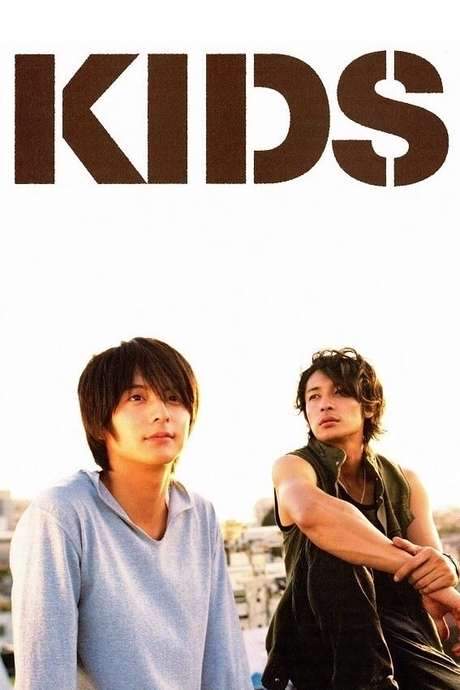
Kids Return (1996) movie poster

Plot Summary

Kids Return (1996) Plot Summary Explained

Release, runtime and language
1996 · 107 mins · Japanese
Directed by
Takeshi Kitano
Starring
Susumu Terajima, Kanji Tsuda, Sei Hiraizumi, Ryo Ishibashi, Ken Kaneko, Masanobu Ando

Shinji and Masaru spend their school years tormenting classmates and playing pranks. After dropping out, Shinji turns to small‑time boxing while Masaru becomes involved with a local yakuza gang. As they confront the harsh realities of adulthood, they discover how unforgiving the world can be.

On this page (5)
  1. 1 What happens: full plot
  2. 2 Plot questions answered
  3. 3 Movie threads
  4. 4 Movies like Kids Return
  5. 5 Every angle

Full plot summary · contains spoilers

What Happens in Kids Return: Full Plot Summary

The whole story of Kids Return (1996) explained, from the opening scene to the final frame: every key event, every twist and what it all adds up to. Read it as a quick recap before the sequel, to check a scene you missed, or to finally understand what really happened.

Shinji and Masaru are high school delinquents who terrorize their classmates, nicking money and even torching their teacher’s car. When a string of victims hires a boxer to settle the score with Masaru, he decides to strike first and drags his timid friend Shinji to a boxing gym. The pair soon discovers a surprising truth: Shinji is a natural in the ring, turning the sparring ring into his own arena and effortlessly besting Masaru in a bout that stuns their trainers. Watching this, Masaru pushes his friend to chase success, but soon afterwards quits boxing and shifts his ambitions toward the yakuza. As Shinji carves out a future in boxing and Masaru pursues leadership within a criminal world, their trajectories begin to diverge in dramatic fashion.

The climb upward in their chosen paths comes with a price. Shinji’s ascent is shadowed by a deteriorating lifestyle that undercuts his boxing career, while Masaru’s swagger and defiance toward his boss land him on the wrong side of the yakuza hierarchy. Despite their separate quests for power and recognition, both end up at rock bottom—their former friendship tested, their ambitions unfulfilled, and their futures suddenly unclear. The two reunite, sharing a quiet, poignant moment as they pedal back through the schoolyard, each processing what’s happened and what might come next.

> it’s only the beginning

Last updated: February 17, 2026 at 19:58

Was this helpful?

Plot questions answered

Kids Return Plot Explained: Your Questions Answered

The questions people ask most about Kids Return (1996): what happens in the confusing scenes, why the characters do what they do, the twists, hidden details and what the ending means. Each answer contains spoilers.

Q1

Why does Masaru quit boxing and join the yakuza?

After witnessing Shinji's natural talent in the boxing ring, Masaru realizes he cannot match his friend's ability. Rather than continue in Shinji's shadow, he chooses a different path to power and recognition. The yakuza offers Masaru the dominance and status he craves, something he believes he can never achieve through boxing where Shinji will always overshadow him.

Foreshadowing: Earlier, Masaru is the one who drags Shinji to the gym seeking revenge, showing his preference for aggressive solutions over patient training.

  • masaru
  • yakuza
  • boxing
  • quits
  • path divergence
Q2

Why does Shinji's boxing career fall apart?

Shinji's unhealthy lifestyle undermines his boxing career, though the exact nature of this decline is not detailed in the summary. His rise to prominence as a boxer comes with mounting pressures that he cannot sustain, leading to the erosion of his promising career.

Foreshadowing: The summary notes his ascent is 'shadowed by a deteriorating lifestyle' from the start, hinting at inevitable burnout.

  • shinji
  • boxing career
  • decline
  • downfall
  • lifestyle
Q3

What causes Masaru to be kicked out of the yakuza?

Masaru's arrogance and defiance toward his yakuza boss costs him his position within the organization. His swagger and refusal to show proper respect to his superiors leads to his downfall. He finds himself suddenly exposed and vulnerable, stripped of the status he worked to build.

Foreshadowing: The timeline notes his 'swagger and defiance' early on, establishing the attitude that eventually destroys his criminal career.

  • masaru
  • yakuza
  • expelled
  • boss
  • arrogance
  • downfall
Q4

Why do Shinji and Masaru grow apart?

Their paths diverge naturally as Shinji dedicates himself to boxing while Masaru immerses himself in criminal ambitions. As Shinji climbs the boxing ranks and Masaru builds power in the yakuza, their lifestyles and goals pull them in opposite directions. The growing gap between their lives creates an emotional distance that neither can bridge.

Foreshadowing: From the moment they split at the boxing gym, Masaru quitting while encouraging Shinji to continue, their divergent paths are set in motion.

  • shinji
  • masaru
  • friendship
  • split
  • paths
  • diverge
Q5

What does the ending bike ride mean in Kids Return?

After both characters hit rock bottom, Shinji and Masaru reunite and ride their bikes through their old schoolyard. Shinji wonders if this marks the end of their lives, but Masaru insists it's only the beginning. The ambiguous ending suggests possibility and renewal, their friendship survives despite their failures, leaving their future open to interpretation.

Foreshadowing: The schoolyard setting mirrors their earliest scenes together, creating a circular return to innocence before moving forward.

  • ending
  • bike ride
  • schoolyard
  • reunion
  • hope
  • masaru
Q6

Why is Shinji so good at boxing?

Shinji demonstrates natural talent in the ring from his first sparring session, easily defeating Masaru despite having no prior training. The trainers are stunned by his raw ability. This surprising discovery launches him on his boxing path, though the summary does not explain the source of his talent, it simply presents him as a natural.

Foreshadowing: His aggression and dominance as a delinquent translate to aggression and power in the ring, suggesting his violent tendencies find a new outlet.

  • shinji
  • boxing
  • talent
  • natural
  • gym
  • sparring
Q7

What motivates Masaru throughout the movie?

Masaru is driven by a need for power, recognition, and dominance. Unable to compete with Shinji in boxing, he seeks a path where he can be the one in control. The yakuza offers him a route to leadership and status. His arrogance ultimately stems from insecurity, joining organized crime is his way of proving himself when he cannot win in the ring.

Foreshadowing: His earlier bullying of classmates and willingness to use violence establishes his preference for power over patience.

  • masaru
  • motivation
  • power
  • yakuza
  • leadership
  • insecurity
Q8

Why do Shinji and Masaru become delinquents?

As high school students, Shinji and Masaru terrorize their classmates, steal money, and commit acts of vandalism, including setting their teacher's car on fire. Their delinquency establishes them as feared troublemakers. The summary does not explain their origins in detail, but their destructive behavior shapes the harsh environment that influences their later choices.

Foreshadowing: The violent tendencies they display as students directly translate to violence in boxing and crime later.

  • delinquents
  • high school
  • bullying
  • troublemakers
  • origins
Q9

Does Kids Return have a happy ending?

The ending is bittersweet, neither purely hopeful nor entirely bleak. Both characters have lost everything: Shinji's boxing career has ended, and Masaru has been expelled from the yakuza. However, they reunite as friends and the final line suggests renewal rather than defeat. Masaru's declaration that 'it's only the beginning' implies possibility, though their future remains uncertain.

Foreshadowing: The title itself, 'Kids Return,' suggests cyclical return and potential rebirth rather than permanent ending.

  • ending
  • bittersweet
  • happy
  • reunion
  • hope
  • future
Q10

Why do Shinji and Masaru reunite after everything?

Both characters end up at rock bottom, Shinji with a failed boxing career and Masaru with no place in the yakuza. With nothing left, they unexpectedly cross paths again. Their reunion is driven by shared emptiness and the lingering bond of their youth. The cold, quiet nature of their meeting reflects how far they've fallen and what's left unresolved between them.

Foreshadowing: Their earlier friendship, established through years of shared delinquency, provides the foundation that draws them back together despite their divergence.

  • reunion
  • rock bottom
  • together
  • lost
  • friendship

Movie threads

More Movies Like Kids Return, by Mood & Story

Curated lists built around what makes Kids Return tick: the same mood, the same kind of story or the same emotional payoff. Each list explains why these movies belong together.

Stories of friends pulled apart by crime like Kids Return

After leaving school, two friends find separate paths into crime and violence. These movies explore the painful separation of friends as they enter different criminal worlds, similar to the narrative in Kids Return. They depict the fragility of bonds tested by the harsh realities of organized crime, boxing, and street life.

  • friendship
  • delinquency
  • crime
  • underworld
  • melancholic
  • bond
  • Tone: bittersweet
  • Pacing: steady
Why these movies?

The story pattern: The pattern follows two friends whose lives diverge after their youth, typically involving delinquent characters heading towards boxing or organized crime paths. Their bond is tested amid growing violence and disillusionment.

Why they belong together: Movies in this thread share a grim coming-of-age arc where friendship is tested by separation into different criminal environments, creating a shared sense of loss and melancholy.


Stories of youthful arrogance punished like Kids Return

Characters face the consequences of their youthful recklessness. These movies depict the fall of once-arrogant characters as they face the harsh consequences of their actions, similar to the themes explored in Kids Return. They capture the transition from youthful recklessness to adult disillusionment.

  • youthful arrogance
  • failure
  • regret
  • harsh realities
  • coming of age
  • disillusionment
  • Tone: bittersweet
  • Pacing: steady
Why these movies?

The story pattern: Narratives typically follow characters who start with a sense of invincibility in their youth, only to be humbled by the systemic failures and harsh truths of adulthood.

Why they belong together: They share a thematic focus on the downfall of youthful arrogance, illustrating how unchecked confidence leads to regret and failure in adult life.

If you liked this

Movies Like Kids Return

Similar movies to Kids Return: the same genre, themes or kind of story. Each one comes with its own plot summary, timeline and ending explained.

Browse all movie summaries

Every angle

Kids Return (1996) Explained: Plot, Timeline & Characters

Everything about Kids Return in one place: what happens in the plot summary, the timeline in chronological order, the characters and meaning and a spoiler-free summary. What's After the Movie adds the cast, box office and post-credit scenes.

Coming soon on iOS and Android

The Plot Explained Movie Summary App

Plot summaries, endings explained and timelines on your phone. Catch up on any movie in minutes, save your favorites and never miss a twist again.

Be the first to know when we launch. Your email stays private, always.

Learn more about the app